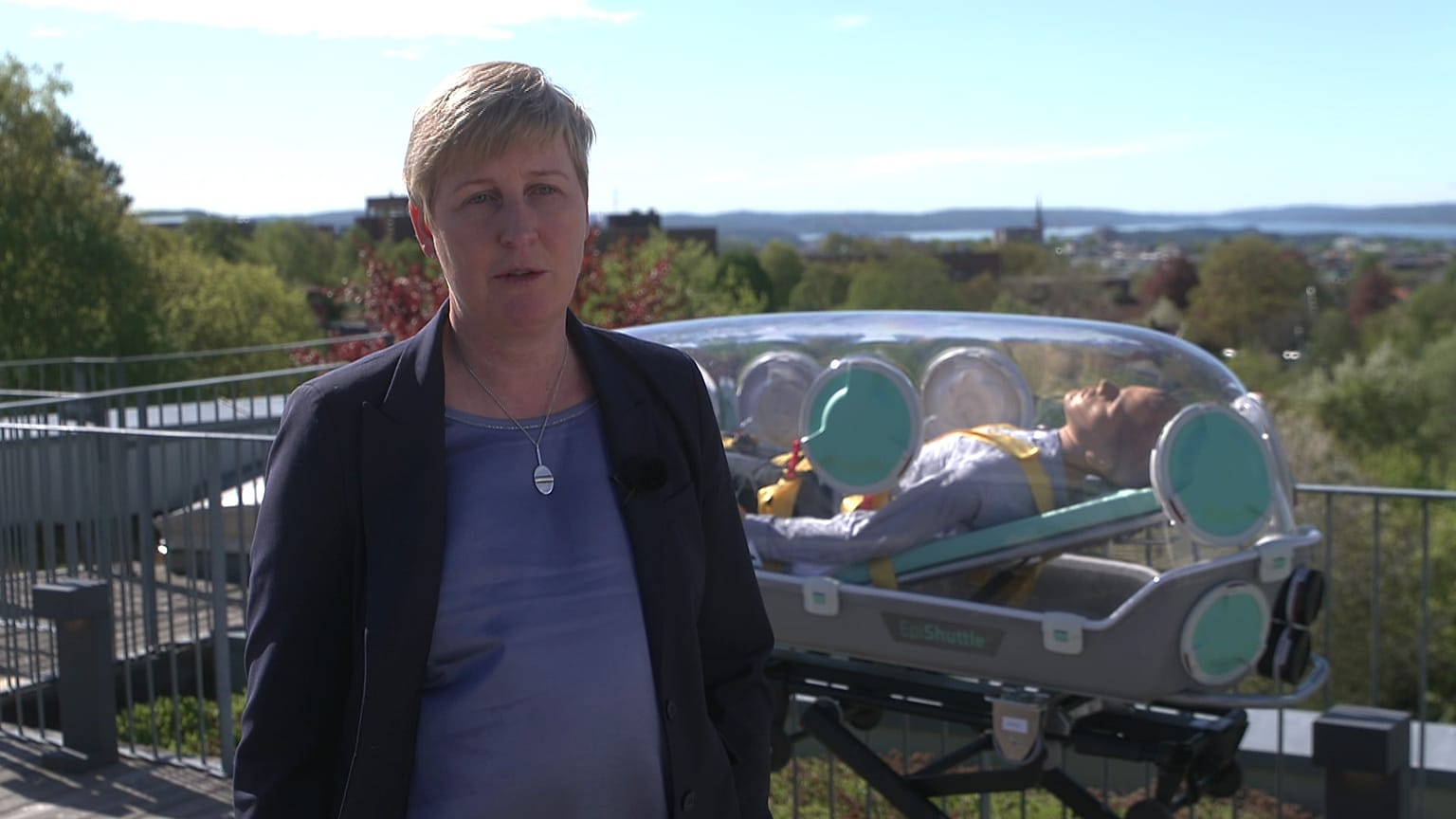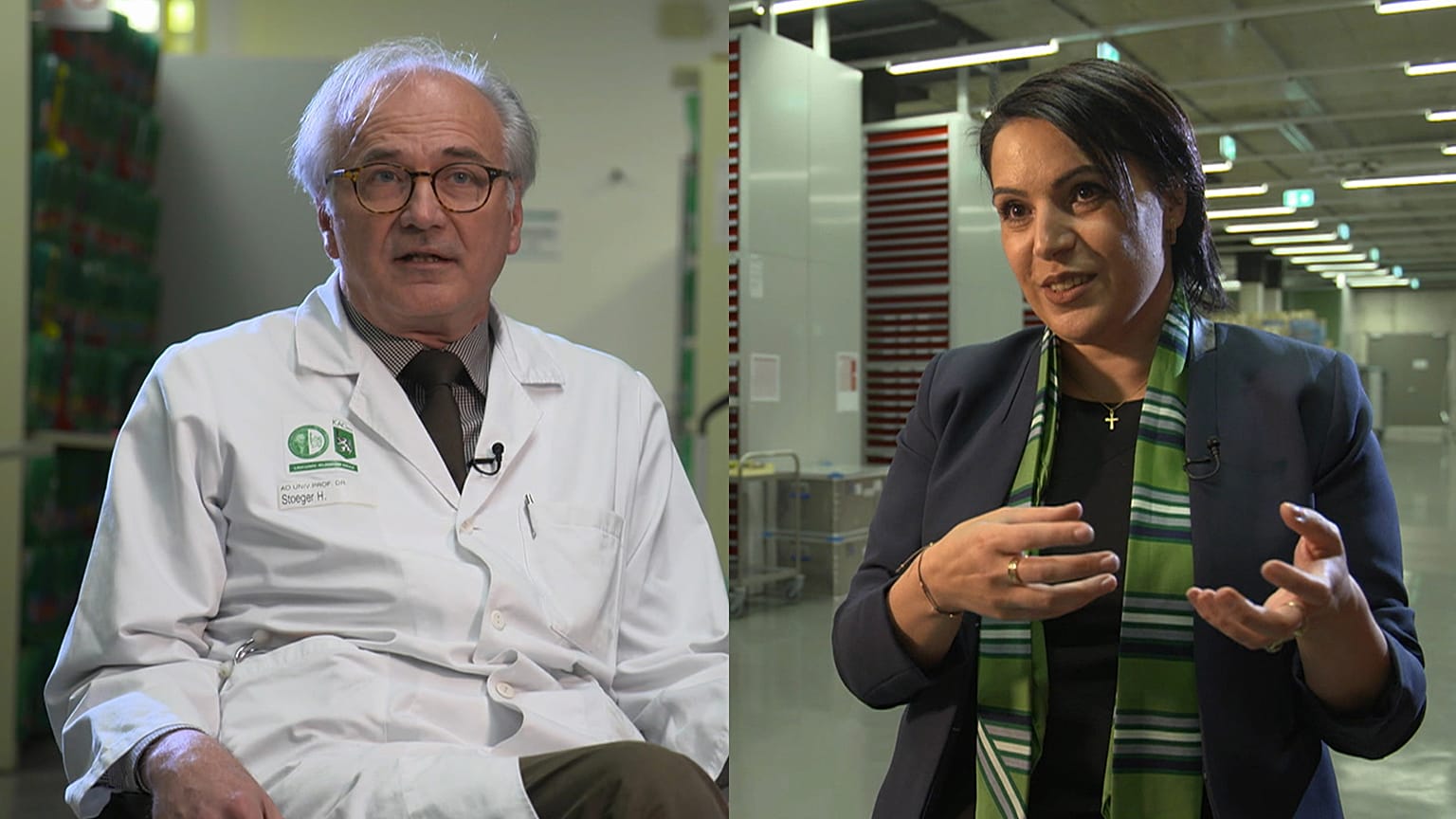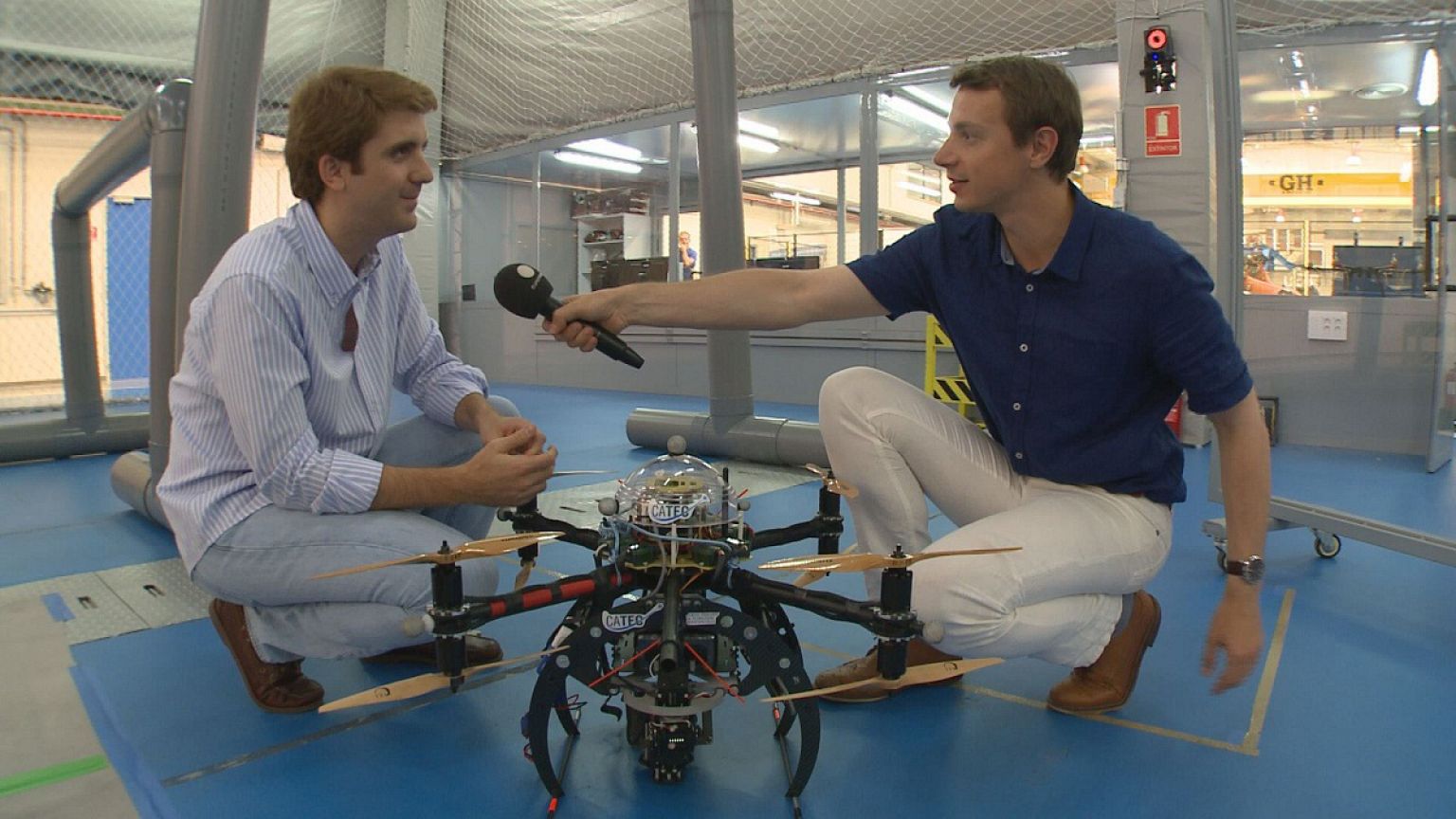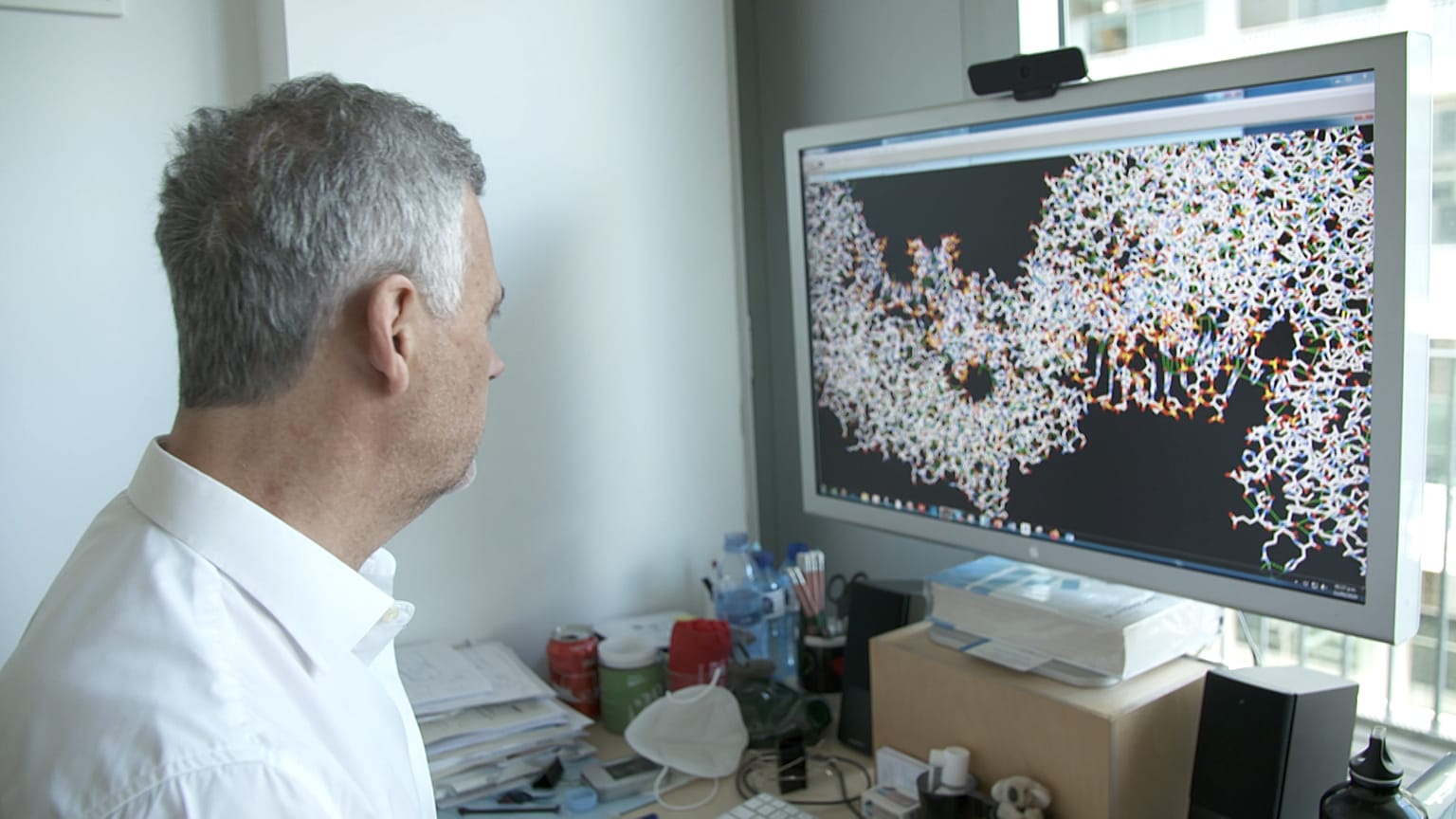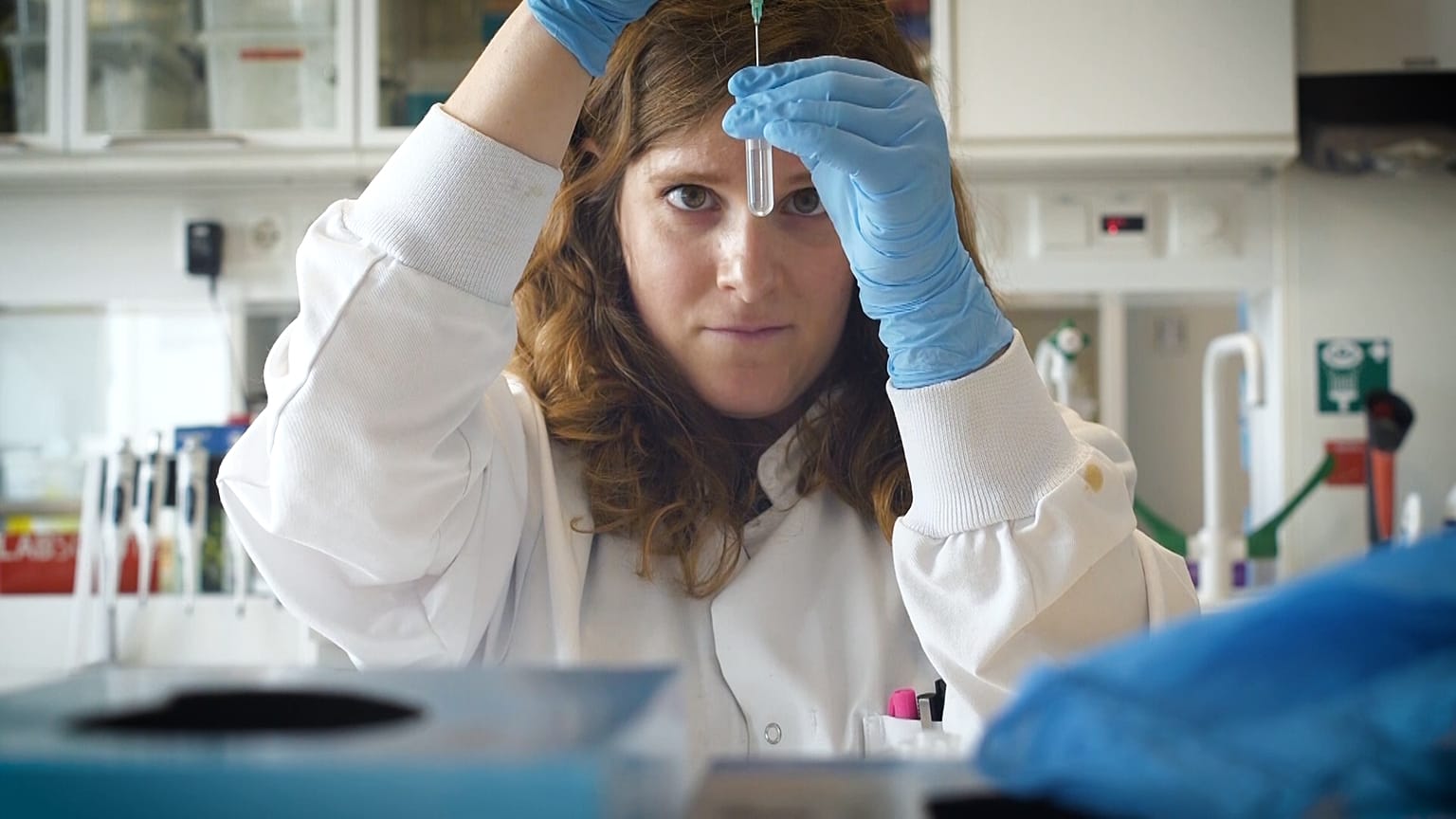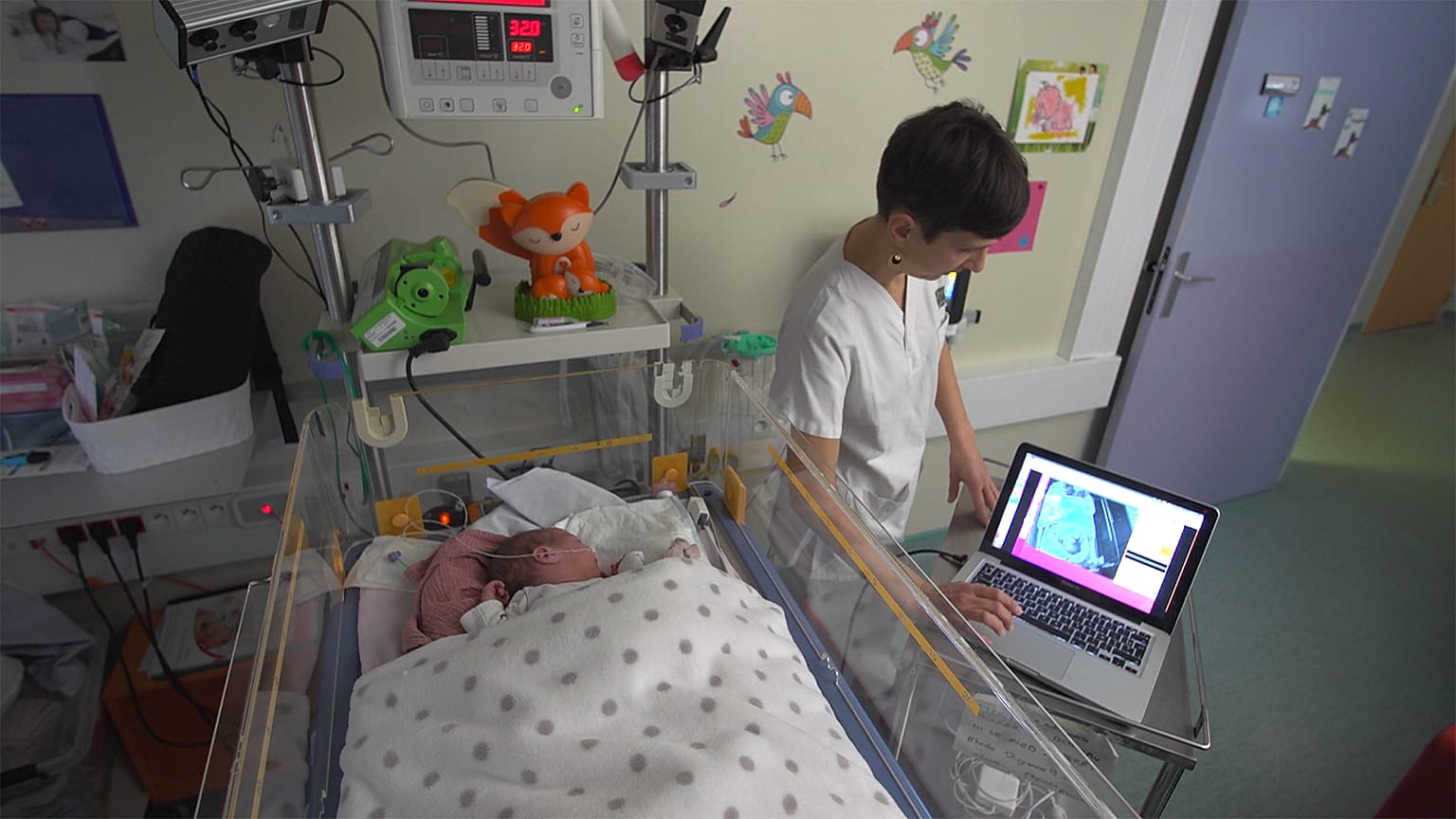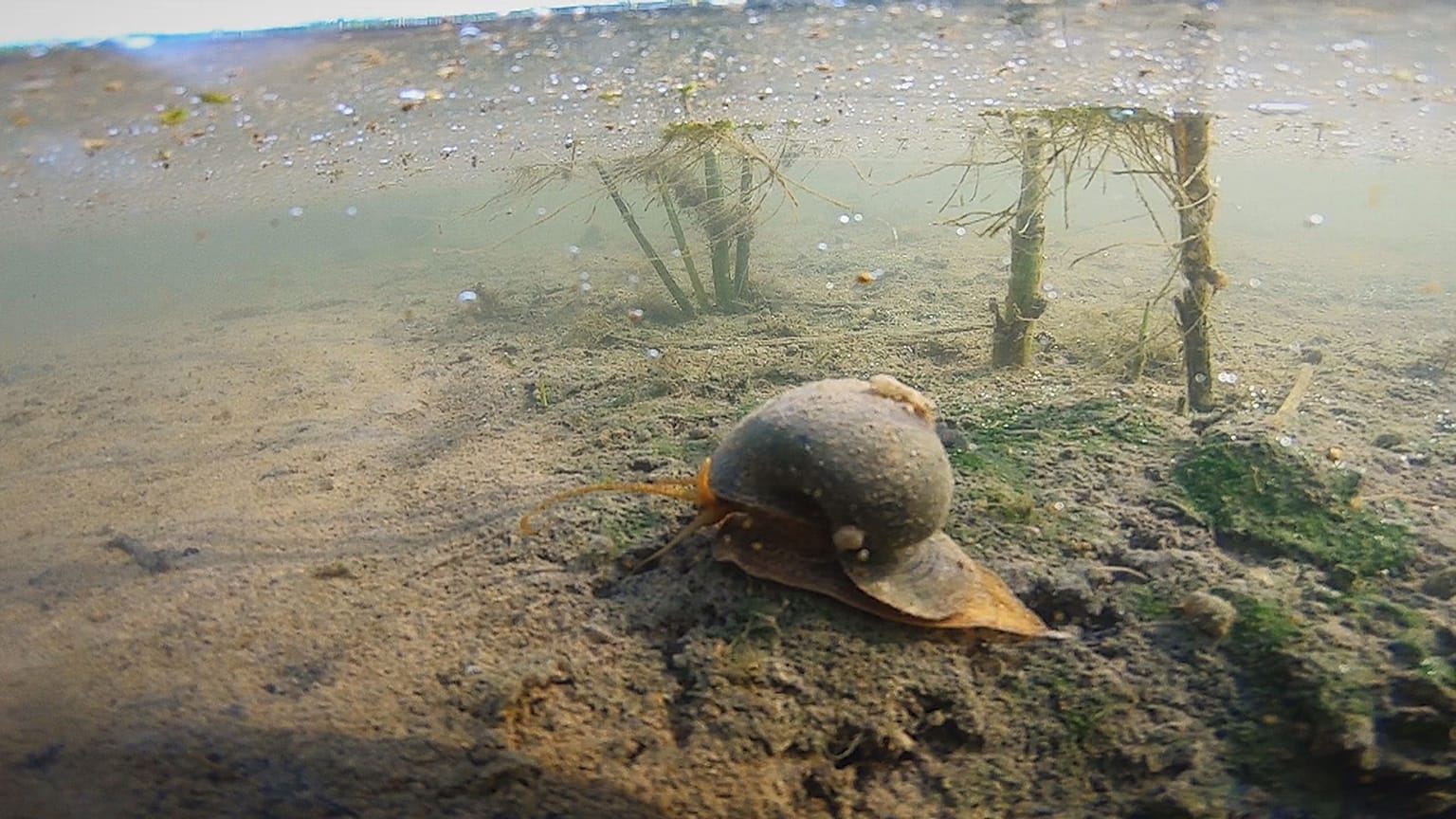
Cancer deaths in the European Union are currently at an annual level of 1,400,000. Horizon Europe's Cancer Mission is aiming to save three million lives in the next decade. Futuris investigates the network of teams across the Europe working to make this happen.
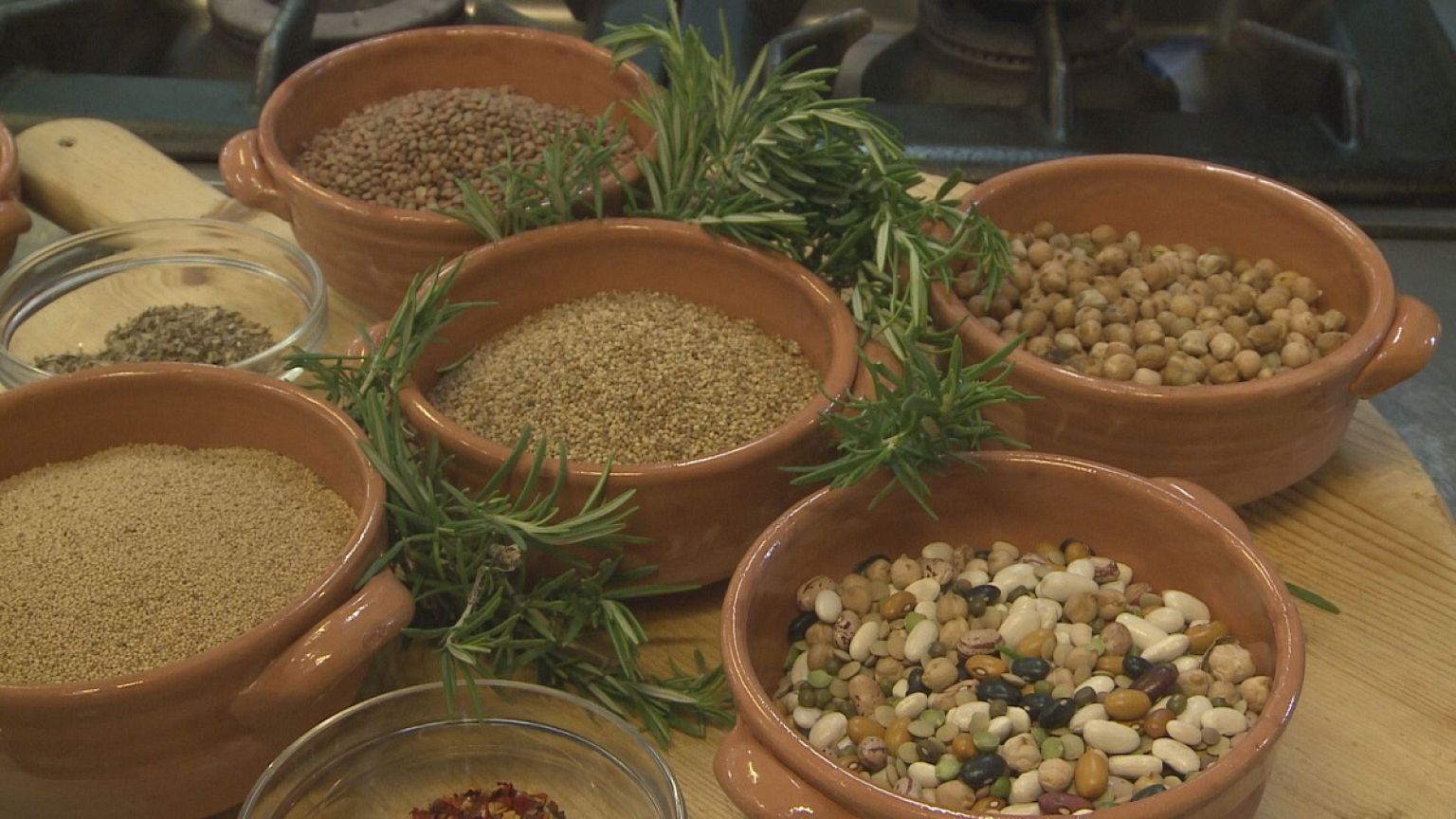
Food fraud is a serious issue, including in the spice industry; with ingredients like saffron worth their weight in gold - literally - counterfeit spices needed to be guarded against. Furutis visits the lab in the Netherlands doing just that as part of an EU project.
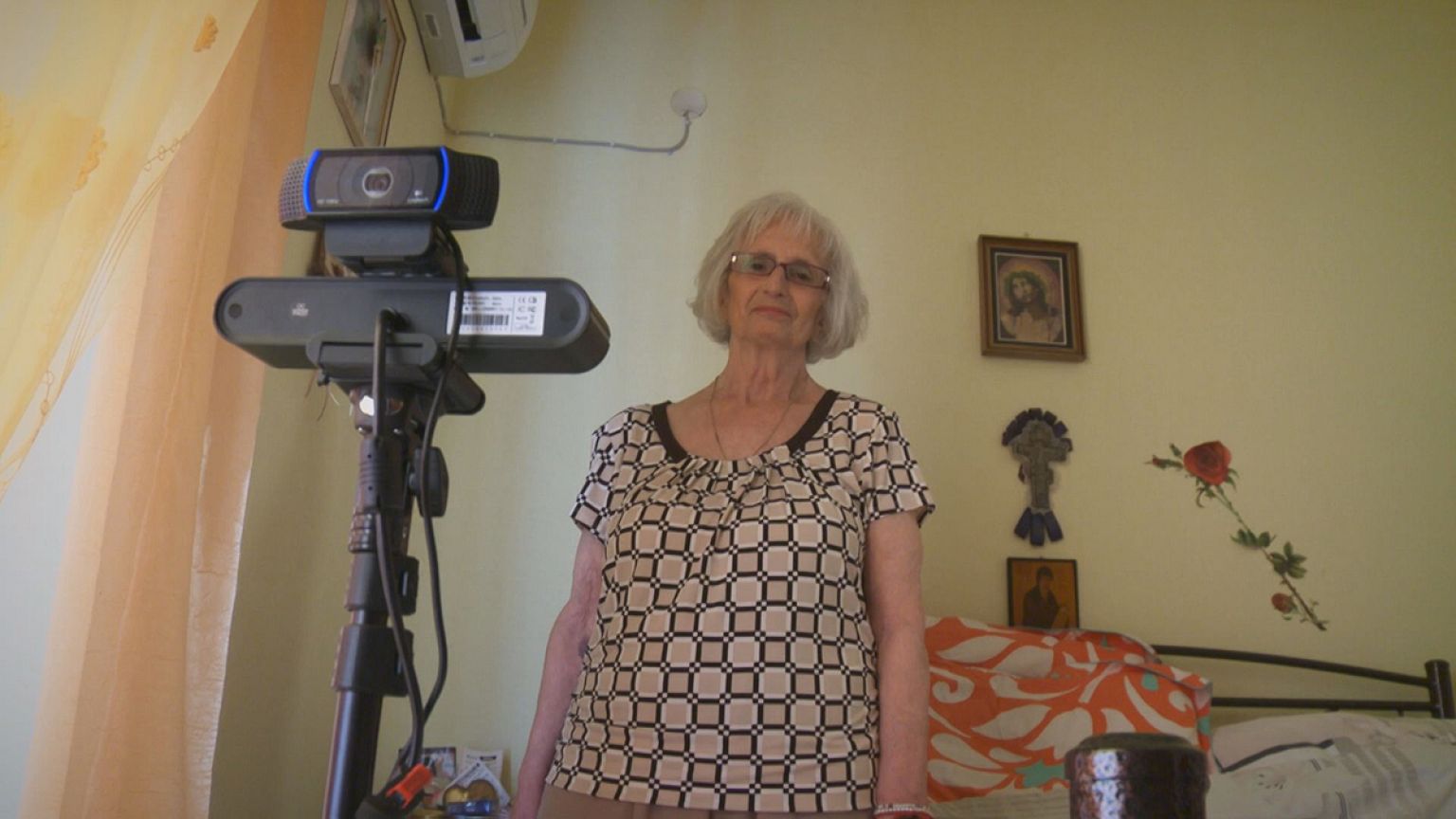
The new Nestore system aims to monitor multiple aspects of the user’s lifestyle as well as medical data, and then make personalised suggestions based on the collected information.
A fifth of all food produced in Europe ends up being wasted. We look into the major strides being taken towards creating a joined-up food production system that will help drastically reduce food waste.
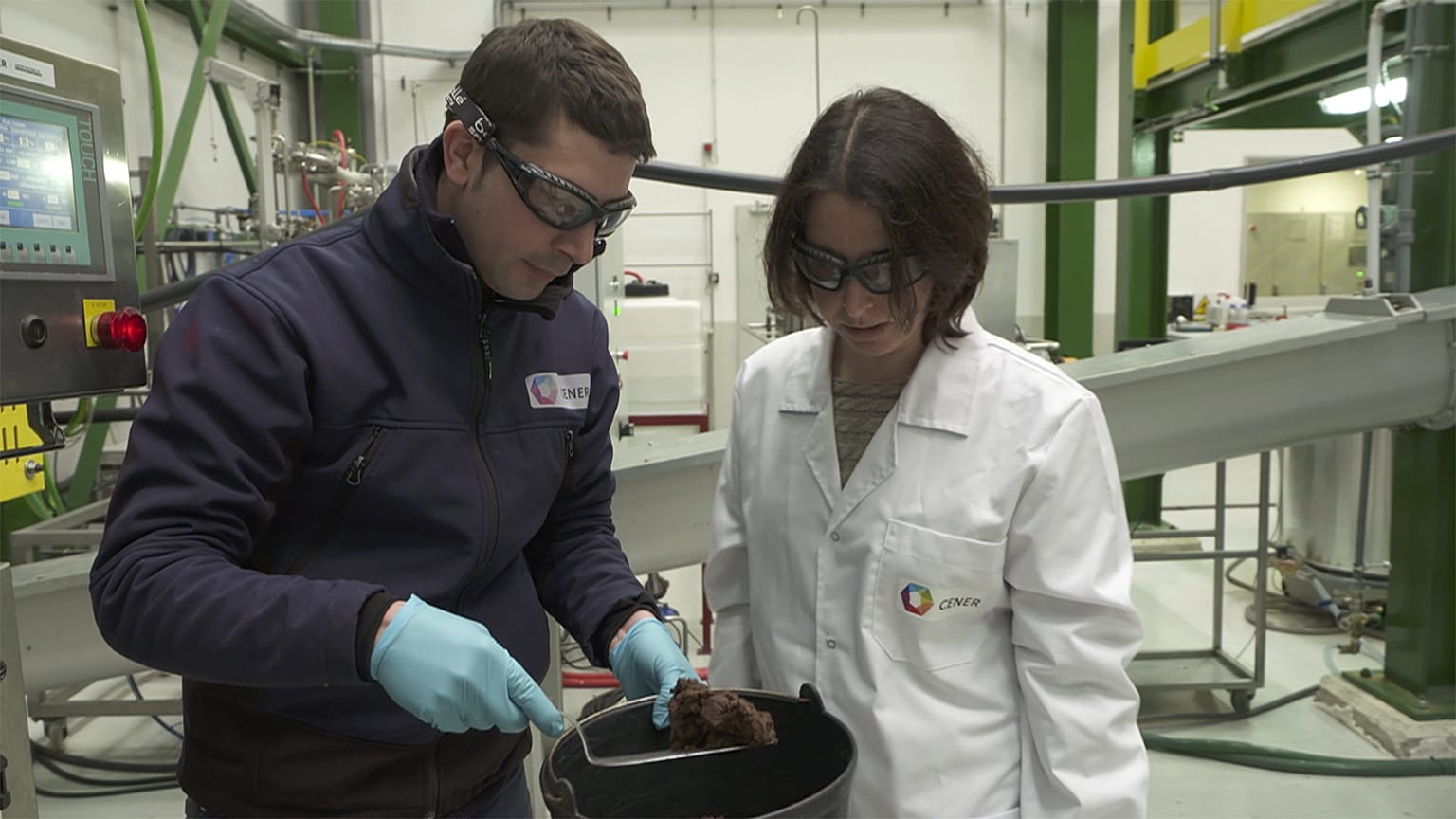
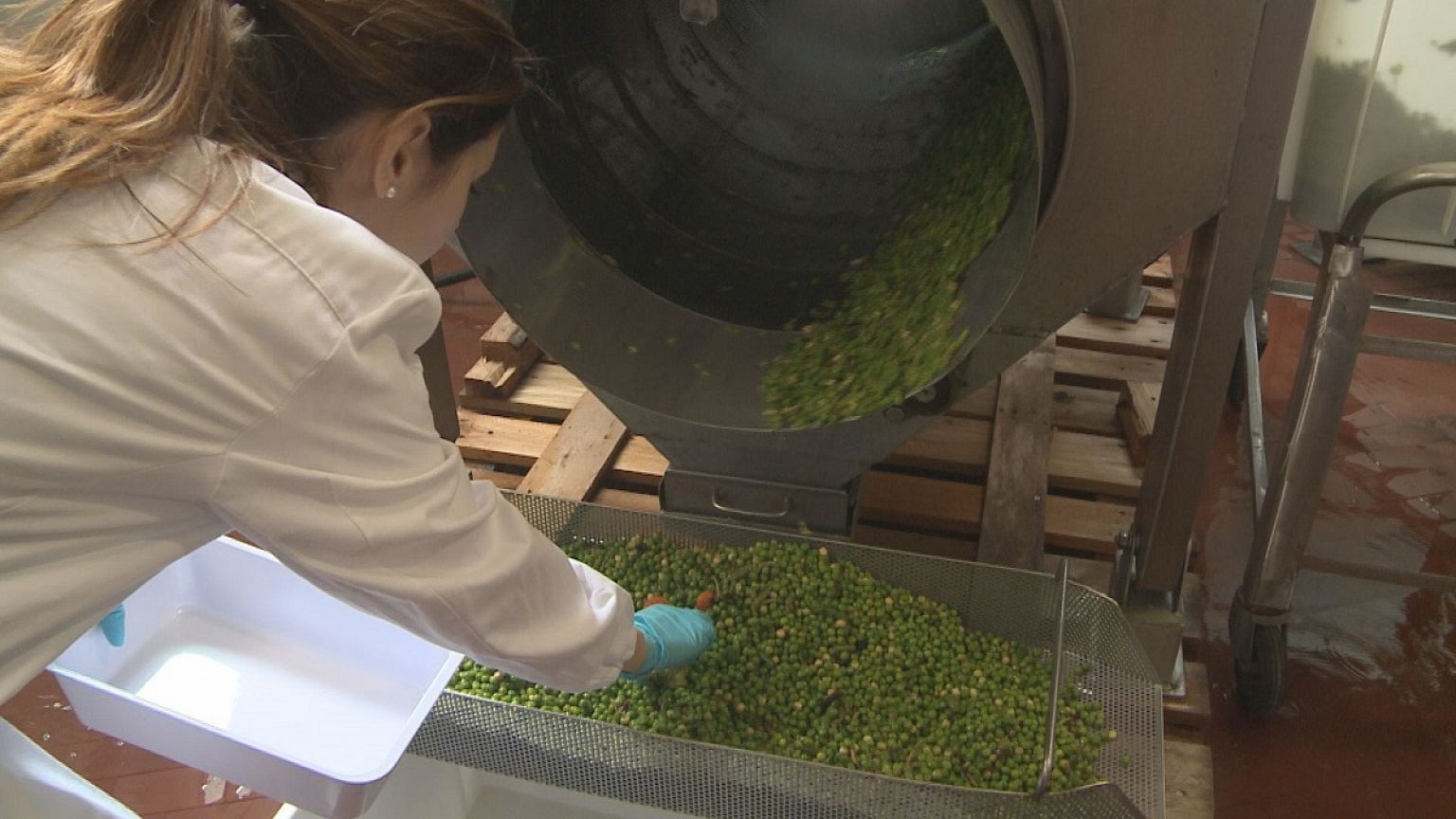
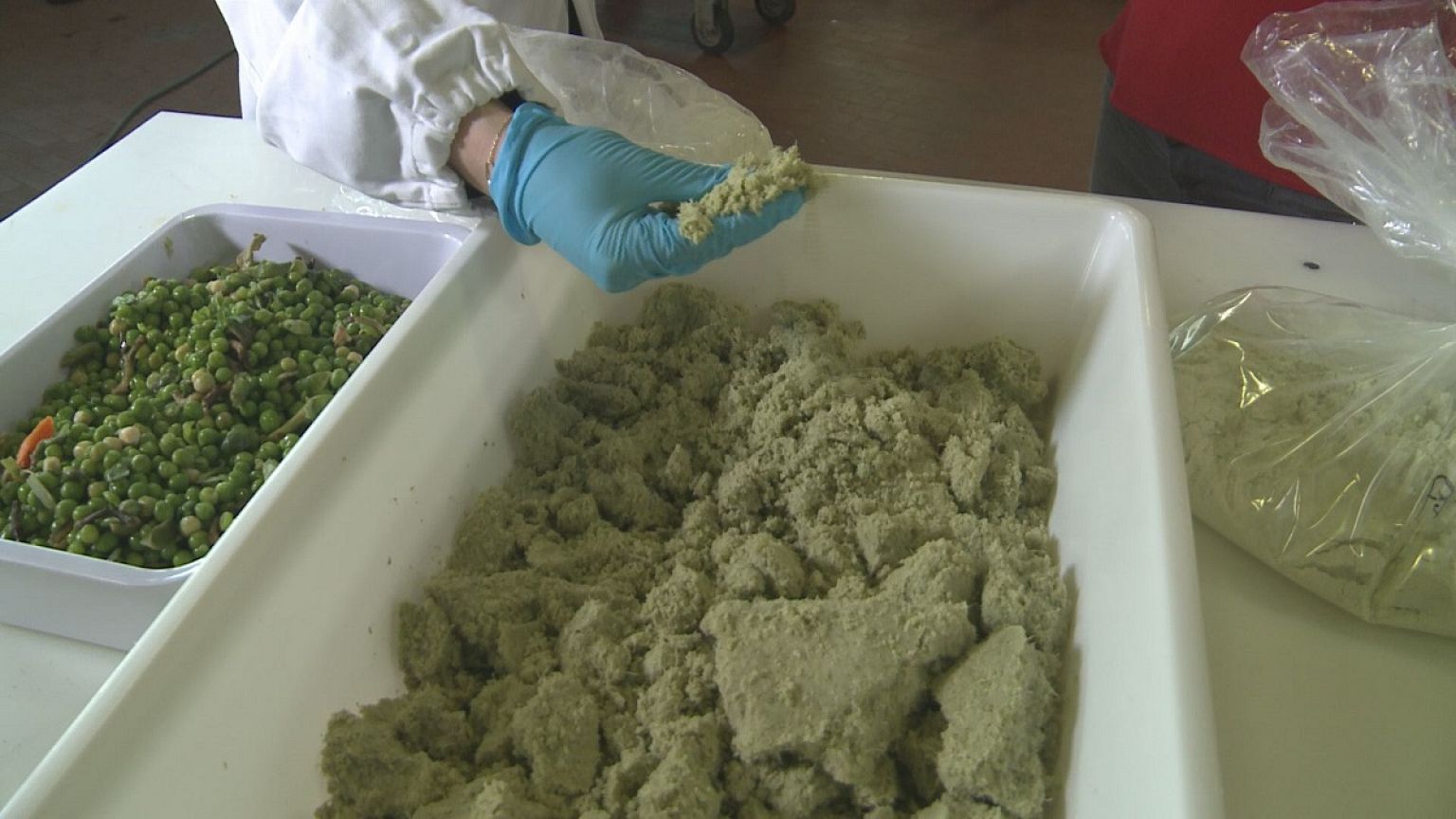
Can food waste by-products be re-used to produce car parts and other industrial items, purposes unimaginable just a few years ago? The EU-supported BARBARA Project has made some big steps forward in that direction. Futuris visits Spain to find out more.
Rebuilding the degraded soils of Europe is one of the EU's missions within the new Horizon Europe framework, about to be launched. Euronews' Claudio Rosmino for Futuris investigates how new practices are rolling back years of ecological damage.
In this week's episode of Futuris, Euronews' Julian Lopez travels to Iceland to meet the scientists hunting down viruses that can be used to help improve our health.
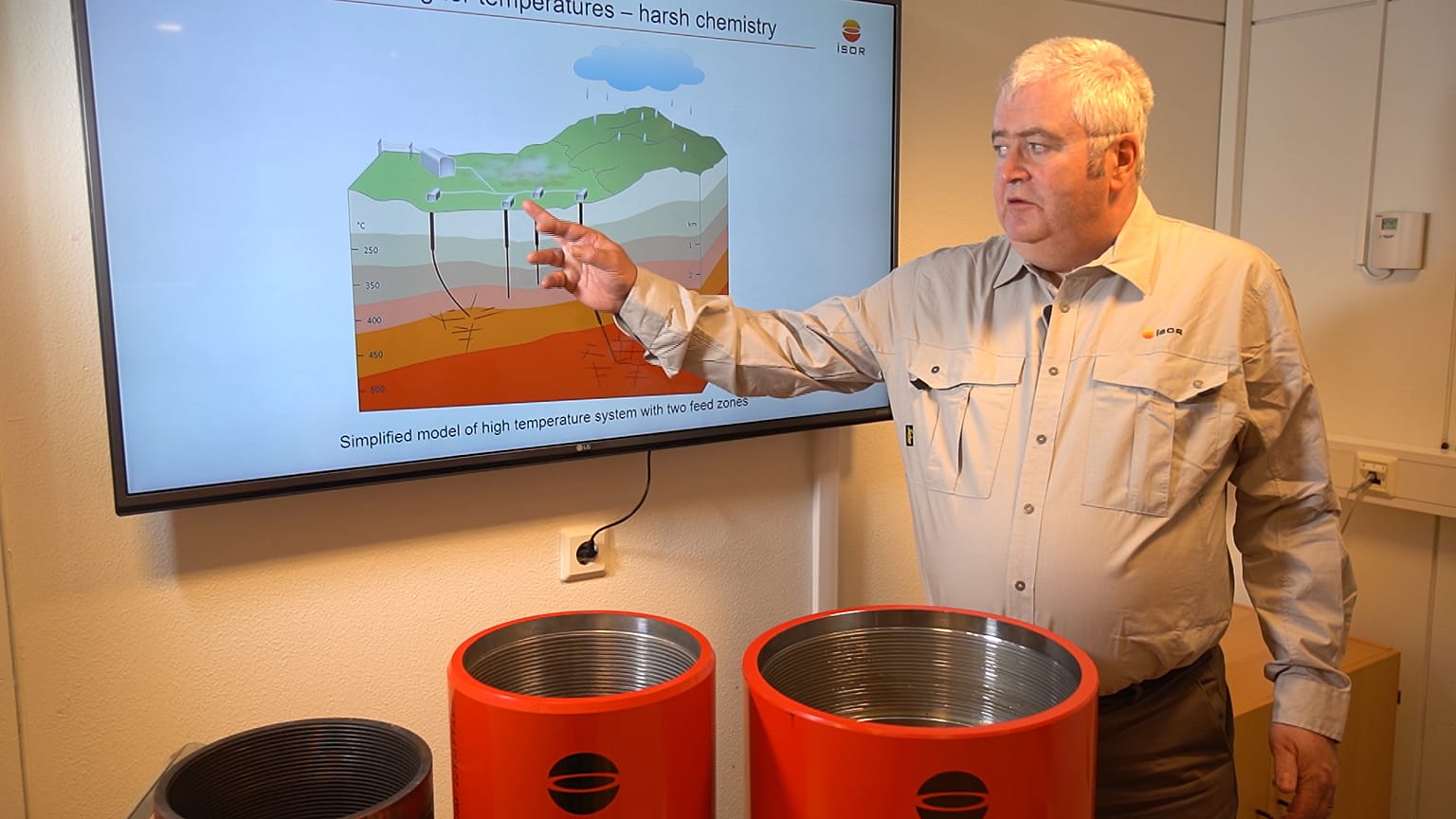
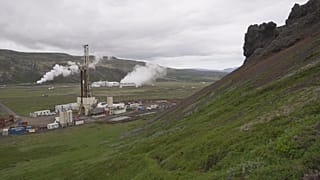
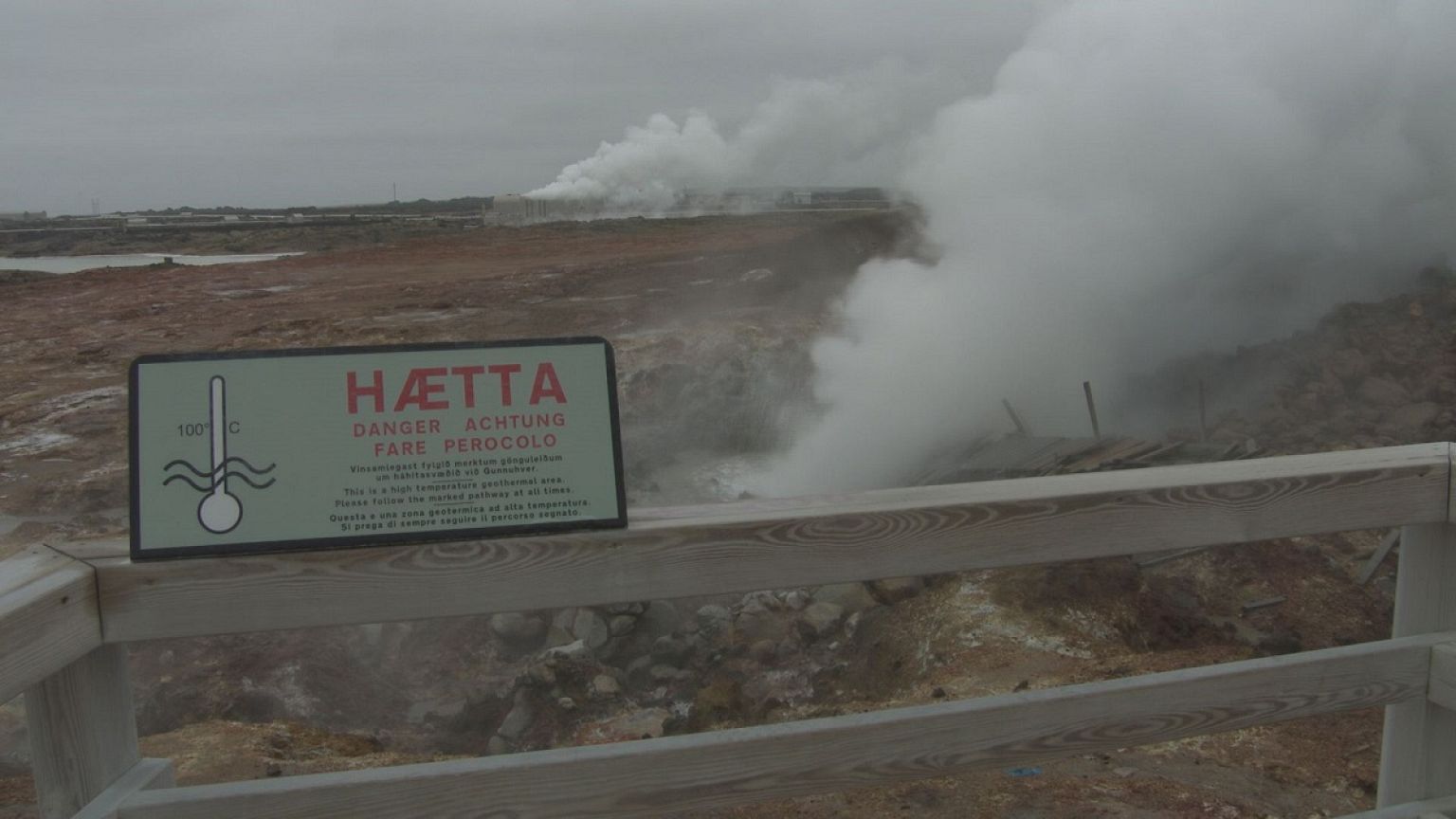
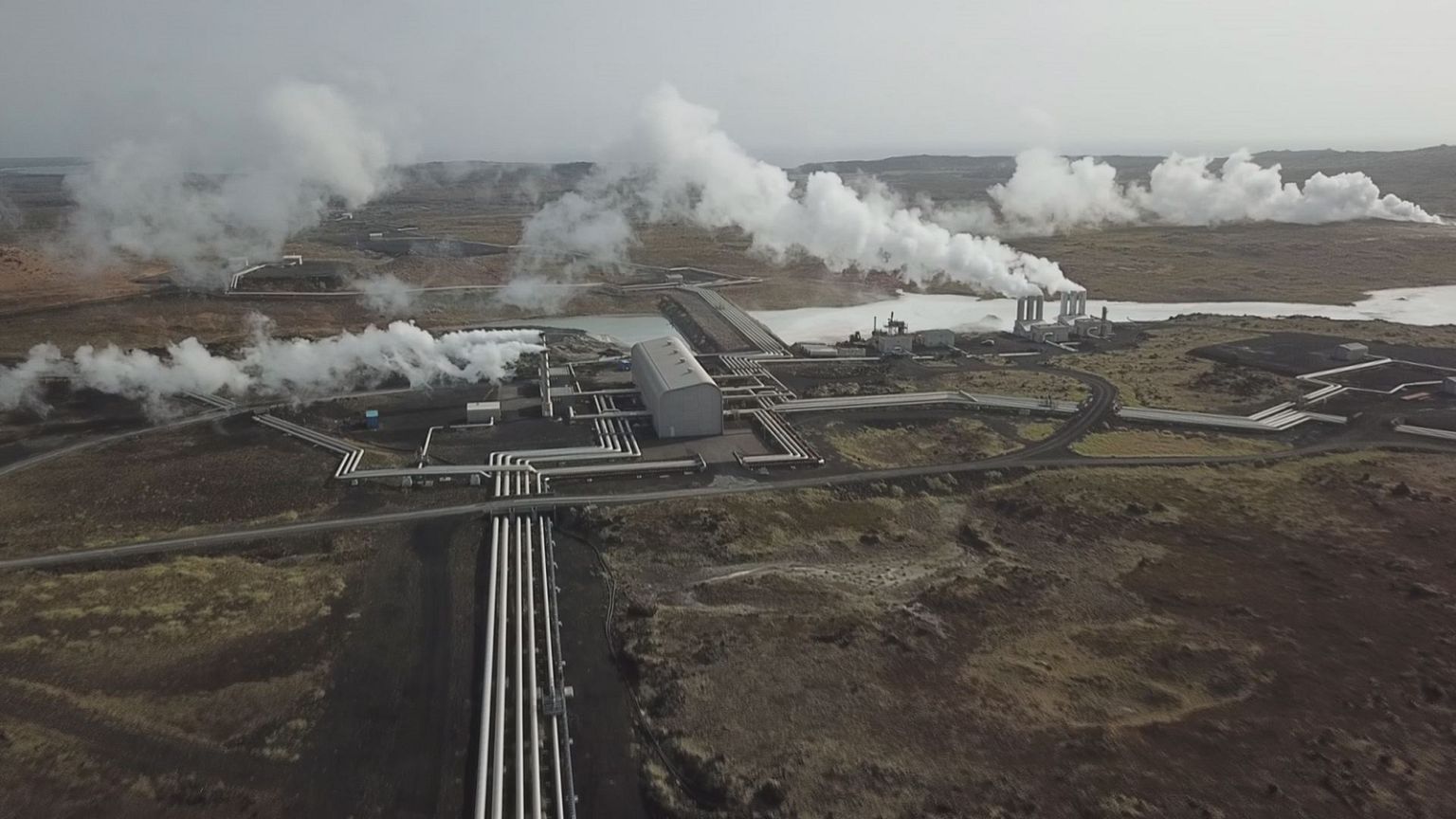
Safer and more resilient technology for expanding the use of geothermal energy in Europe is being developed and tested in Iceland. A particular challenge is developing more flexible casing for the much deeper geothermal facilities typically needed on mainland Europe.
An international team are building virtual twins on supercomputers to test reaction to major surgery before proceeding and also the treatment of serious illness. These digital doppelgängers will mirror everything from how your heart beats and your lungs work, right down to your personal DNA code.
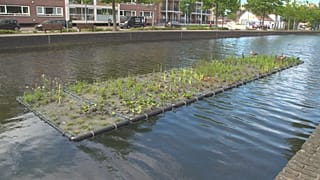
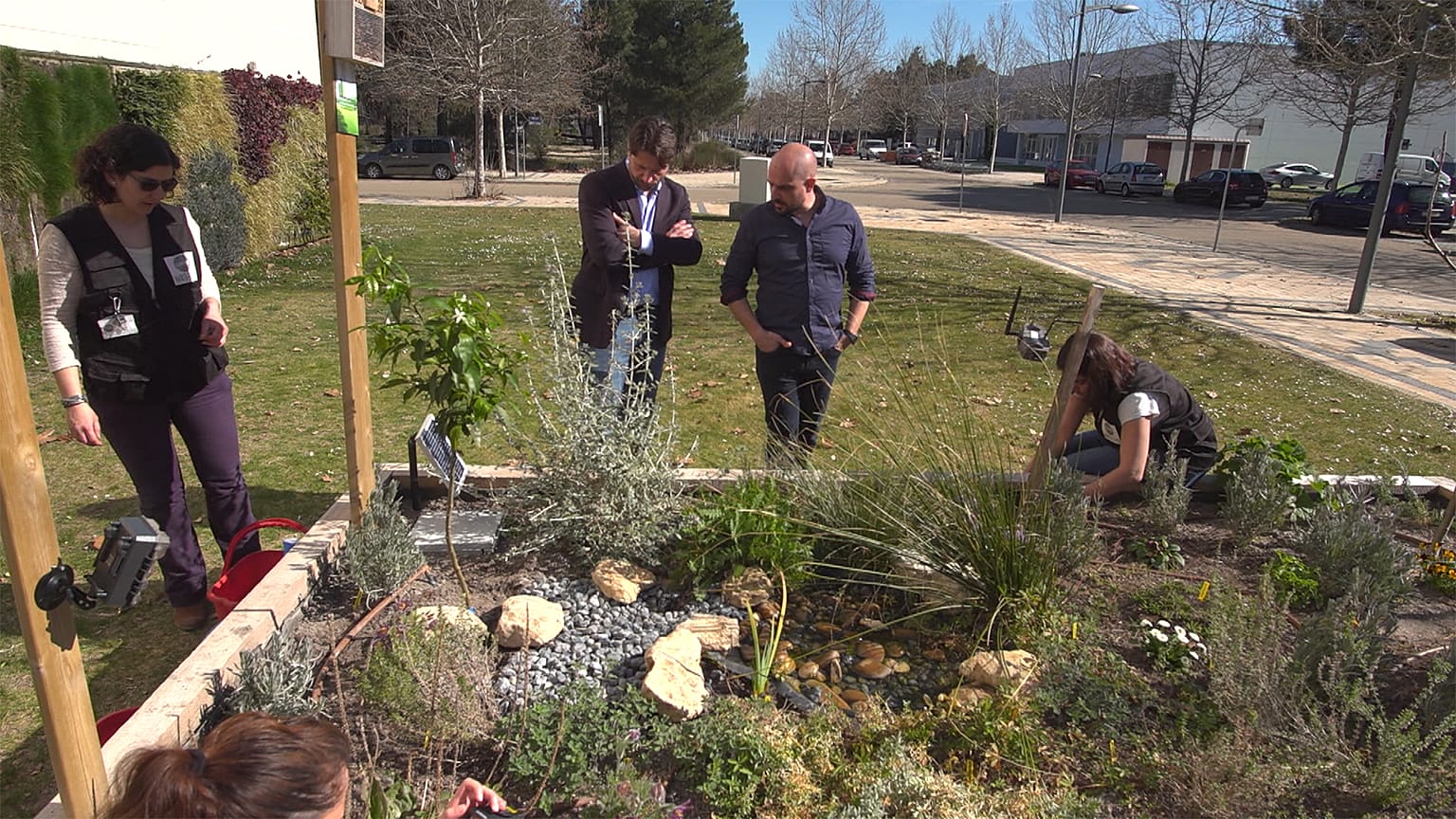
Eindhoven is one of a growing number of European cities using what are being termed Nature Based Solutions to improve urban climate and water resilience issues. Along with Tampere in Finland and Genoa in Italy, this southern Dutch city is at the forefront of the European UNaLab project.
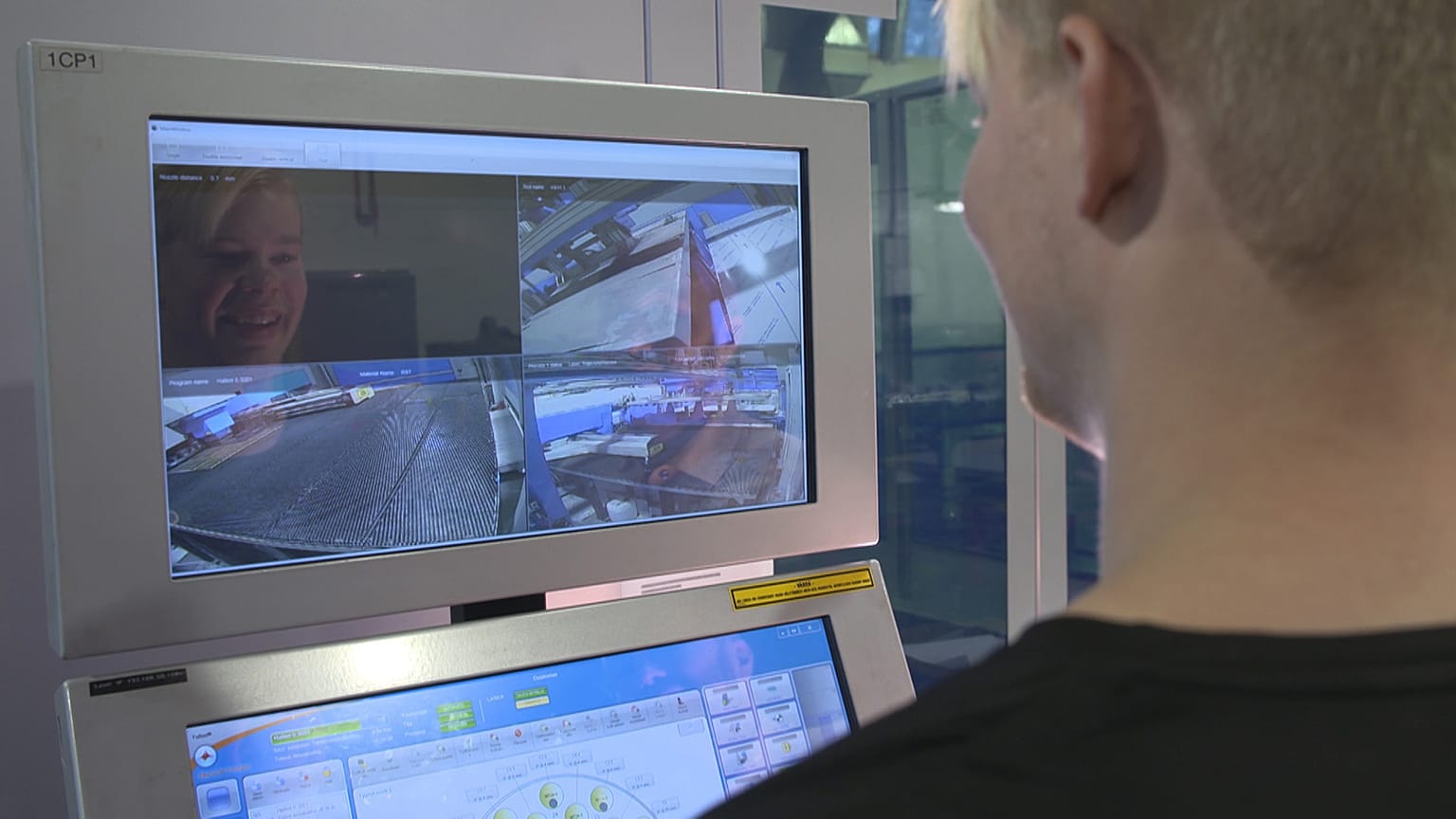
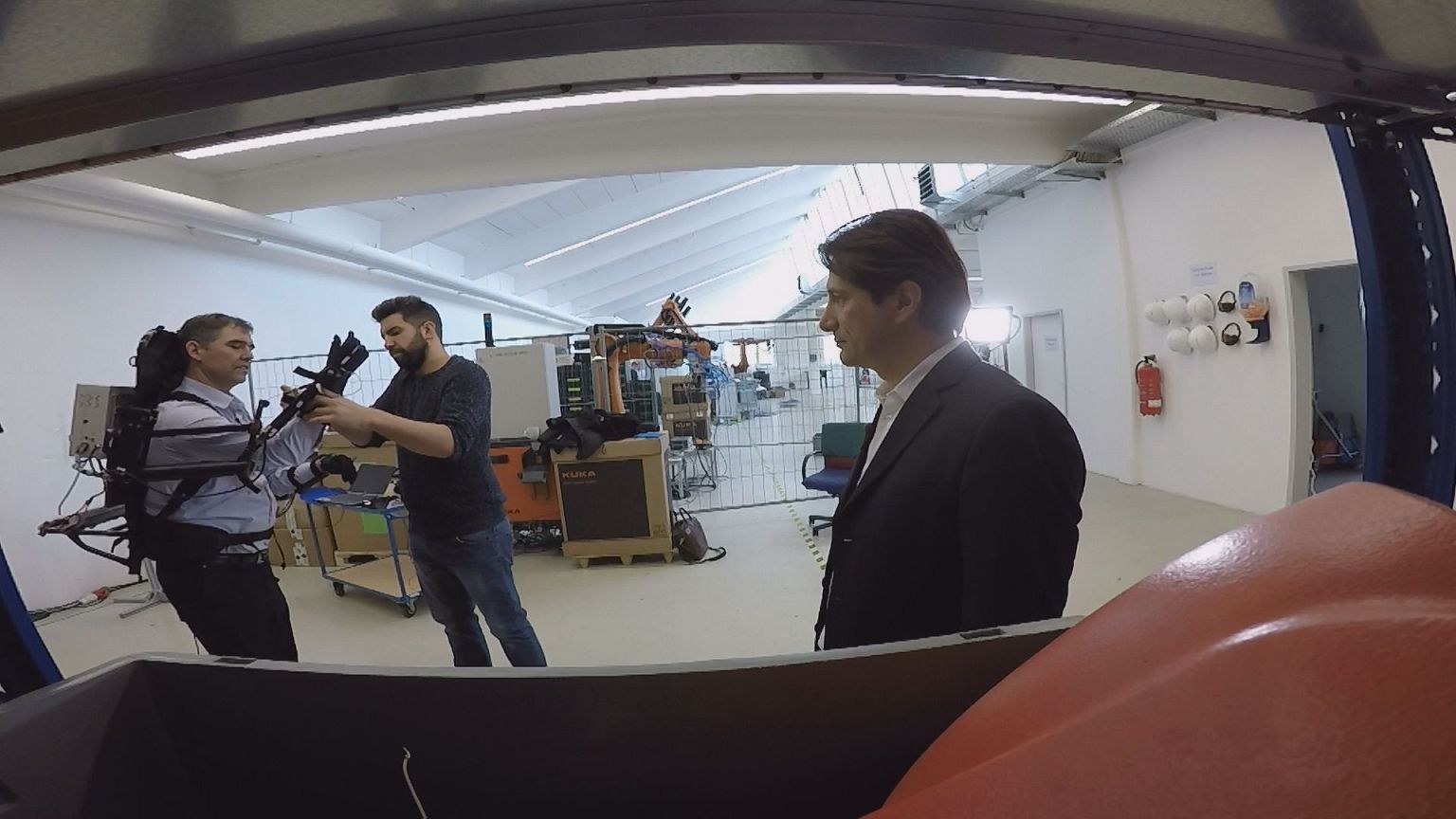
Futuris looks at how the relationship between man and machine in modern manufacturing is evolving through the adoption of Artificial Intelligence and automation.
Futuris investigates how scientists are treating respiratory disease with synthetic vaccines developed from bacteria. It's hoped the research could eventually help in the fight against COVID-19.
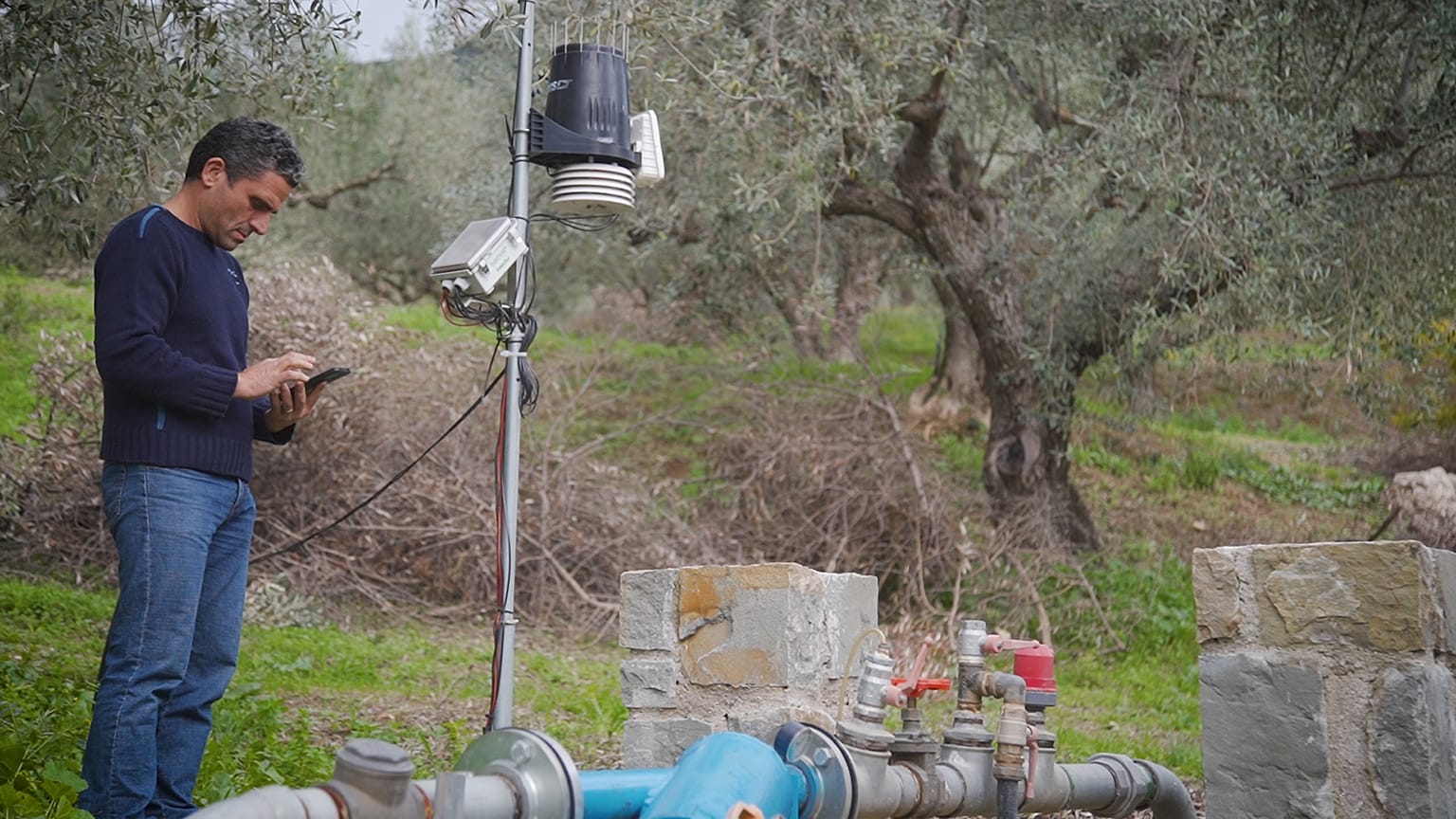
Precision Farming - or Smart Farming - is aimed at better targeting of resources to the individual animal or crop to avoid waste and improve results and welfare. The sector is set to double by 2025.
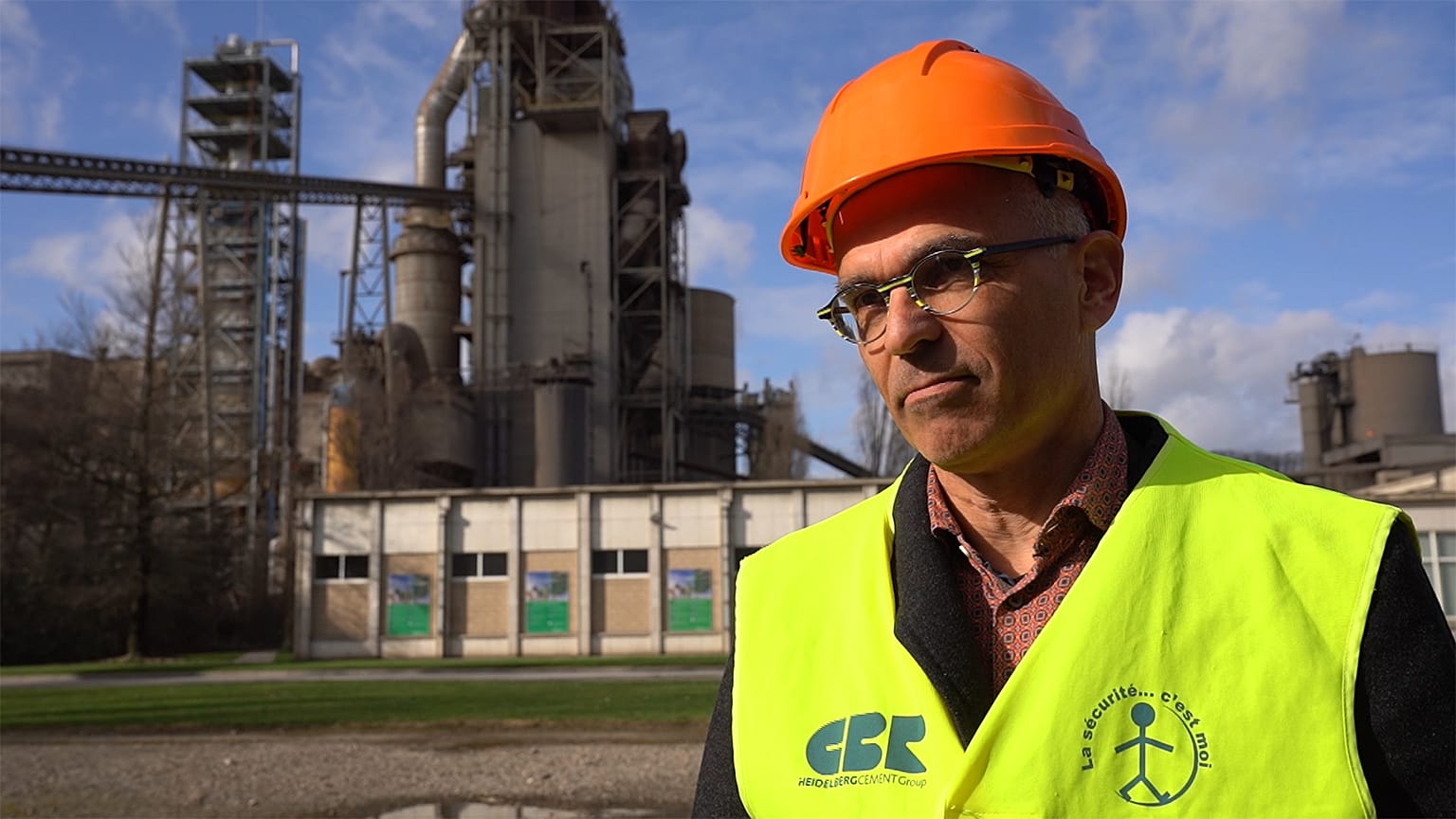
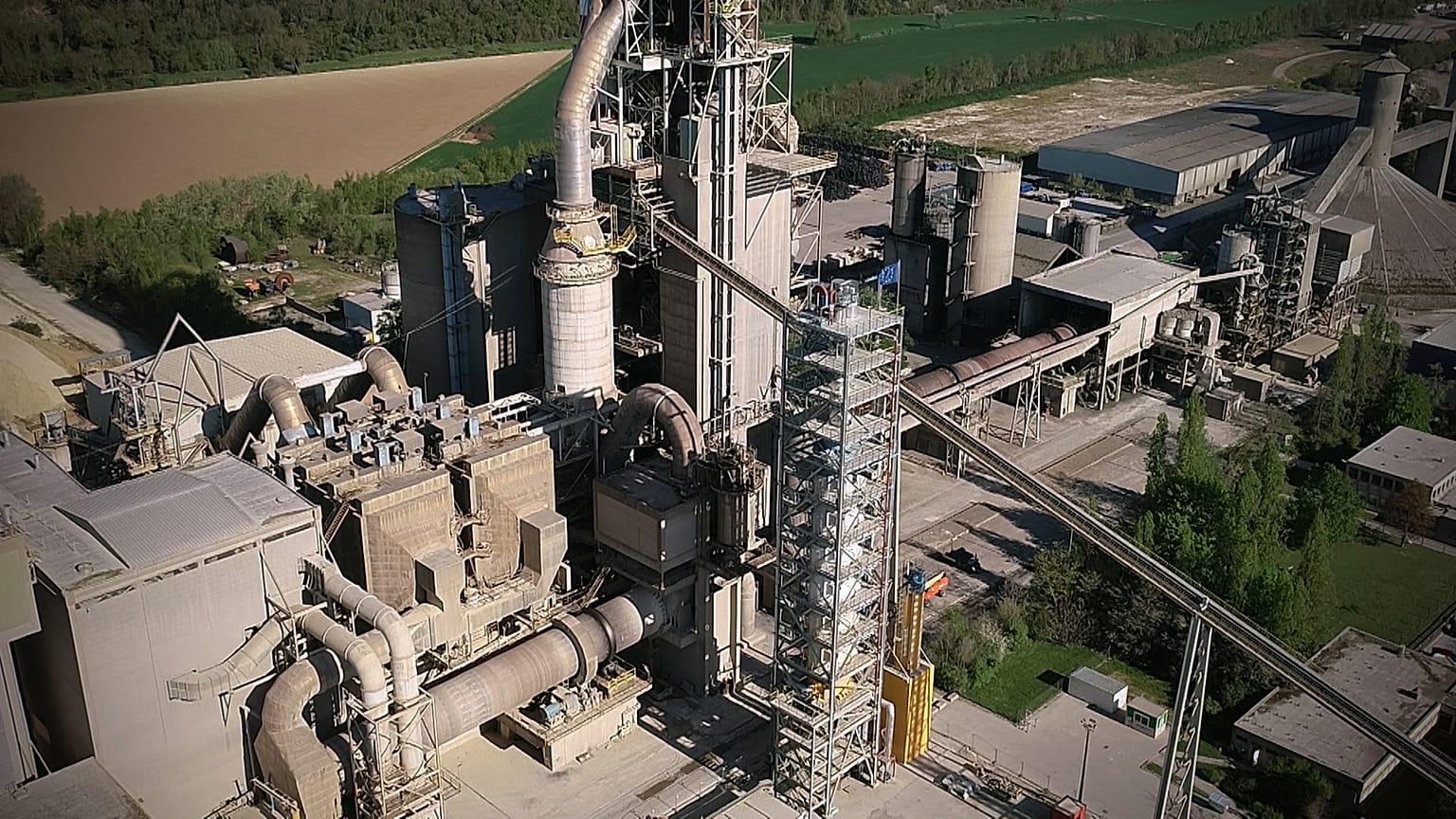
Researchers believe the technology behind a pilot reactor, that´s already able to absorb 5% of a cement factory's total carbon dioxide emissions, could contribute to reaching a target of 80% reduction in carbon dioxide emissions in Europe by 2050.
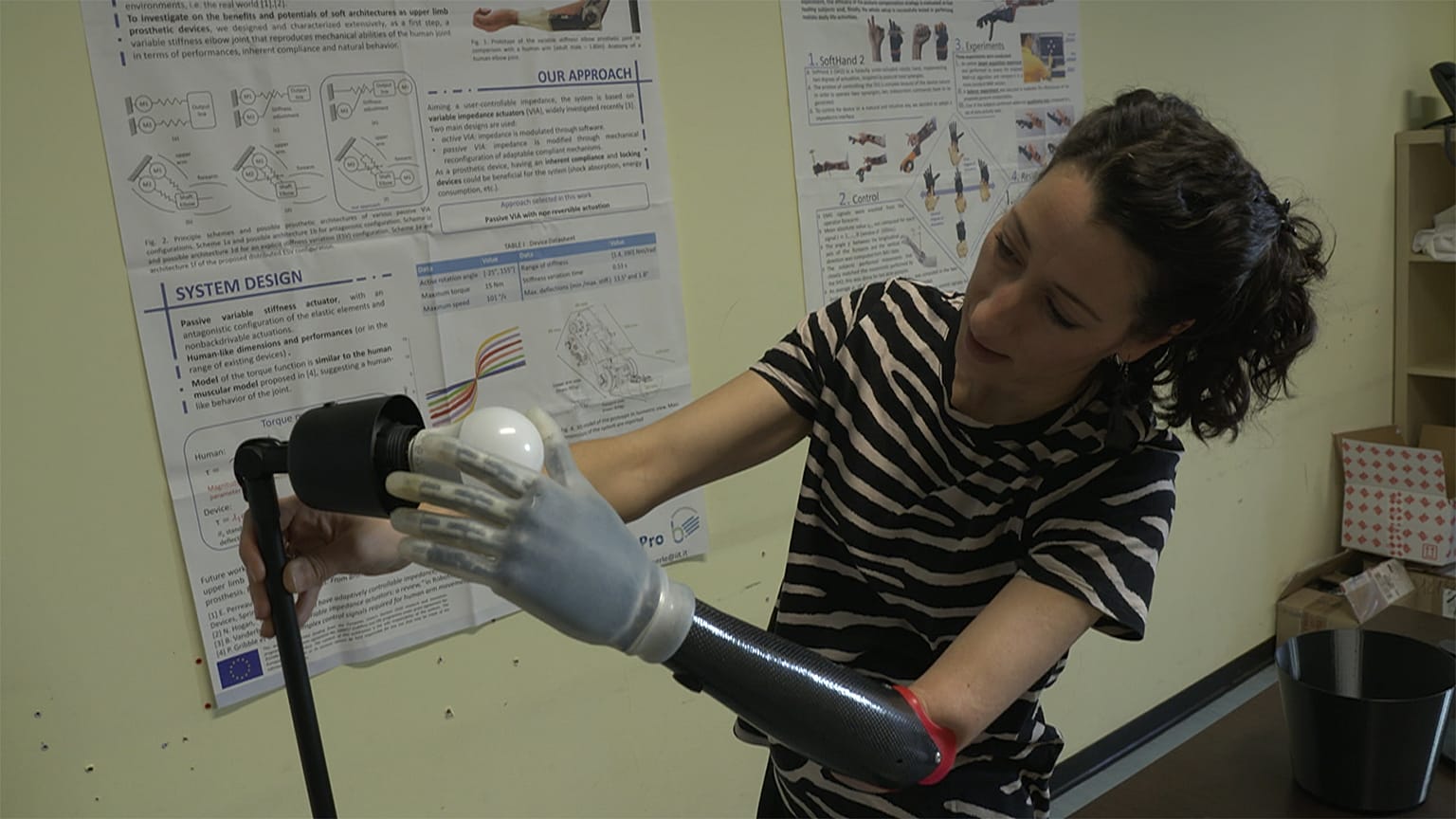
Engineers and researchers working in tandem have developped a robotic prosthetic that closely imitates the 'natural architecture' and synergy of the hand.
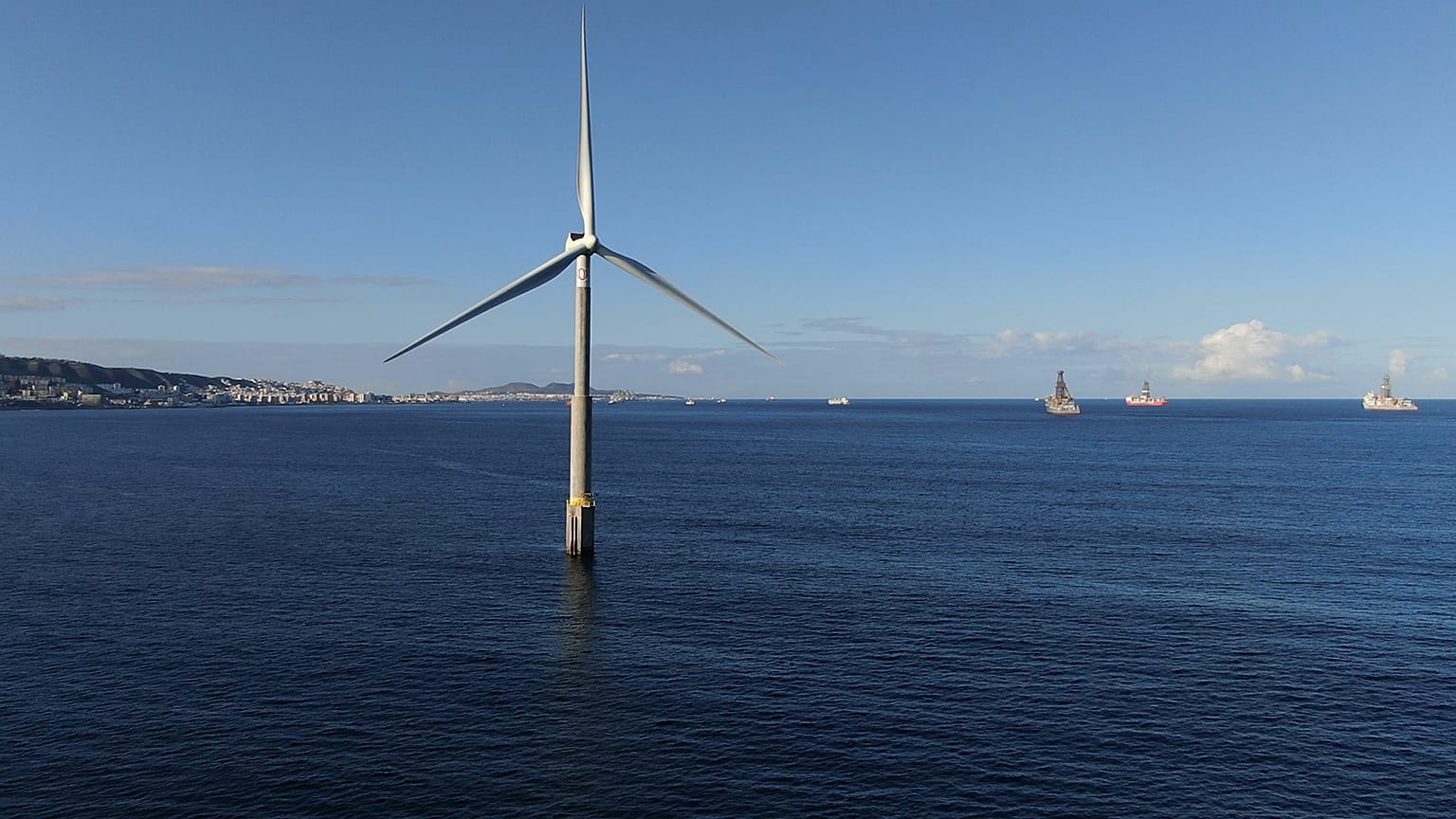
New telescopic windturbines have been designed by Spanish engineers to be built in a quicker and more cost-efficient way, in the hope of contributing to greener energy.
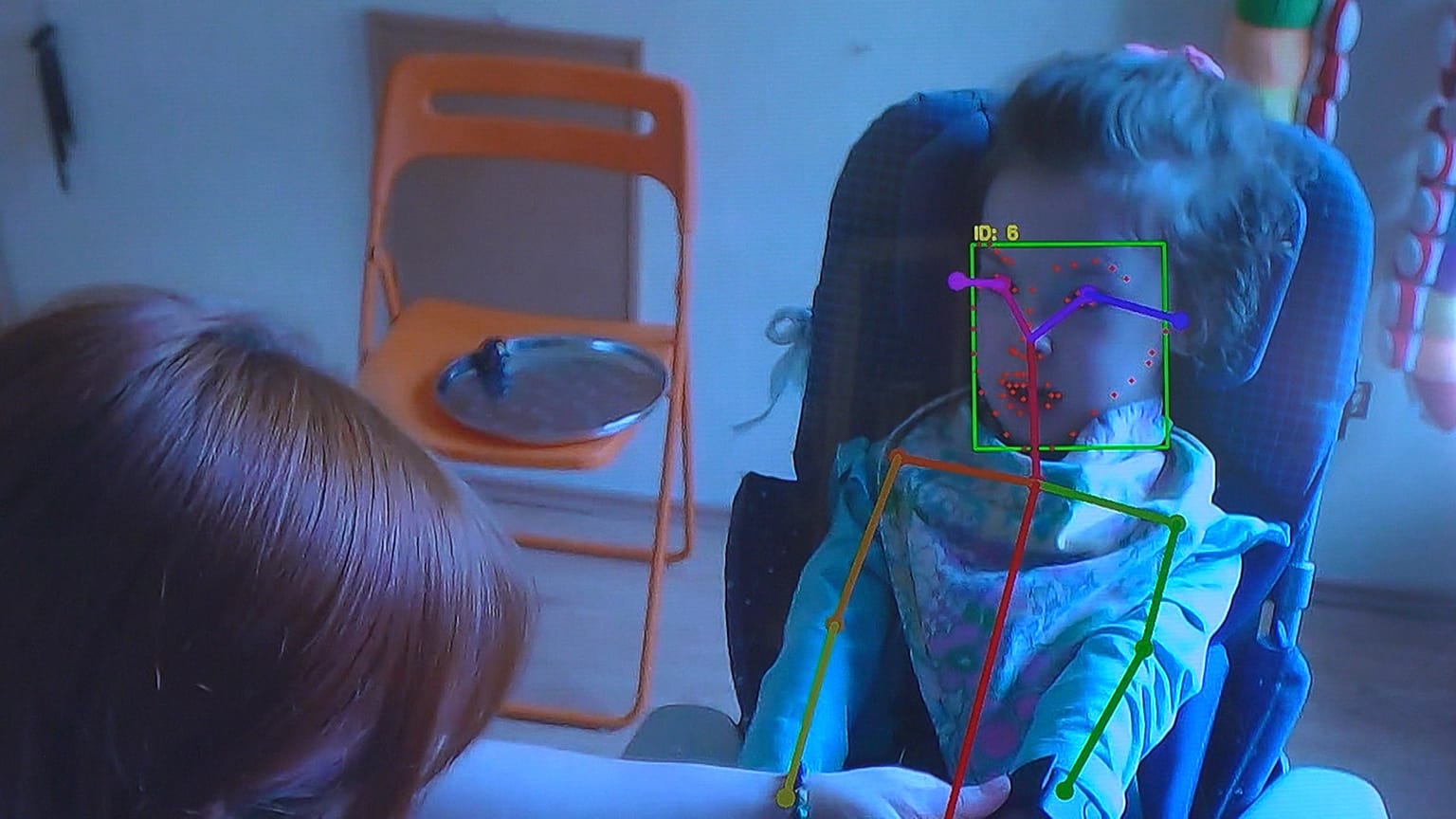
The innovation project 'Insension' is being developed to give people with profound intellectual and multiple disabilities (PIMD) a new way of communicating.
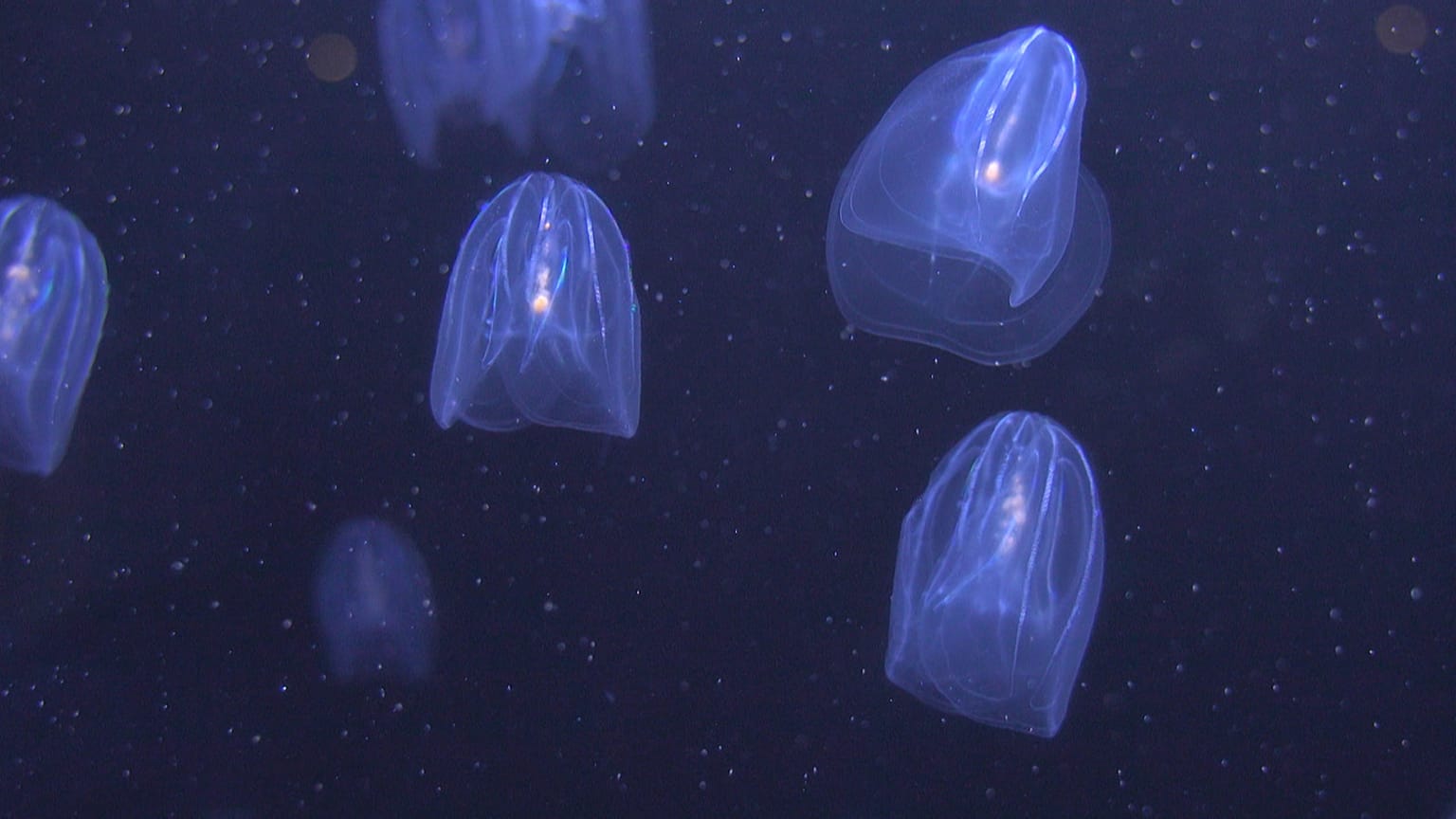
Researchers in Slovenia believe they can take advantage of the proliferation of jellyfish in European seas by using their mucus to trap microplastic particles and help clean up the oceans
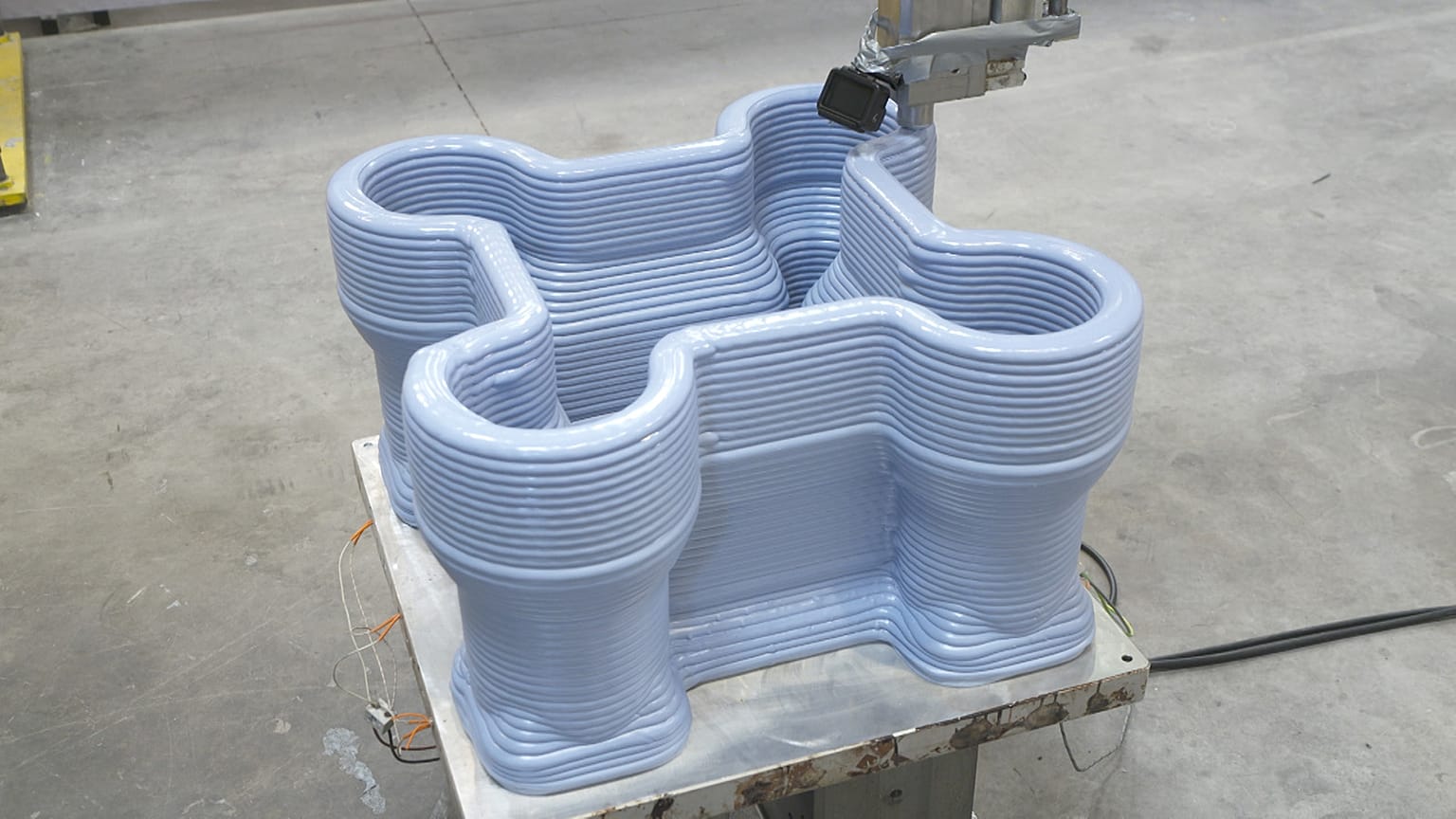
Scientists at the Kraken project in Zaragoza, Spain, are hoping the 3D printer robots can improve the competitiveness of European automotive, aeronautical and construction industries.
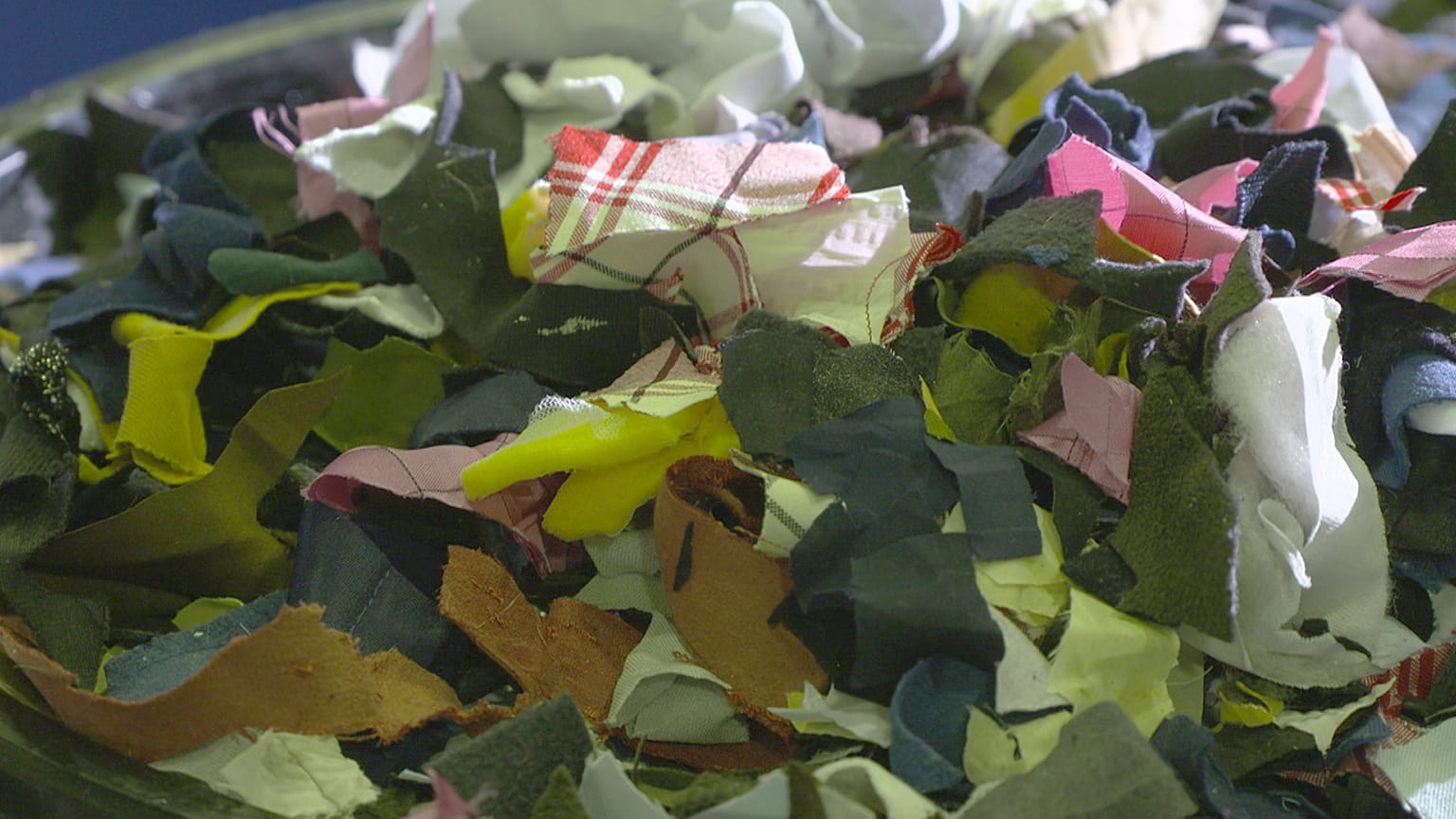
What are your used clothes worth? Plenty, say EU researchers, who are turning discarded textiles into materials such as glucose, glycol or acids that can be used in the biochemical industry.
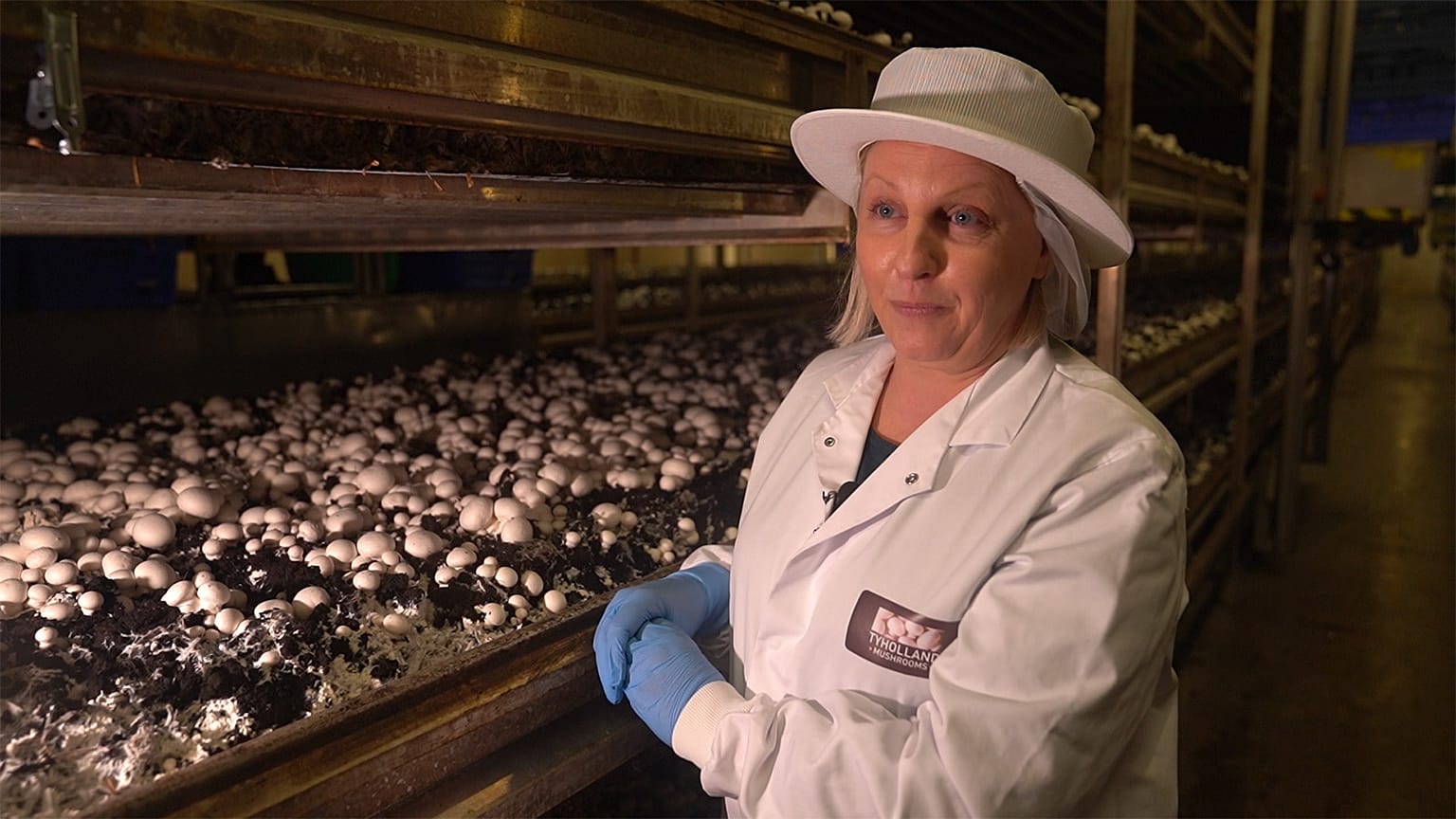
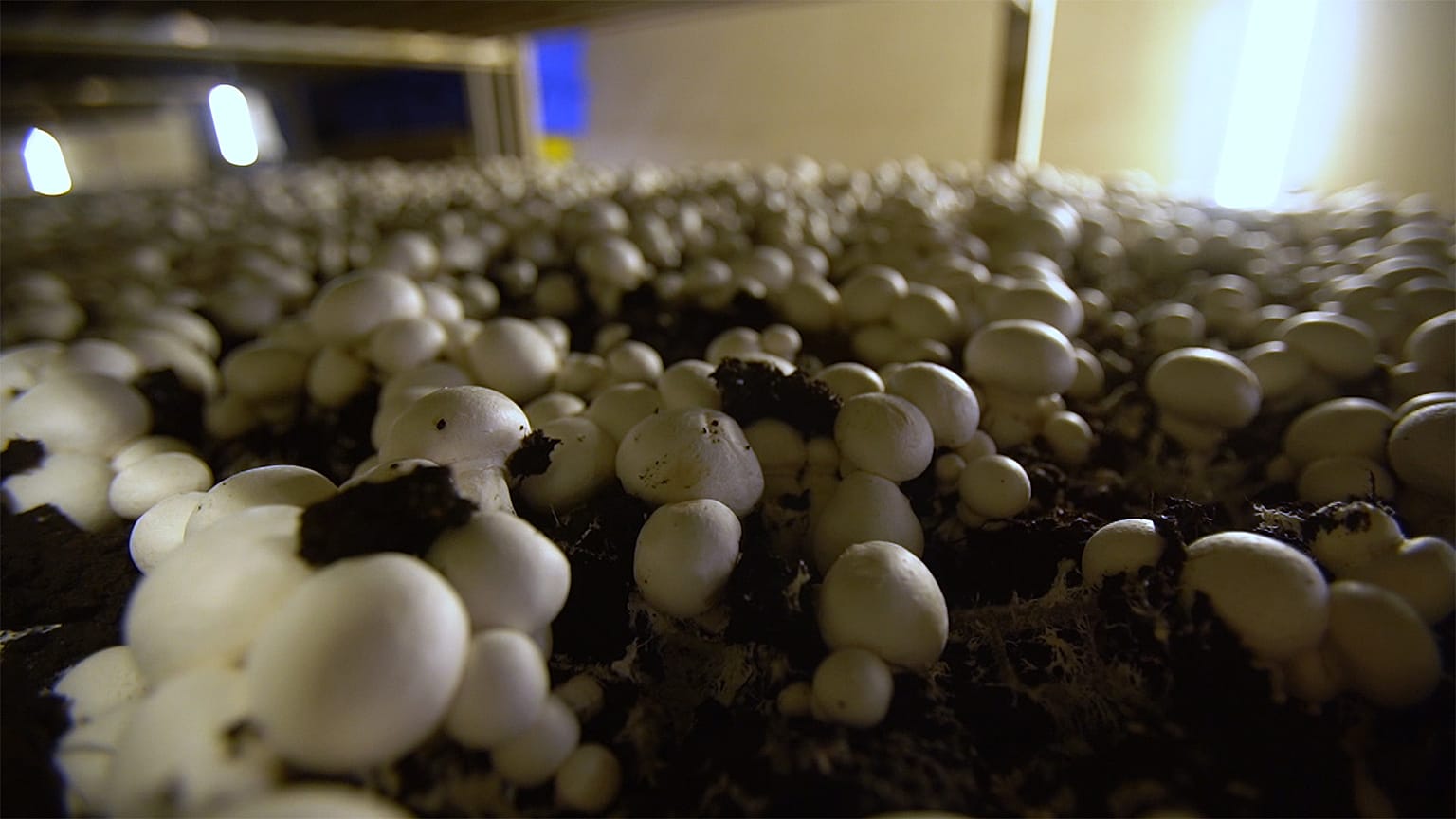
Getting rid of mushroom compost has become a major logistic and economic challenge for growers, one that is now the focus of a European research project.
As the fourth industrial revolution becomes a reality, advanced workplaces are replacing traditional production lines, and the relationship between man and machine is taking a leap forward.
It's hoped the vessel will pave the way to achieving carbon neutrality and the full electrification required by the international maritime authorities.
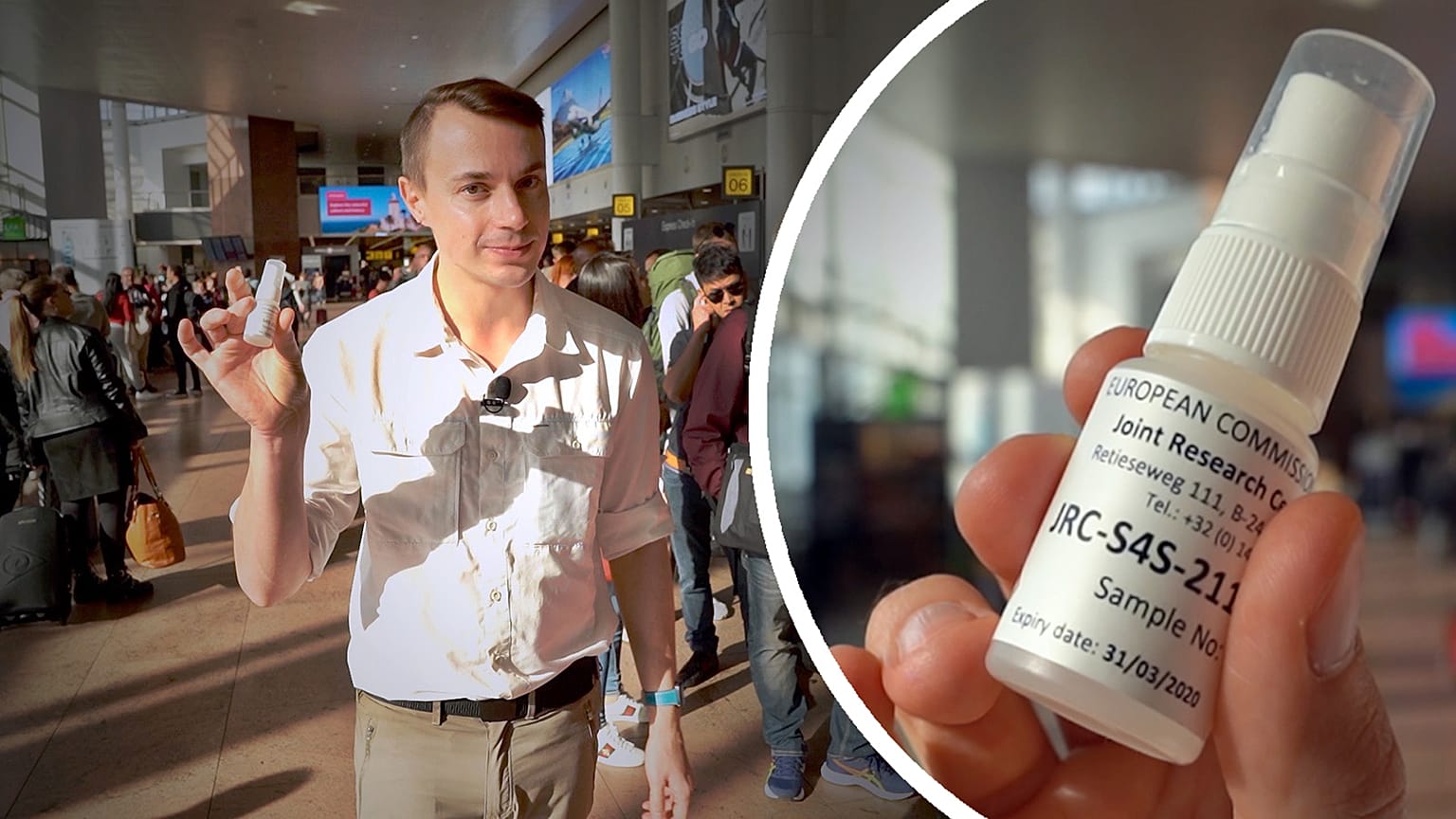
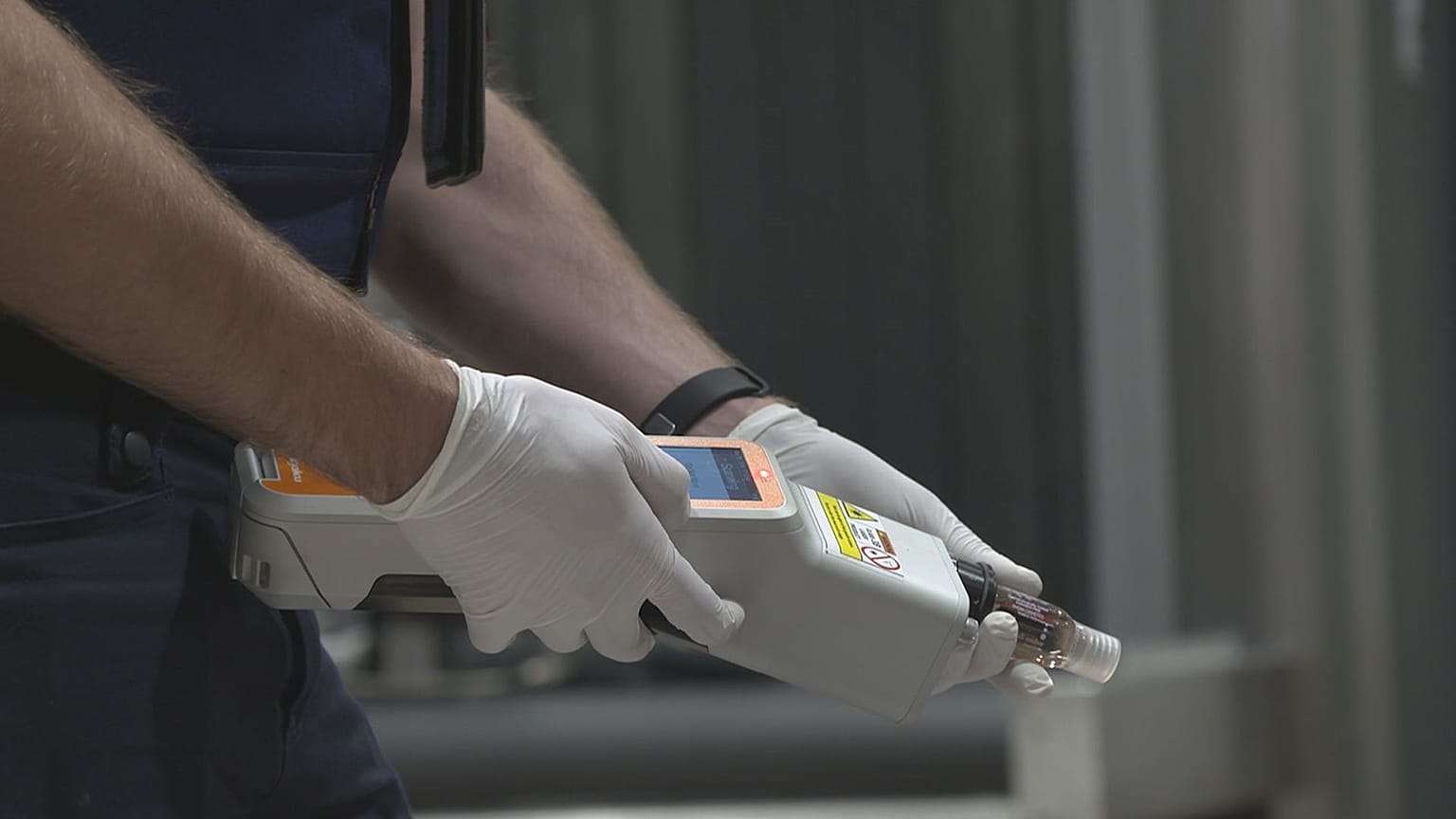
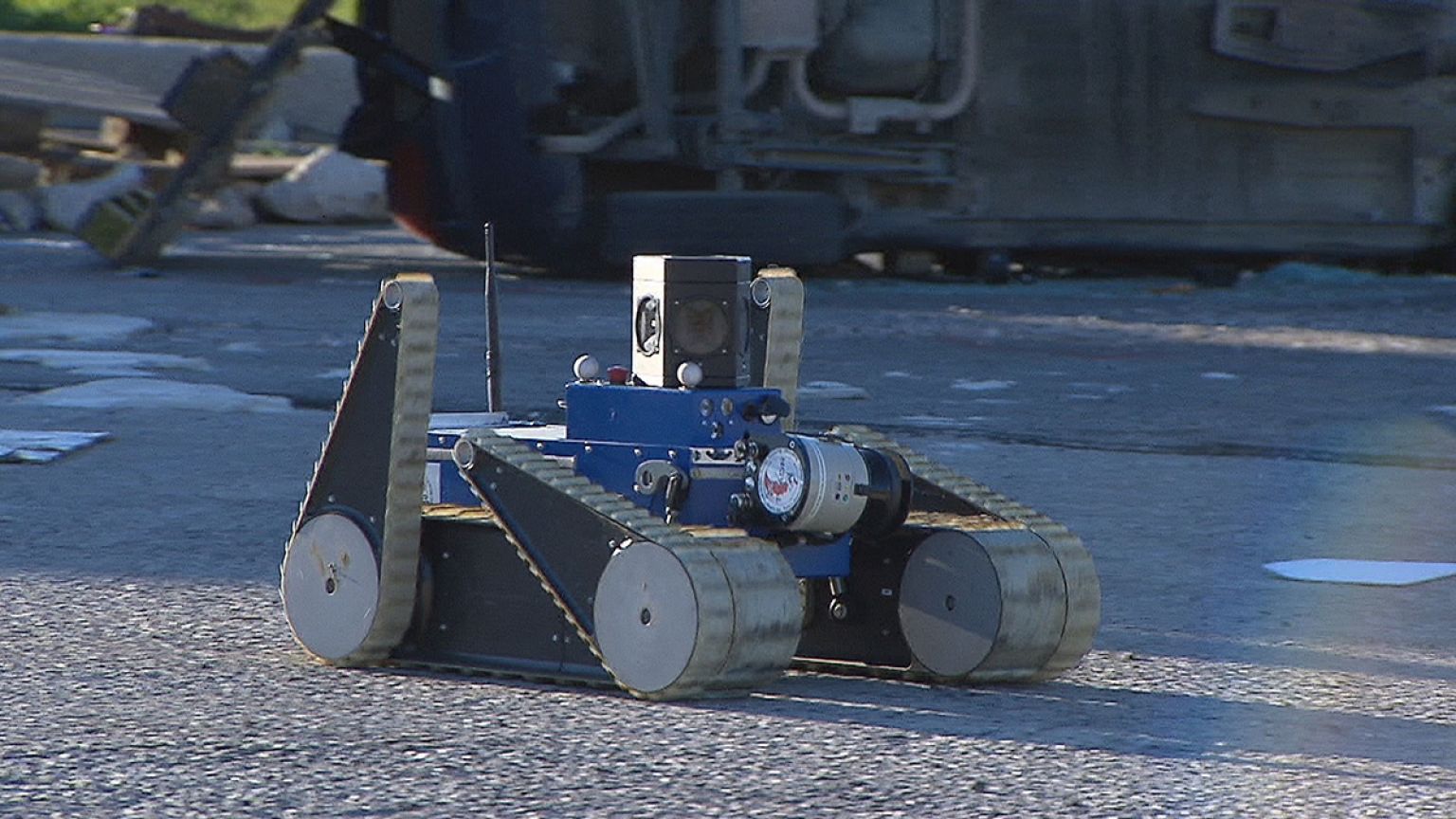
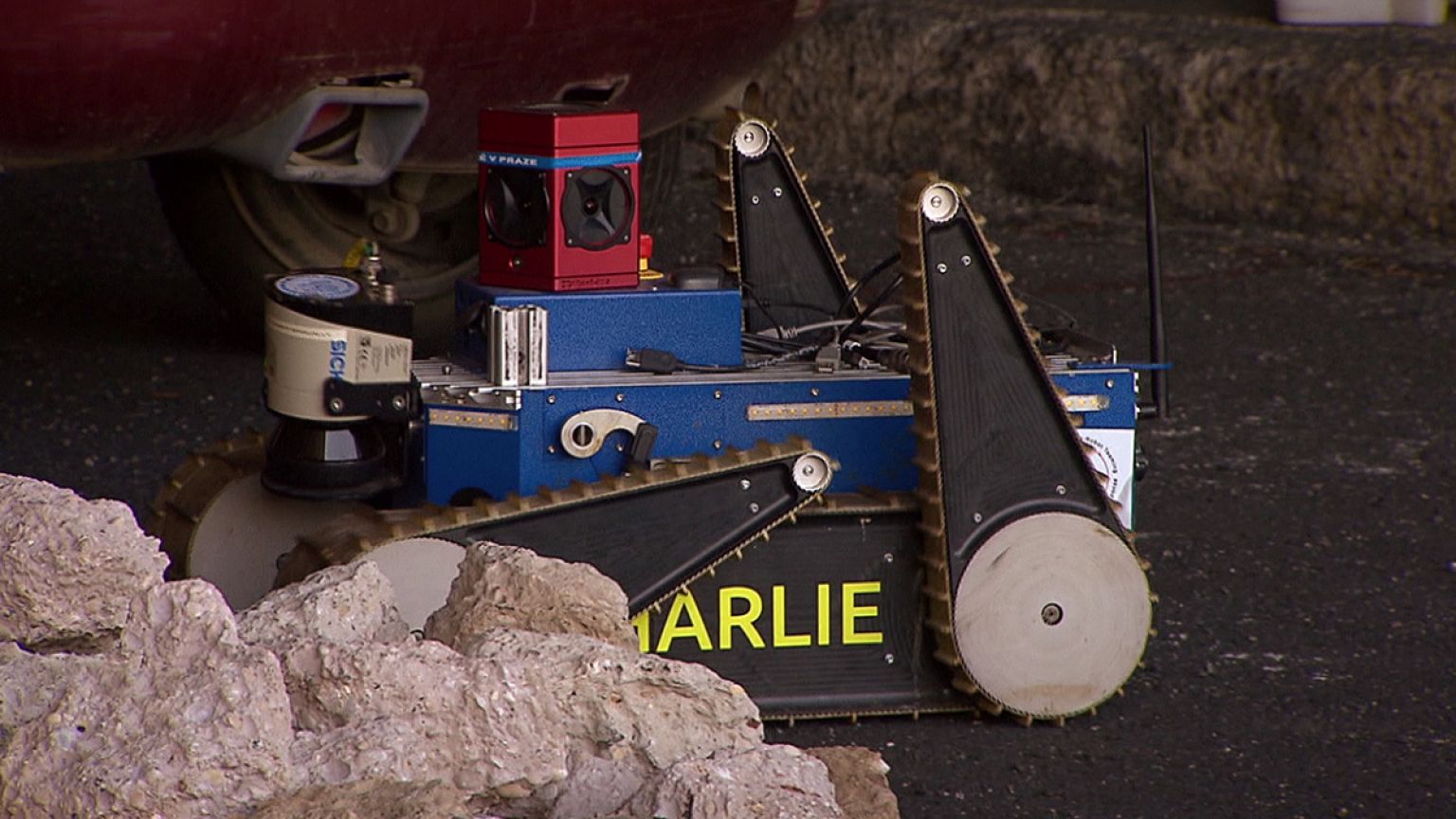
Explosives training has always been a dangerous undertaking for security workers, but a special substance is designed to make officials and passengers safe
5,000 years ago, ancient Egyptians cultivated the chicory plants which are not only beautiful but health boosting. And even today, the plant’s healing qualities are still revealing themselves.
Increasing agricultural production, living in more environmentally friendly buildings and on a more human scale are the goals of various technology projects in Serbia and Slovenia.
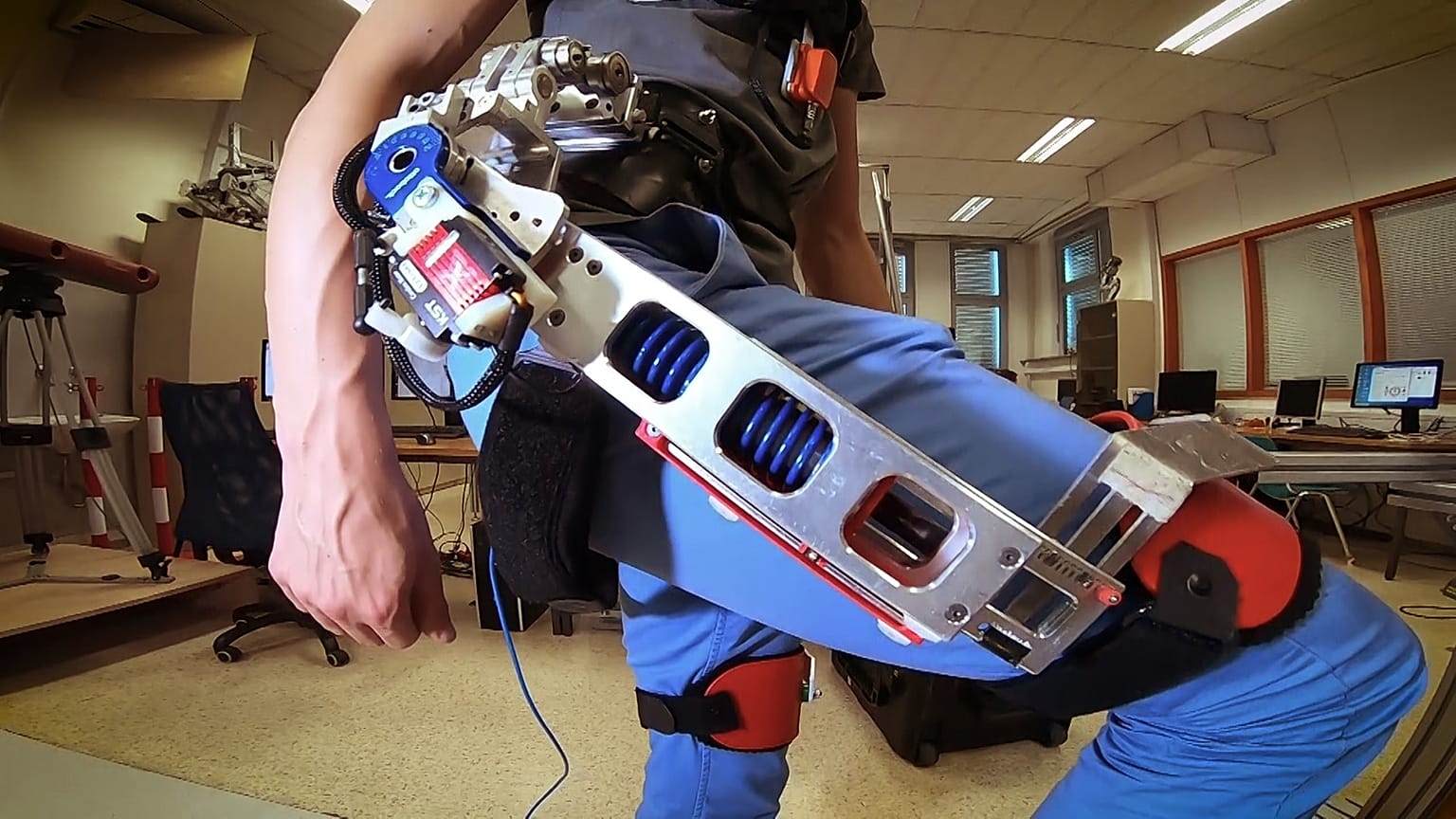
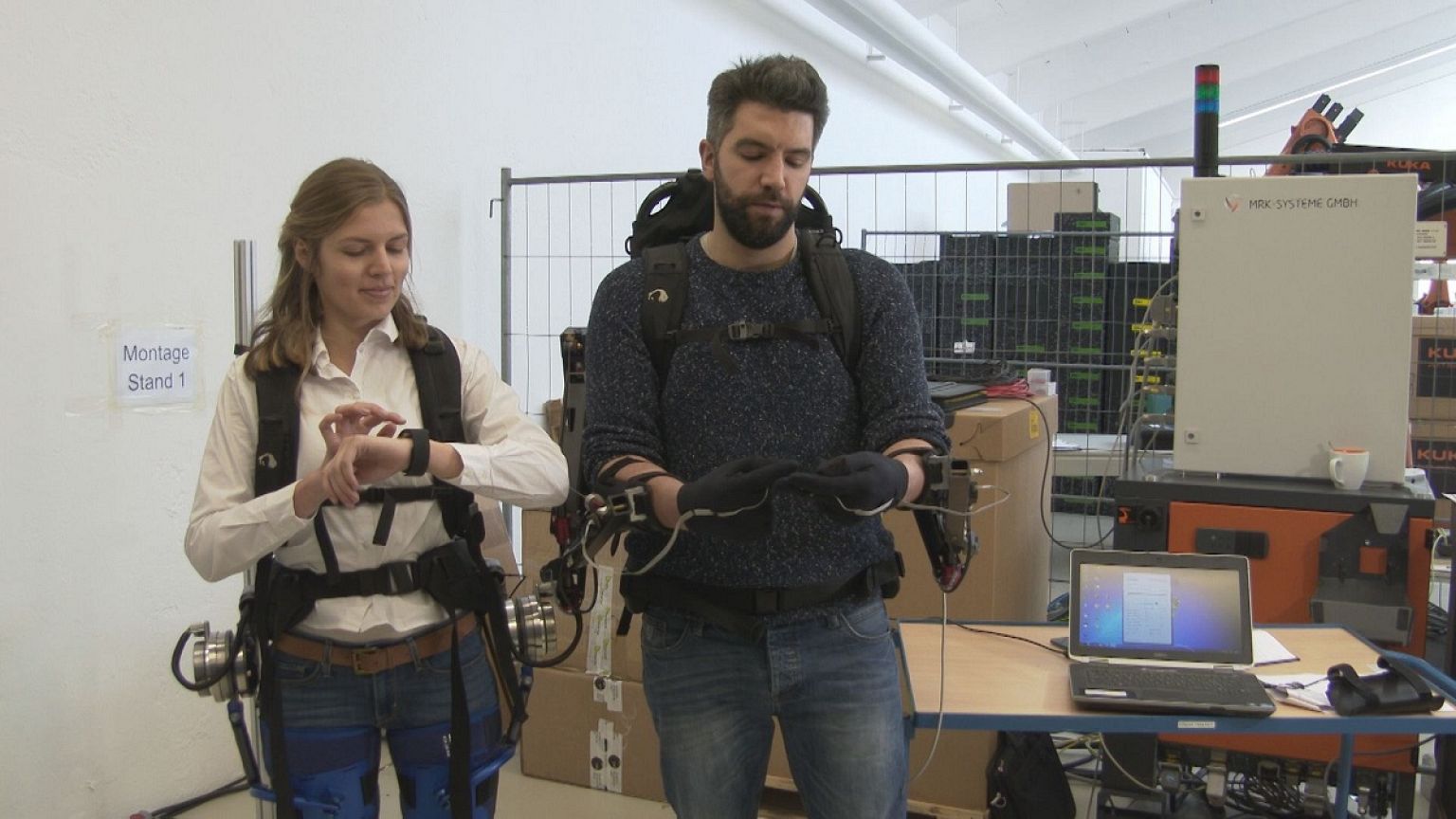
A gentle push on the knees, a subtle lift on the chest - that's the recipe to relieve low back pain applied by EU researchers developing a new exoskeleton. We put it to the test in a real-life factory.
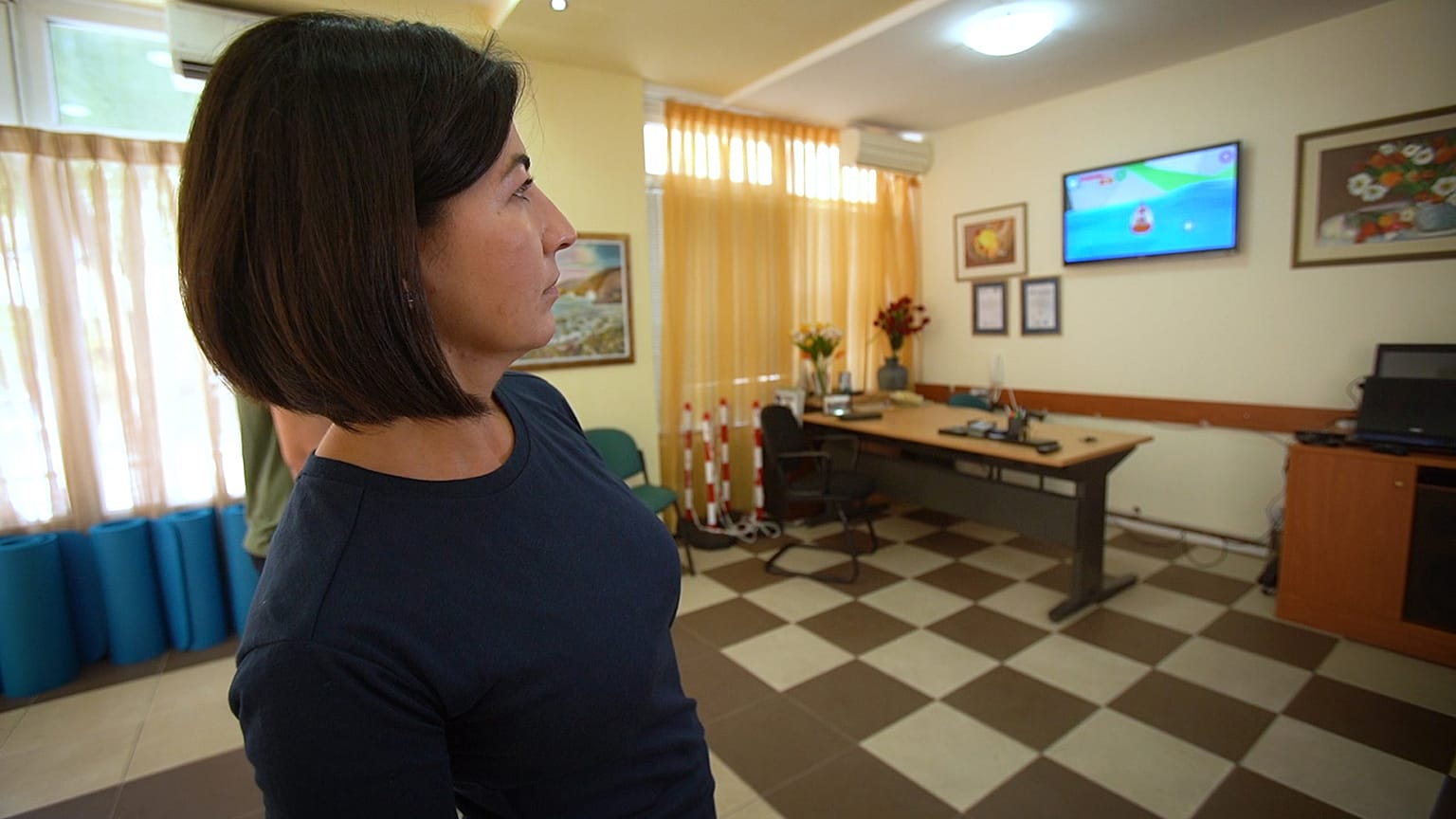
In our latest episode of Futuris, we see if apps and video games help in the treatment and early diagnosis of Parkinson's Disease? In Northern Greece, one patients´ association has teamed up with researchers to find out.
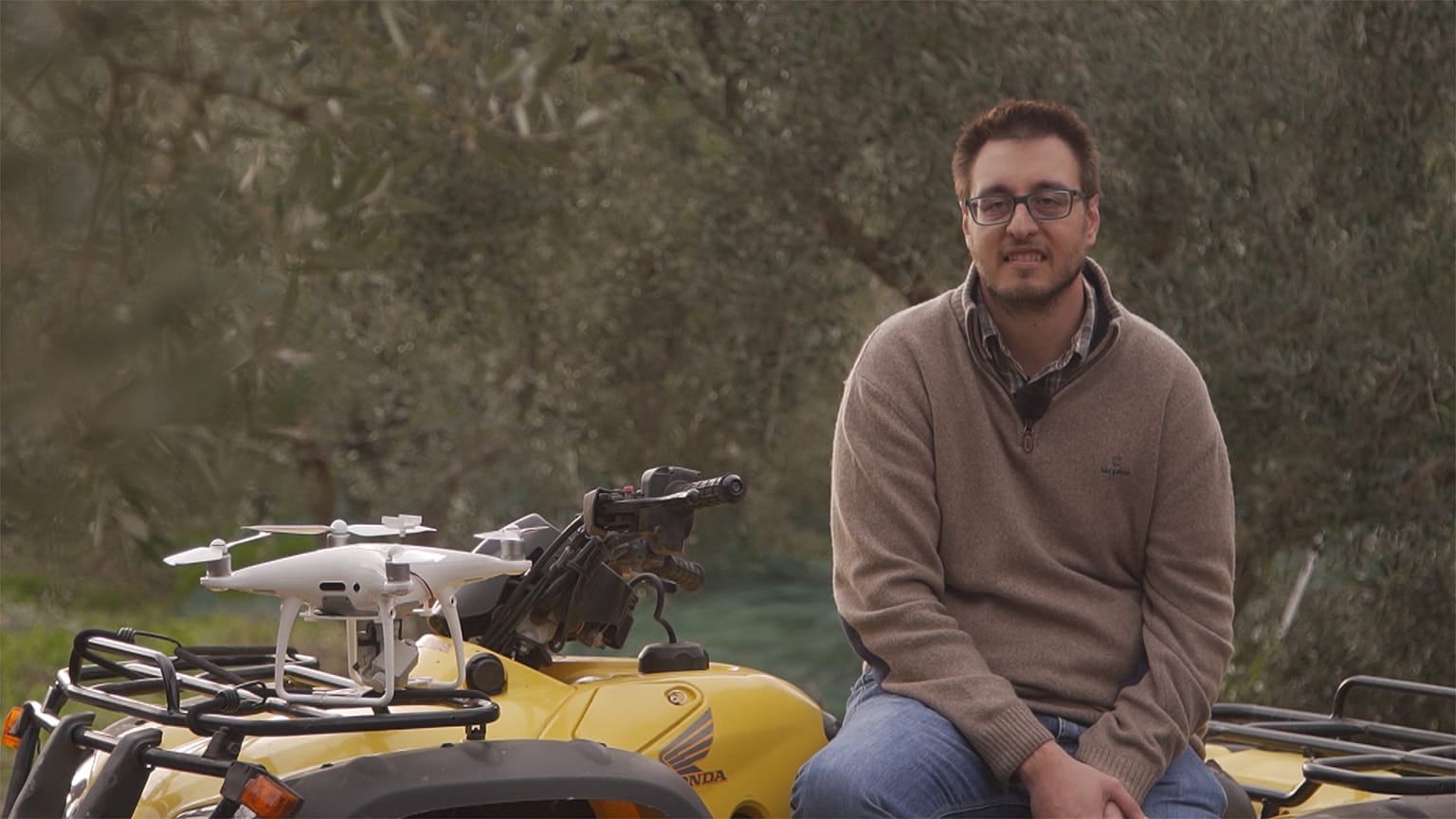
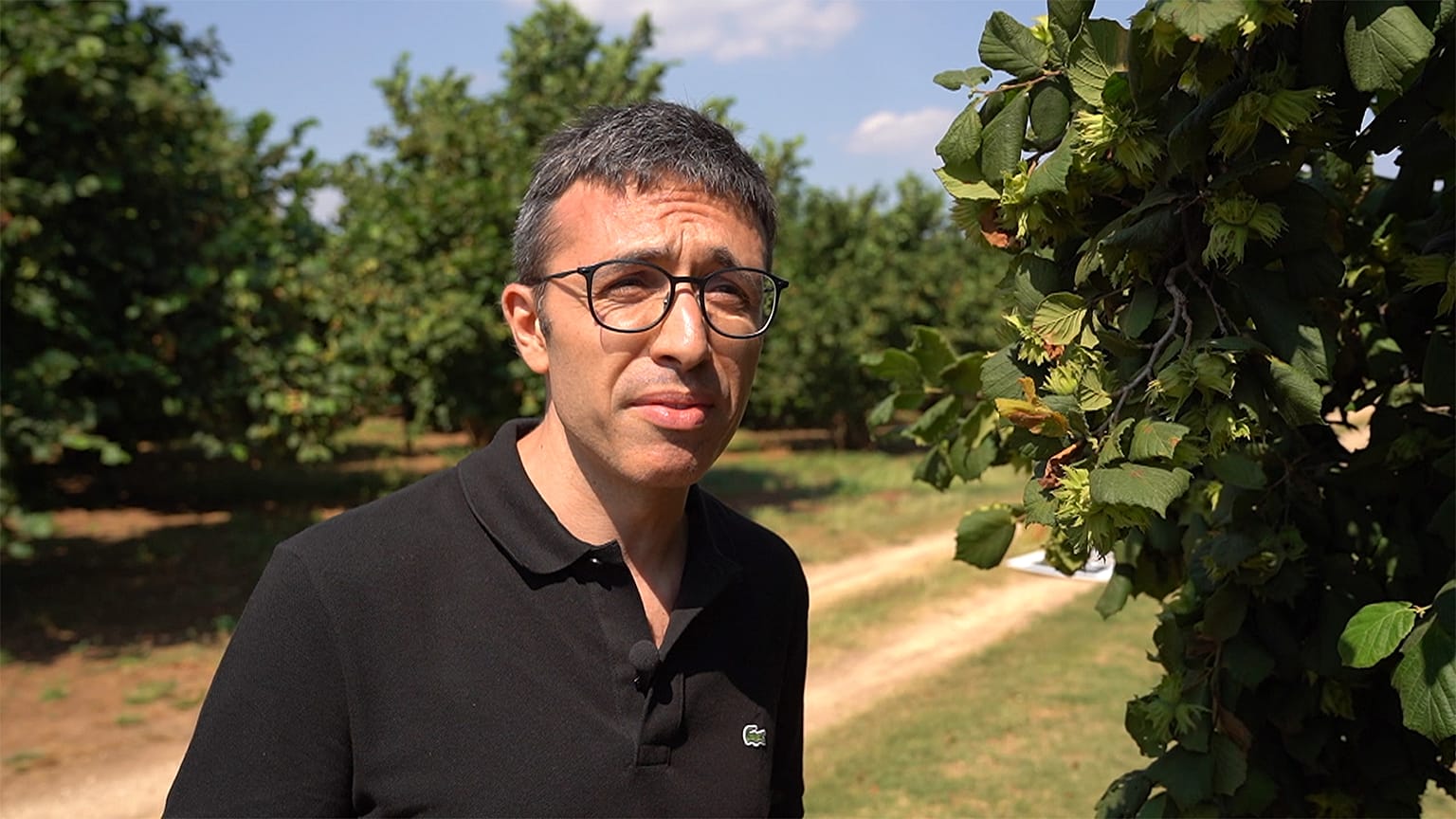
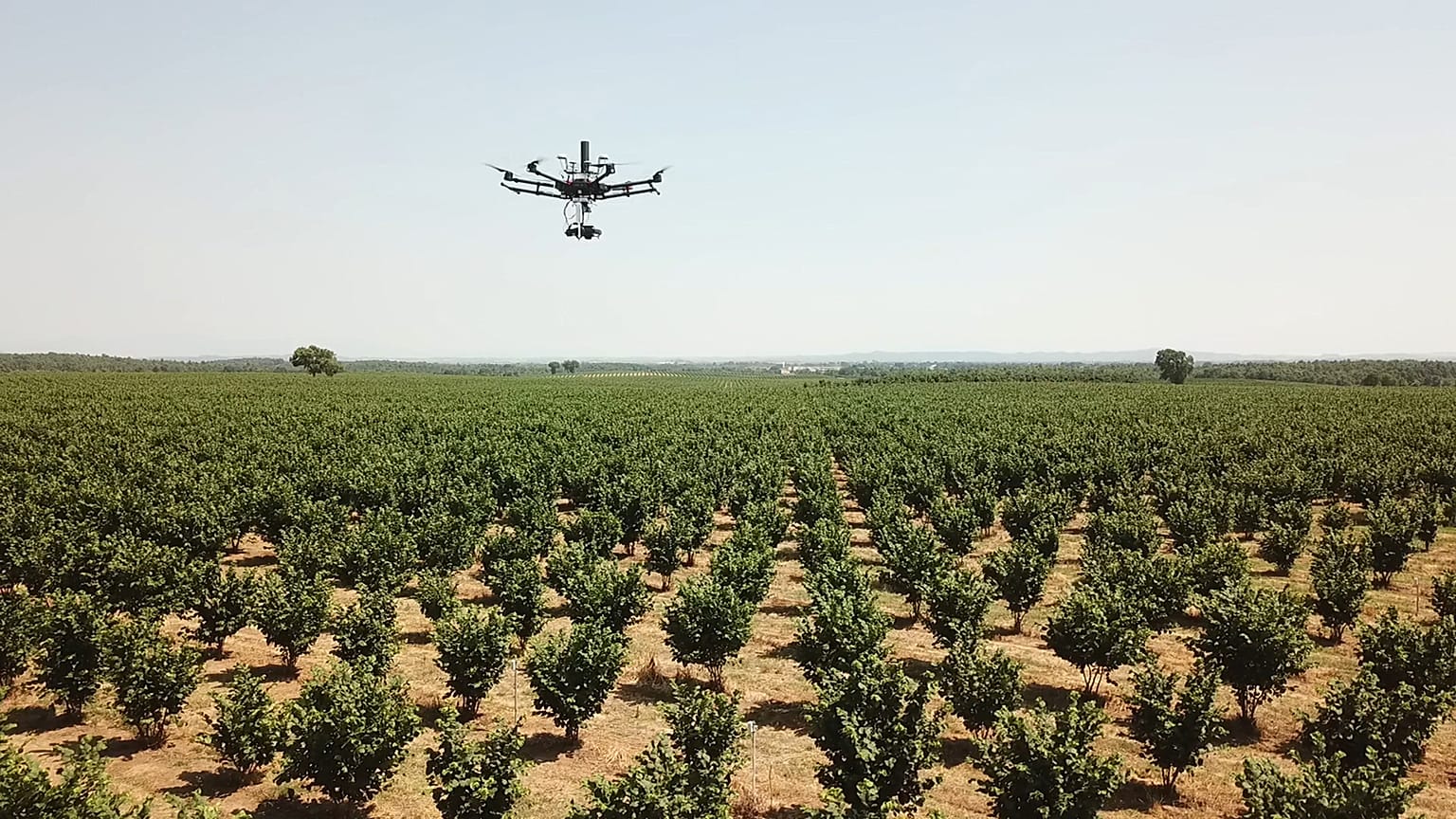
On this week's episode of Futuris, Euronews visits a hazelnut orchard in Italy to see how the new generation of robots can help farmers and agronomists make agriculture cheaper and more environmentally friendly.
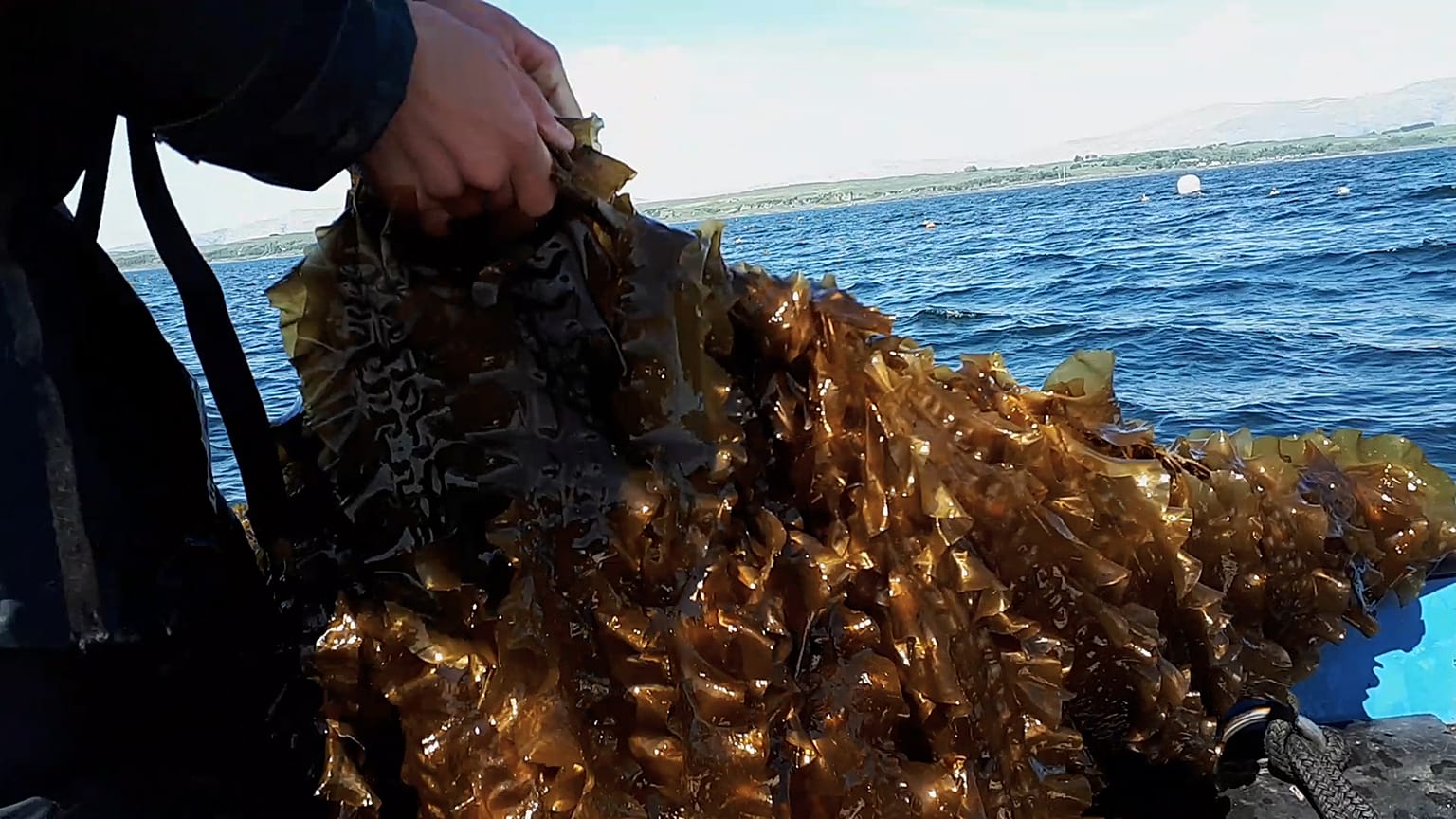
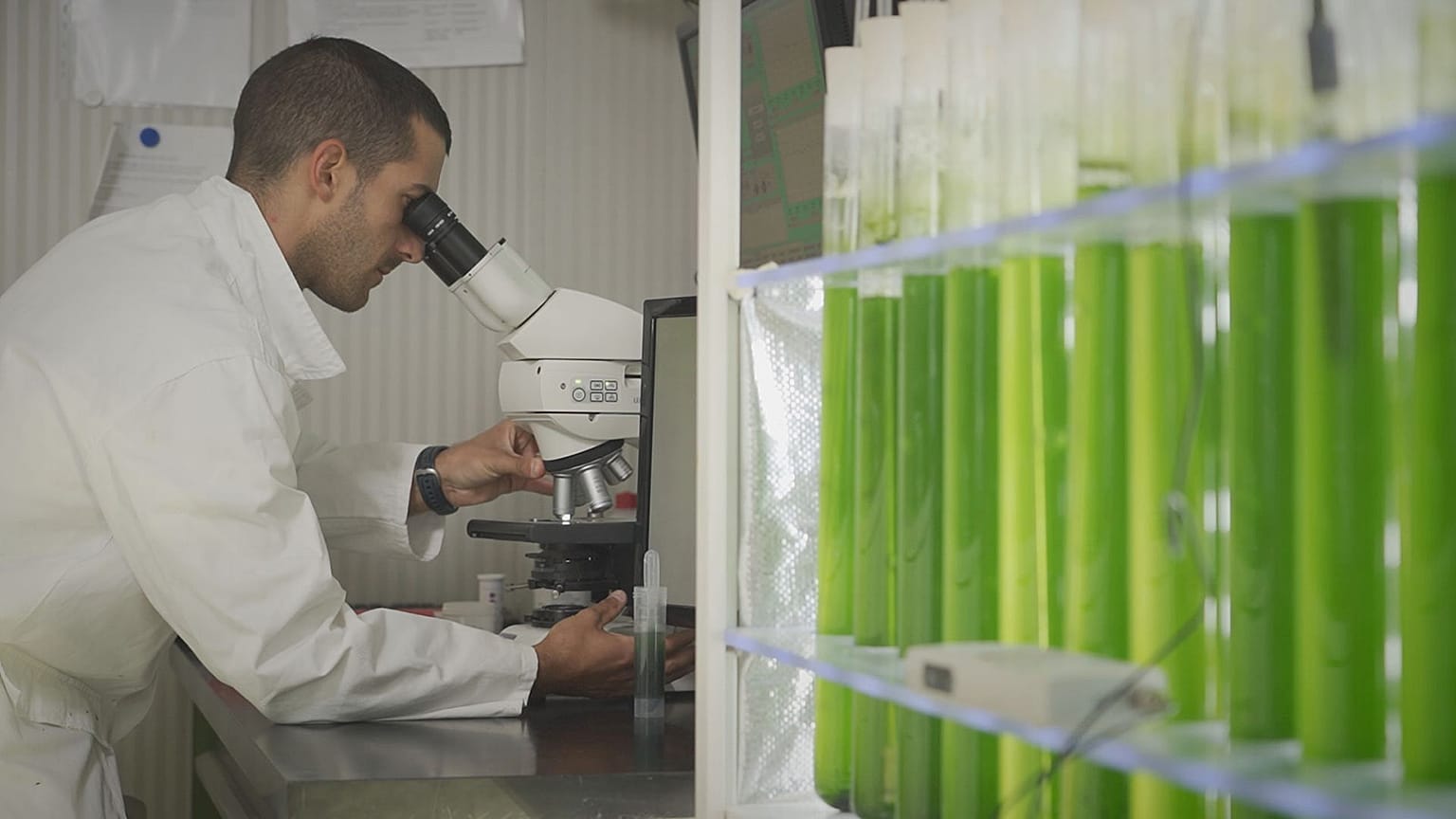
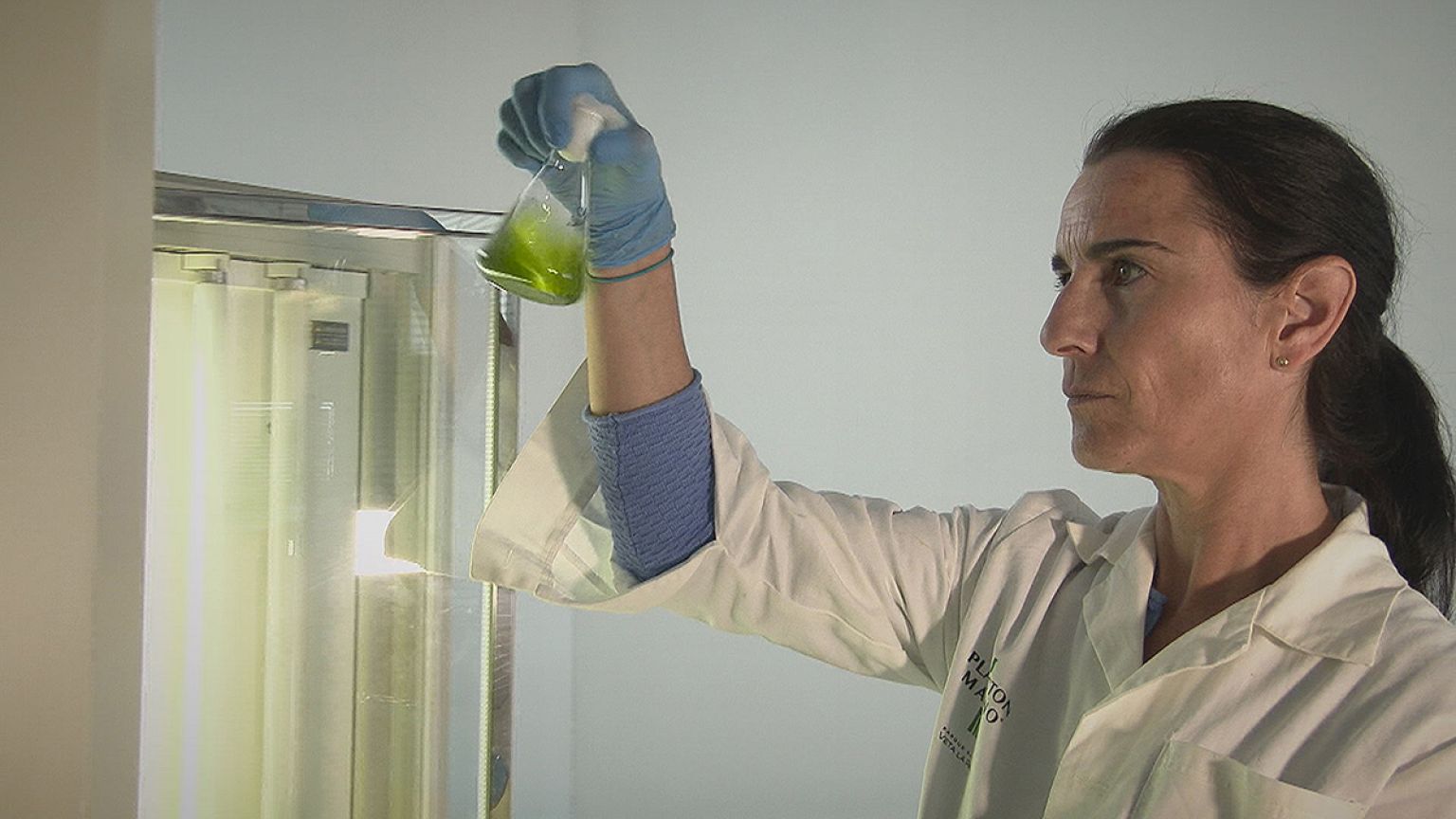
Researchers for the European 'Saltgae' project are demonstrating how algae can cut the costs of treating polluted water- and do it in a sustainable way.
Quantum technologies promise a profound change in our digital lives. By harnessing the power of quantum physics, they can create absolutely un-hackable microchips and totally secure communication networks and they are being developed here in Europe
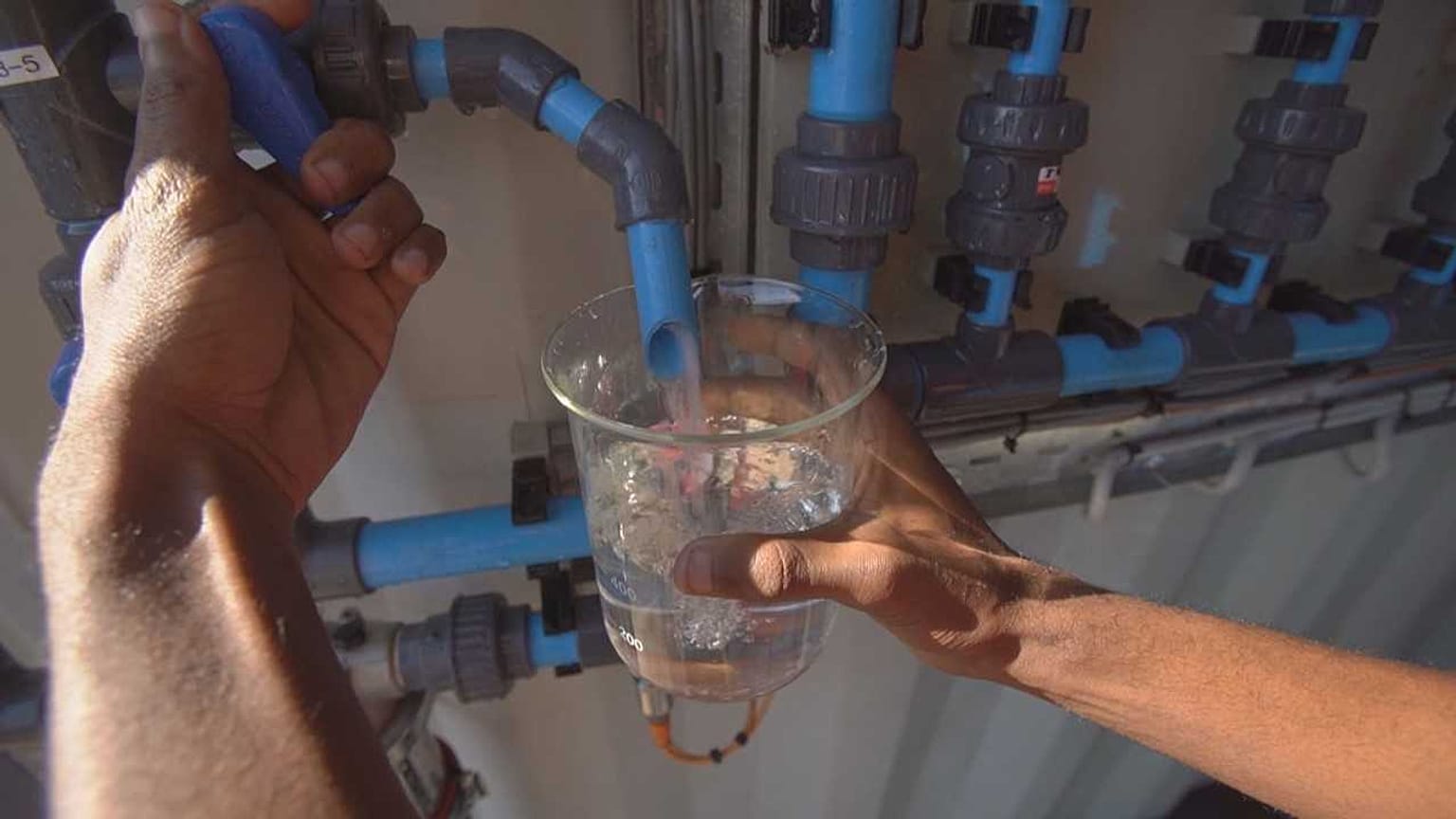
In this episode of Futuris, we meet the African and European scientists working together to find ways to disinfect water for domestic use in remote, isolated places in Africa, using sustainable and affordable technology.
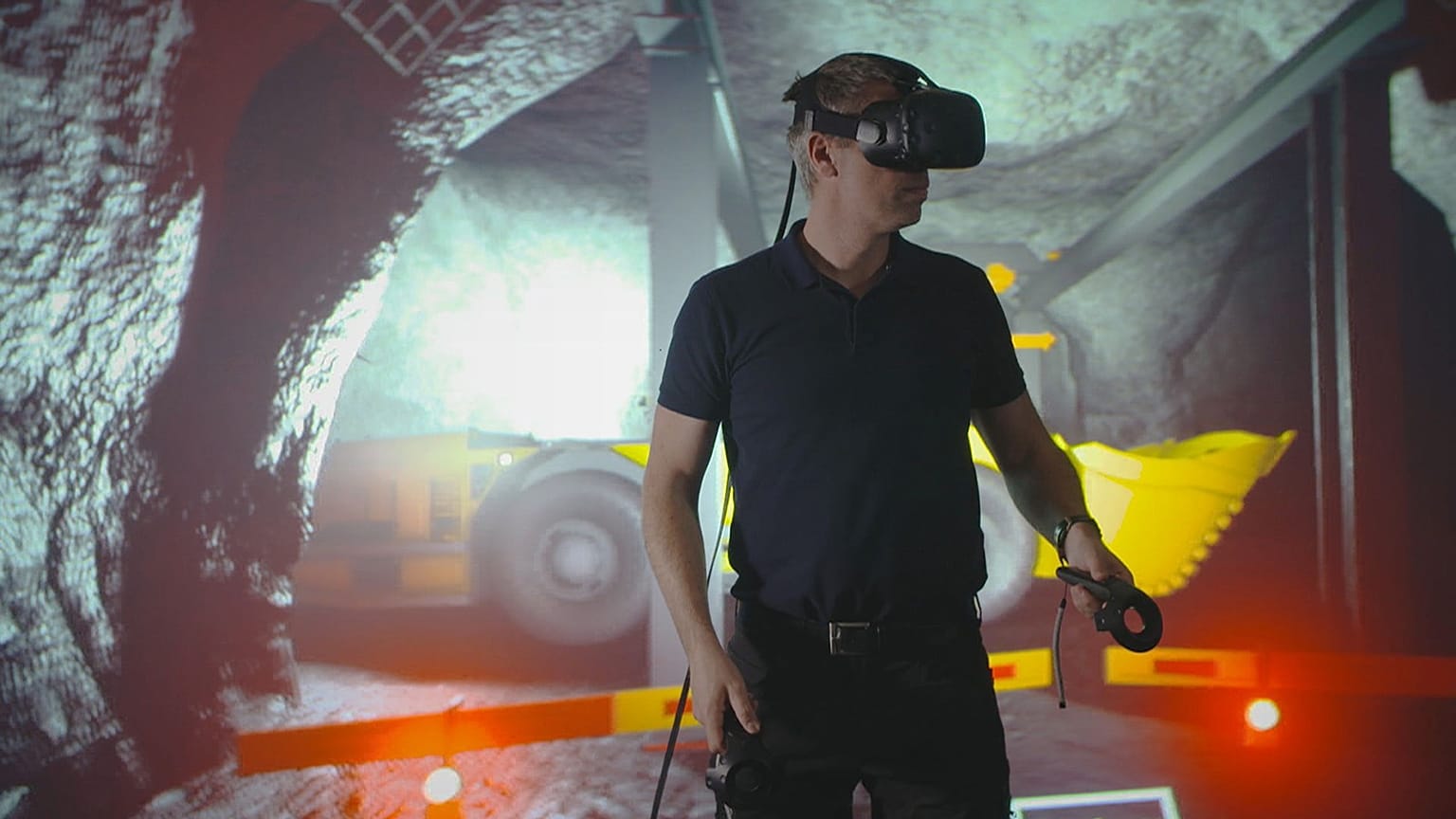
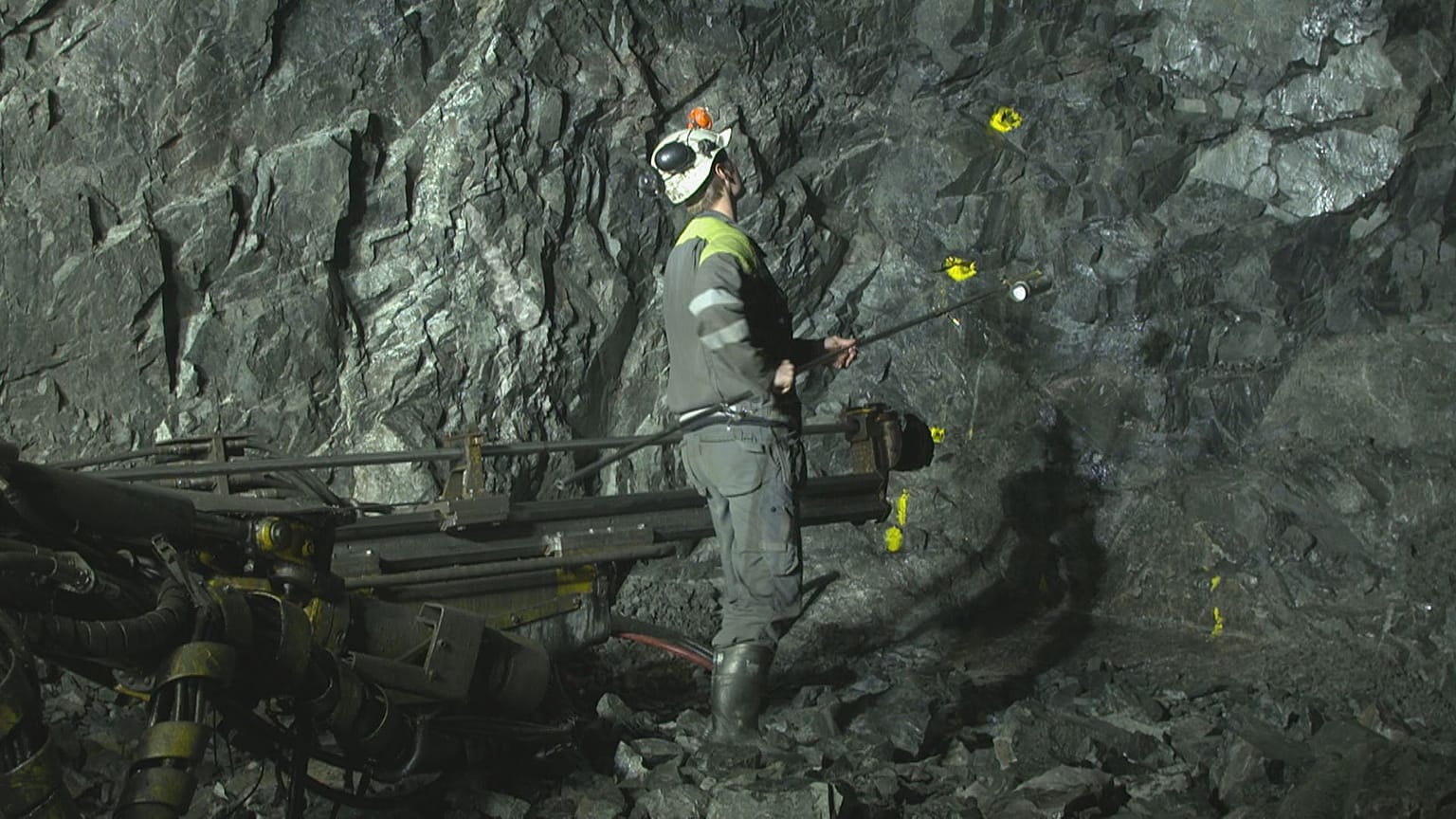
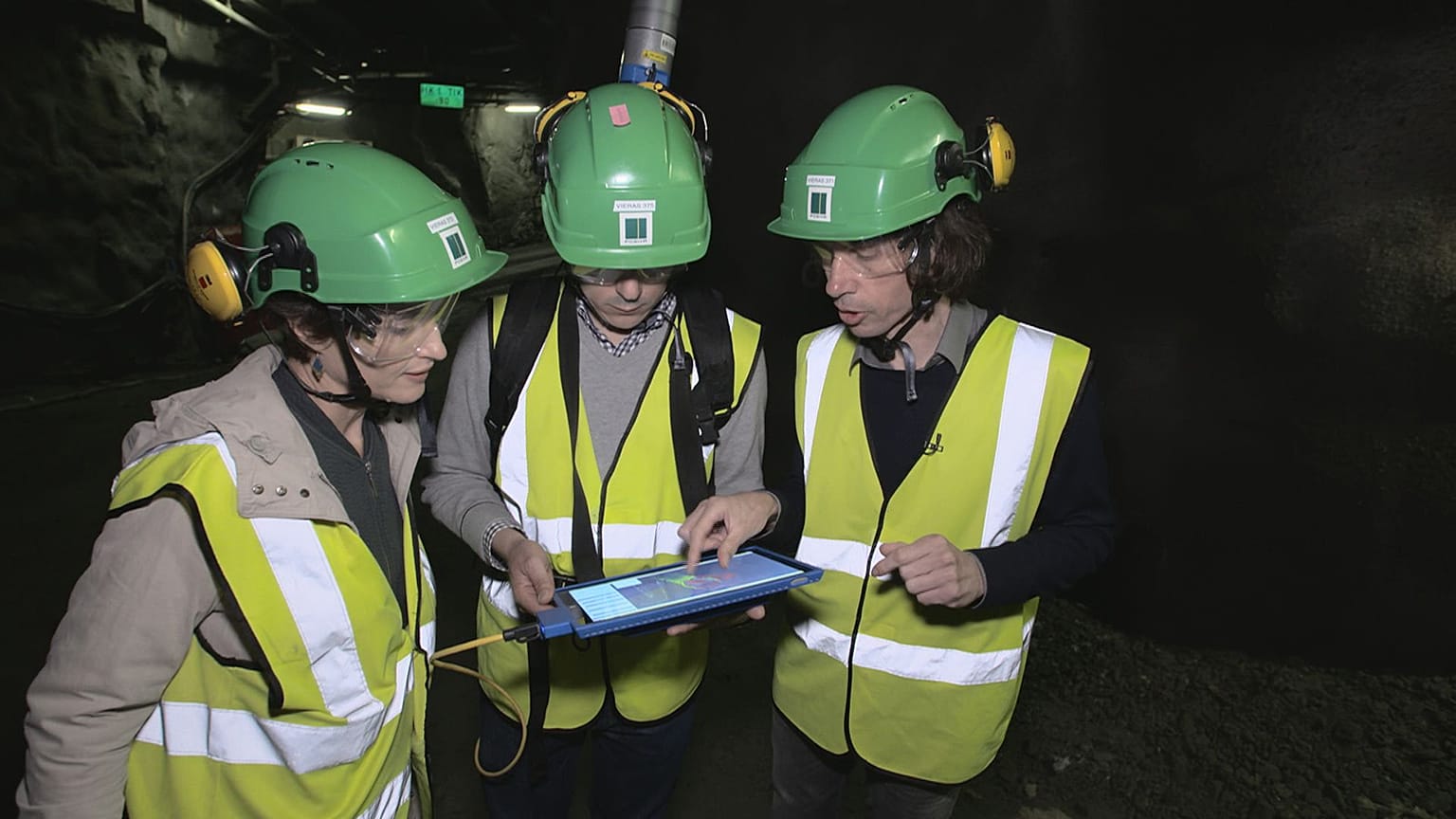
Mining has traditionally been a dangerous activity with a heavy environmental cost. But European projects are helping to make it safer and cleaner, by taking existing technologies and applying them to the context of mining.
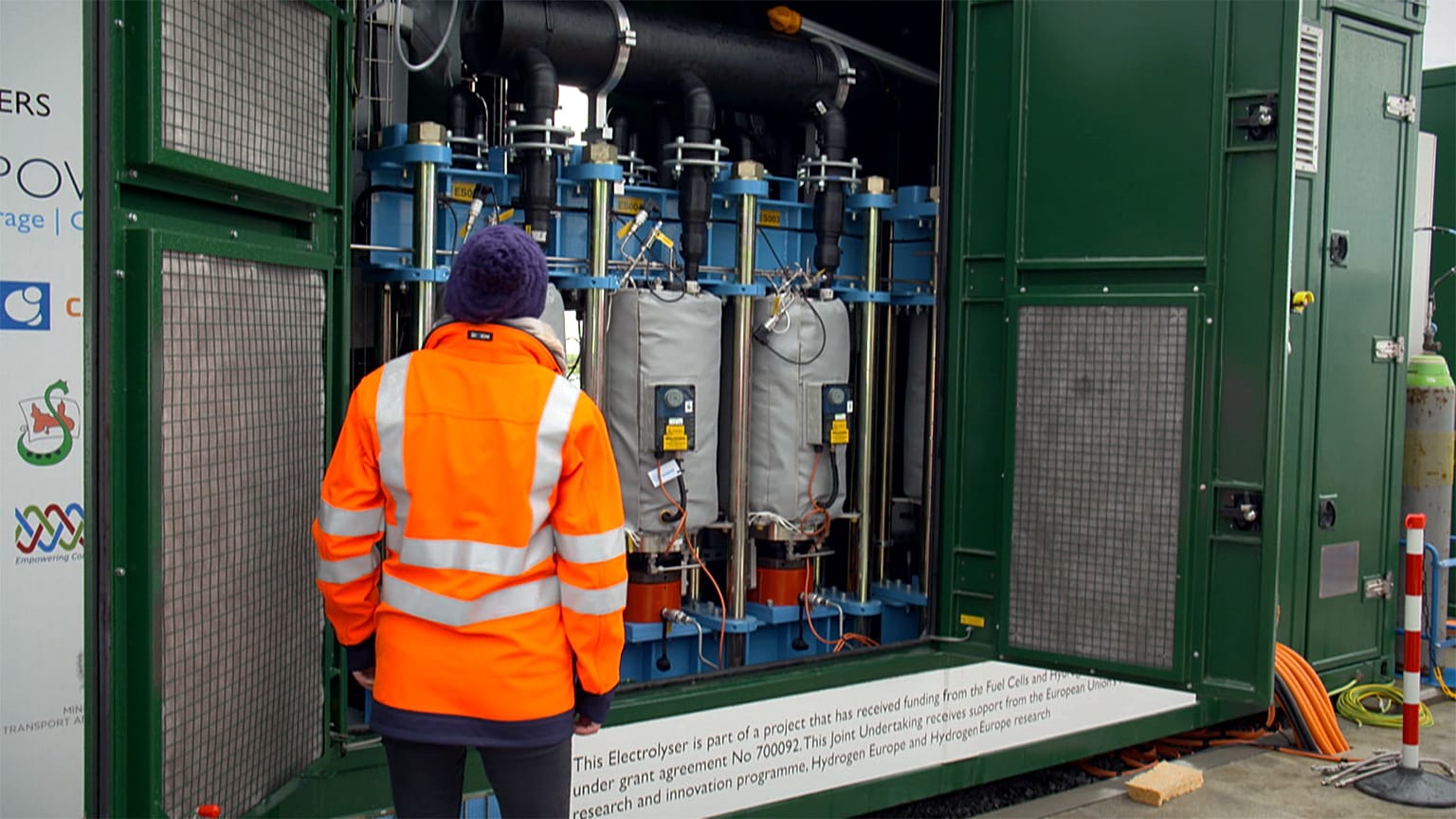
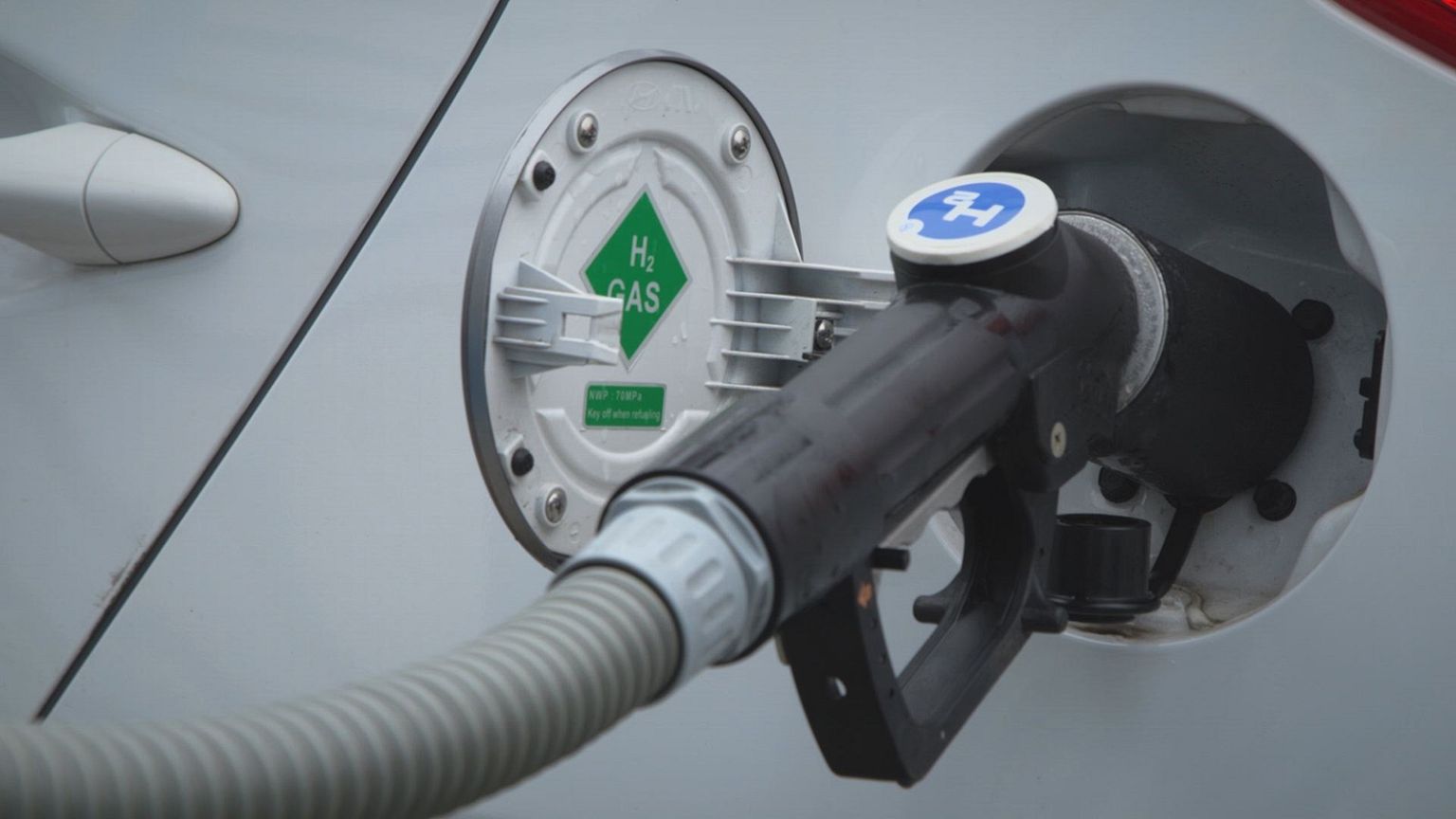
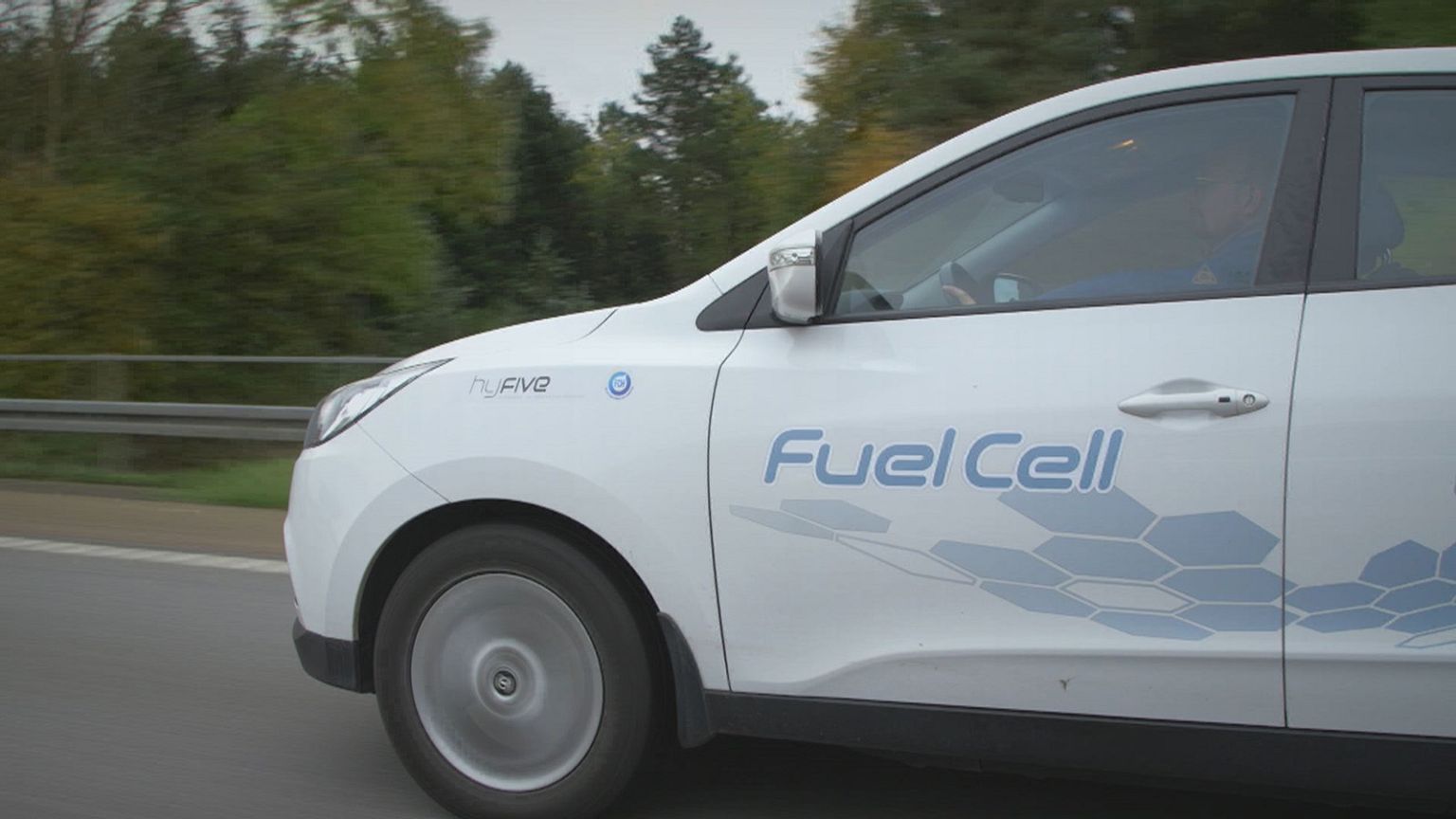
In our latest episode of Futuris, we found out if hydrogen can meet the energy demands on remote, isolated territories. European researchers are working to find out on constrained lands, such as the Orkney Islands in the UK.
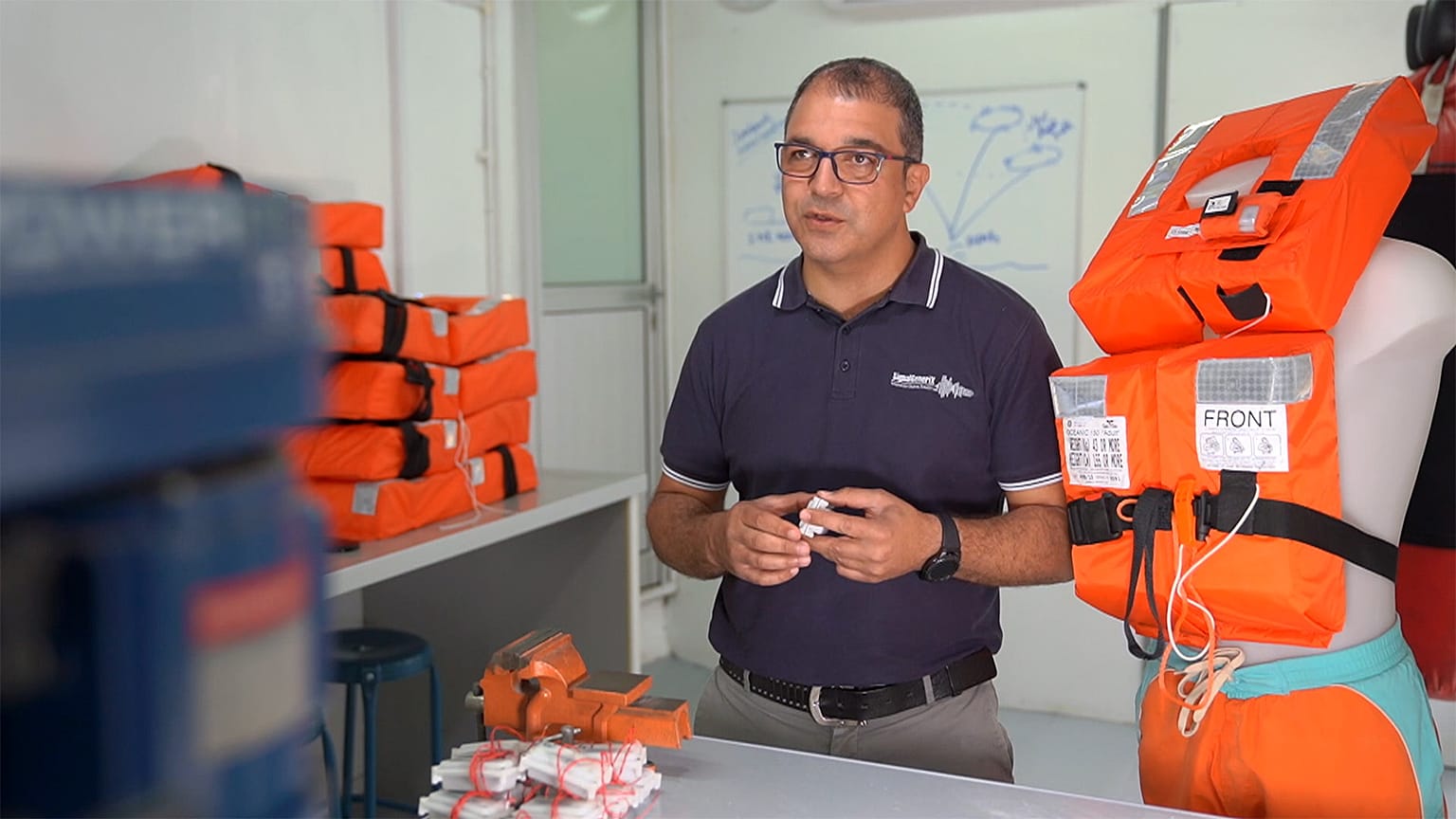
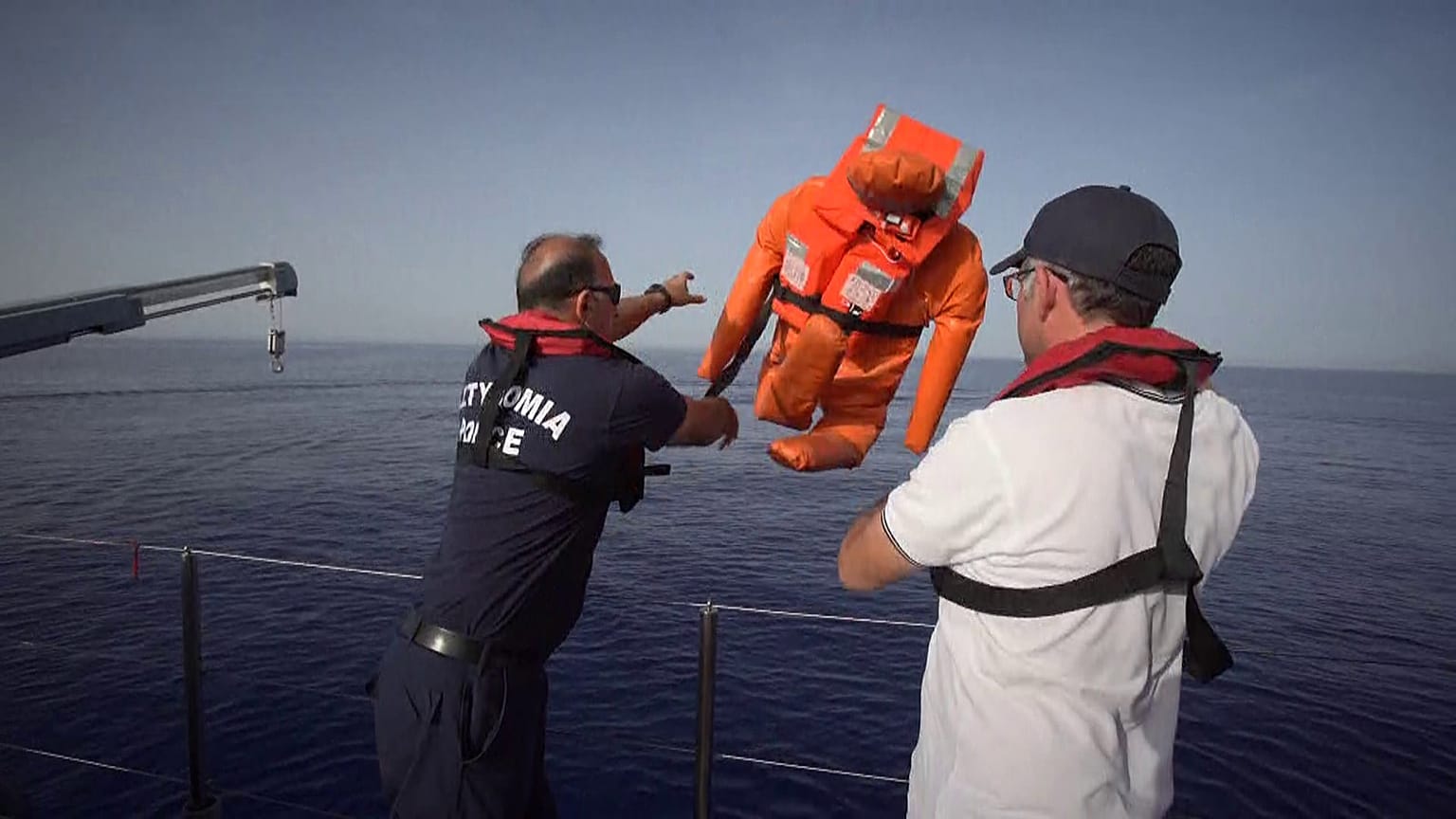
The cruise industry is booming, with more than 25 million passengers expected to be carried worldwide in 2019. But with the increase in numbers comes an increase in risk.
Now technology is coming to the rescue.
A European research project in Kista in Sweden is working on a new instrument. The X-Mine European project hopes to reduce costs and time by using scanners and 3D technology.
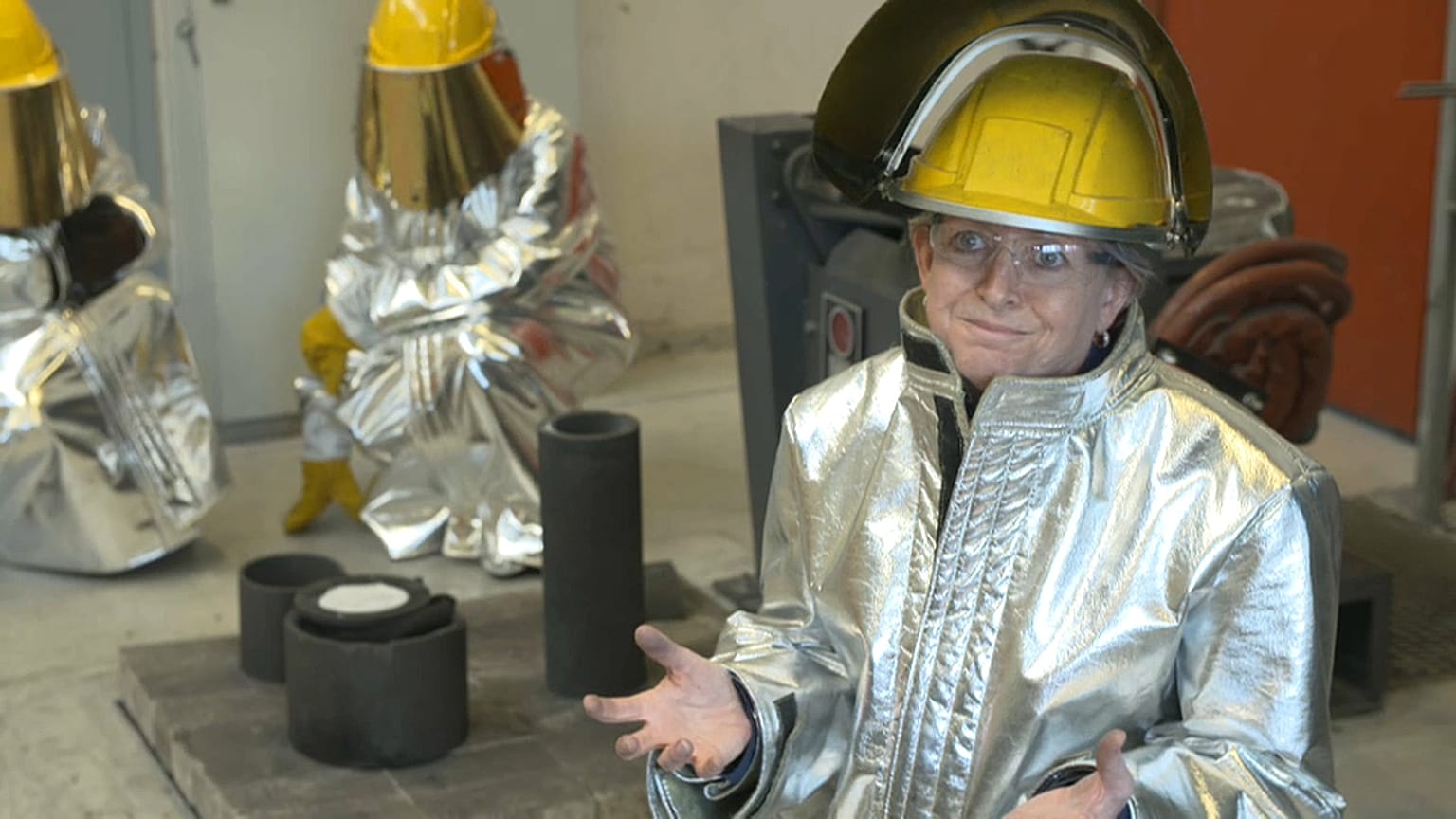
The galvanizing business involves hot and arduous work, turning corroding steel into protected metal using baths of hydrochloric acid and molten zinc. It's also a business which EU researchers believe they can make cleaner and greener. Their tech is now facing, quite literally, the acid test.
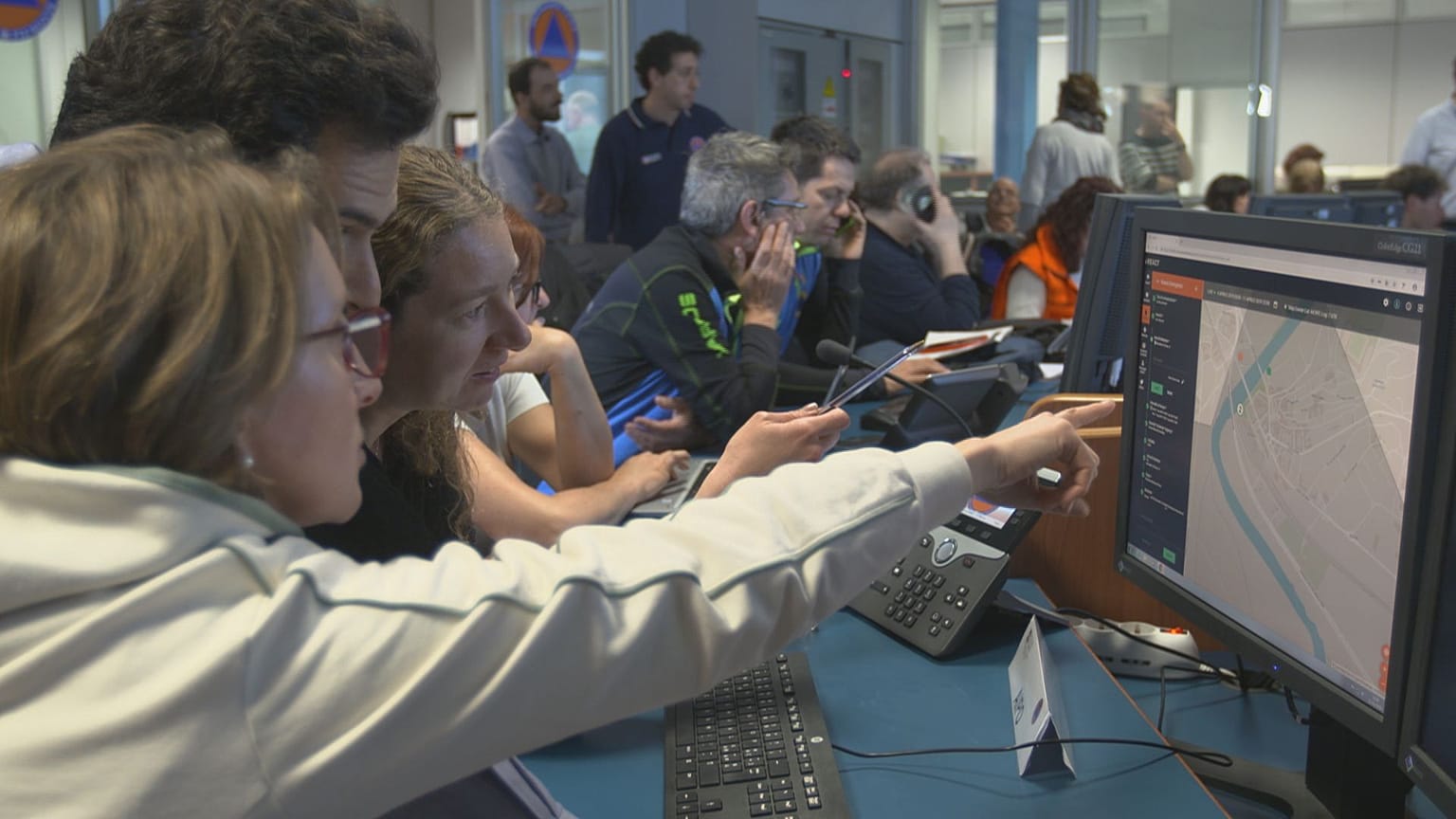
With an increase in danger from natural disasters over the last decade - and indications that this will only get worse - a team of developers have created an app that gathers huge amounts of data in emergency situations.
Futuris takes a look at Europe's Bioeconomy sector and meets the people developing the myriad of bio-based products currently hitting the market around the whole continent.
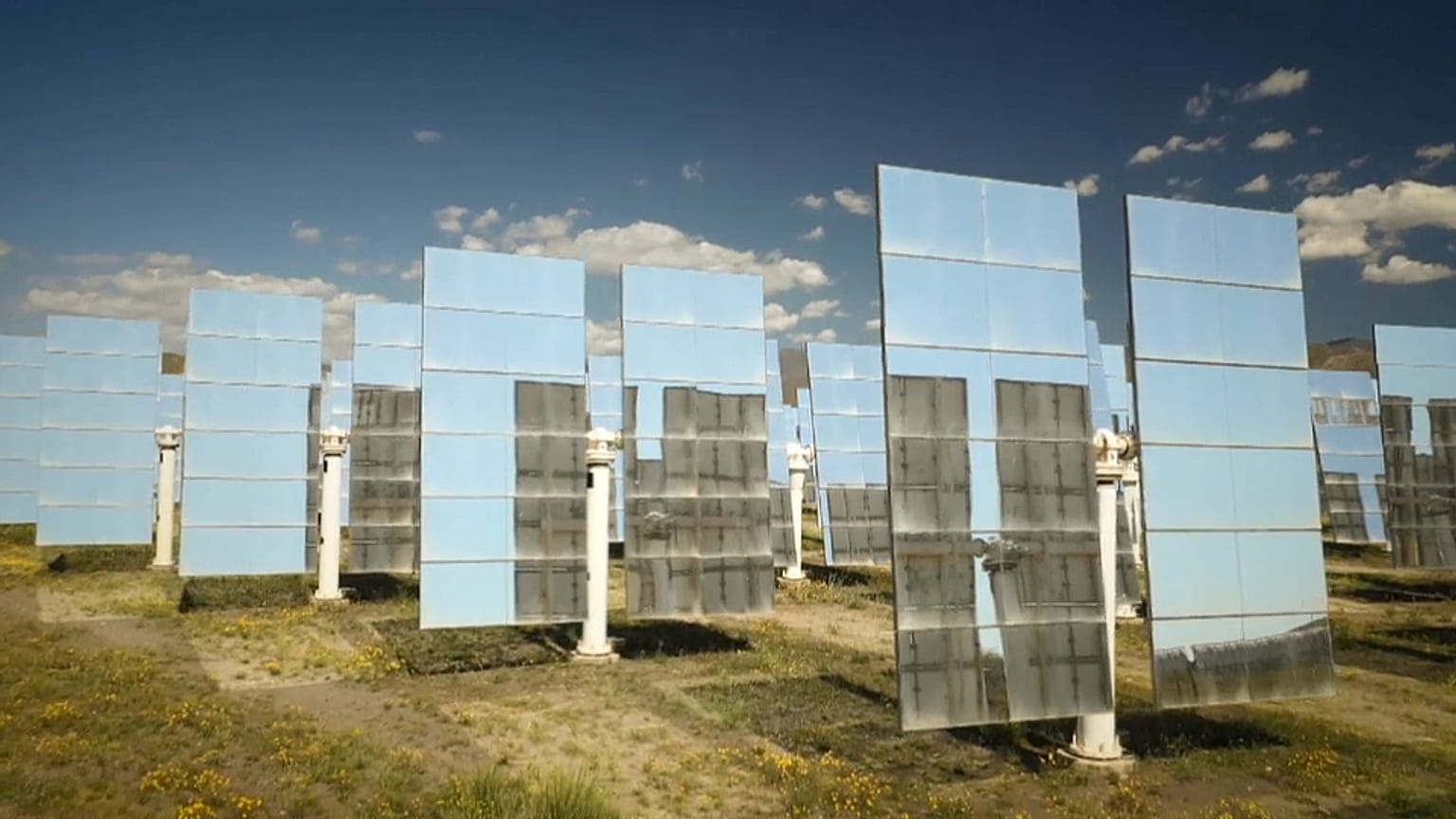
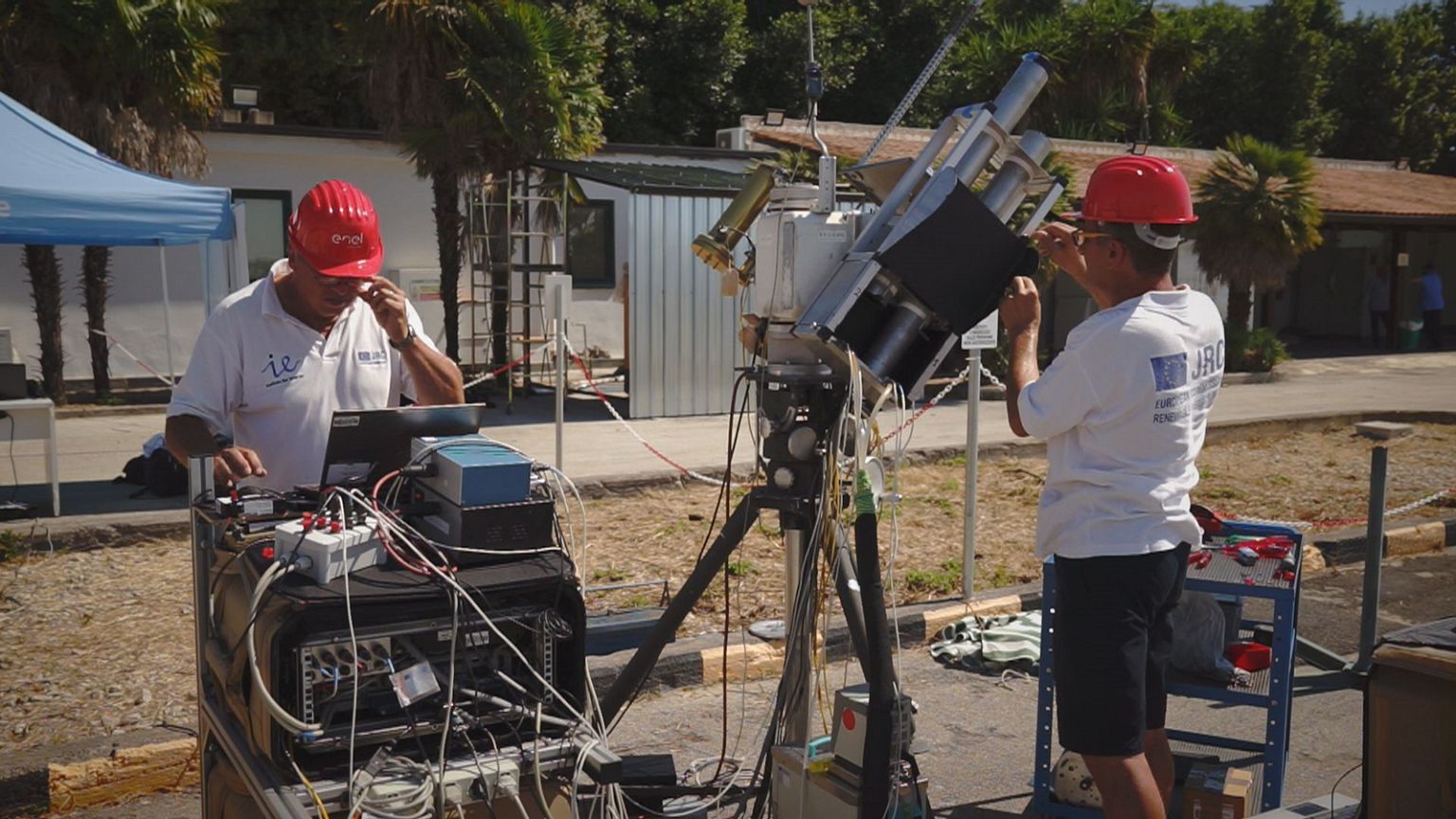
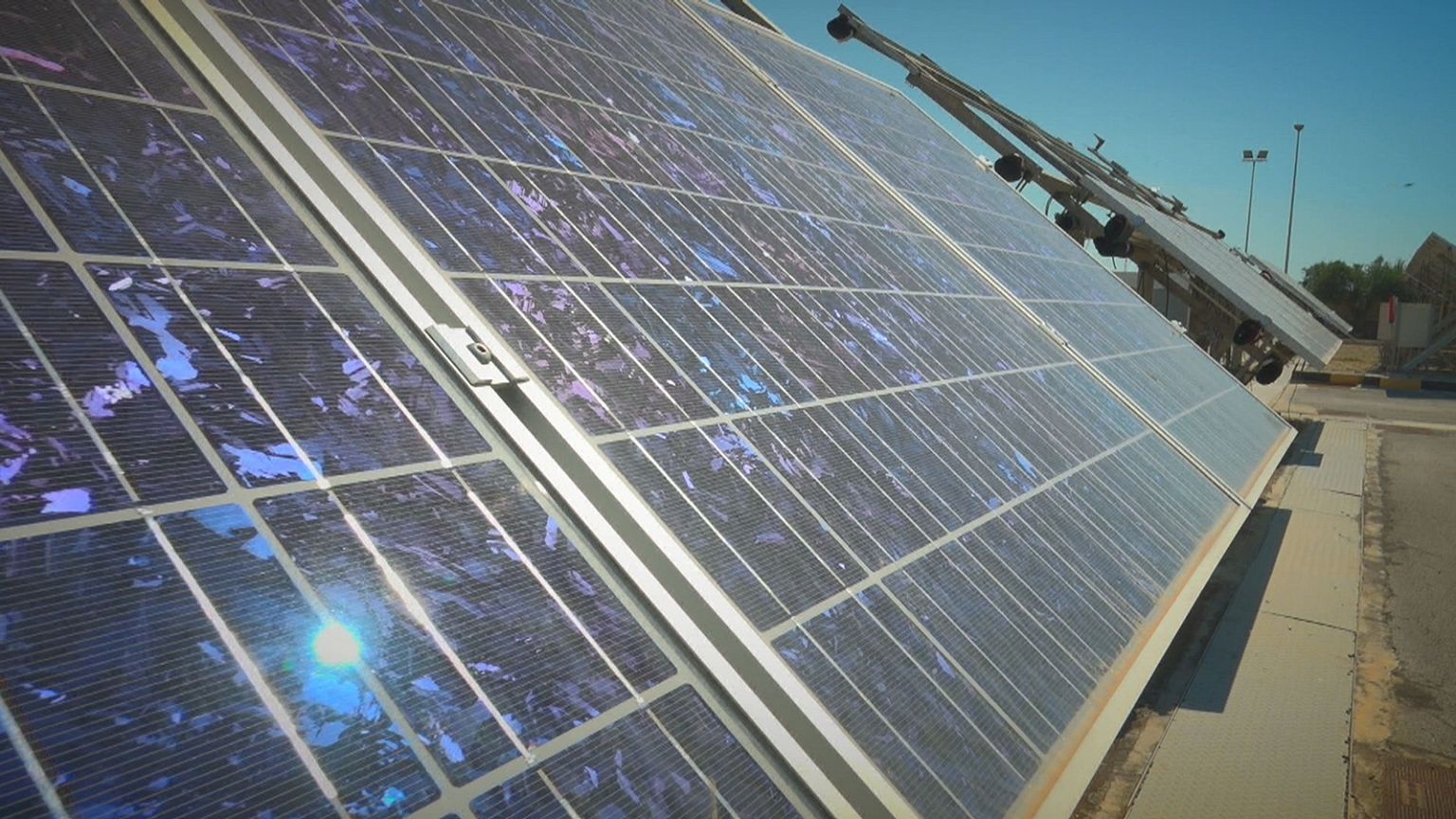
New research is looking at ways of saving water at ultra-thirsty concentrated solar power plants, making this renewable energy more environmentally friendly.
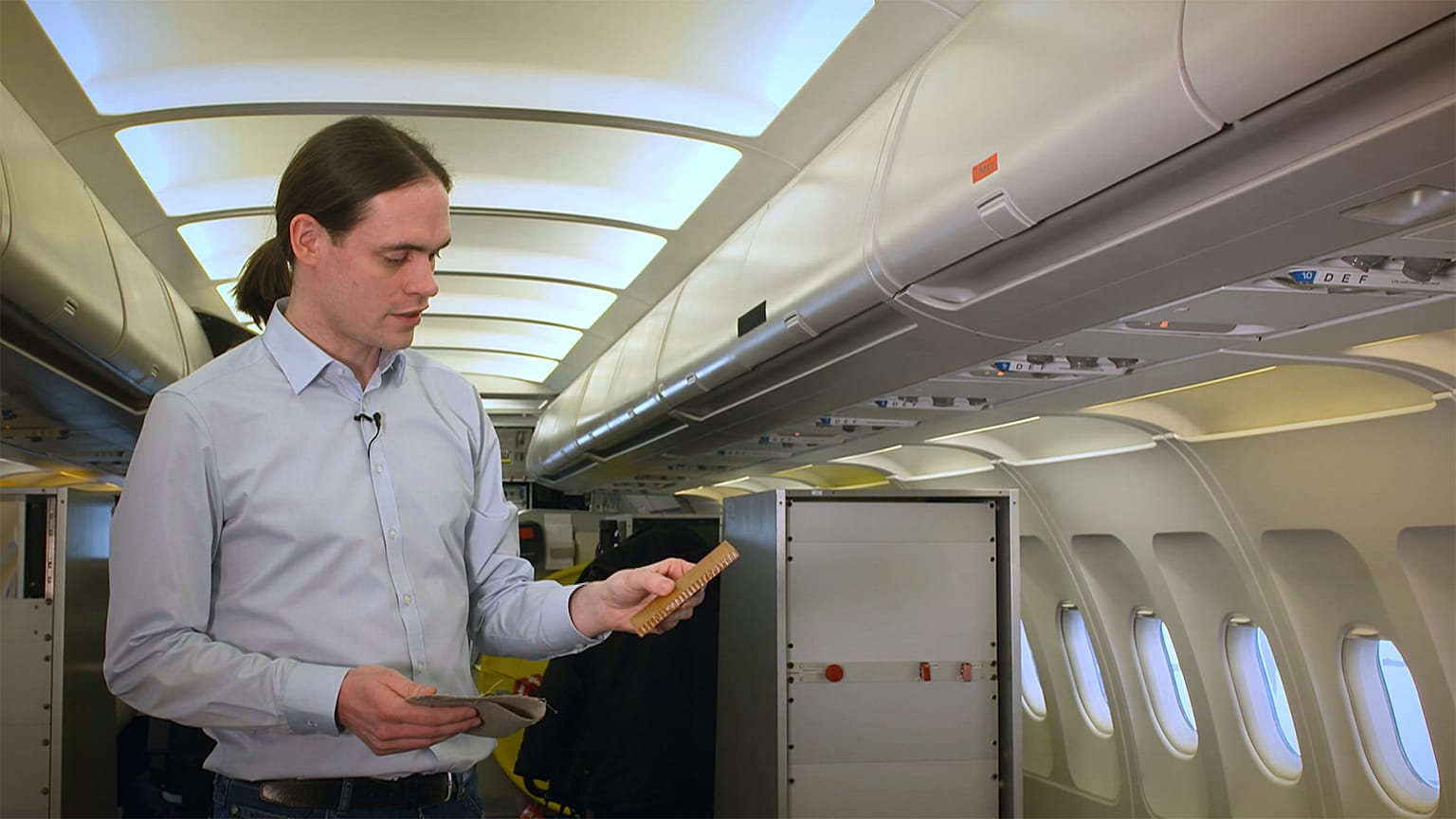
Could a rear-mounted electric fan be the next step in aircraft design? We explore the tech of the EU's Centreline project and its goals of creating a greener, cleaner airliner.
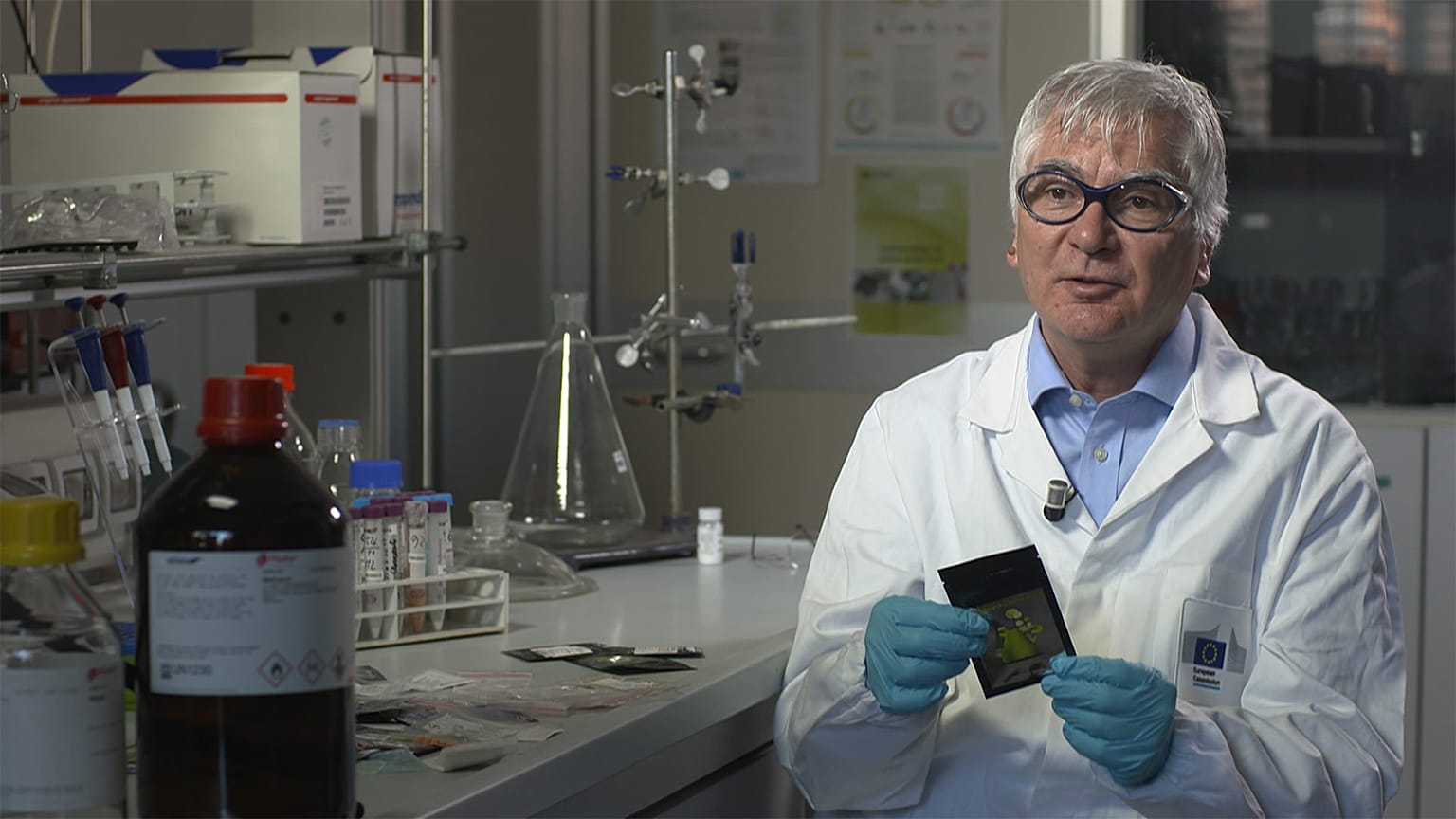
New psychoactive substances (NPS) are designed to mimic the effects of illegal narcotics such as cannabis, cocaine or heroin. Despite this, they are often not illegal and can be cheaply purchased online.
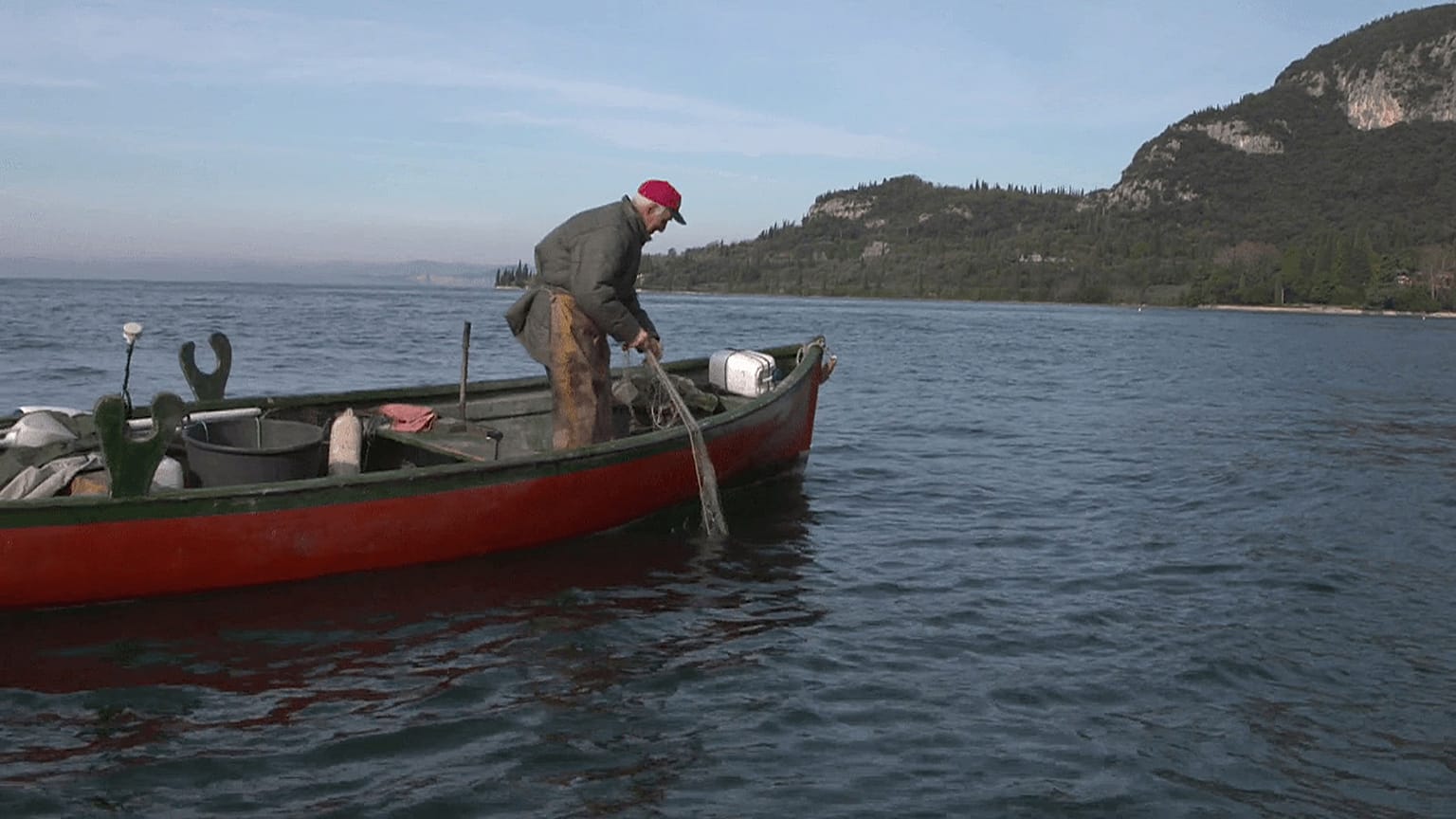
Researchers are preparing a set of practical recommendations for policymakers and the industry on mitigating climate change effects. They’re also preparing a software tool that helps to manage fish stocks more efficiently.
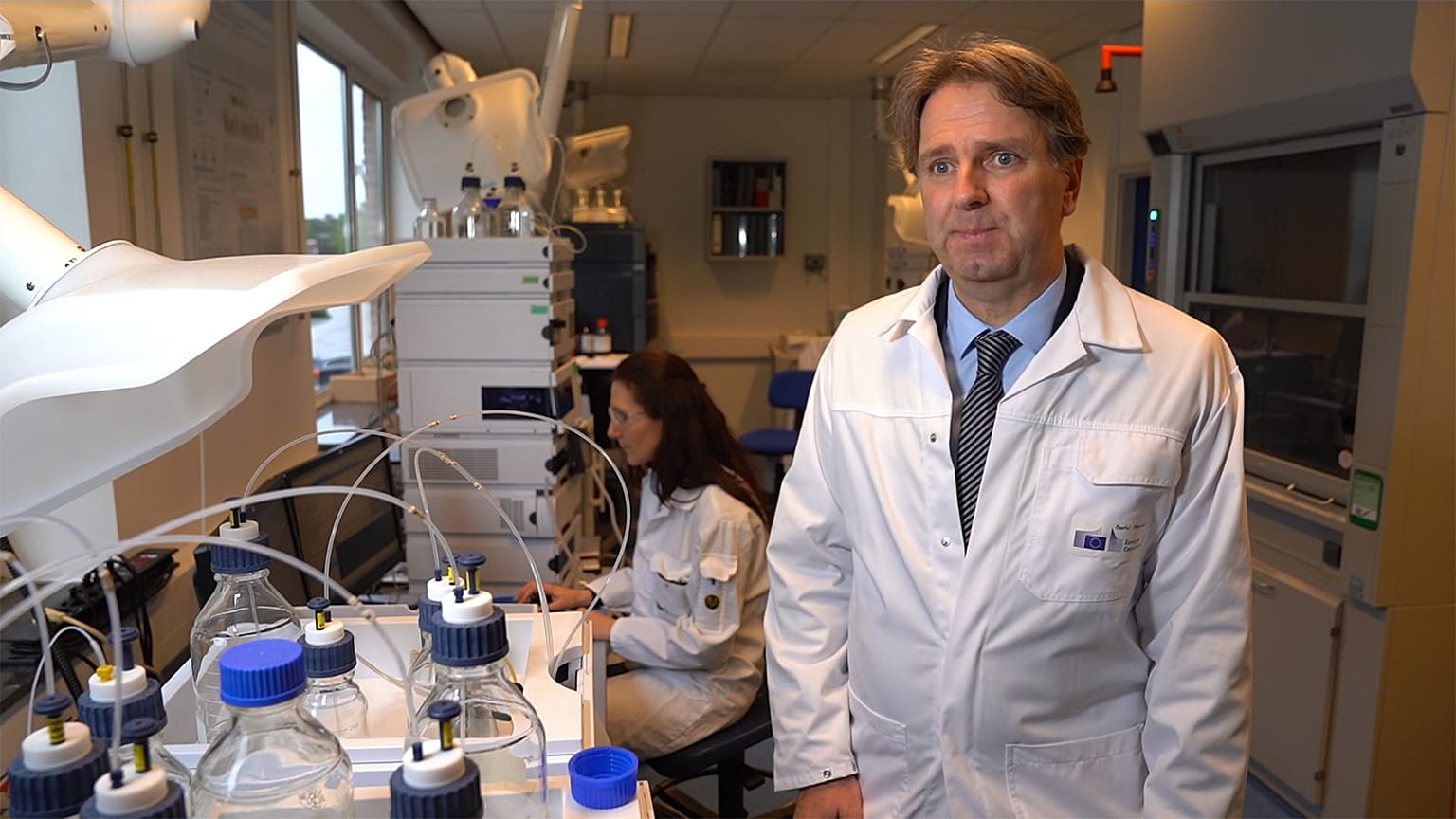
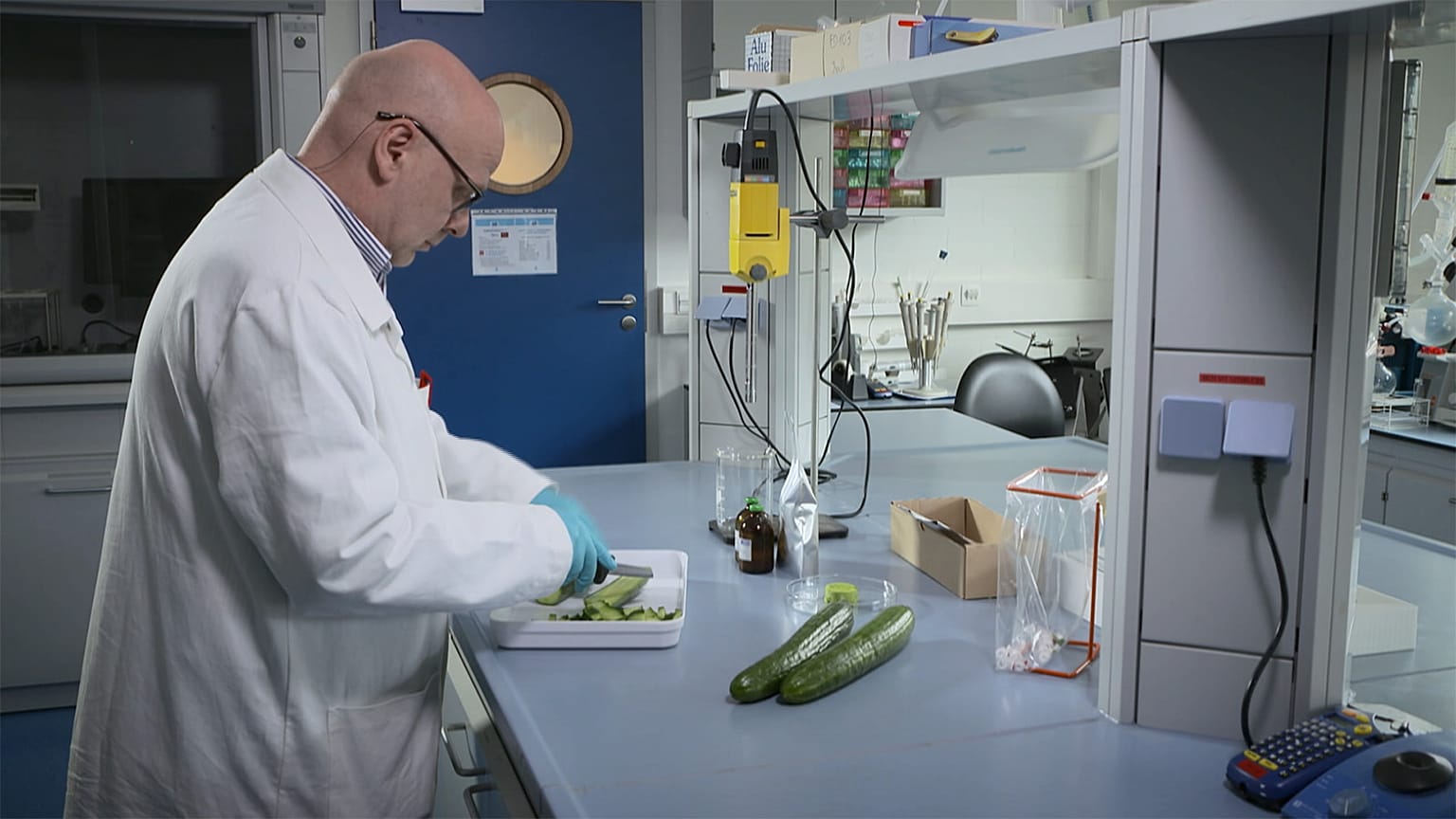
The European Commission Joint Research Centre (JRC) is developing Certified Reference Materials (a “CRM”) to check pesticides in foods. A CRM is a measurement standard supporting laboratories to check the quality of their measurement methods.
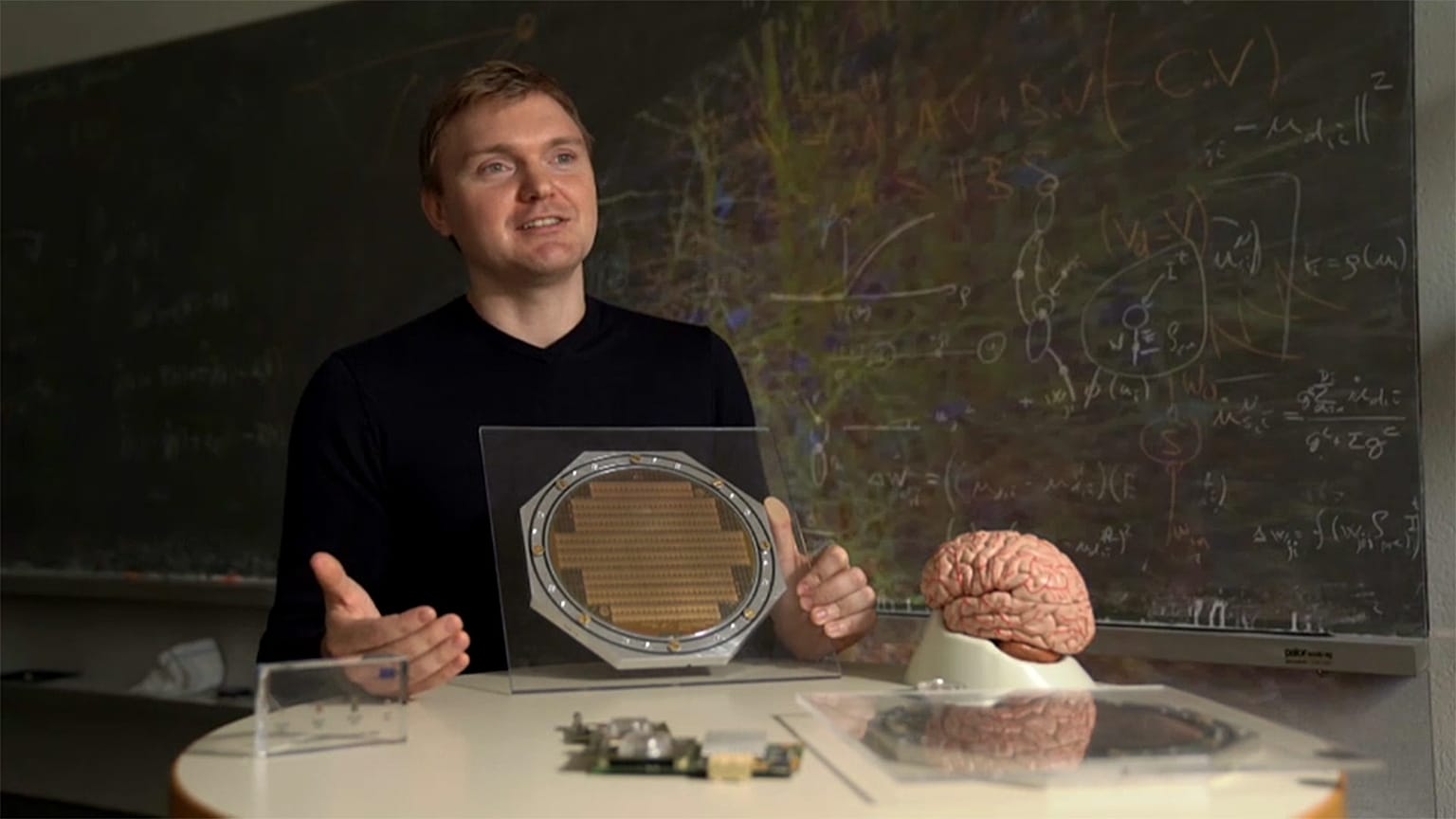
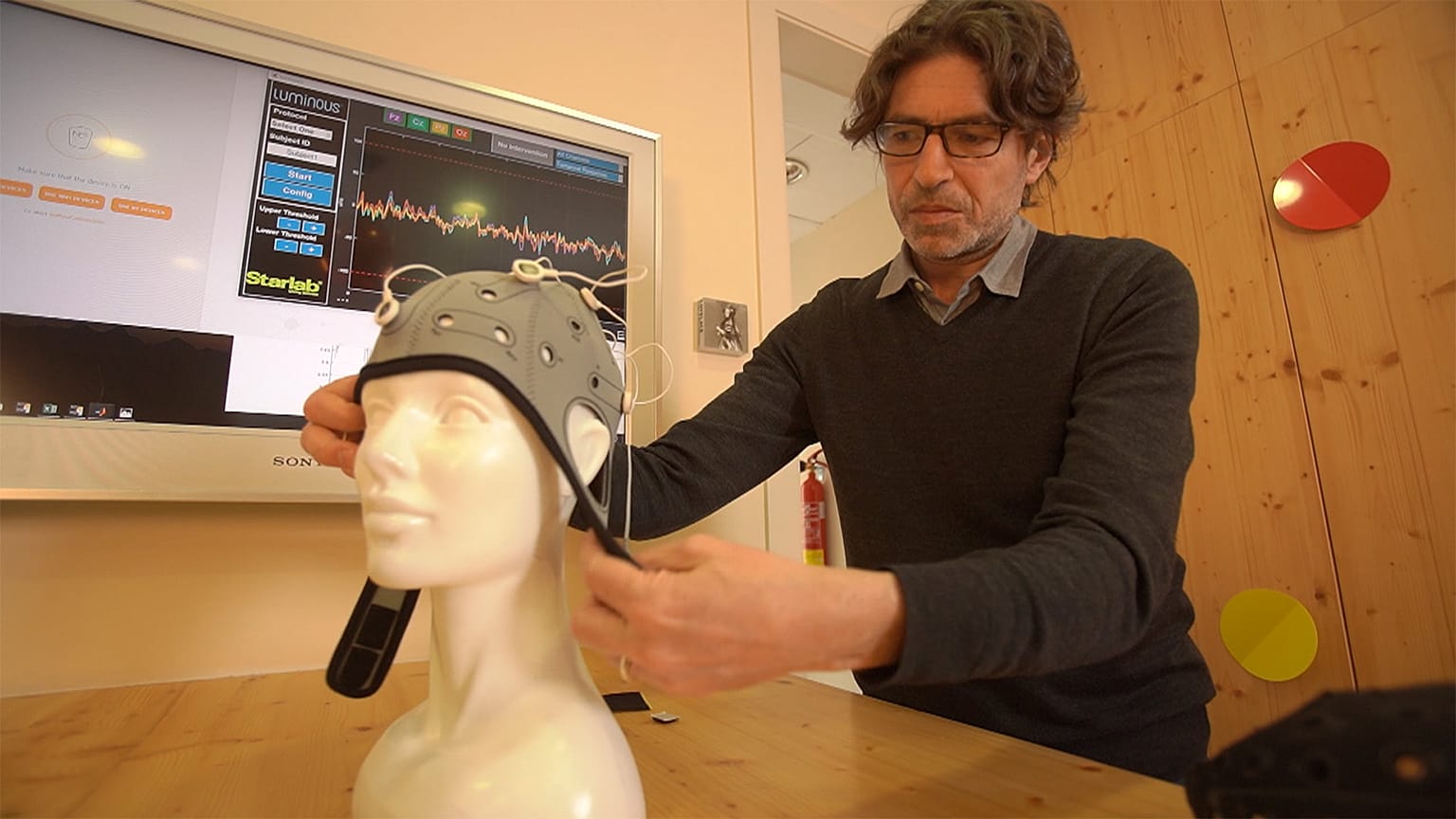
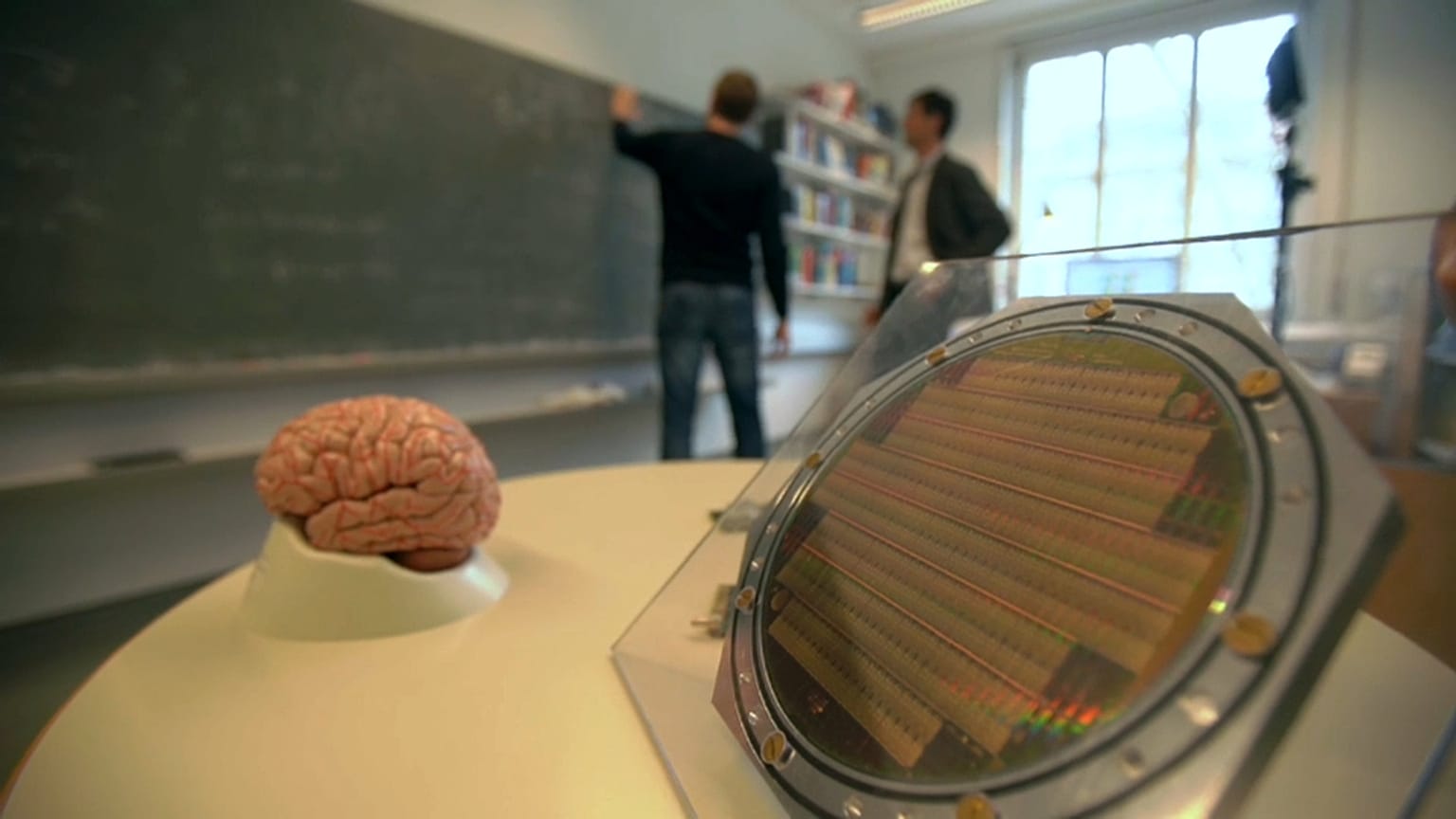
Can we create a thinking machine? Can we build a model of the human brain inside a computer? How do our minds really work? Those are some of the questions that researchers in the EU's Human Brain Project are trying to answer.
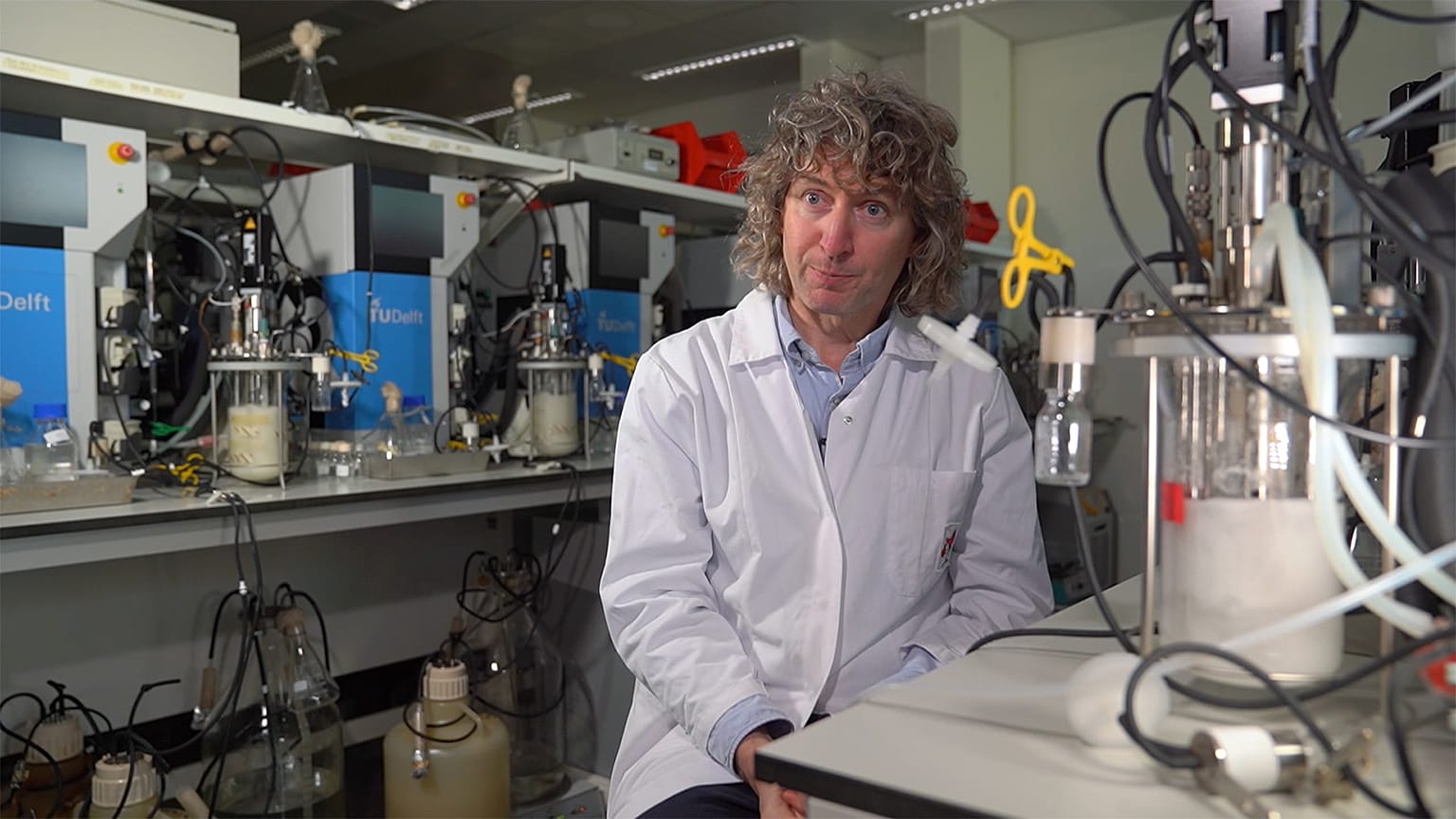
Scientists at a European research project called CHASSY are determined to replace petrochemicals in our medicines, cosmetics, plastics and fuels with yeast derivatives.
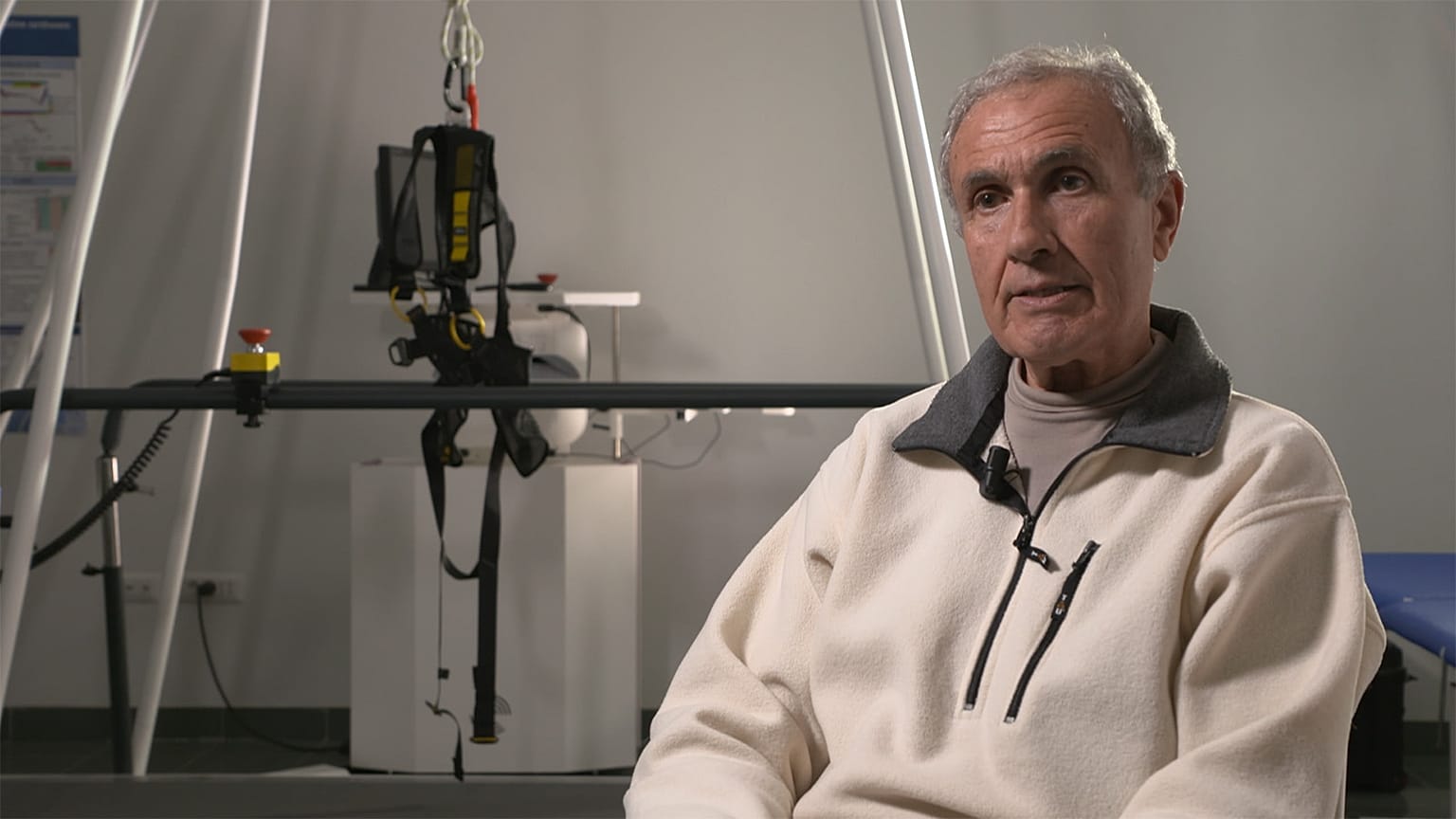
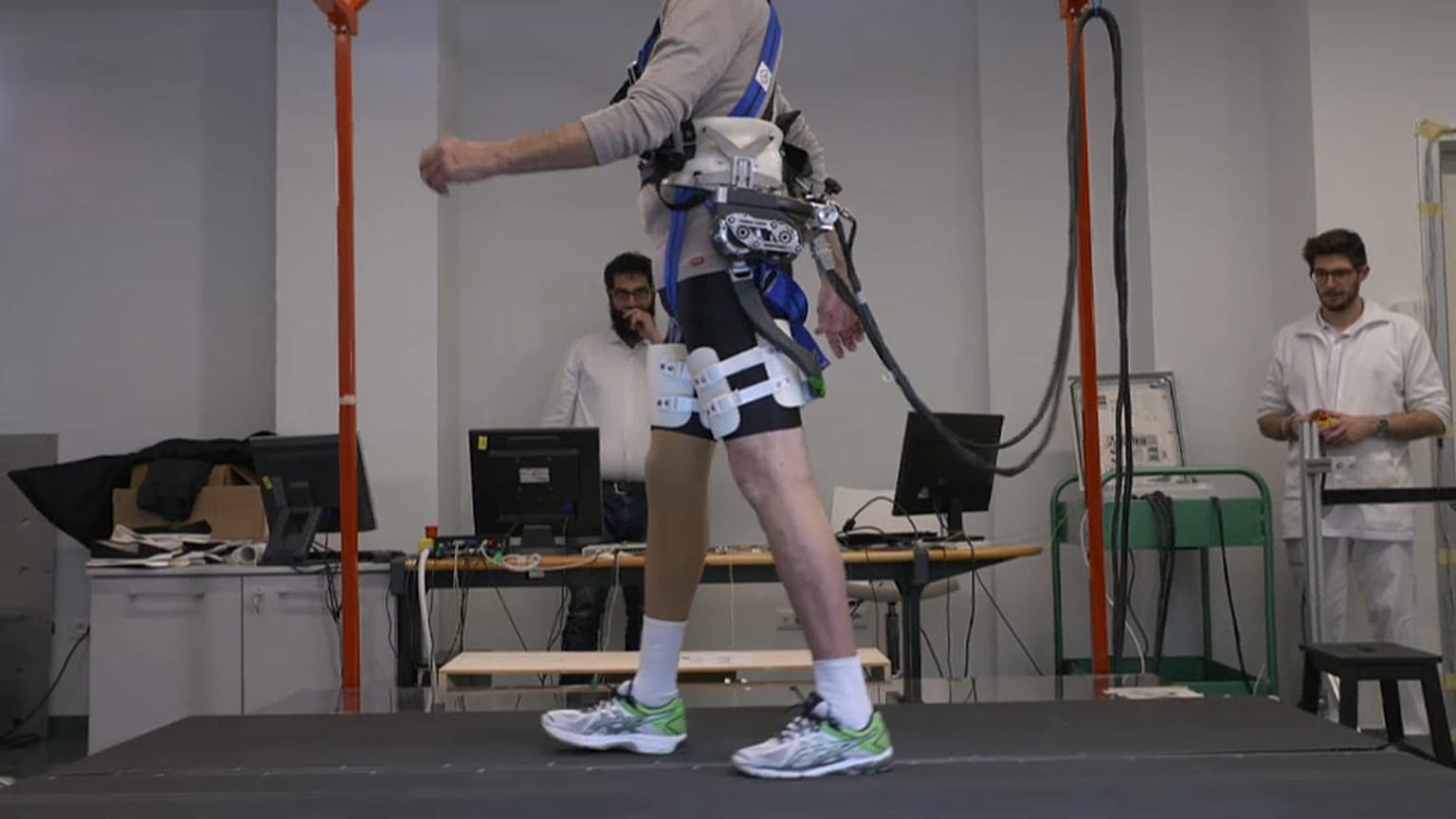
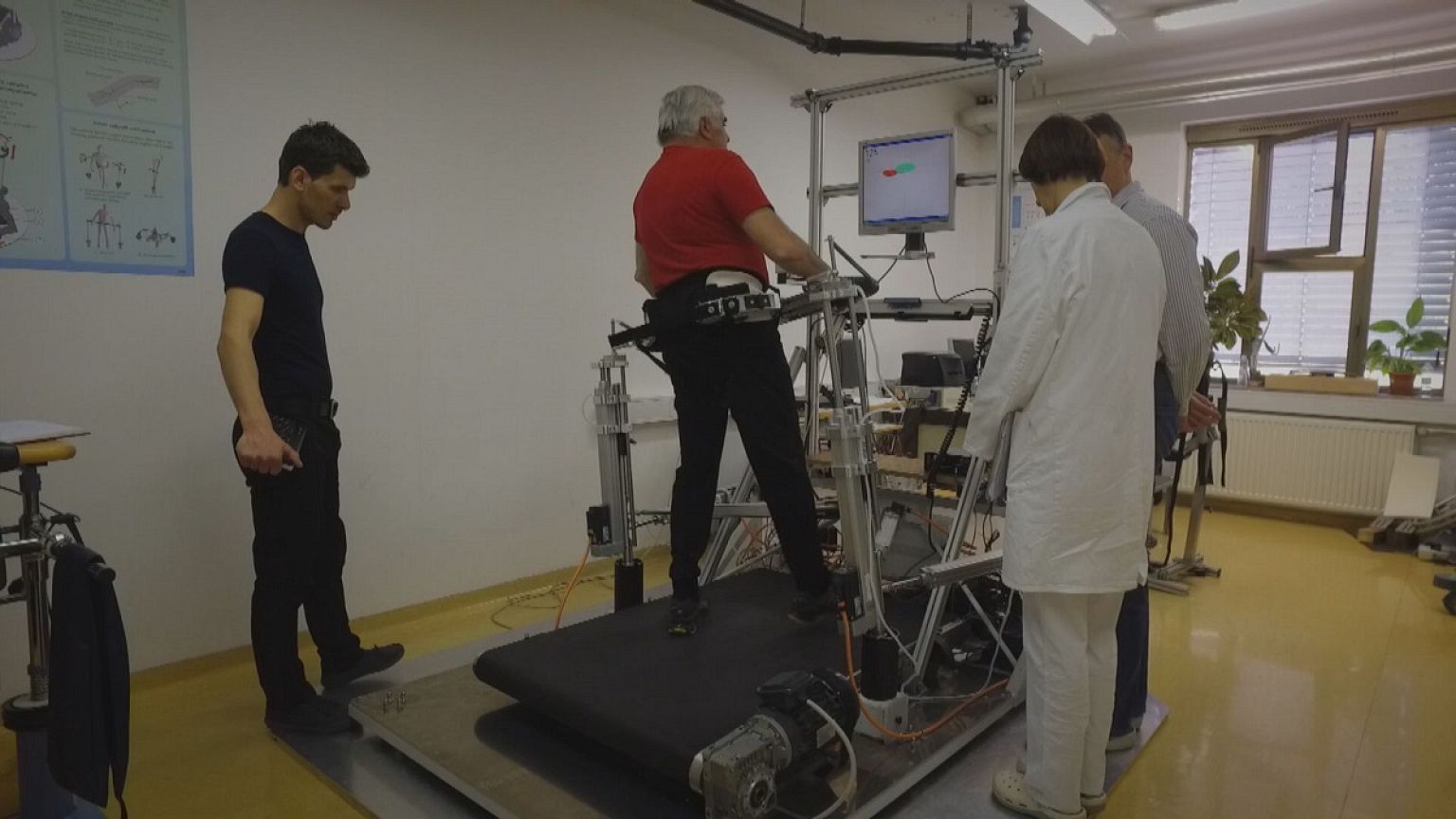
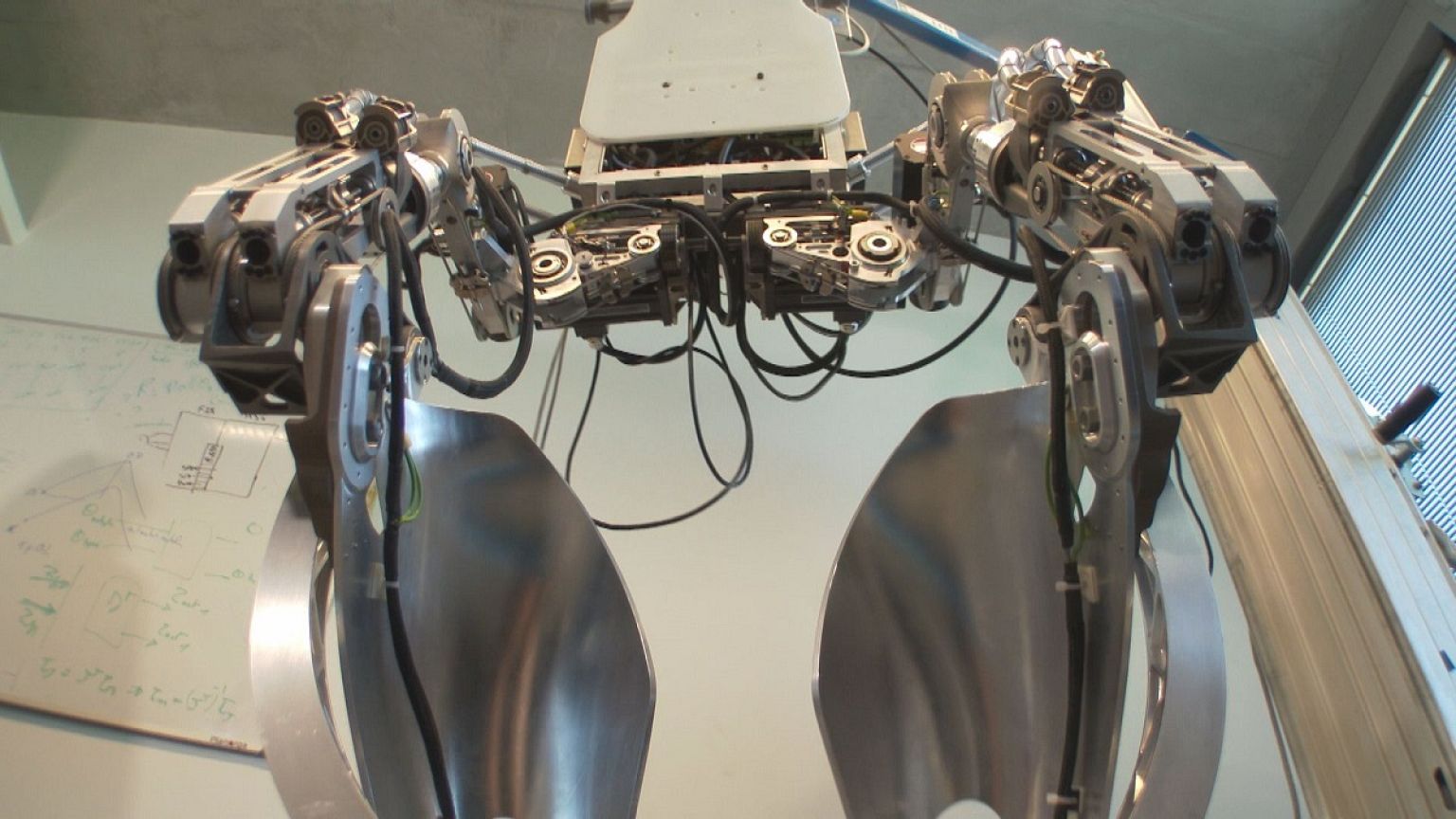
Researchers aim to reduce the amount of work the physical body needs to use a prosthetic. Tests on prosthetics and exoskeletons are being made at the Bio-Robotics Institute in Pontedera, Italy.
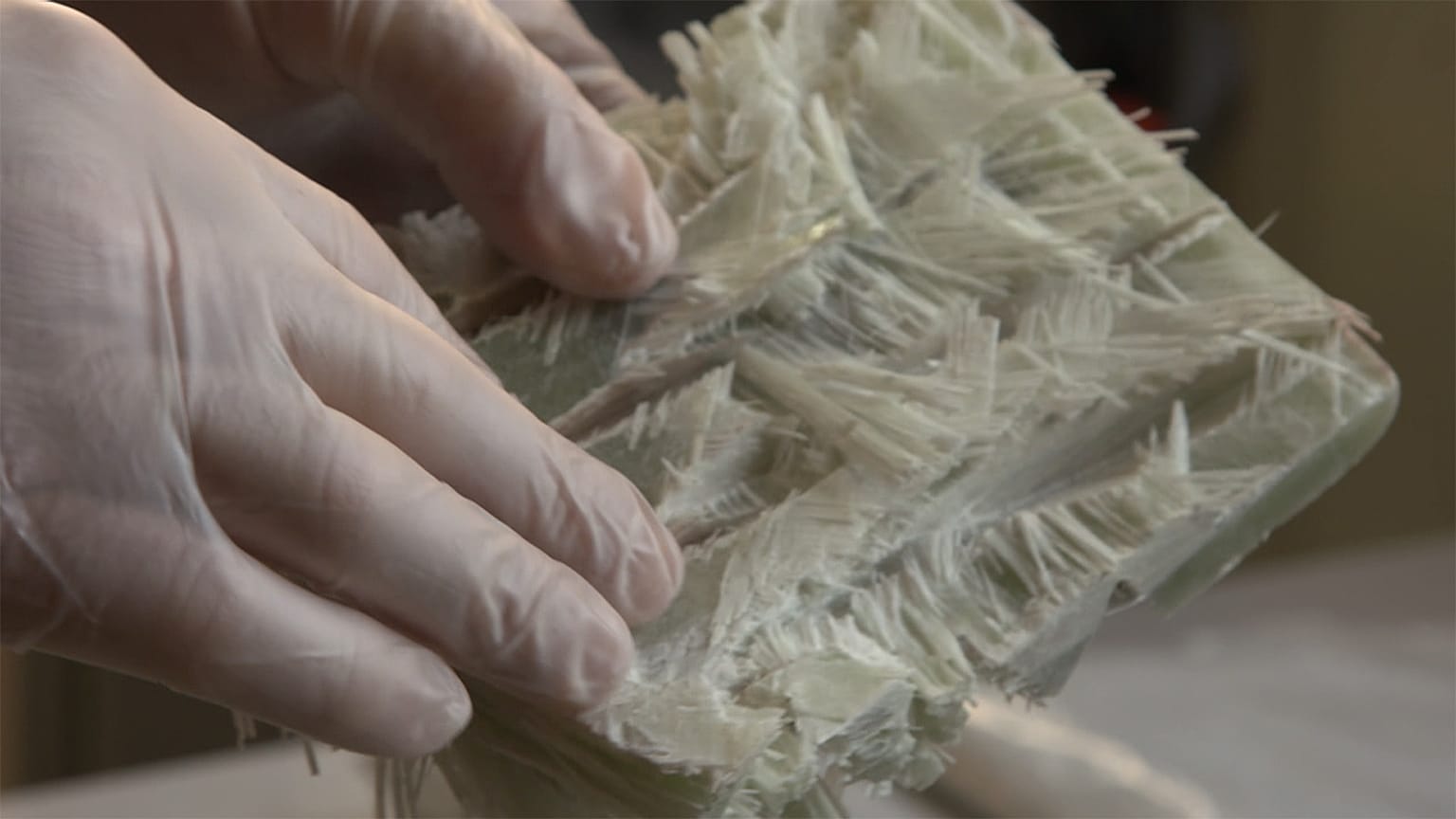
Futuris travels to northern Italy to meet the European researchers developing better ways to recycle composite materials such as carbon and glass fibre.
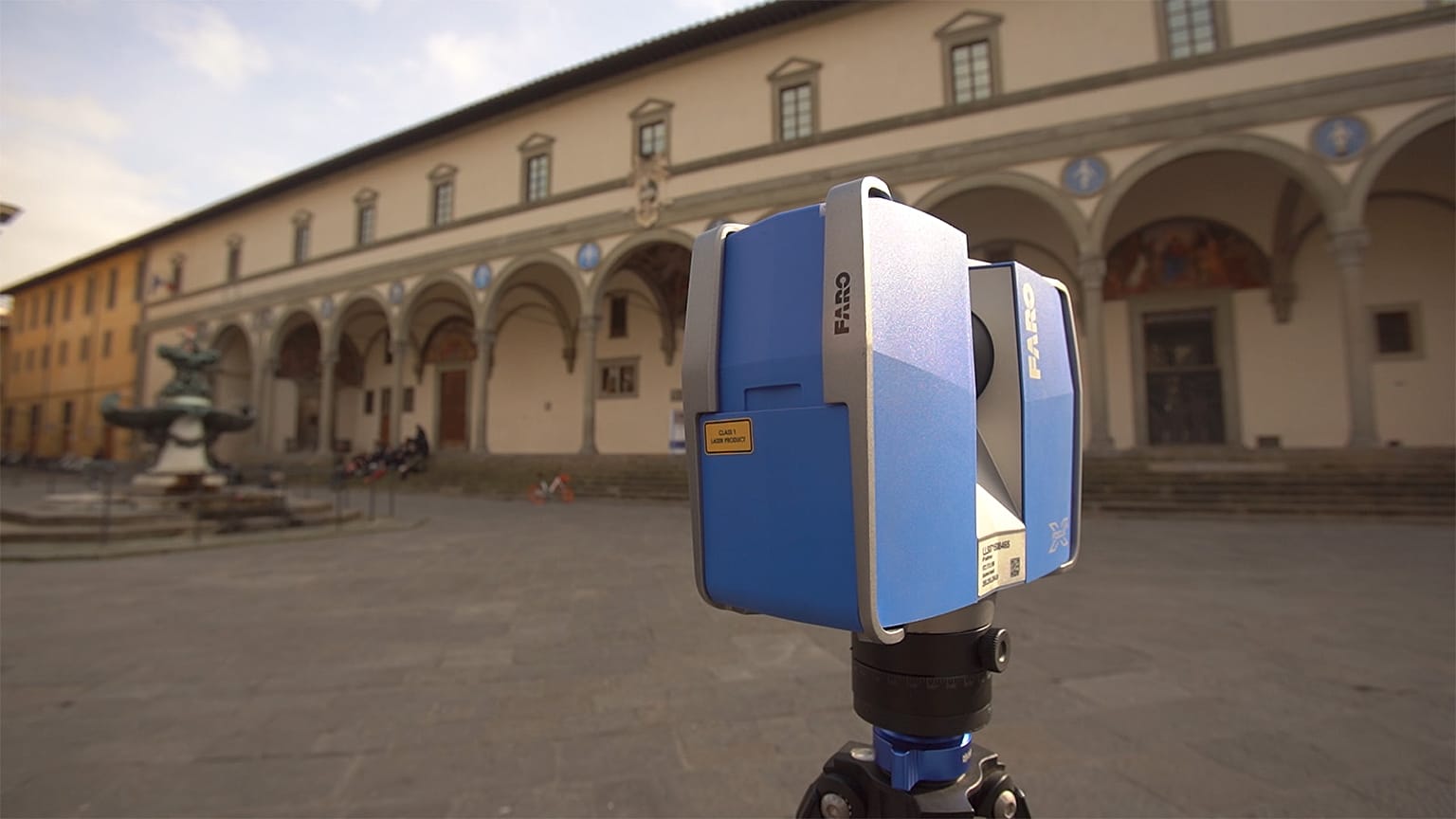
The EU funded Inception project is developing a cultural and architectural heritage data base using 3D tools which everyone from academics to tourists will be able to access.
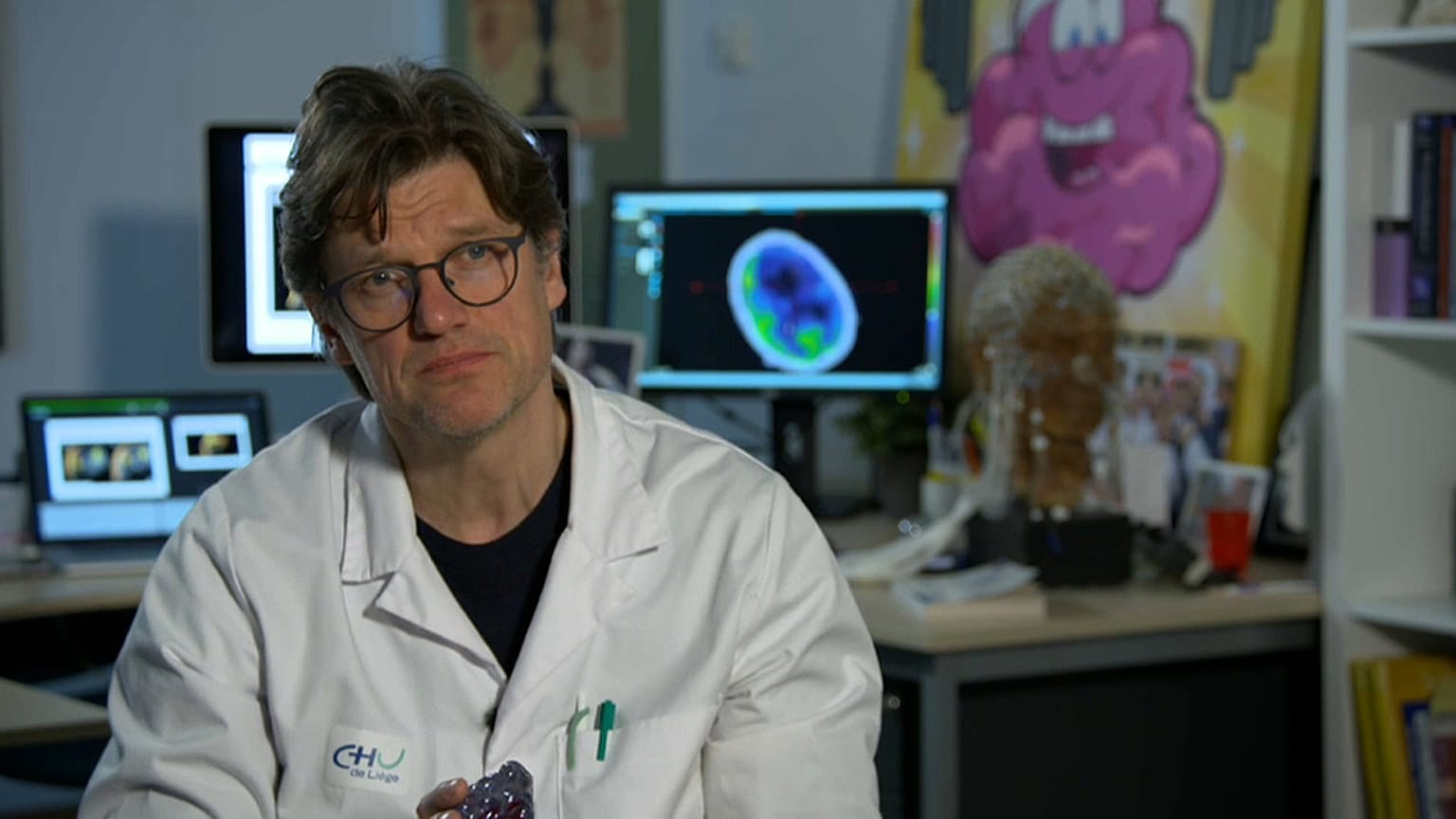
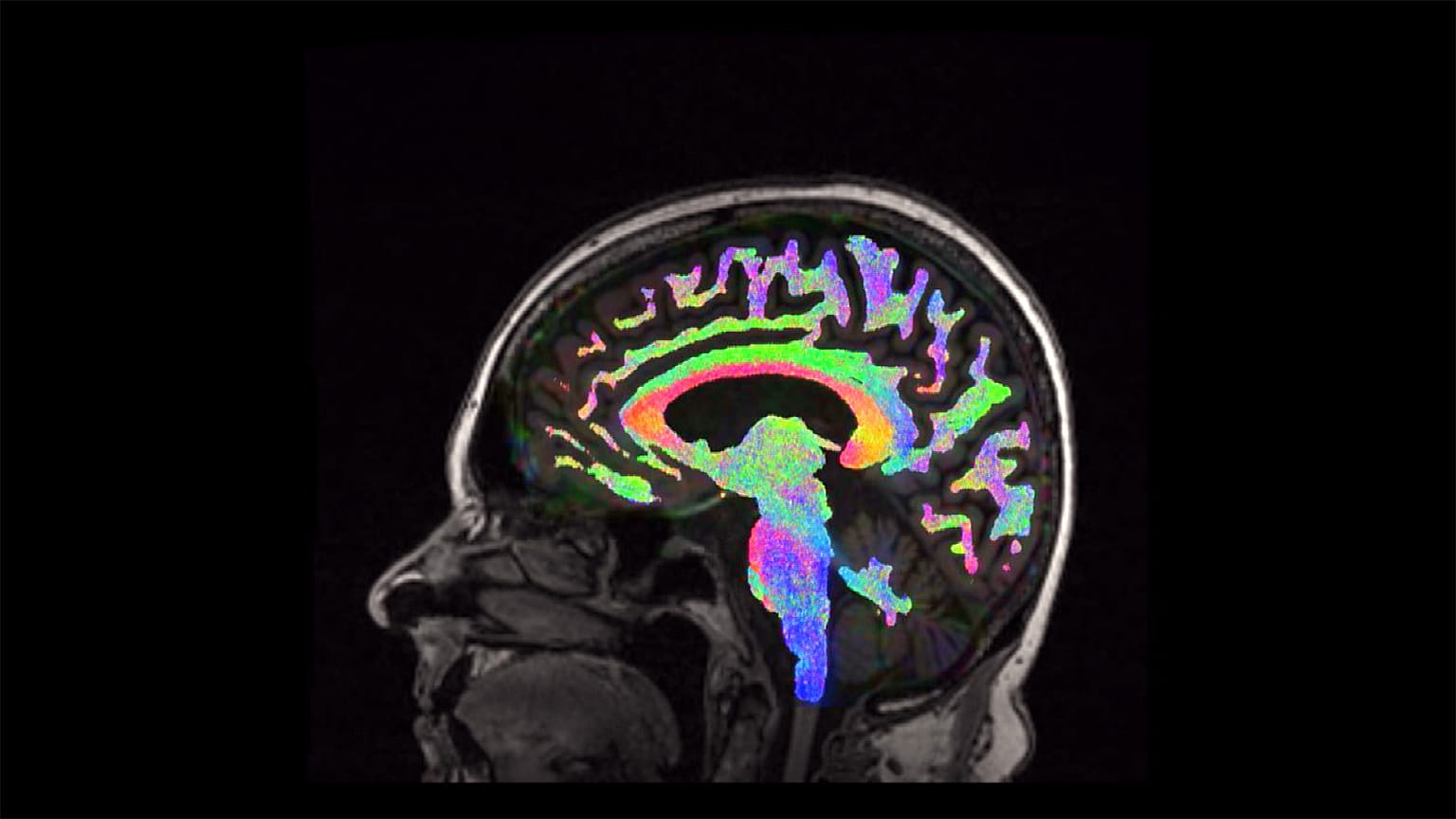
Futuris meets doctors from across Europe who have joined forces as part of a European project aimed at improving treatment for patients with traumatic brain injuries.
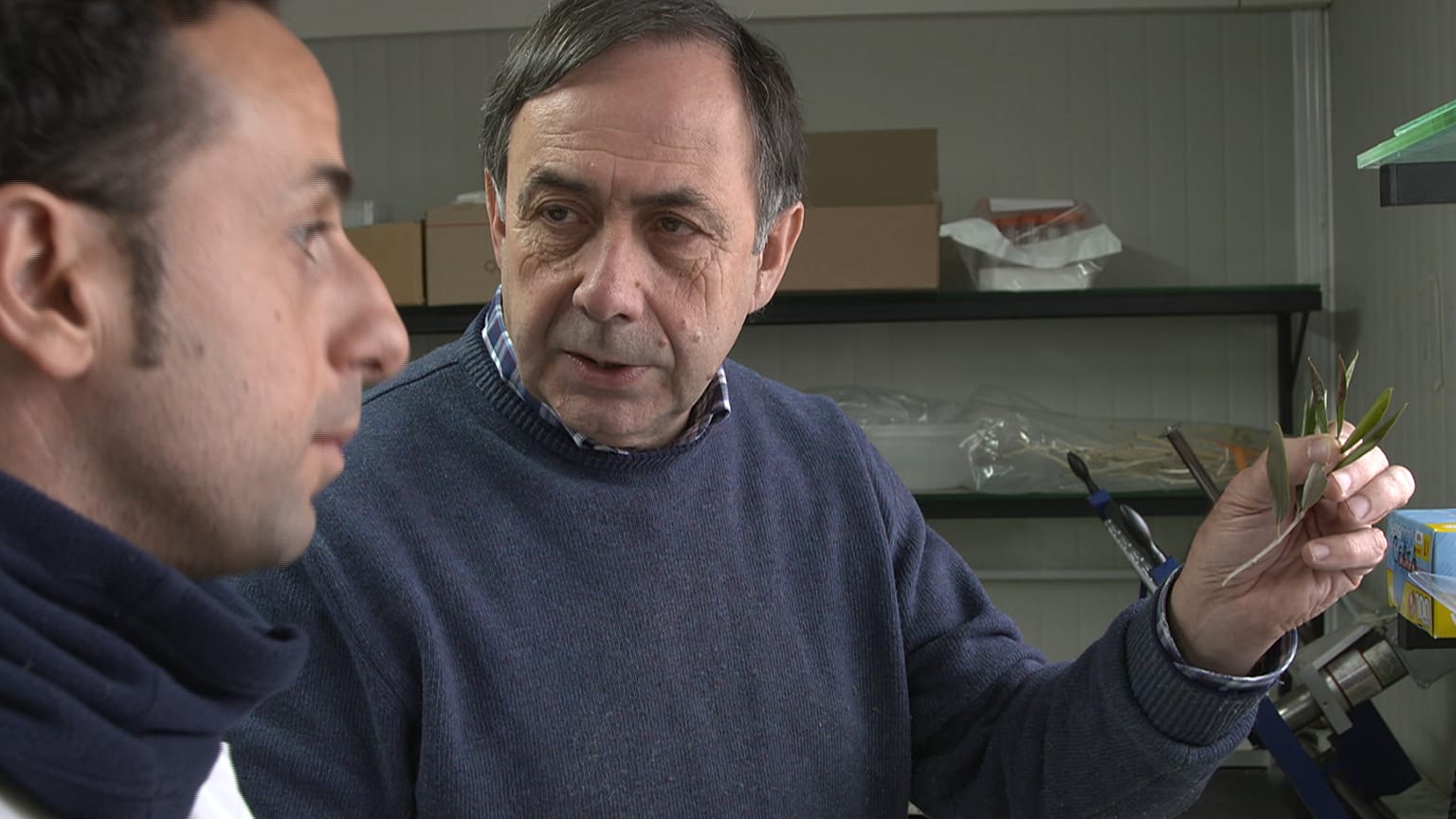
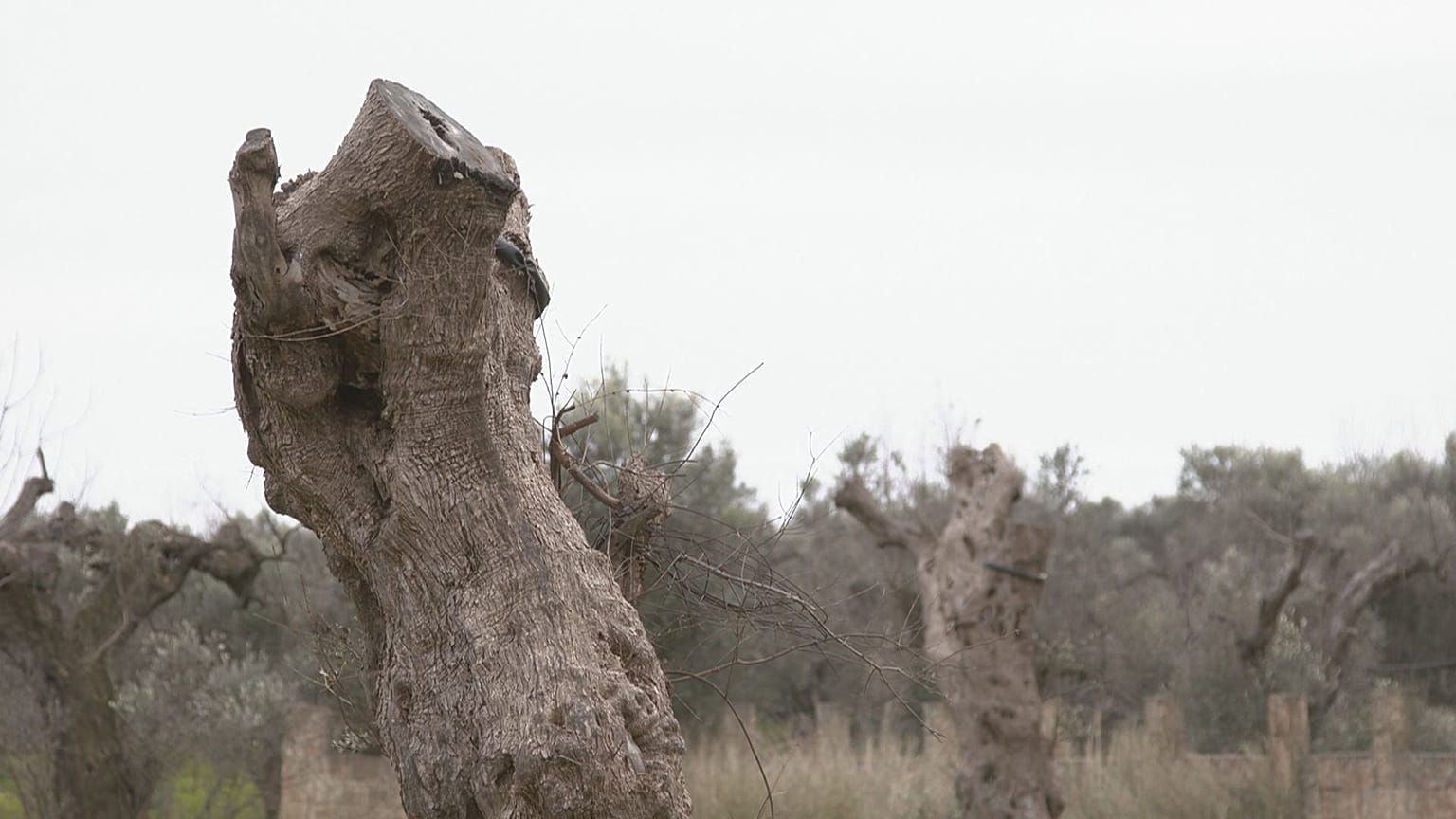
In this episode of Futuris, Euronews' Julian Gomez travels to Italy to look at a European research project that's attempting to find a cure for the deadly olive tree disease Xylella Fastidiosa.
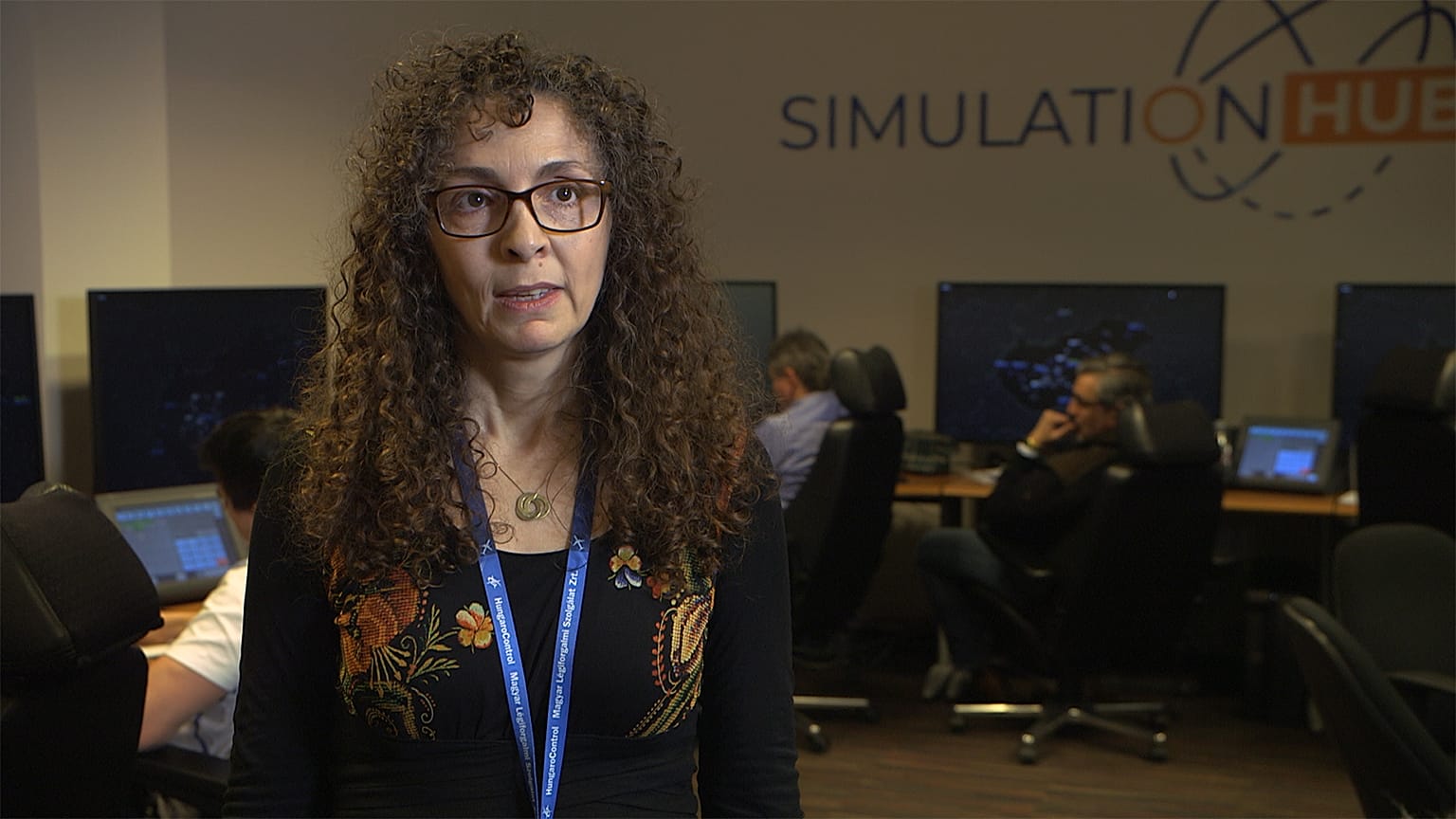
The volume of air traffic in European skies of Europe is constantly increasing. In the future, to handle the new workload, there will be remote control towers that can handle multiple airports at the same time.
In this episode of Futuris, Euronews' Denis Loctier looks at a new EU funded research project developing new tools to measure toxic particles emitted by cars.
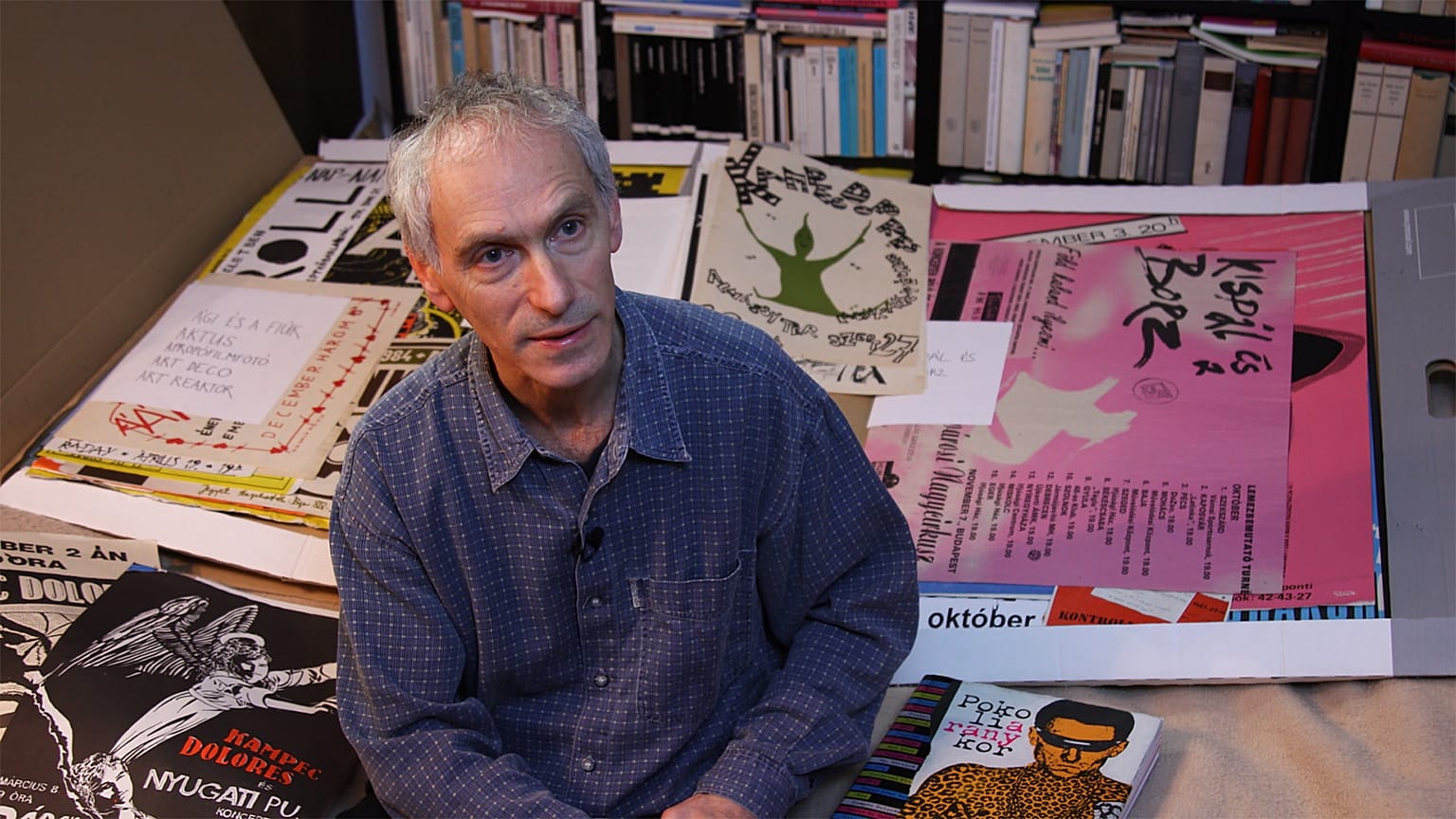
In our Futuris series, we visited an escape room in the Hungarian capital, Budapest. A new European research project is working to preserve historical material related to cultural resistance from the communist regimes in Central and Eastern Europe. But how are they achieving that?
Drones, VR, AI, 3D printing and scanning: how can all these new technologies help design the buildings of tomorrow? In search of answers, architects have teamed up with engineers and their findings have been shared at an exhibition in Copenhagen.
In this Futuris, Euronews' Julian Lopez travels to Sierra Leone to see how survivors, scientists and medics are joining forces in an effort to develop a vaccine against the deadly Ebola virus.
Artificial intelligence is being used at the University of Innsbruck, part of the EU's READ project, to automatically transcribe previously unintelligible historical documents, and make the system available as a phone app.
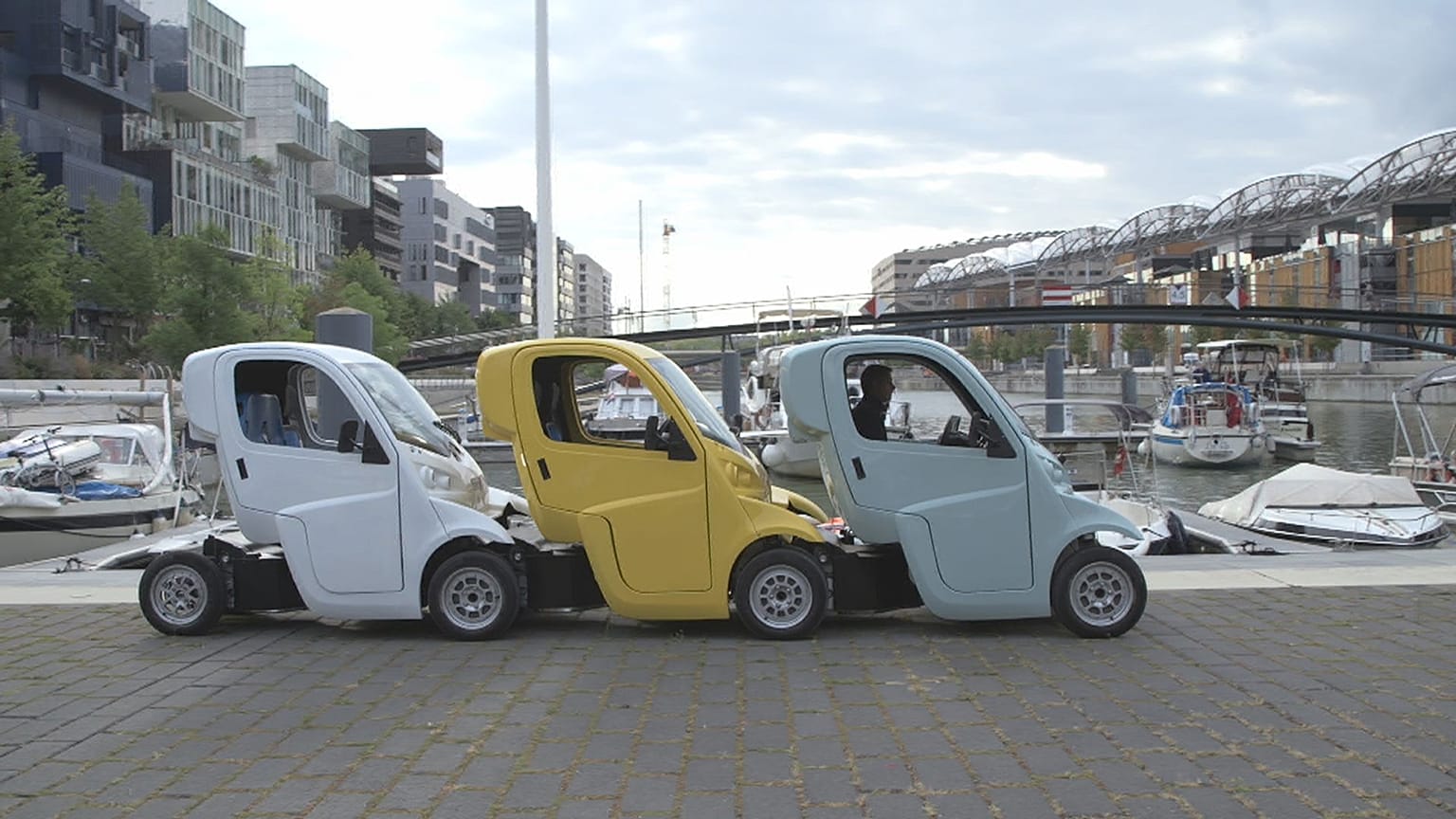
Grouping vehicles in efficient "trains" has long been suggested as a cure for congestion, but with electric vehicles now becoming more common, EU scientists have tackled a host of technological challenges to make them possible, and improve air quality, too.
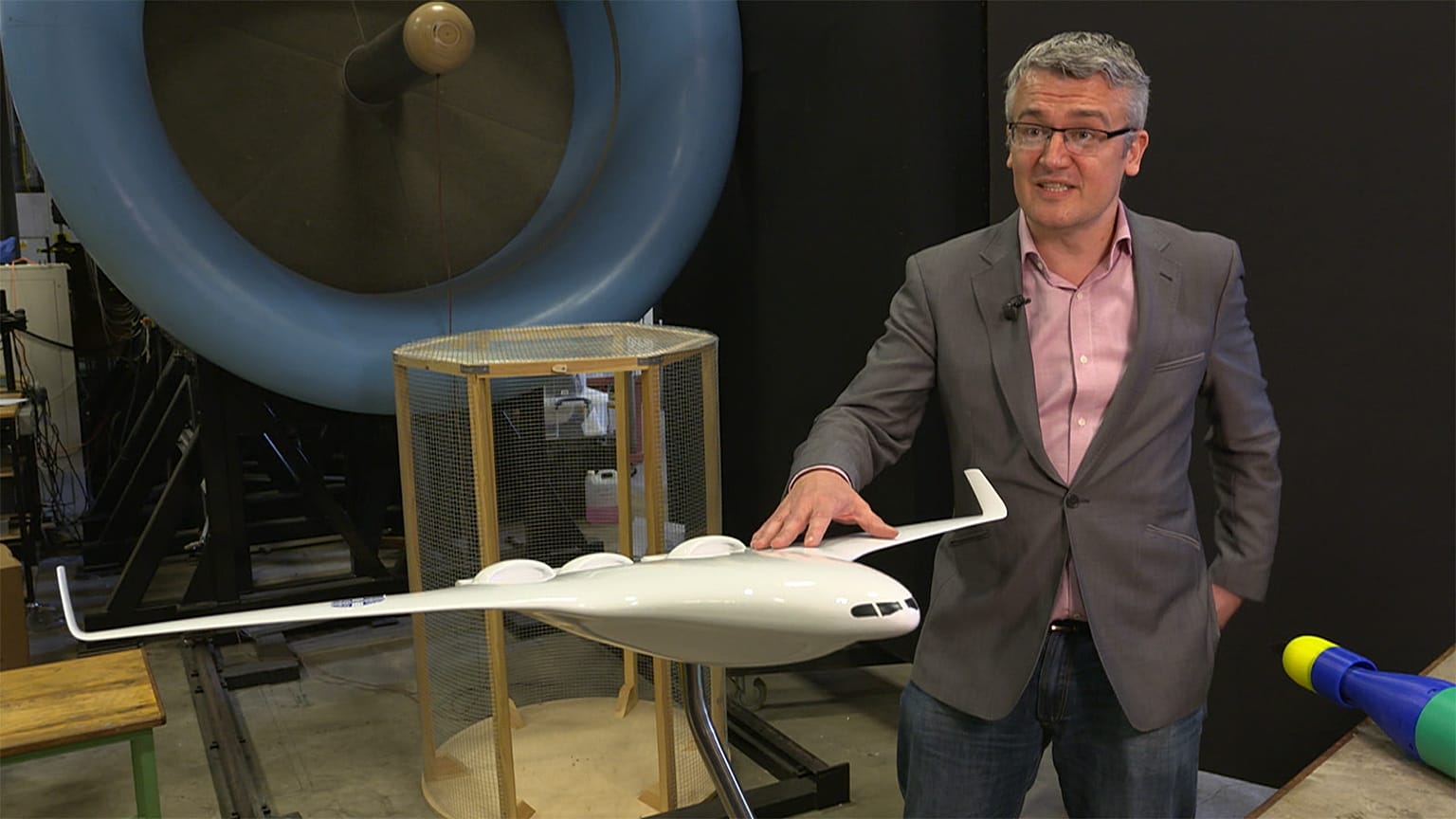
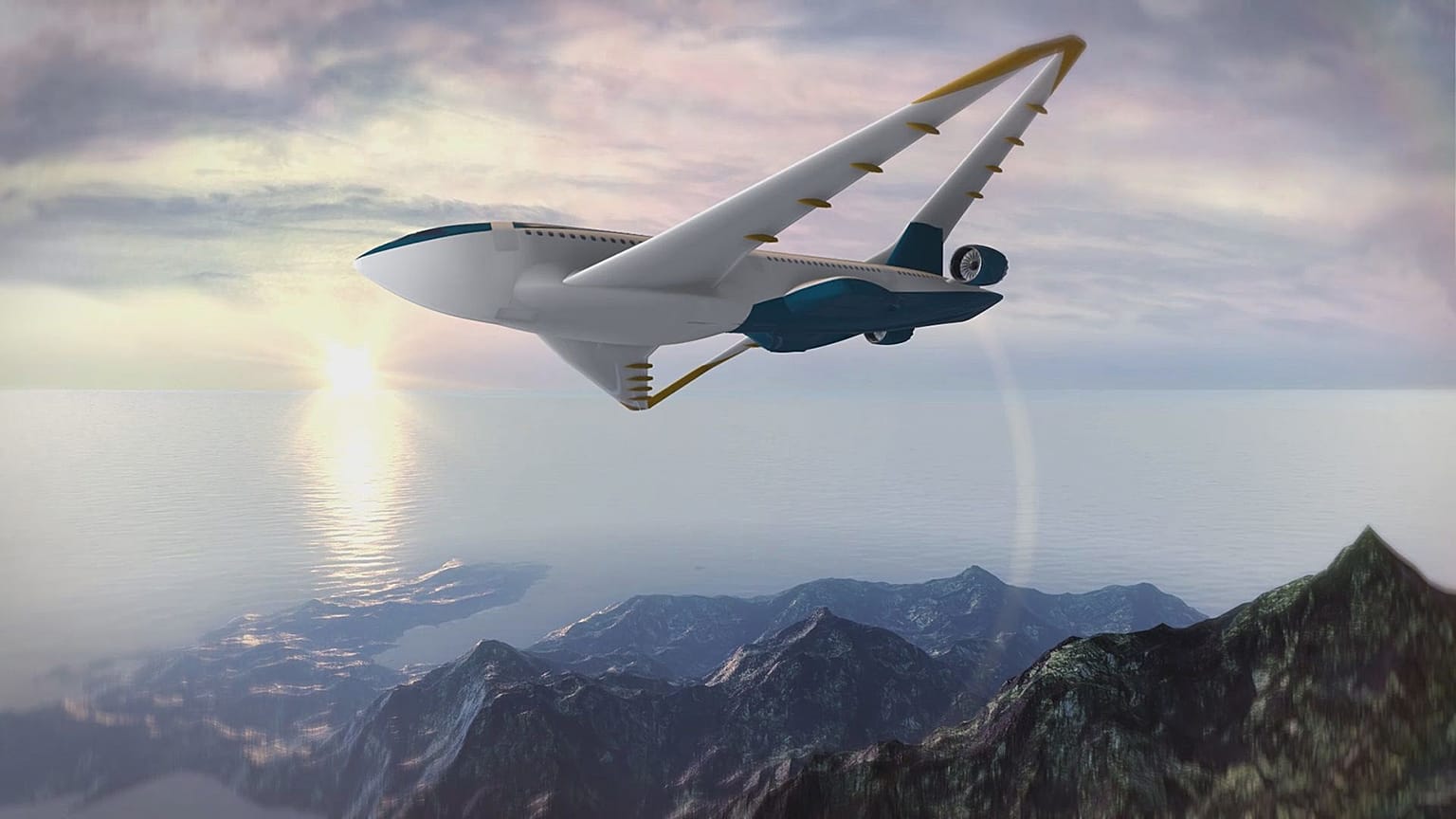
Air travel needs to become less polluting and more economical as a matter of urgency; one part-EU-funded reserach project is taking giant strides towards a revolutionary wing design.
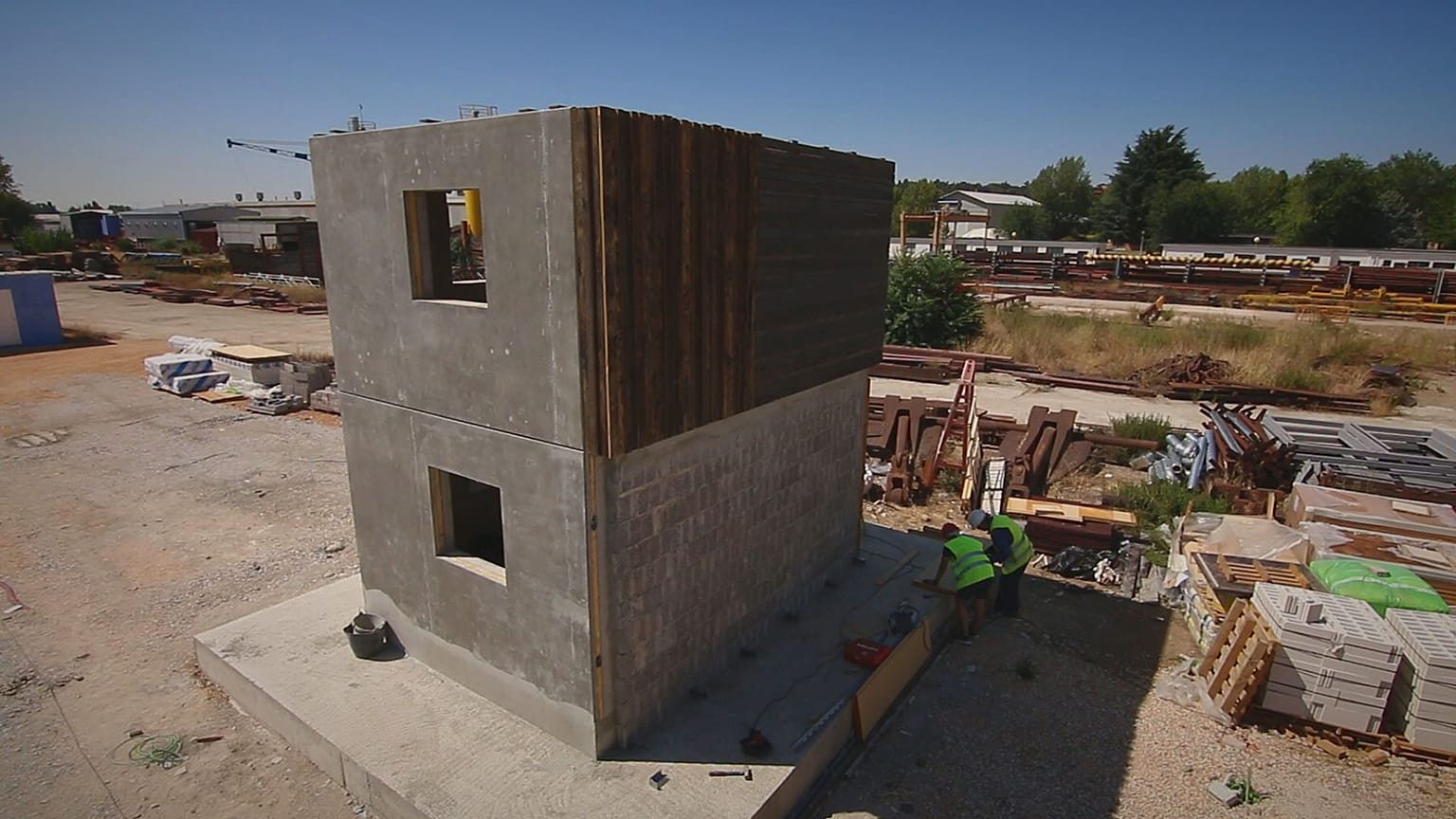
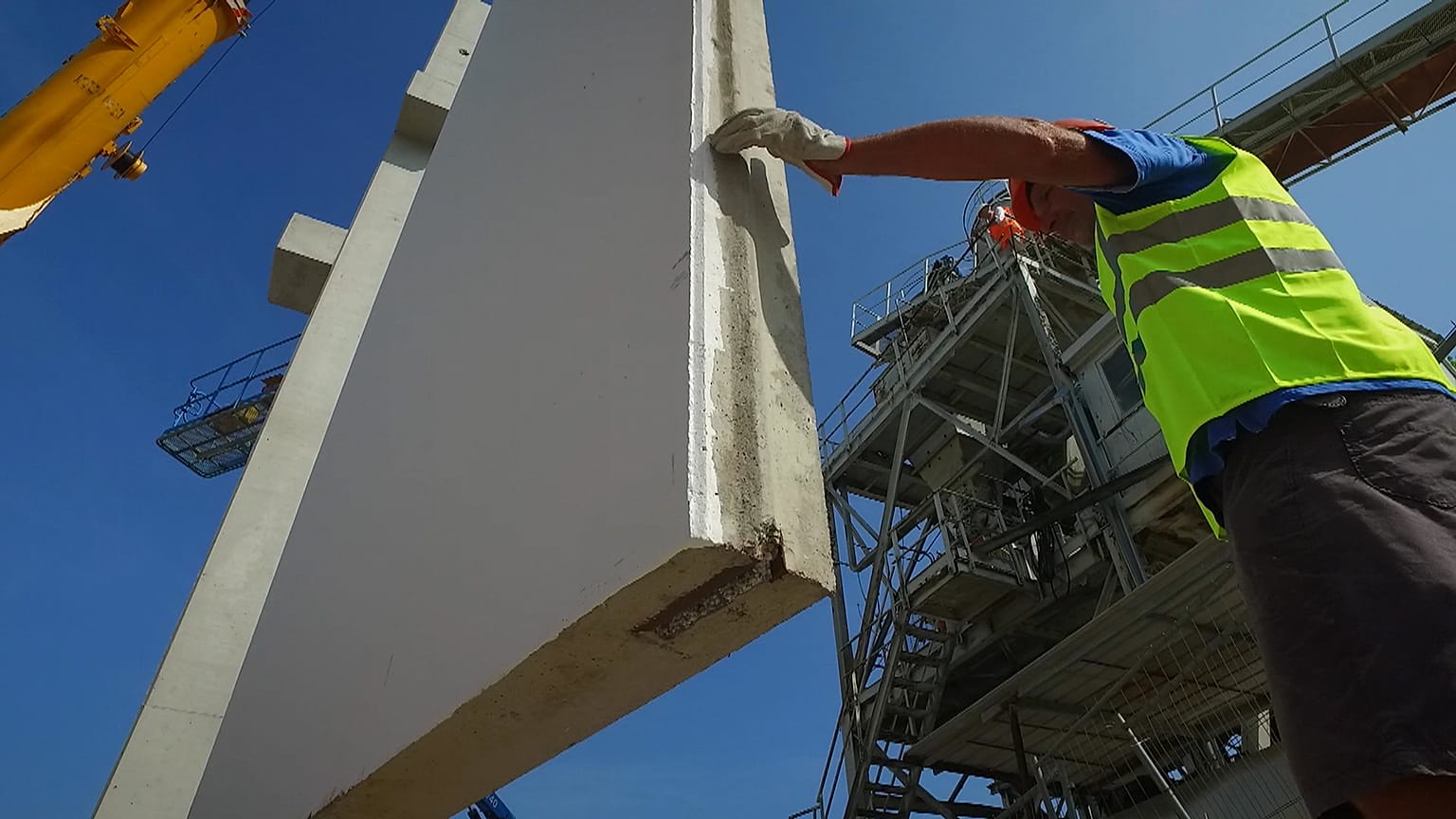
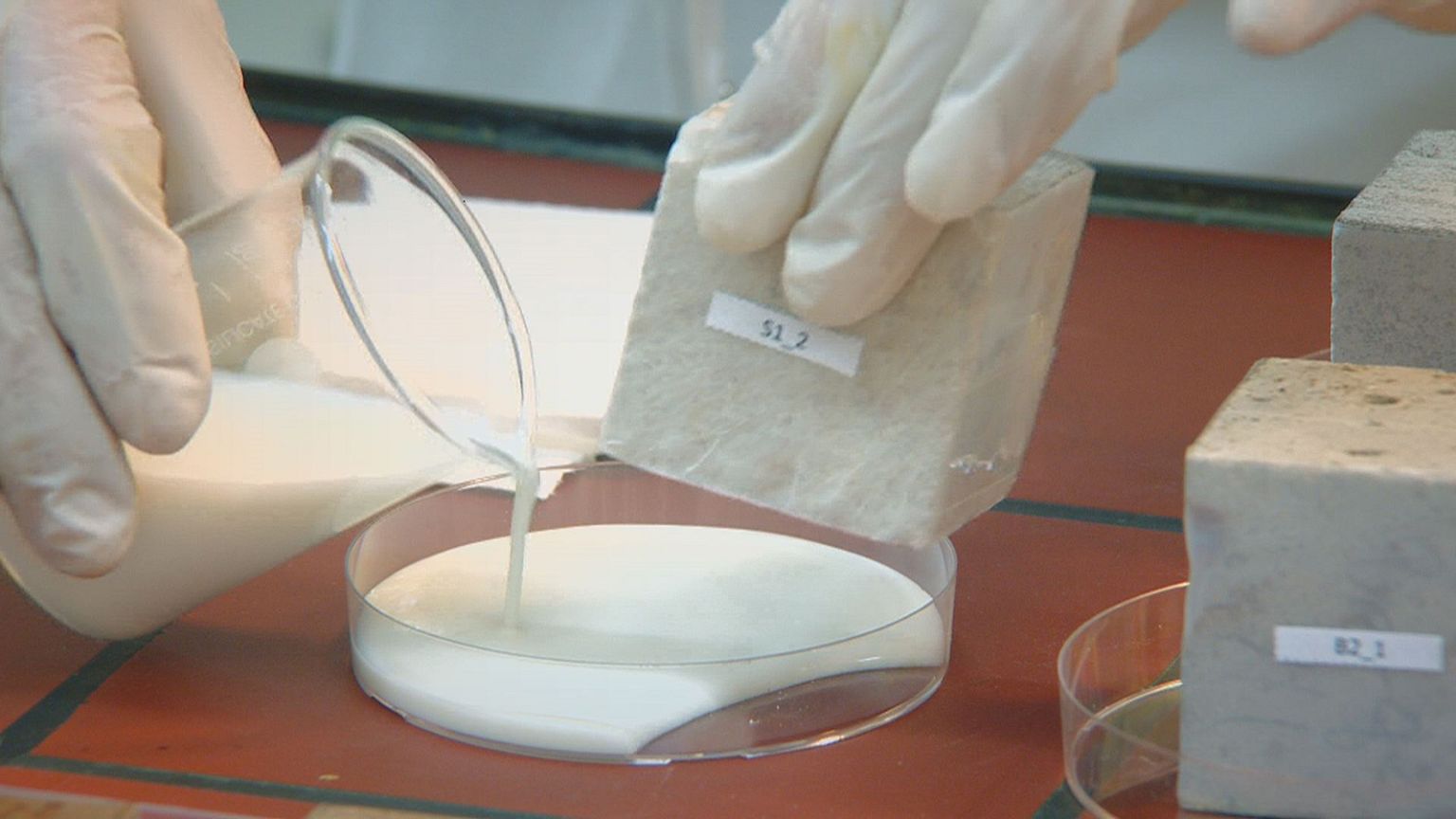
Cheaper to manufacture, less damaging on the environment, and with better insulating properties - these are the aims of European research into the world's number one building material.
Experiments in Spain could also lead to a salt-resistant rice strain that may prove invaluable in the future as rising oceans threaten rice paddies the world over.
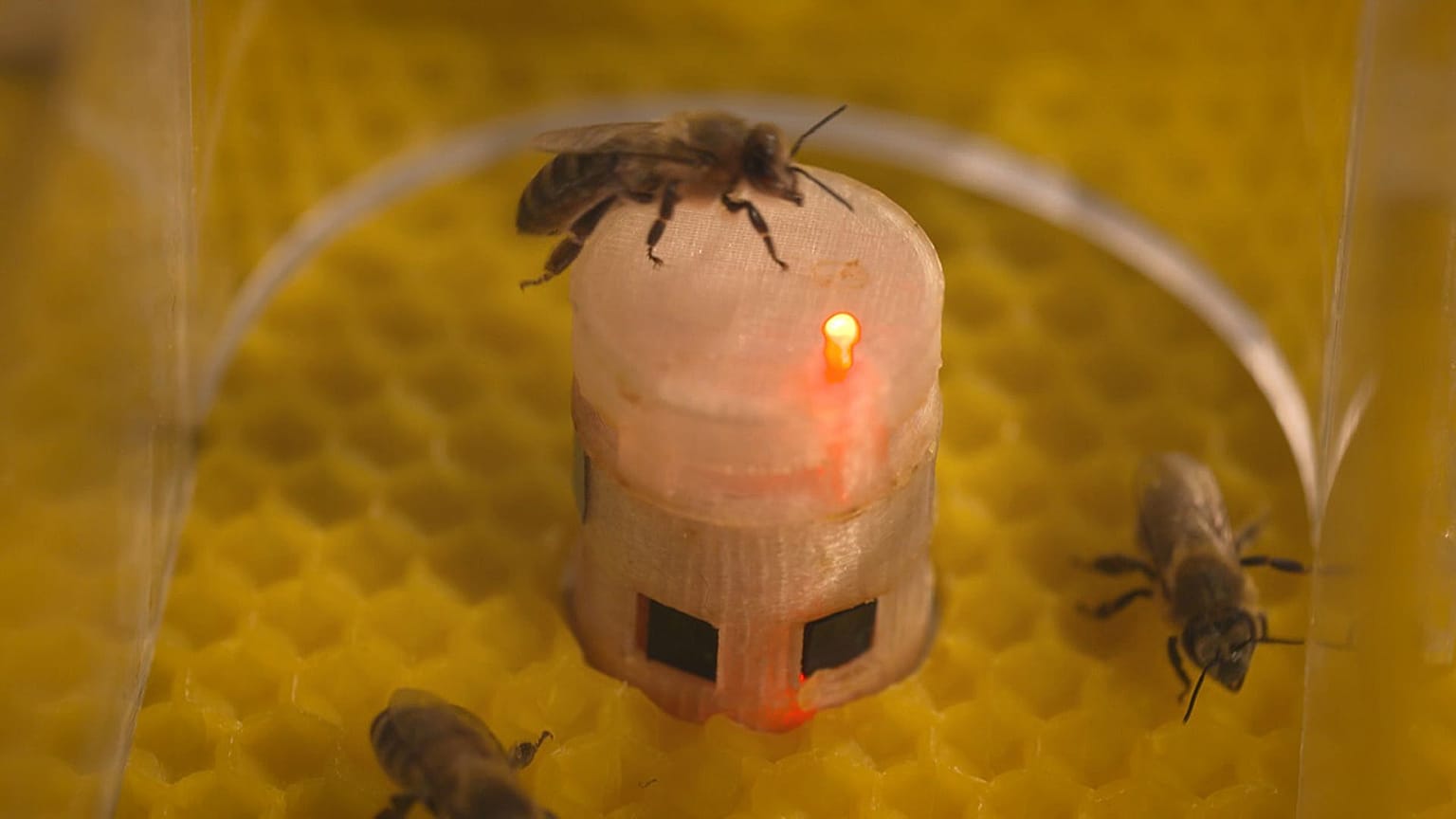
European scientists are trying to save the bee population by creating robotic helpers to warn them of dangers, by reproducing the insects' hive mentality, and communication techniques.
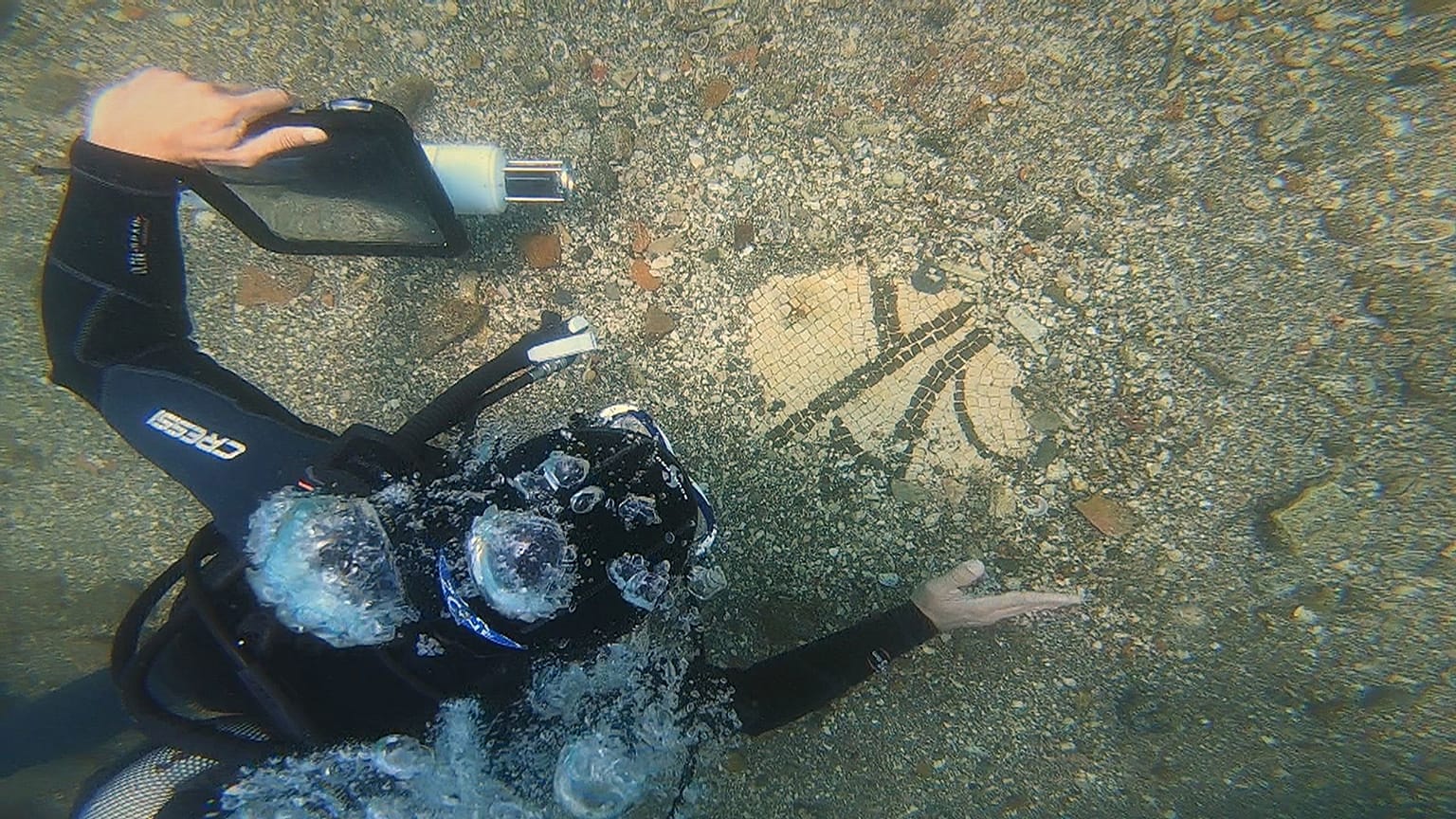
A research project in Italy means divers exploring underwater may soon be able to take their tablets with them to locate treasures, with a VR app that can also be used on dry land to enhance museum exhibitions and classroom lessons.
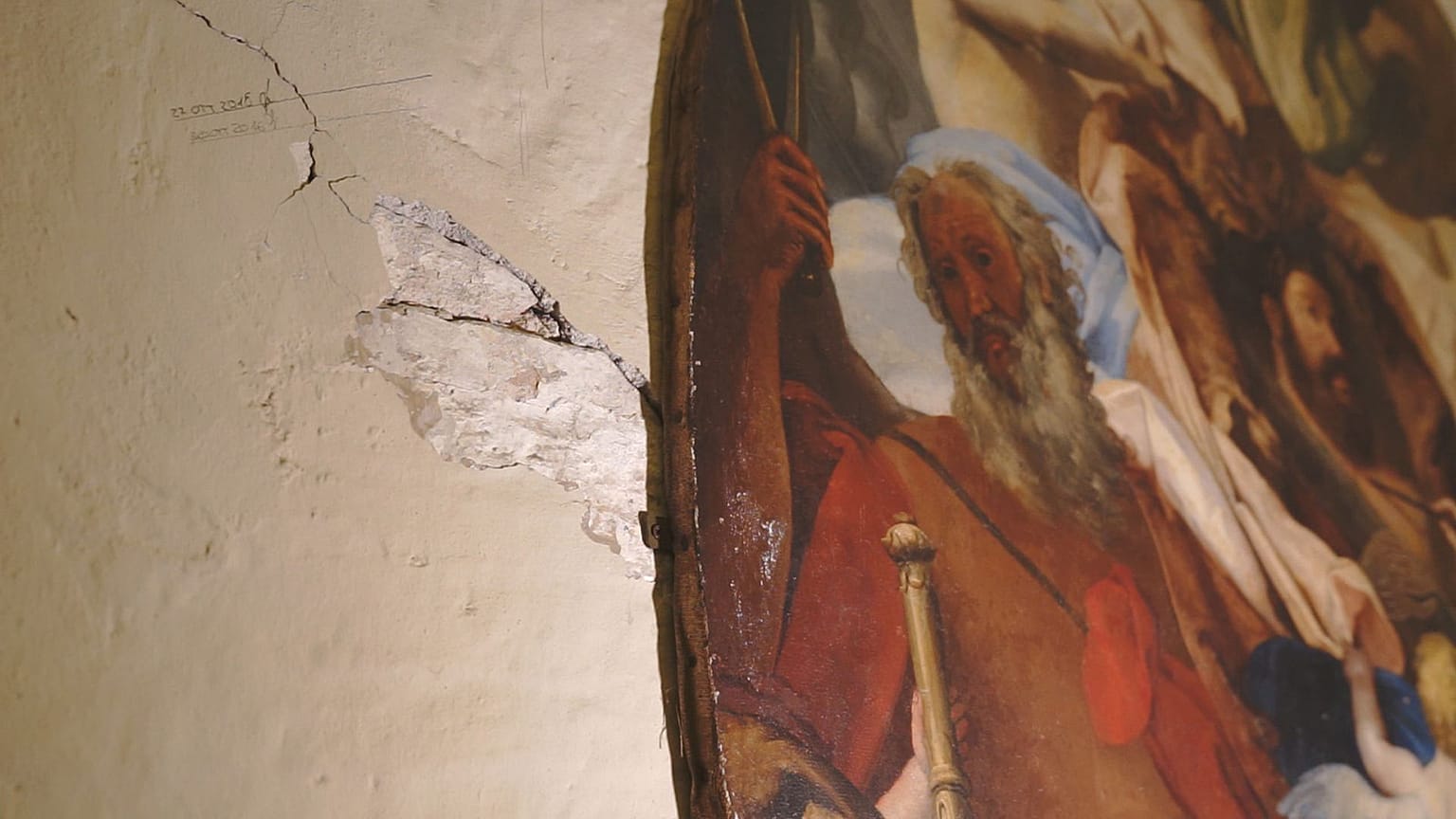
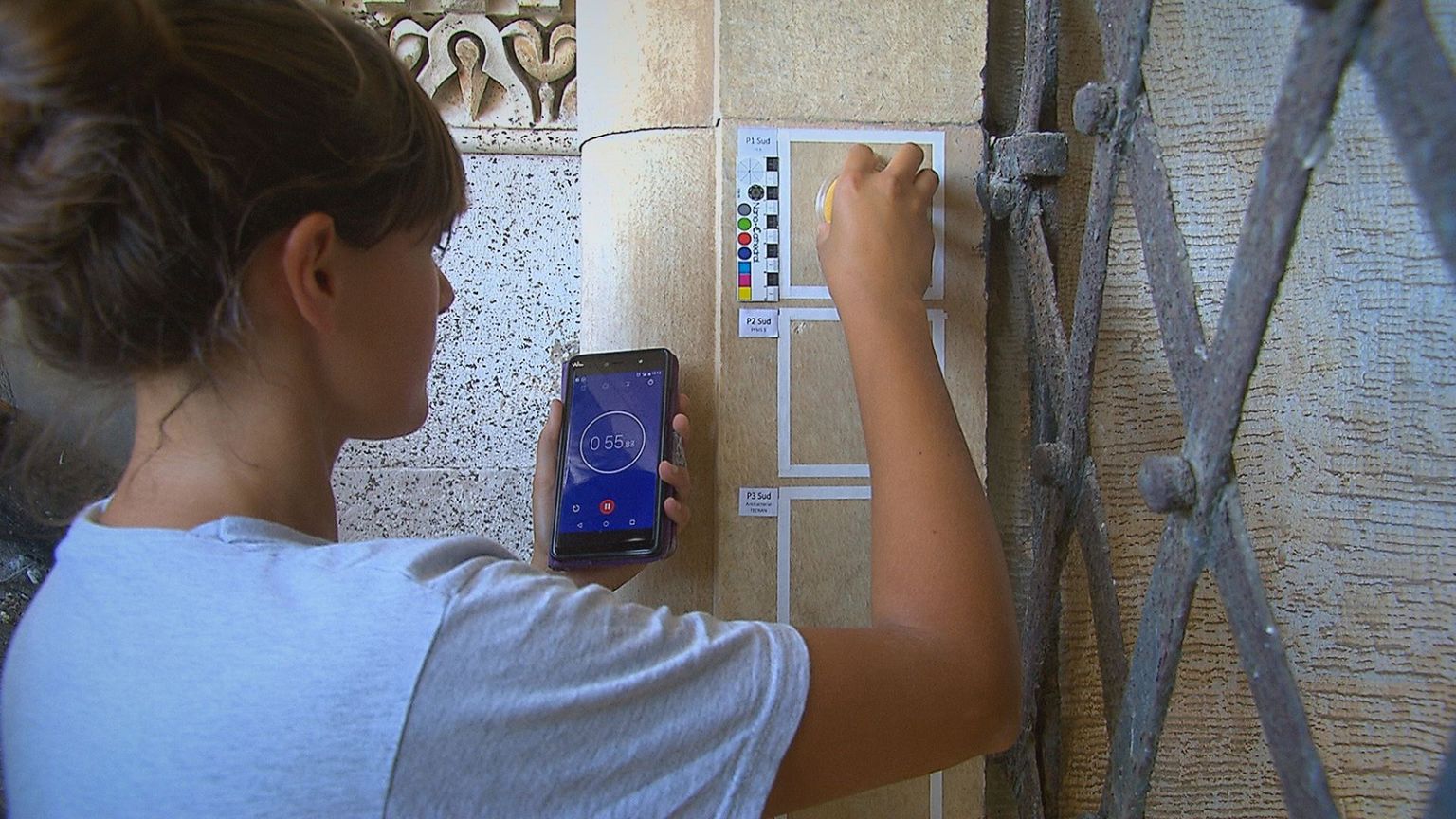
The 14th century Palazzo dei Consoli is one of Gubbio's most iconic buildings. But the cracks appearing in its stone walls are raising concern that the ground under the palazzo may be shifting. Are we at risk of losing our historic heritage to climate change?
Inside the millions of containers arriving in Europe, there are also illegal goods such as weapons, drugs or radioactive materials. How to make customs controls more effective without slowing down unloading operations? An answer comes from the C-Bord project.
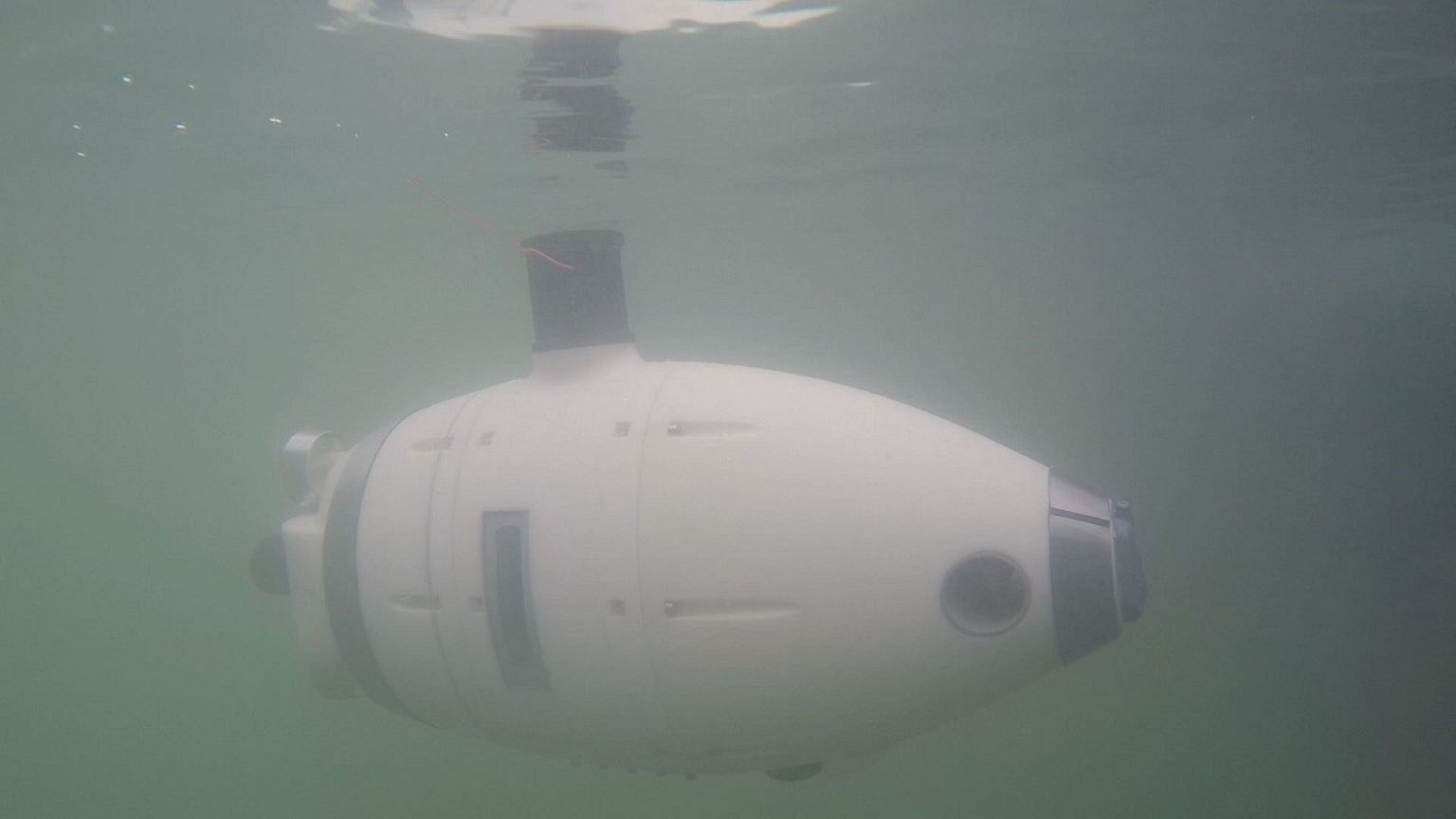
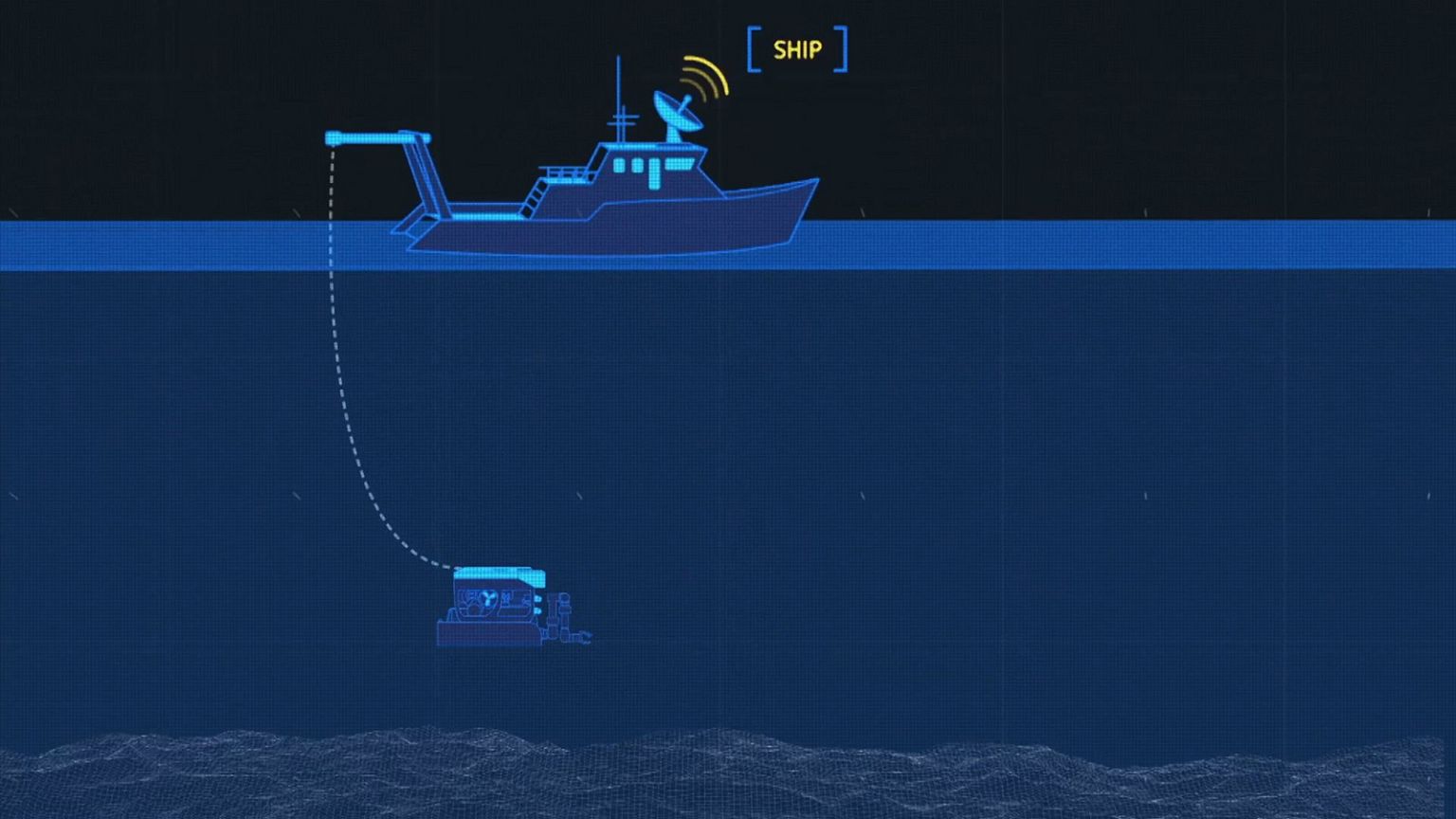
A European research project is using a robot to boldly go where no one has potentially gone before. An underwater sphere stuffed to the gills with technology is capable of entering a mine, mapping it and returning on its own.
Biologists across Europe have been carrying out detailed research to find out how effective Butanext, a biofuel from wheat straw, could be to replace finite fossil fuels.
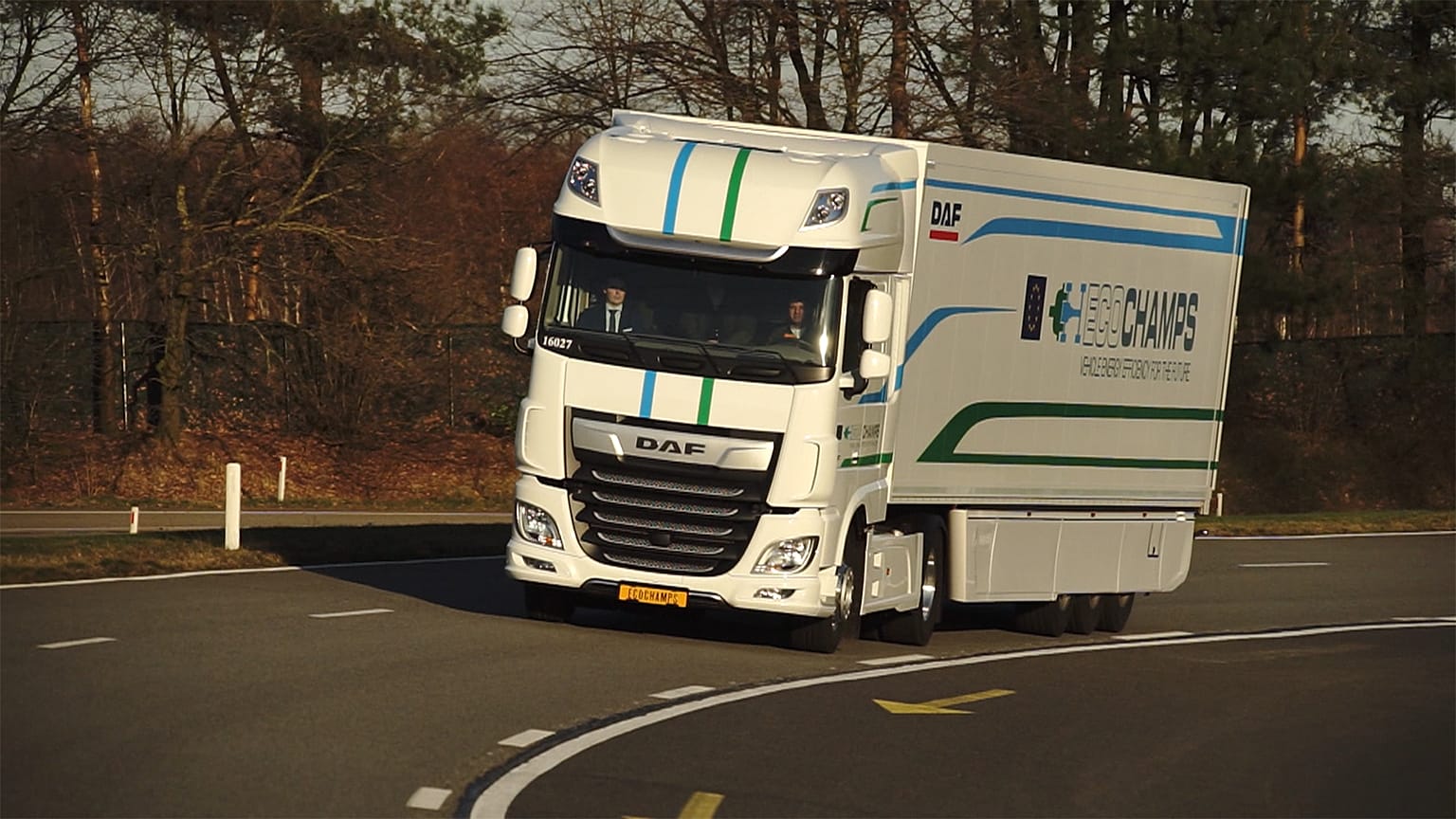
Eight European countries are at the forefront in developing hybrid technology for vehicles with the aim of improving engine efficiency and reducing polluting emissions with the ECOCHAMPS project
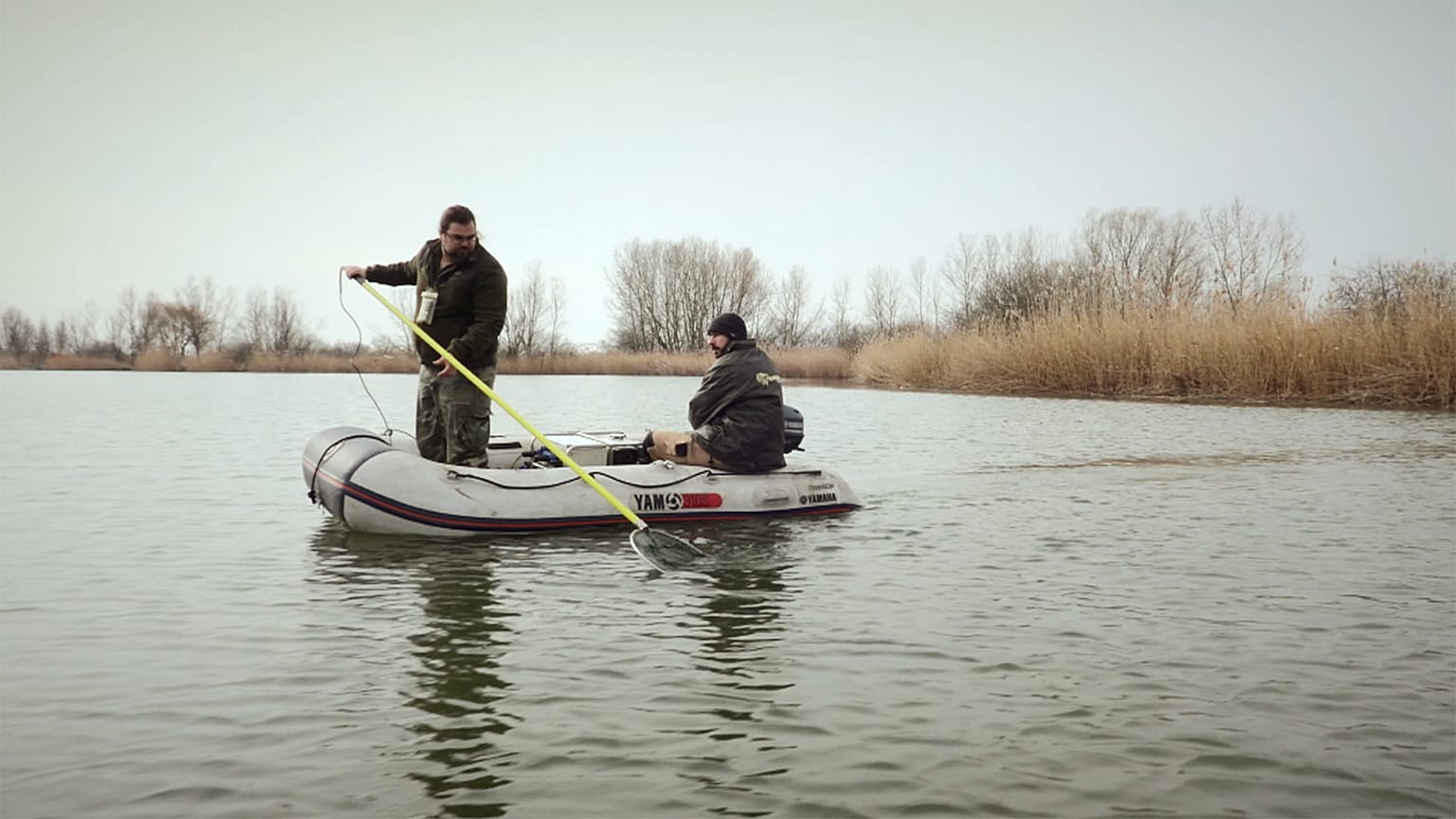
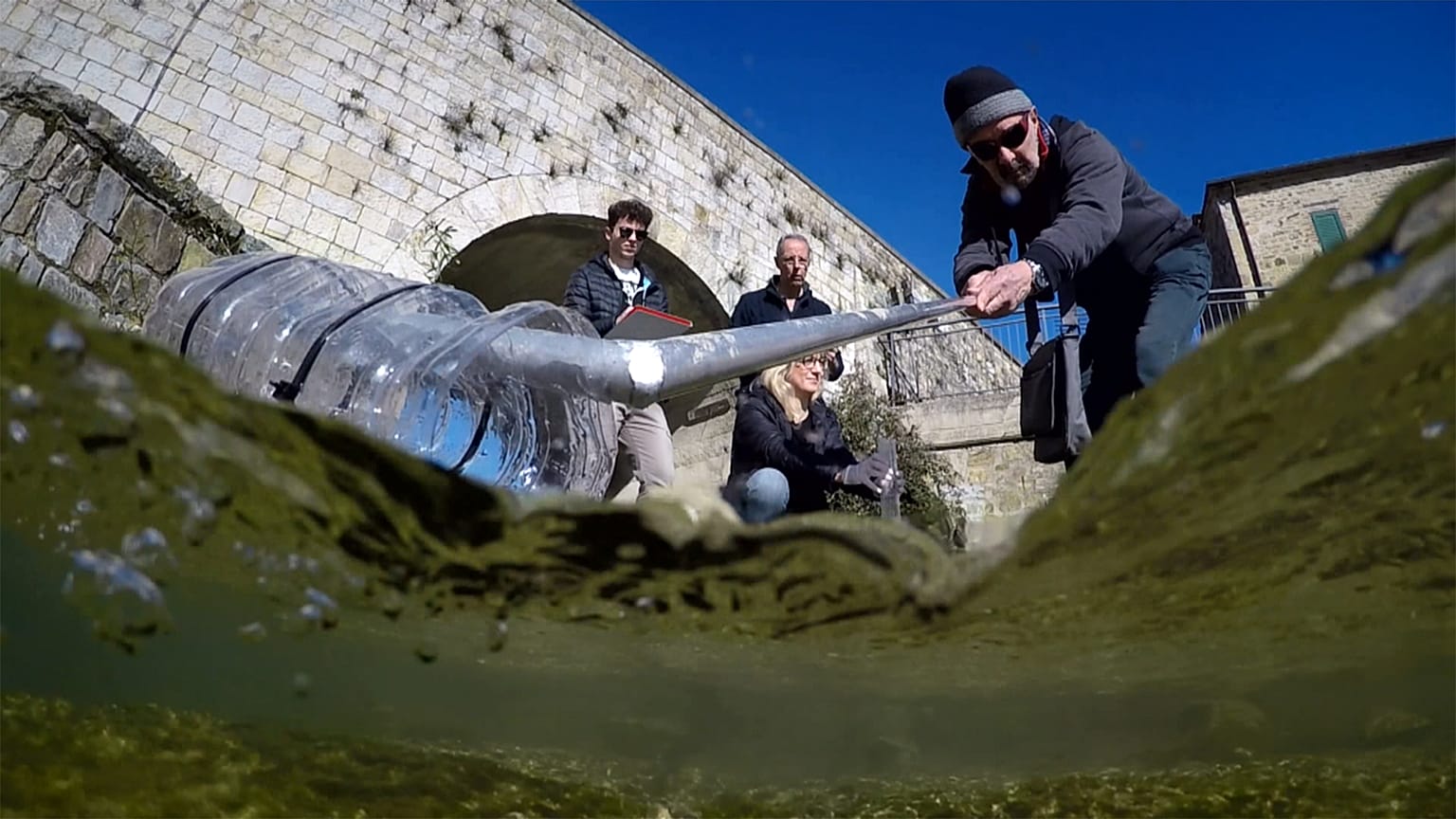
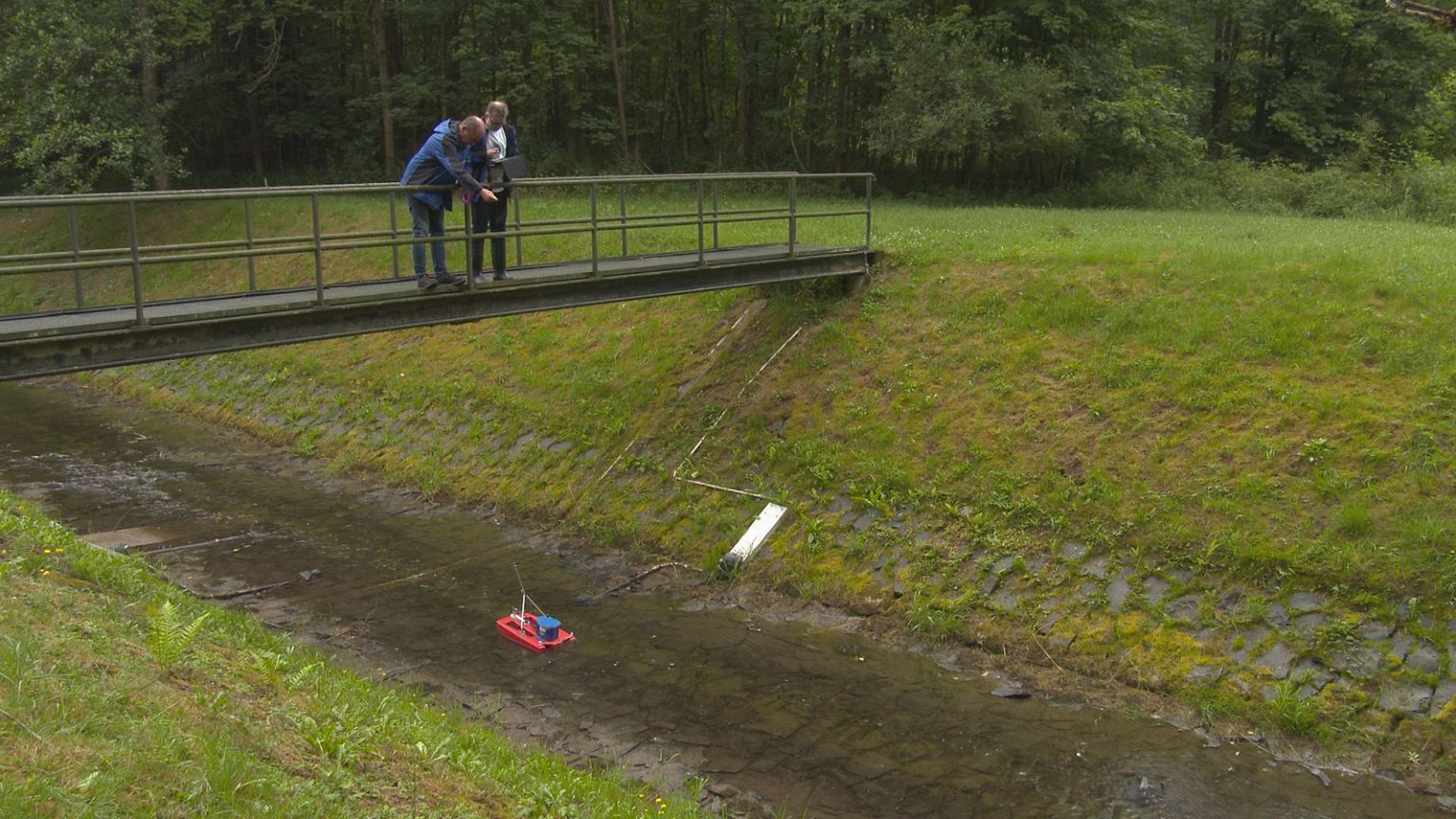
How much plastic ends up in our rivers? And what are the effects on our health and the environment? A group of Italian citizens and scientists have come together to try to answer these questions.
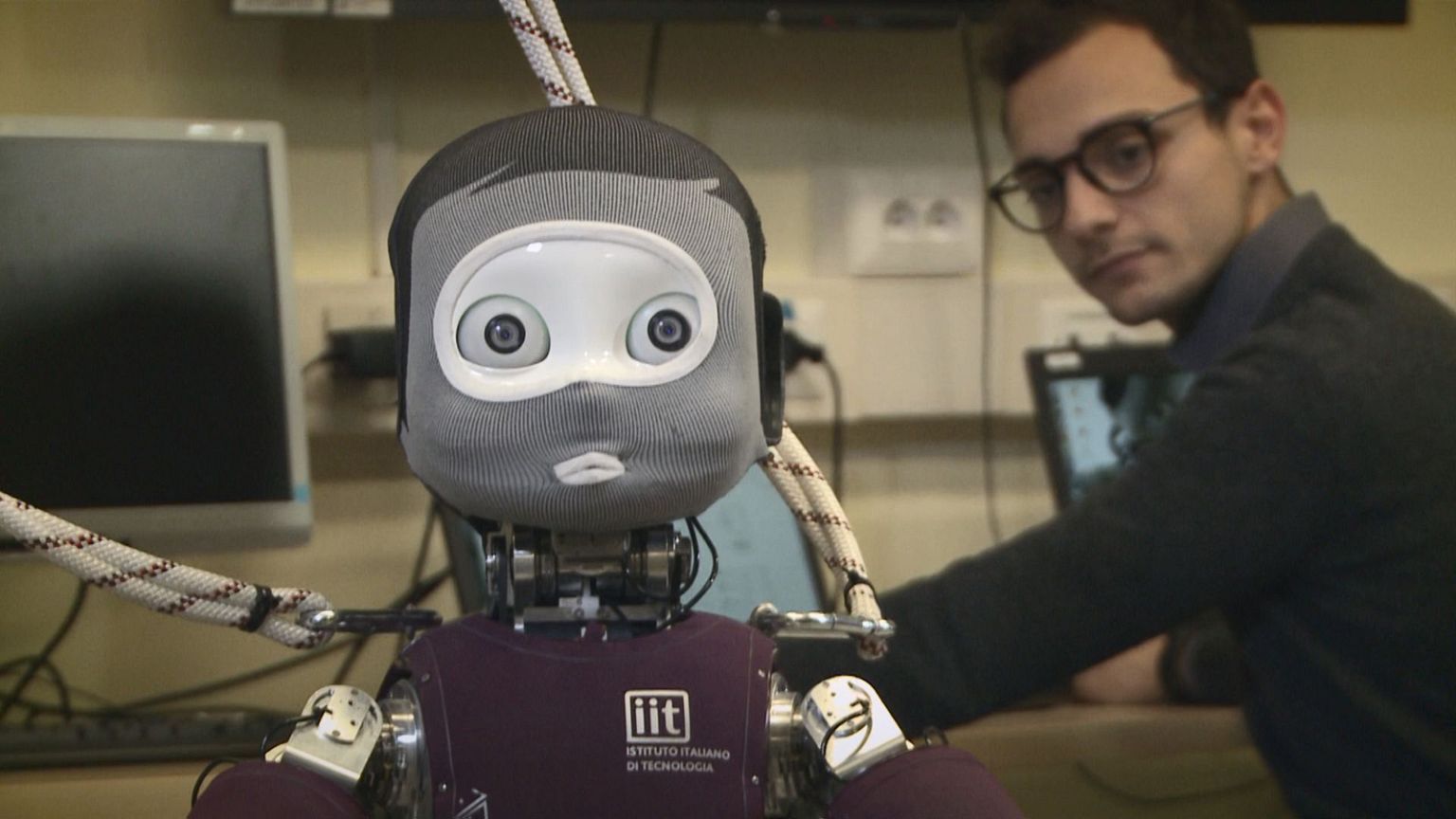
Italian scientists are developing humanoid robots that can observe and learn from human behaviour. Those robots can then collaborate with humans across a range of sectors.
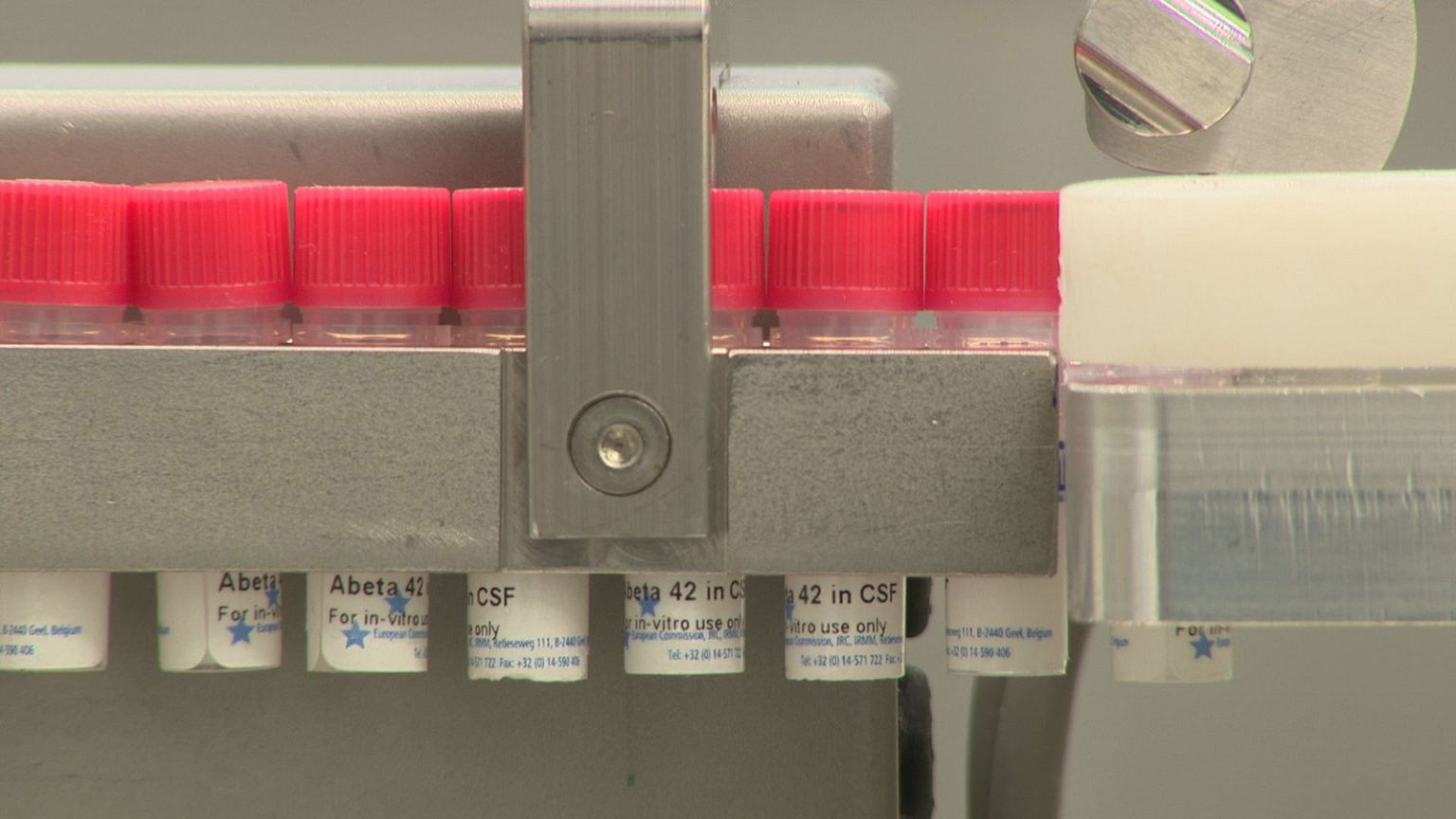
Over 40 million people in the world are diagnosed with Alzheimer’s No cure exists today However researchers are making rapid progress focussing on a small protein in the brain called Abeta…
In this edition of Futuris, we take you on a European tour to discover how the Internet of Things is changing everything from farming to water quality control.
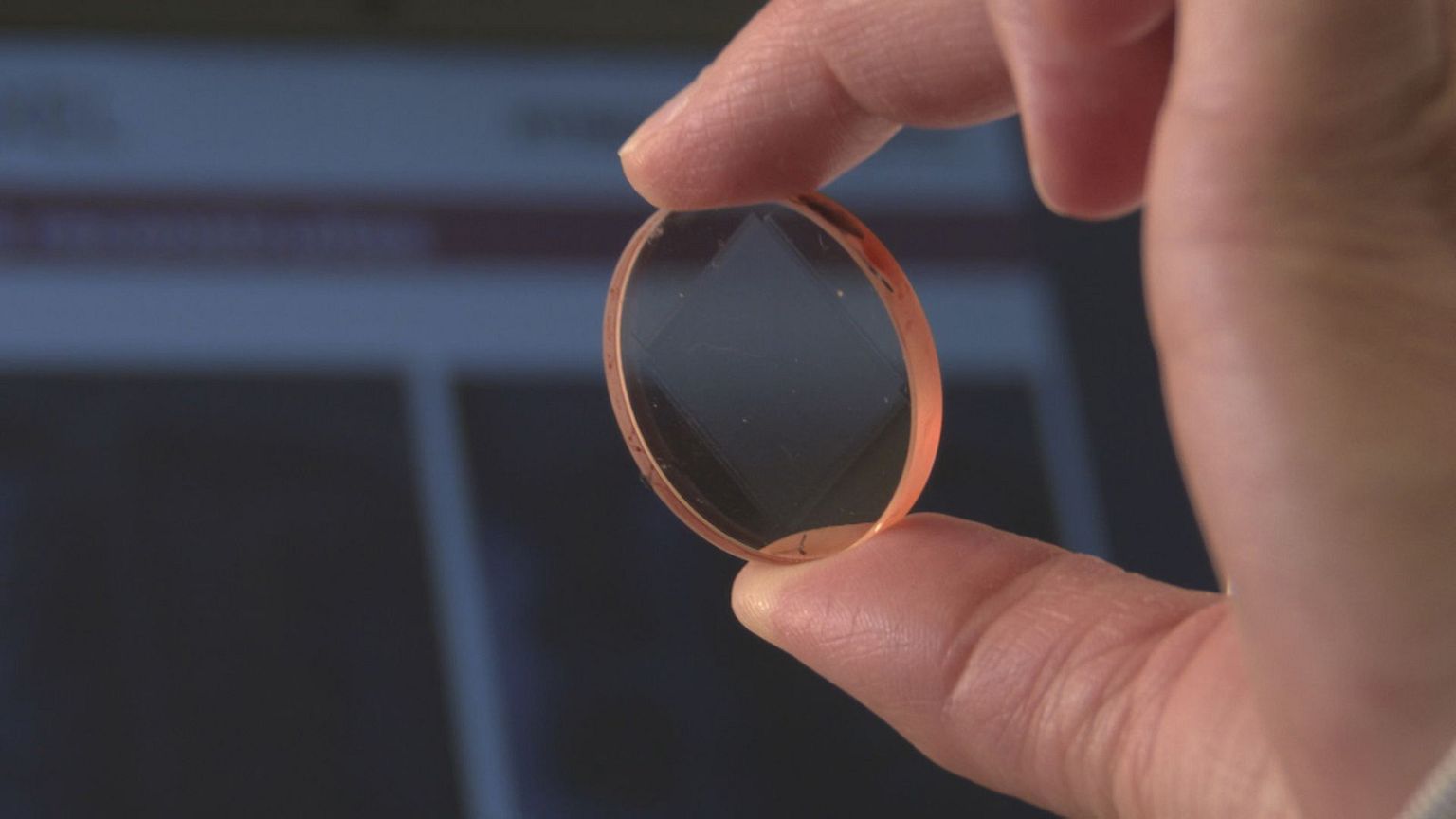
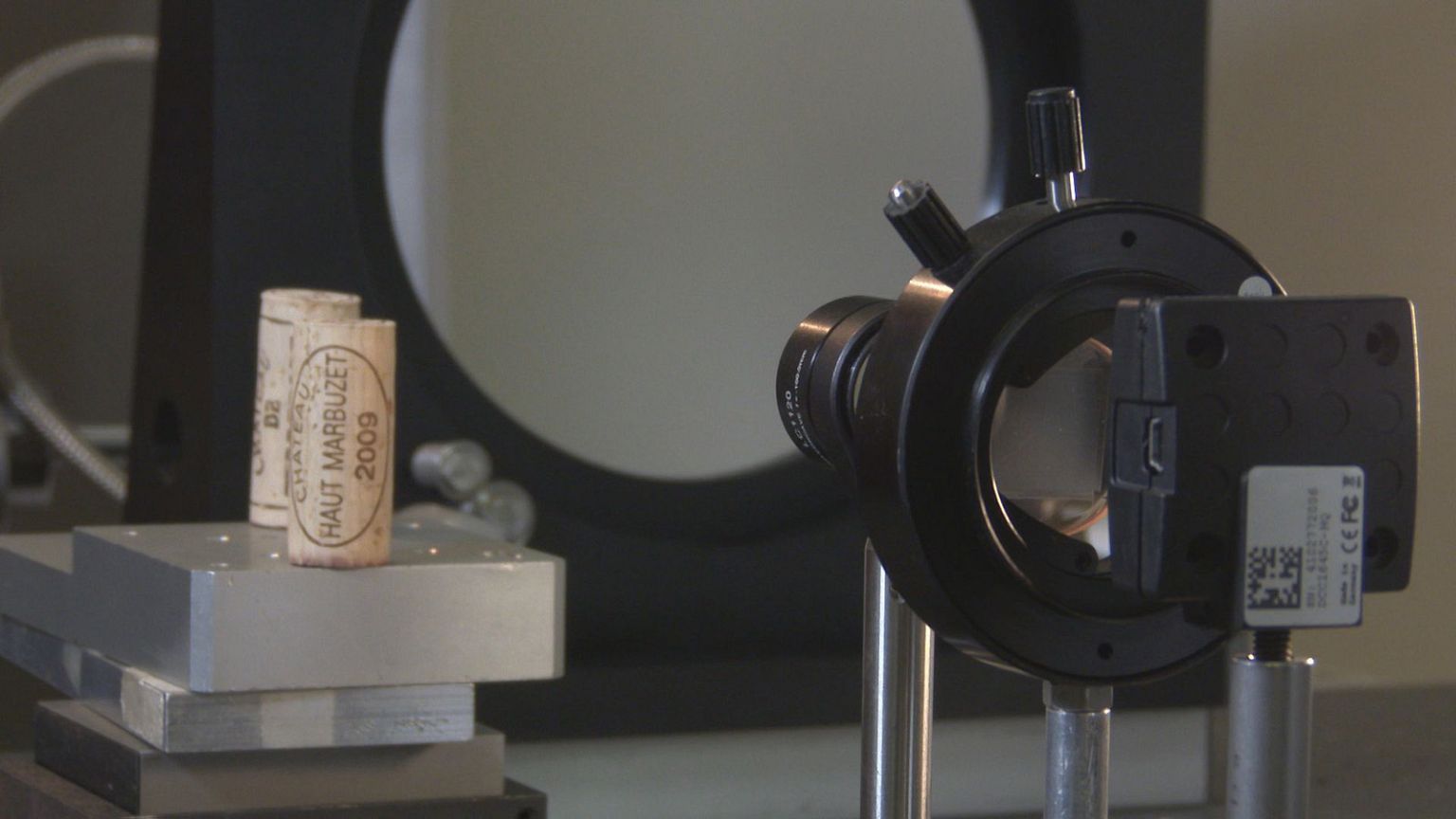
This experimental camera makes a 3D image from a single photo Two corks are positioned at different distances After the photo is taken, its focus point can be changed The secret is a special lens cove
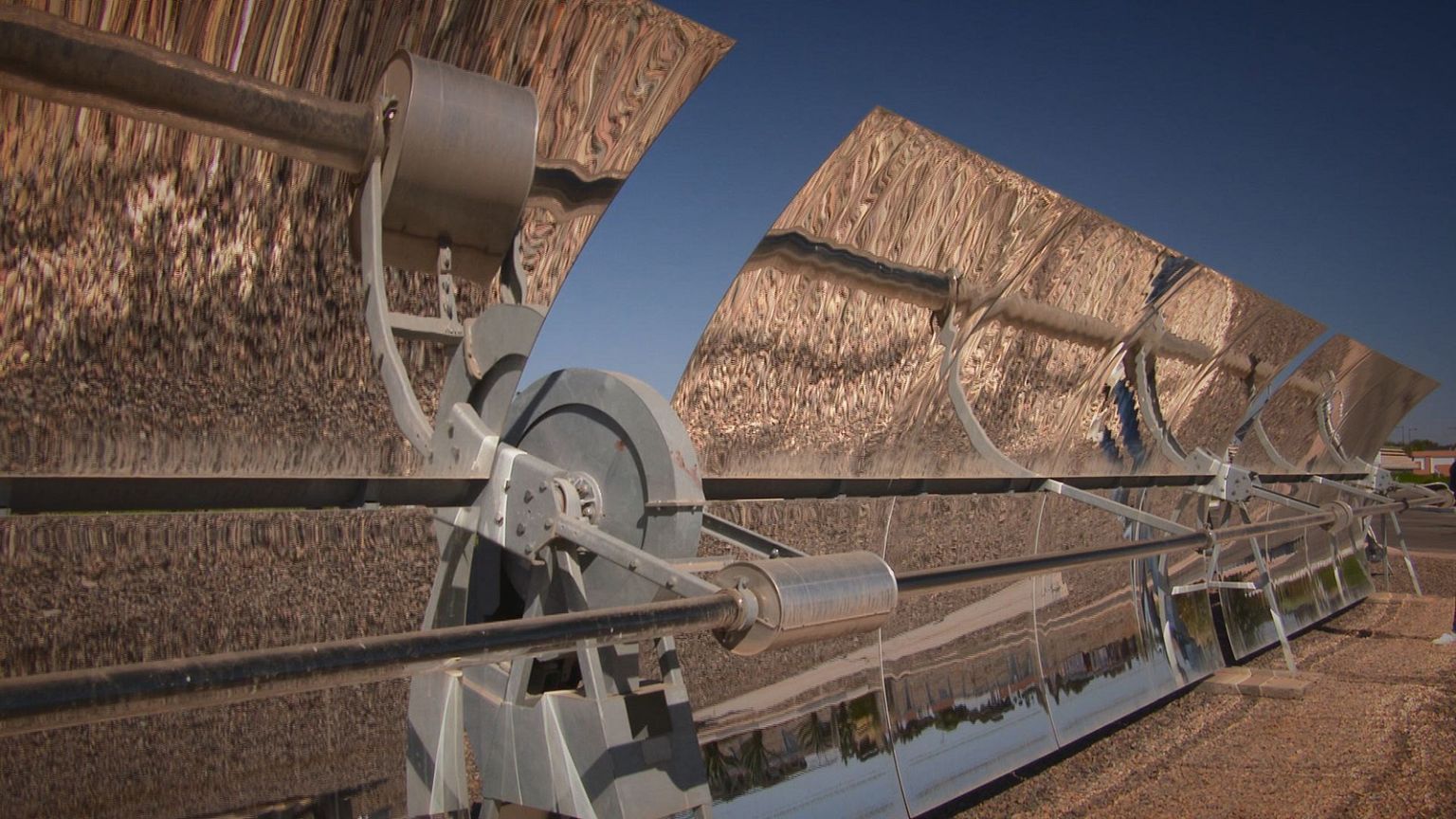
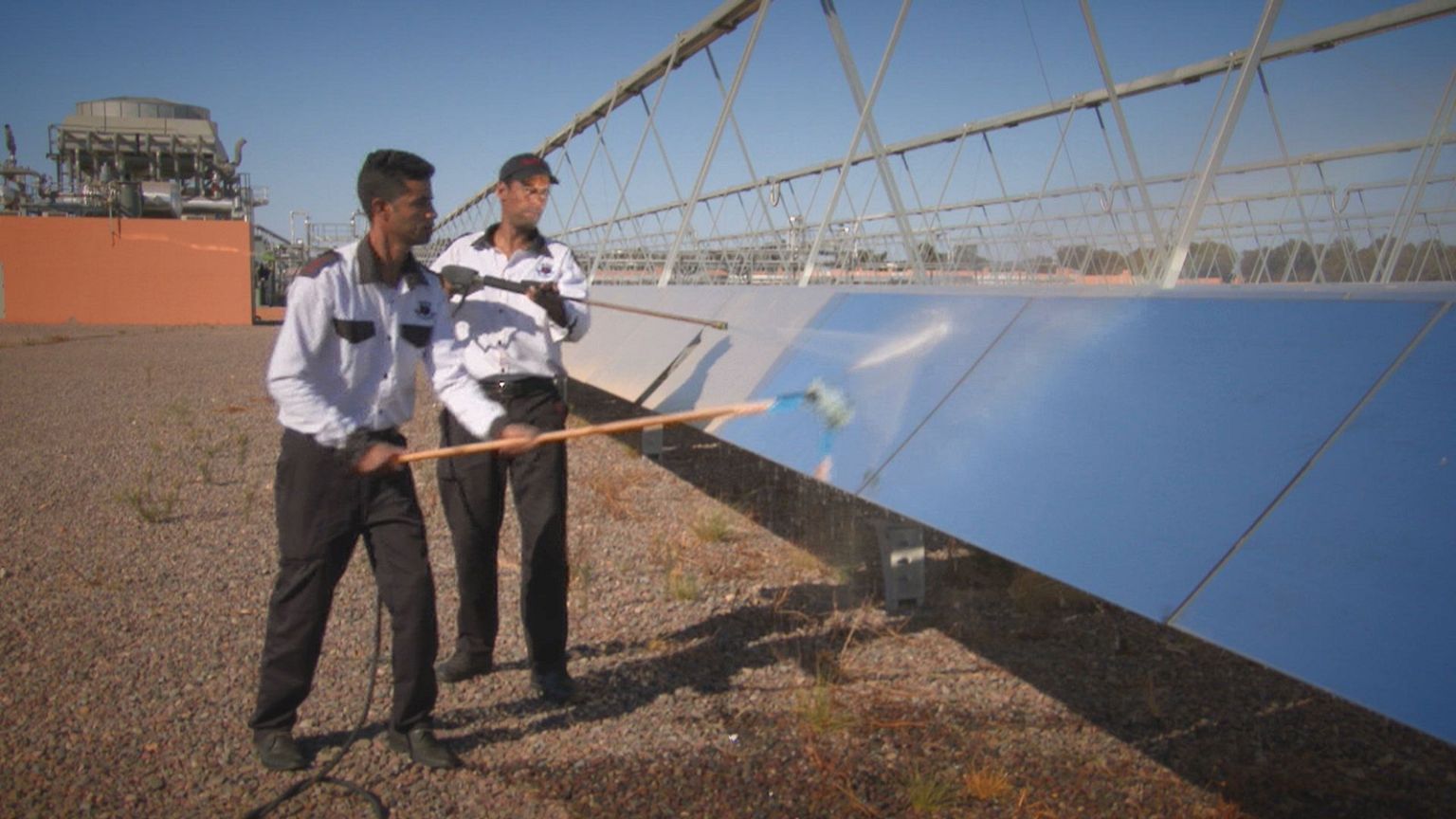
This technology seems perfect for arid regions The solar light is free The power plants take relatively little space The problem is dust Washing the mirrors takes precious water Water usage has to be
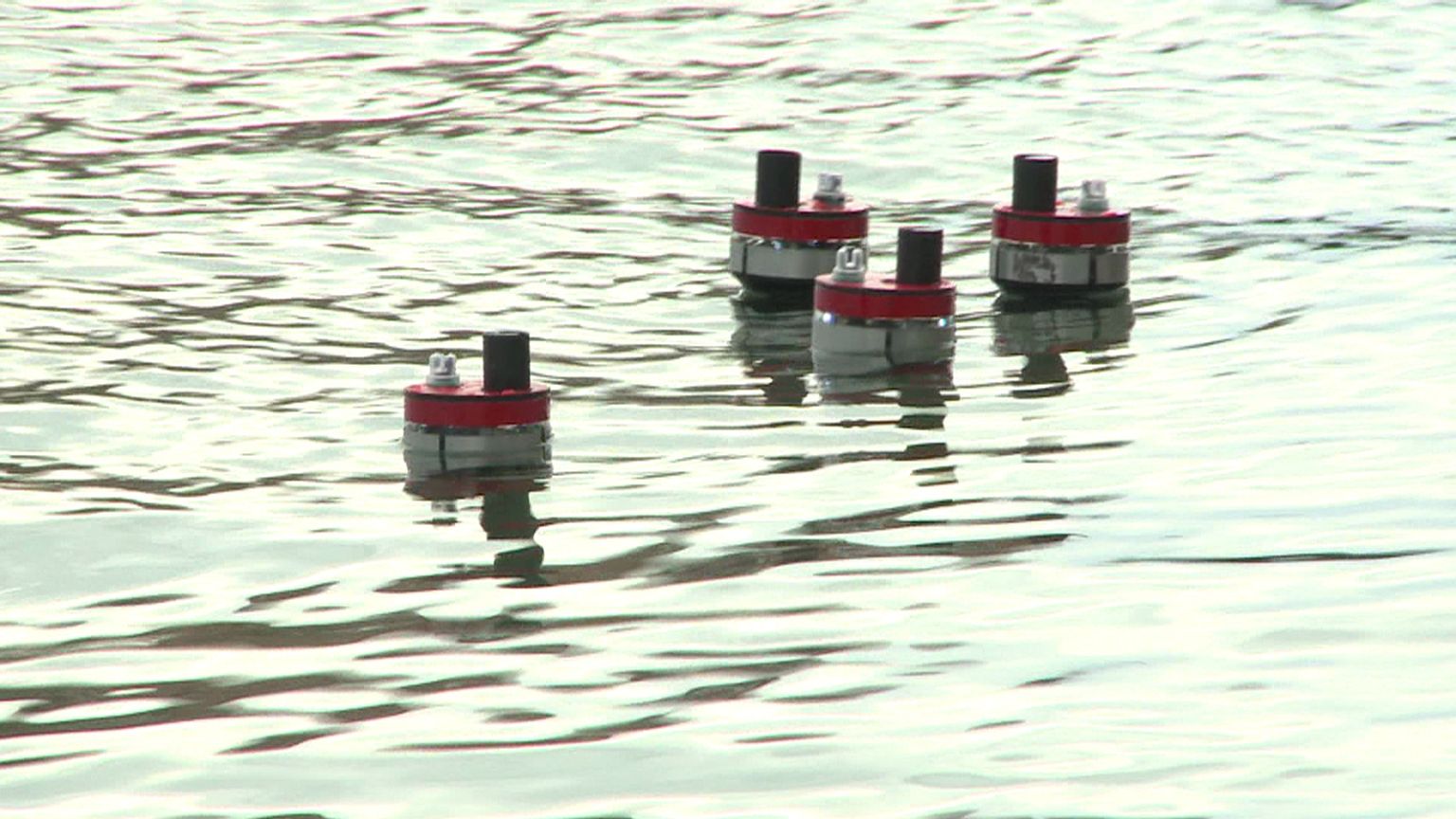
An international team of scientists has launched an unprecedented exploration project in the waterways beneath Venice with swarms of autonomous underwater…
Geothermal resources can provide energy to humankind for thousand of years Here in Iceland they are testing a new drilling technic producing 10 times more power from the earth’s depths pix: turbine ro
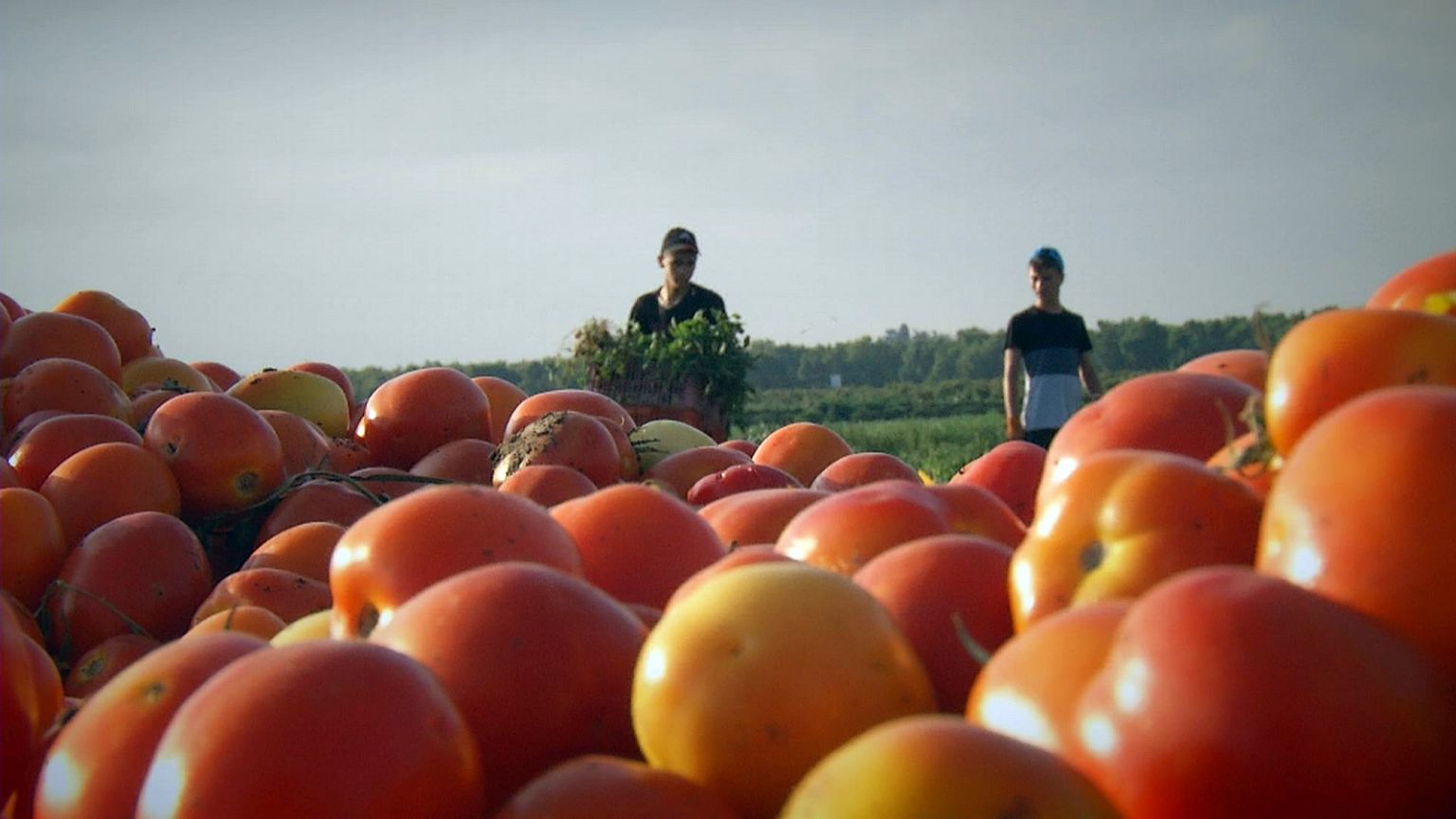
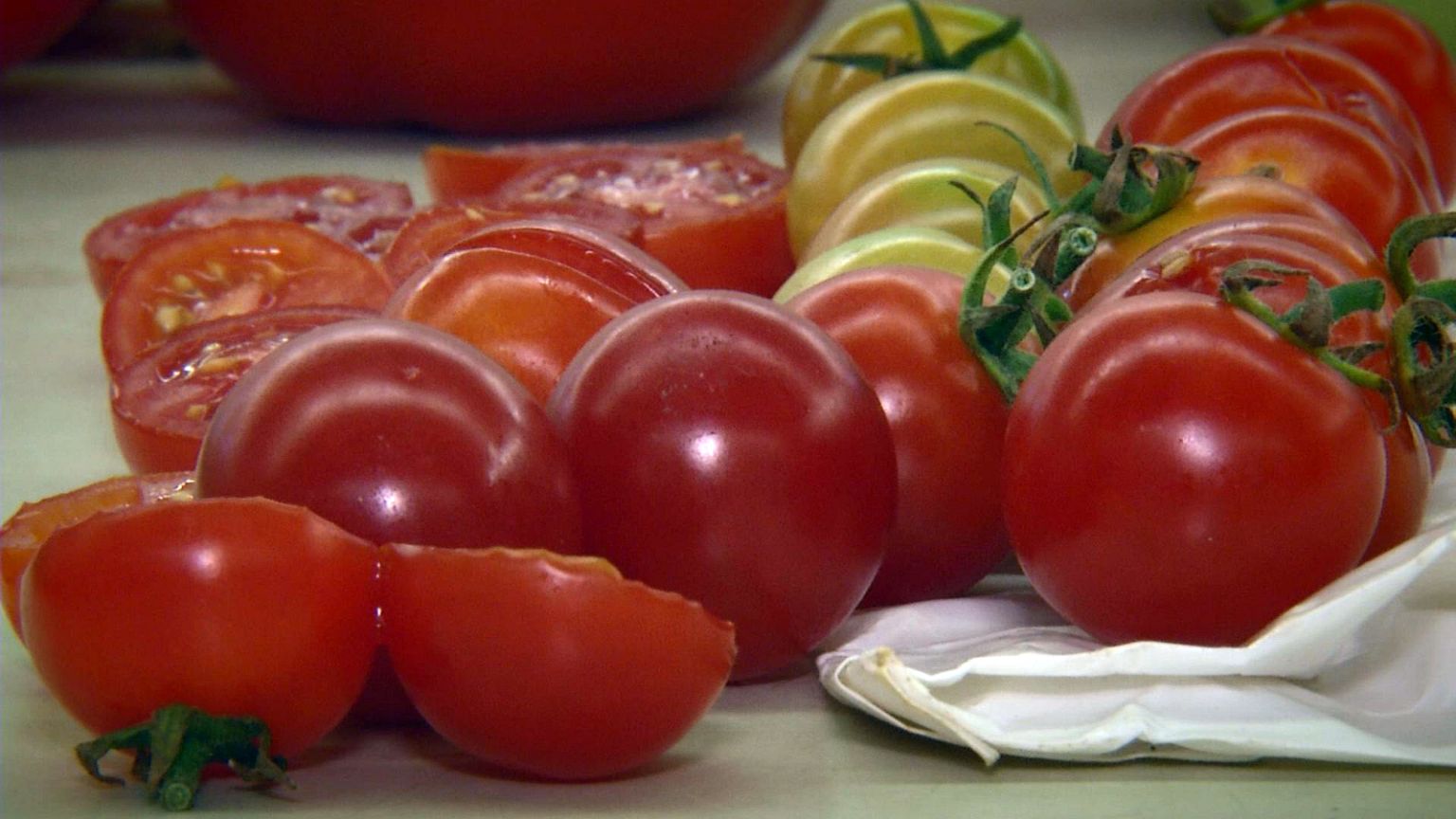
In this edition of Futuris, we’re off to northern Israel, to meet scientists working on a European project aimed at developing the perfect tomato: it would require 90 % less irrigation than ordinary v
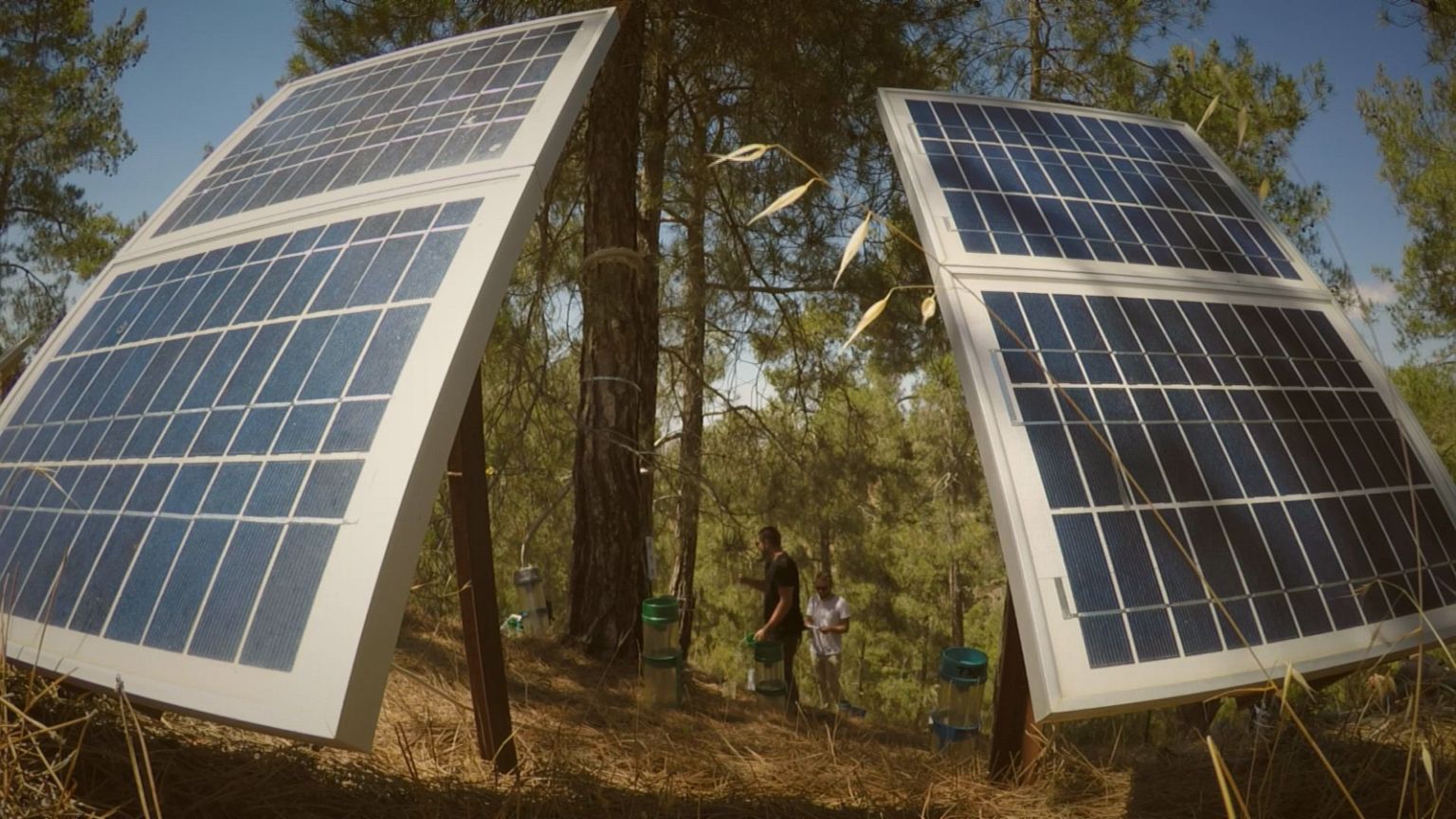
Studies in six European locations are looking at the impact of climate change on water supply, so that we can improve our understanding of what to expect, and how to respond.
Switching from meat to plant-based proteins could help meet rising food demand while protecting the planet and human health, according to the EU-funded 'PROTEIN2FOOD' project.
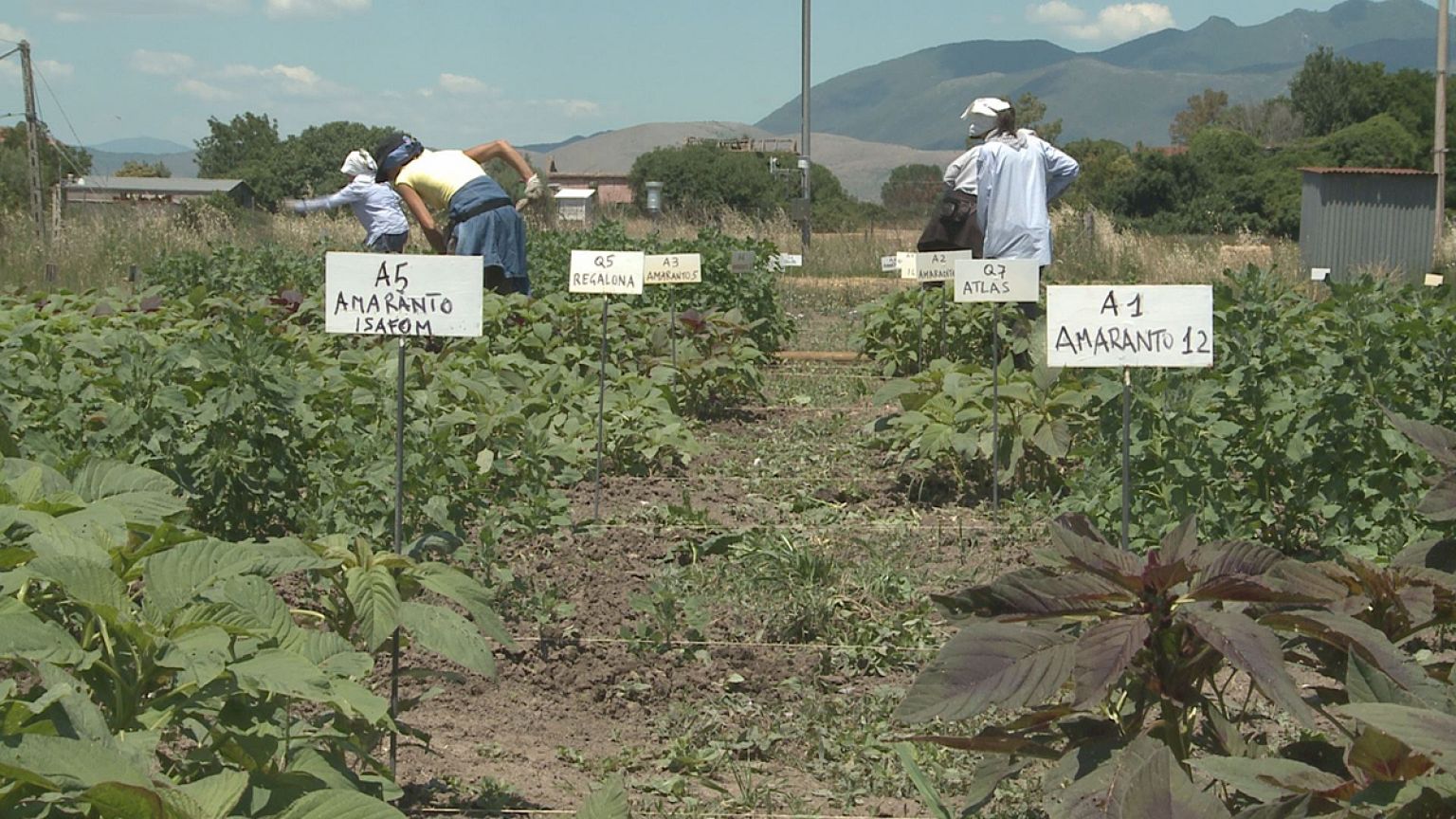
Vegetable proteins can be an alternative to meat in diets Today’s intensive meat production is polluting the environment Plants like quinoa and amaranth offer similar nutritional values FAO predicts
Harnessing bacteria that produce electricity and break down organic waste, a European research project is developing a new, environmentally friendly way to purify sewage water in small communities.
Greek scientists have developed a technology that allows them to obtain rare earth elements (REEs) from waste ore in an economical and environmentally friendly…
This flower pot is made with a new bioplastic Instead of oil, it is made with waste from the legume industry Vegetal proteins and fibers are extracted and mixed with biopolymer This eco-friendly mater
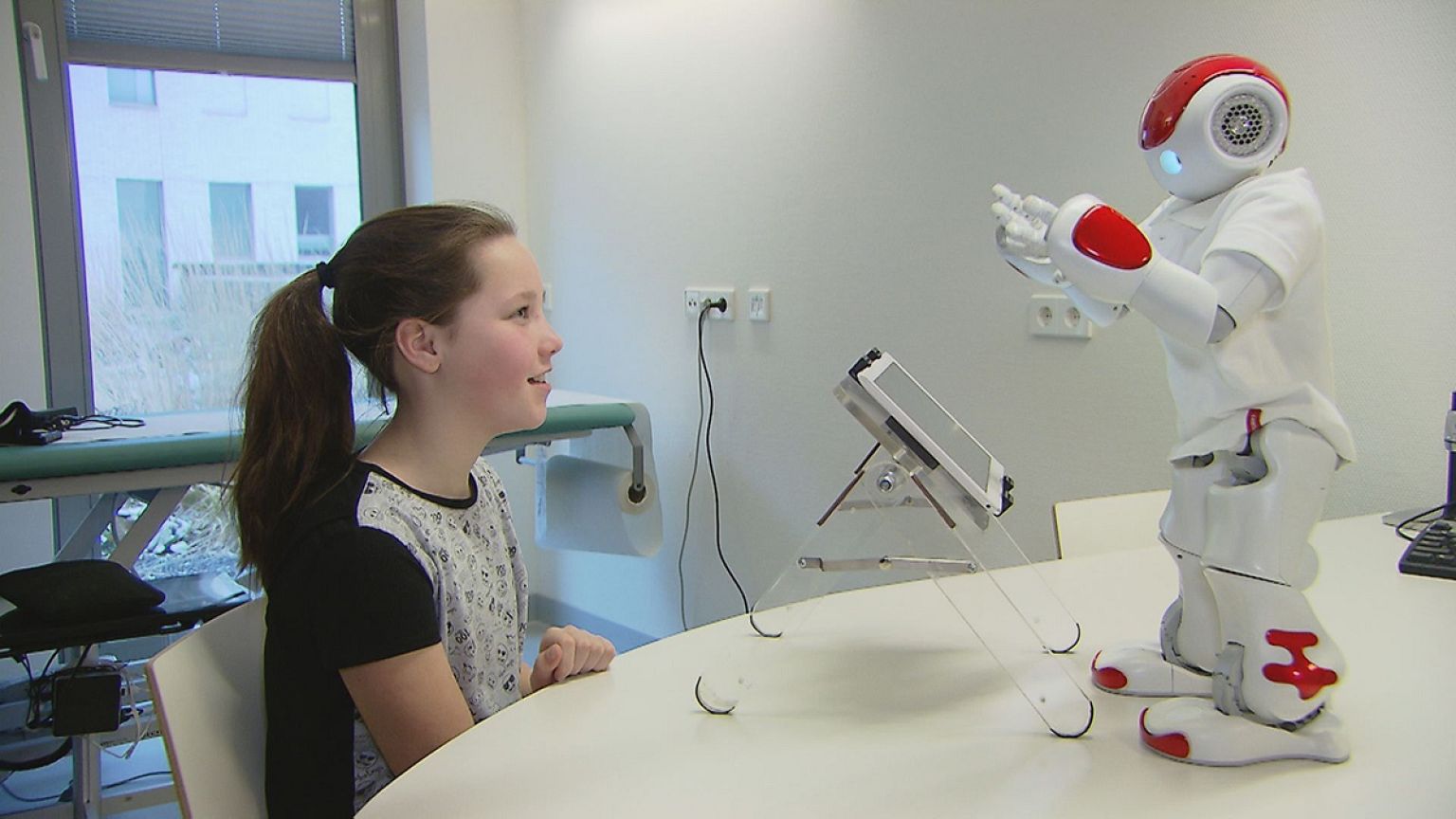
This robot is not just a toy He helps kids with diabetes Researchers have programmed NAO to play educational games These games teach children how to handle their disease Playing with the robot makes h
This exoskeleton is designed for handling manual tasks It helps industrial workers reducethe risk of injuries Over 25 percent of Europeans suffer back pain due to work The worker’s effort is reduced,
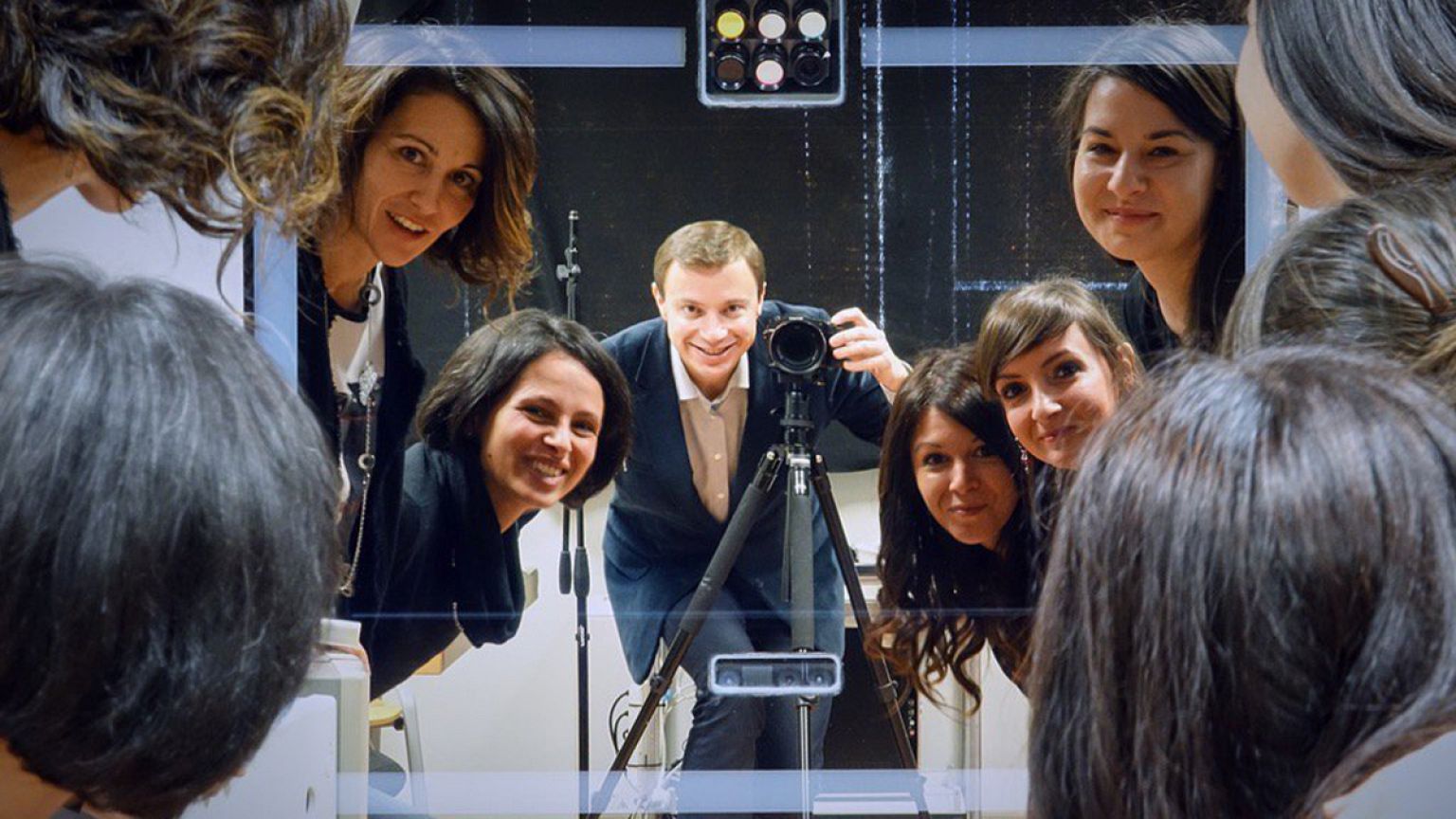
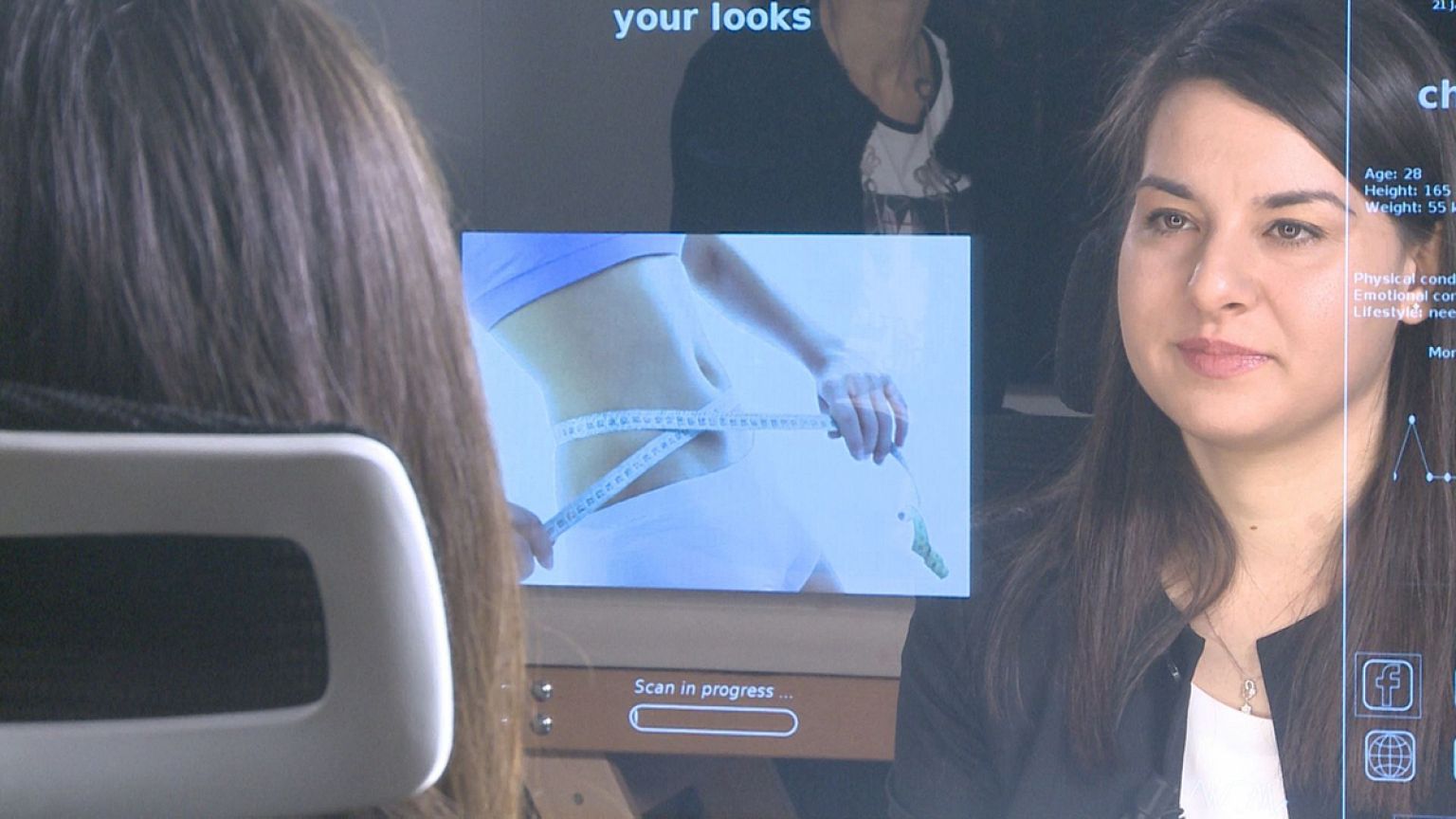
This “magic mirror” has been made by European researchers It reads your face and tells you about your health A set of cameras capture possible signs of health problems Depth sensors analyse your face
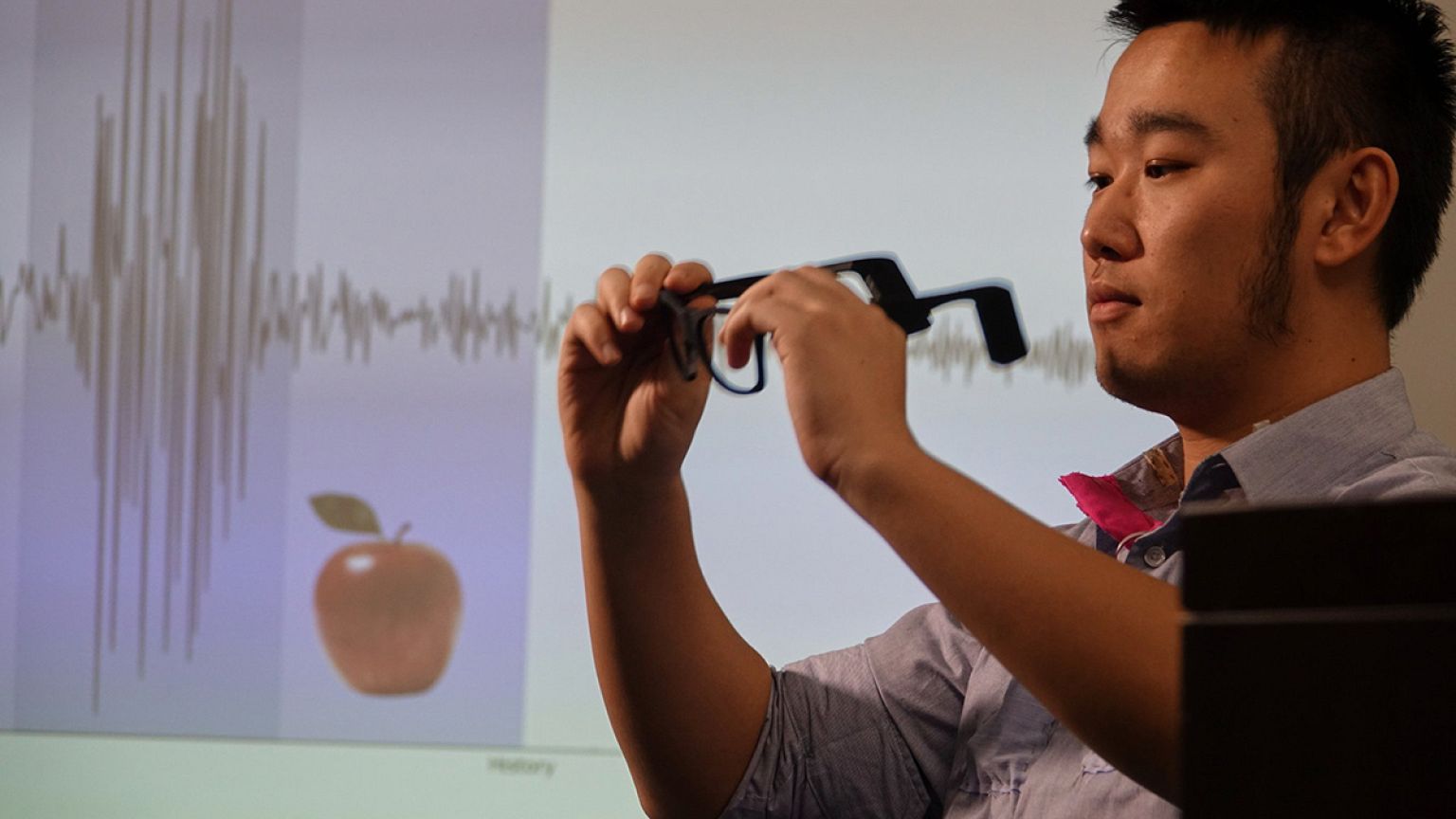
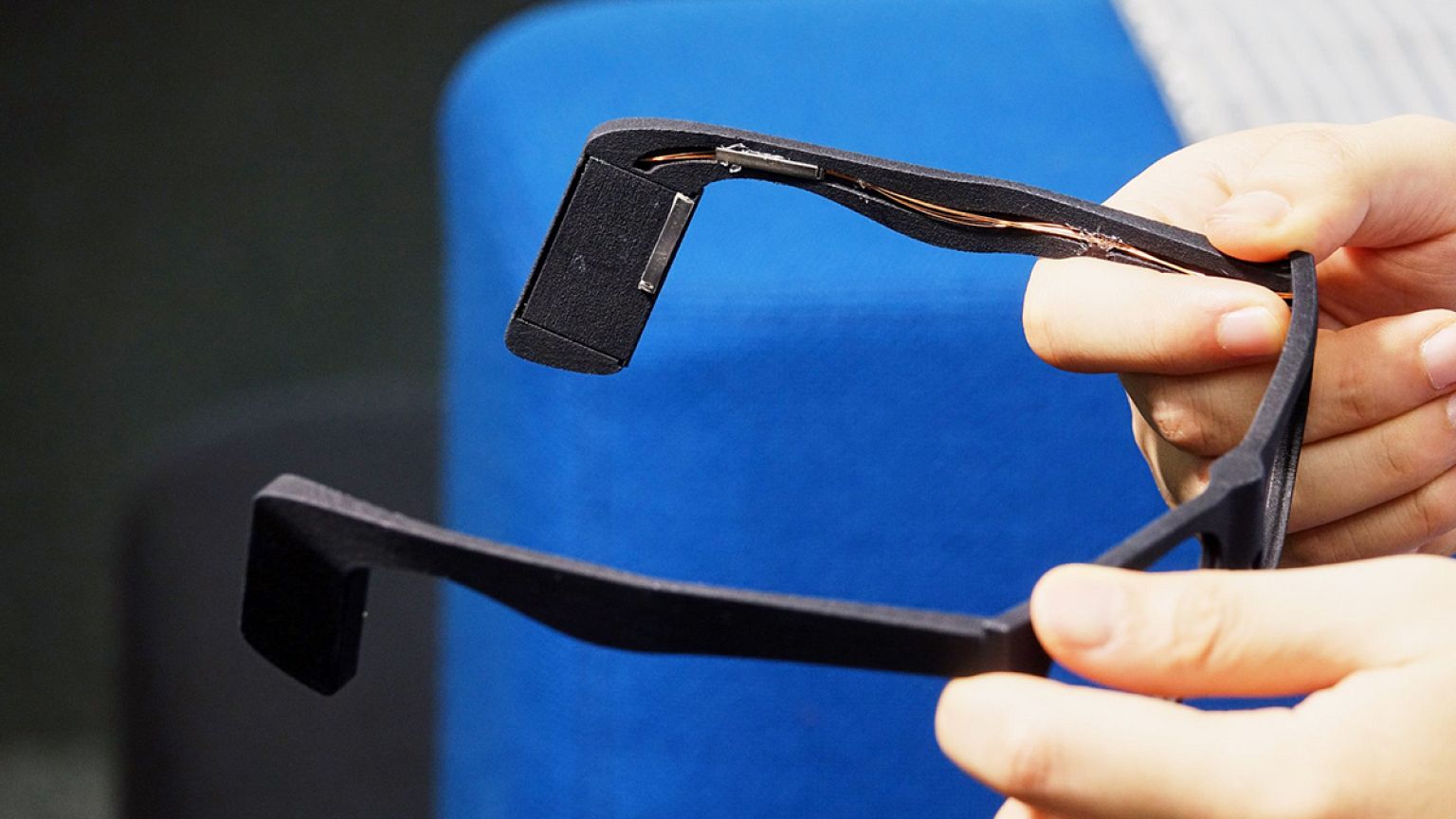
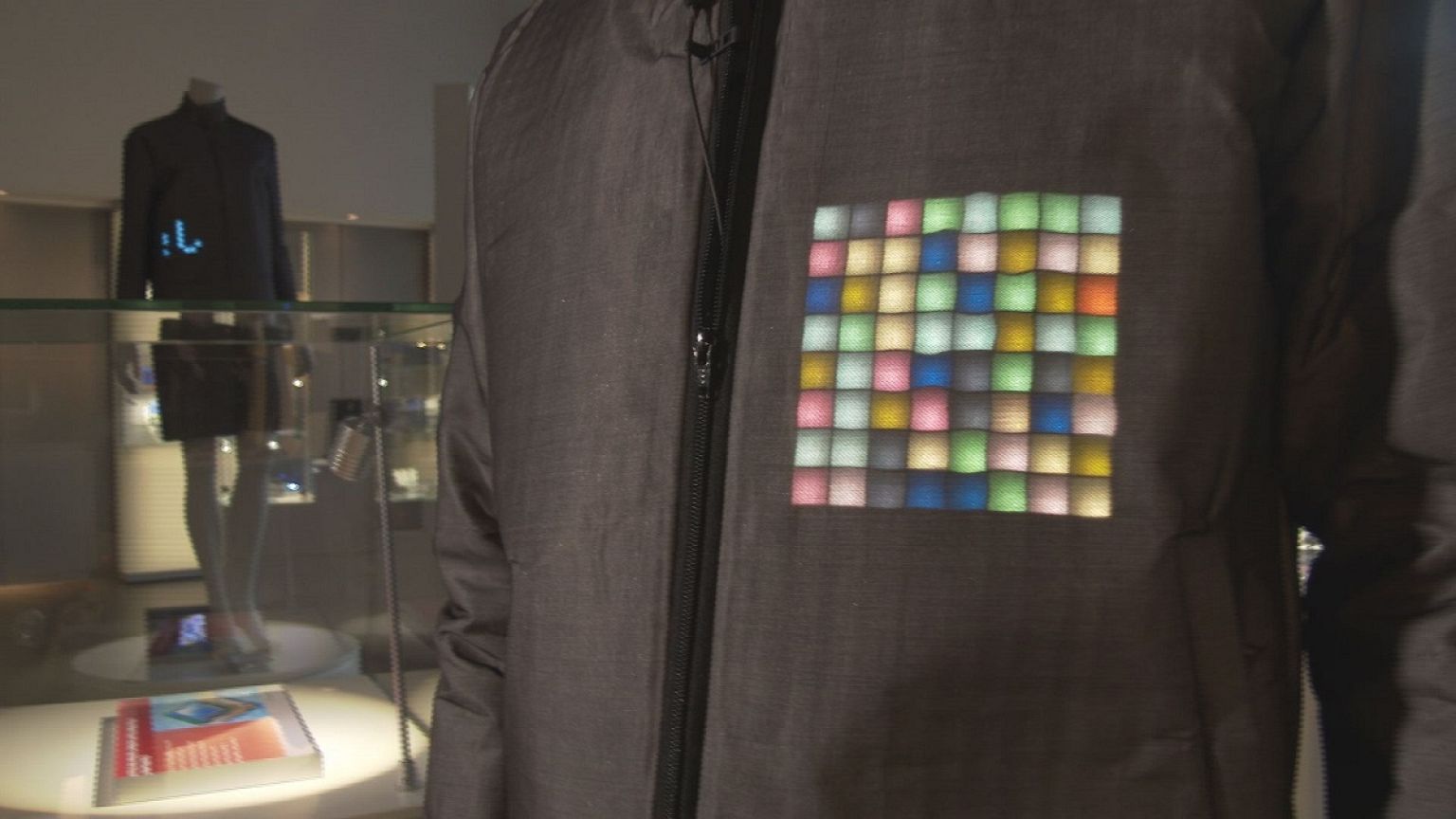
This shirt knows how much you eat Collar sensors feel when your swallow food or liquids Smart fashion can help people live healthier lives These eyeglasses also use textile sensors The sensors measure