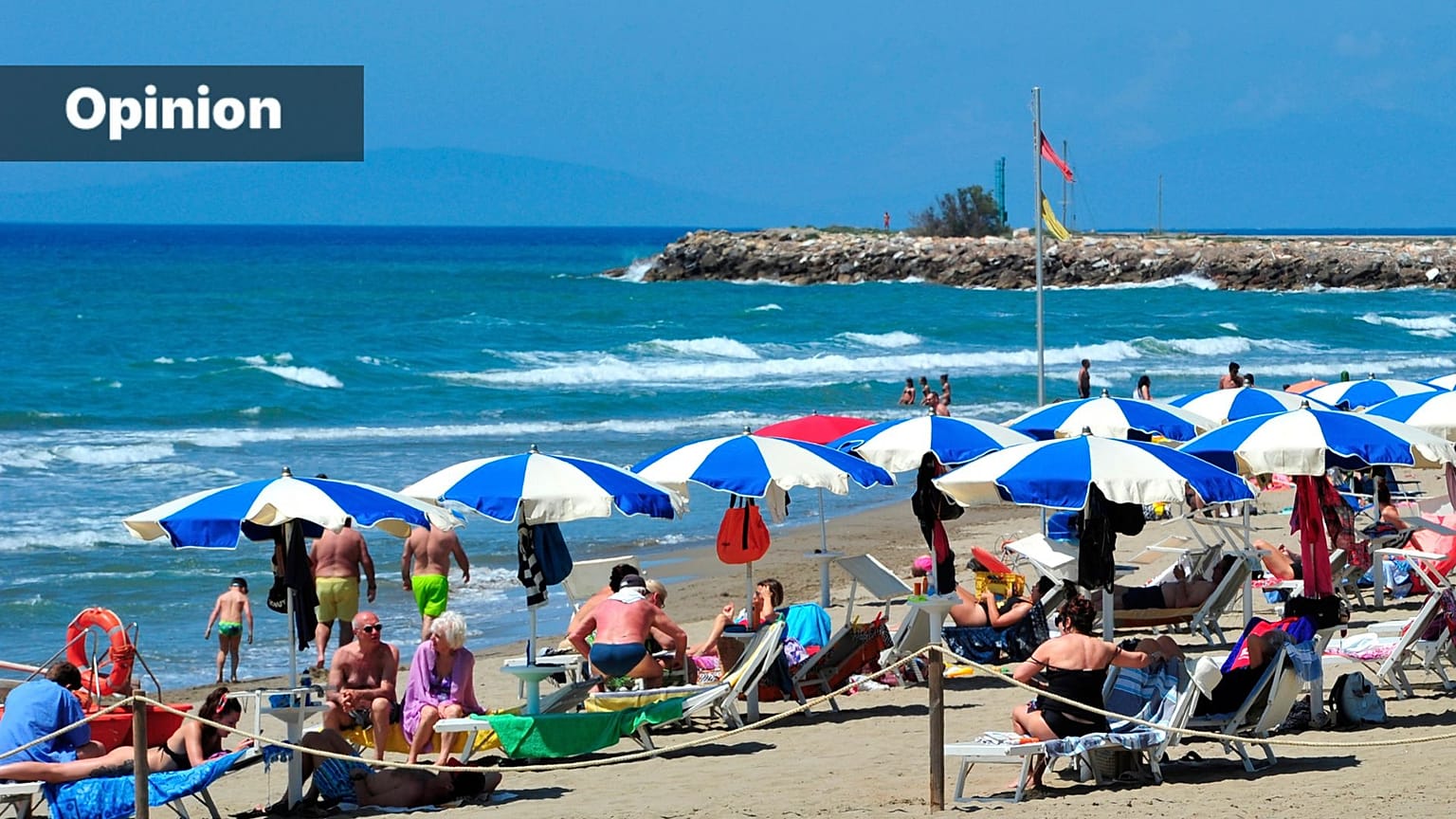













Tourism deserves a central place in European policymaking, writes Peter Lochbihler of Booking.com in an opinion piece for Euronews. The EU should support lesser-known destinations in attracting visitors worldwide, fostering local revitalisation, growth and prosperity.
It takes a village to raise a child, but sometimes it takes the world to save a village. The world of travellers, that is, with their spending power layered on top of curiosity to explore.
 ADVERTISEMENT
In the late 1980s, Anento, a medieval village tucked away in Spain’s Aragón region, was all but deserted. A group of determined locals and former residents began restoring abandoned houses, and tourism helped turn their labour of love into an economic lifeline. By 2024, Anento was welcoming some 45,000 tourists annually who dined at new restaurants, stayed at local accommodations, thus supporting employment and livelihoods for new residents.
Regional revitalisation, jobs and growth
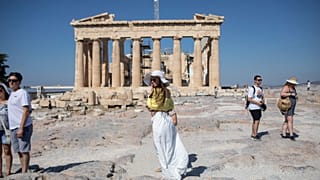
Regional revitalisation, jobs and growth rooted in the place itself that can neither be outsourced nor shipped to some low-cost location: that is tourism’s promise. But there is a risk of “too much success”. A landmark goes viral on TikTok; a spectacular sunrise spot becomes too instagrammable to resist.
The EU Sustainable Tourism Strategy, announced in early November, articulates this tension in a crisp phrase: calling for a shift “from volume to value.”
“Value” looks different depending on where you stand. For travelers, it could mean finding the right holiday at a price a family can afford. For the owner of a small agriturismo, it might be enough off-season bookings to keep the team working throughout the year. For a mayor of a town like Anento, it means making sure tourism brings jobs and revenue while still serving the needs of local residents.
Hospitality: a unique, high-value-added product that Europe sells
The paradox of the visitor economy is that its Europe-wide impact is significant, yet it receives little priority in policy discourse. “A foundation of our economy” is how Commissioner Apostolos Tzitzikostas described tourism, “it accounts for nearly 10% of the EU GDP (Editor's note: GDP (Gross Domestic Product) is the total value of all final goods and services produced within a country's borders over a given period), supports more than 20 million jobs and sustains 5 million businesses, almost all SMEs or microenterprises” (Editor's note: SME means Small and Medium-sized Enterprises).
While the EU's GDP growth for 2026 is expected to hit 1.4%, the travel and tourism industry is moving more than twice as fast at 3.5%, as estimated by WTTC (Editor's note: WTTC is the World Travel & Tourism Council).
Even when its economic weight is recognised, hospitality is seldom recognised for what it is: a unique, high-value-added product that Europe sells to visitors. Intuitively, exports are pictured as goods, be they Belgian chocolates, Swiss watches, French aircraft, or lithography machines made by ASML in the Netherlands, destined for foreign markets.
Surely, there are no production lines, packaging or container ships for a travel experience. The flow moves the other way around: the customer crosses the border to consume a service, while a destination exports it.
Spain: foreign visitors spent almost €135 billion in 2025
In Spain, travel made up nearly half of all services exports in 2024. Consider, for example, a more traditional exporter, Germany, which shipped abroad €263 billion in motor vehicles and parts in 2024. This amounted to 6% of my home country’s GDP. In Spain, foreign visitors spent almost €135 billion in 2025, around 8% of GDP. These figures measure different things, goods exports in one case and visitor spending, or service exports, in the other, but I find this comparison instructive.
That said, export value generation emerges in the places that can connect with visitor demand far and wide. “Digitalisation, particularly the growth of online booking platforms, has improved the visibility and accessibility of rural tourism businesses, enabling them to reach wider markets,” noted the staff working document.
Partnerships between SMEs and large Companys
The Commission also calls for “partnerships between SMEs and large companies operating in the tourism ecosystem.” Independent properties, most of them small or micro businesses, can’t always match the marketing reach and digital capacity of major hotel groups. Online platforms help close that gap, connecting a family-run guesthouse with travellers worldwide while leaving the business rooted in local ownership and identity.
A particular way in which digital distribution matches supply with demand produces another surprising result. Research by Tourism Economics, we’ve commissioned, found that rural areas accounted for 16% of European accommodation bookings overall, compared with 38% of bookings made through online travel platforms.
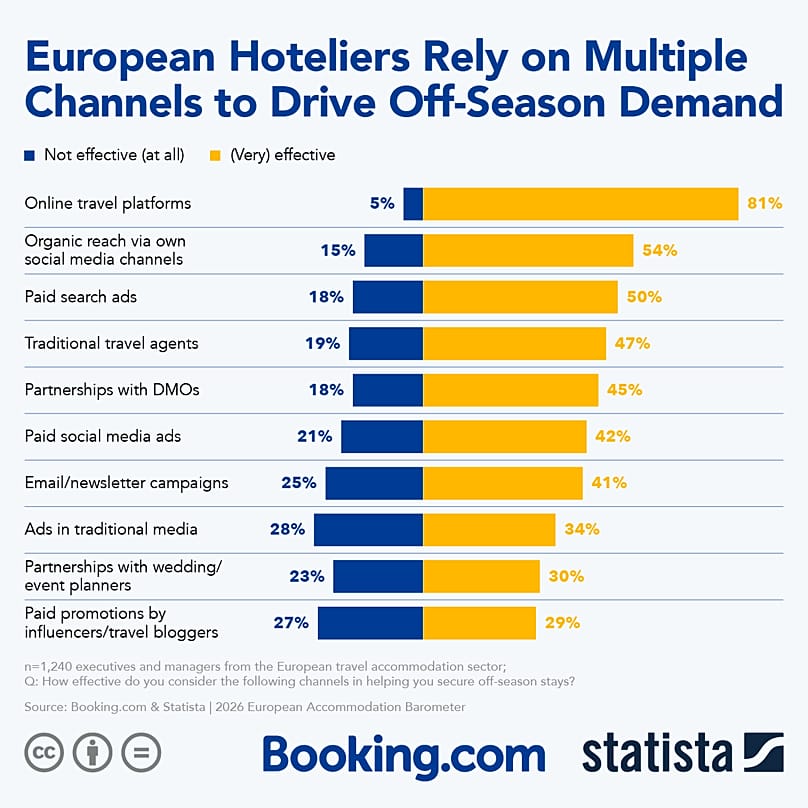
The same channels can help hotels attract guests outside the peak season: in the 2026 European Accommodation Barometer, 81% of the 1,240 executives and managers surveyed rated online travel platforms very effective for securing off-season stays.
Tourism industry draws strength from diversity
The EU strategy places tourism firmly within Europe’s policy agenda: a range of topics spanning tech adoption, sustainability and talent. We strongly support its emphasis on upskilling.
As the sector grows and competition intensifies, hospitality can and should offer its people room to learn, build a career and take on greater responsibility. In our research conducted in partnership with Statista, 83% of hotel employees surveyed said they wanted to move into leadership roles. That ambition deserves more support from business and governments alike.
Our industry draws strength from diversity. In that spirit, the European Commission is right to set a continent-wide strategy and focus on principle and priorities rather than prescriptions. Destinations themselves are where experimentation and innovation will make the biggest difference.
Case studies show how policies can calibrated to local needs
Paris, Vienna and Copenhagen are exemplary case studies showing how policies, from transport to housing to waste management, can be calibrated to local needs. Decisions about zoning or transport infrastructure can determine whether visitors enrich residents’ lives or put more pressure on them.

Complementarity, along with a continuous exchange of ideas across institutions and geographies, is what success in policymaking will look like for a hyperlocalised industry like tourism.
A sector that contributes so much deserves a central place in European policymaking, including a dedicated EU budget line. Part of that support should help lesser-known destinations connect with visitors from the world over. Let us celebrate Anento’s success and empower more places across Europe to follow its example, creating their own paths to local revitalisation, growth and prosperity.