

Articles
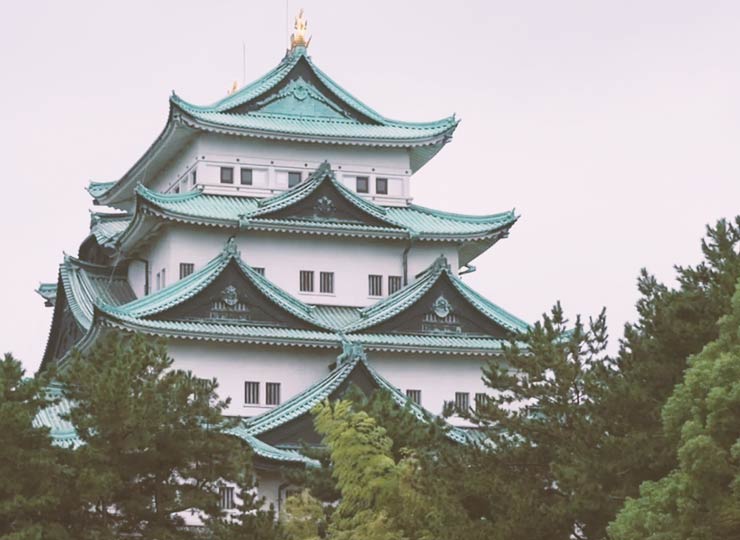
In the Footsteps of TOKUGAWA Ieyasu: Chubu’s living samurai heritage
The Chubu region, situated in central Japan between the major hubs of Tokyo and Kyoto, offers travelers a profound opportunity to experience history through the life and legacy of TOKUGAWA Ieyasu (1543-1616), the founder of the Tokugawa Shogunate (1603-1867). Ieyasu is celebrated as the leader who successfully unified Japan after more than a century...
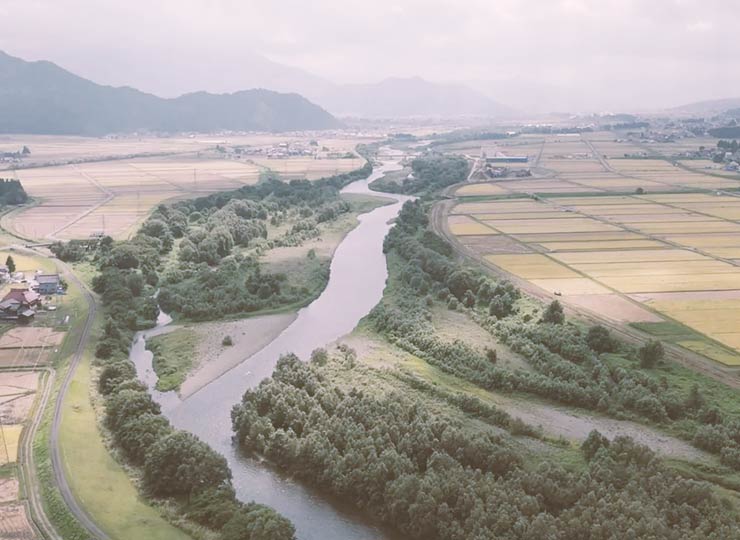
Japan’s Water Story: a journey through the Hokuriku-Shinetsu region
Water is not just a resource in Japan’s Hokuriku-Shinetsu region; it is the very foundation of the land, its culture and the enduring resilience of its people. From the deep snowmelt that nourishes the valleys to the clear springs sustaining historic communities, a journey through this area provides a rare opportunity to connect with a way of life...
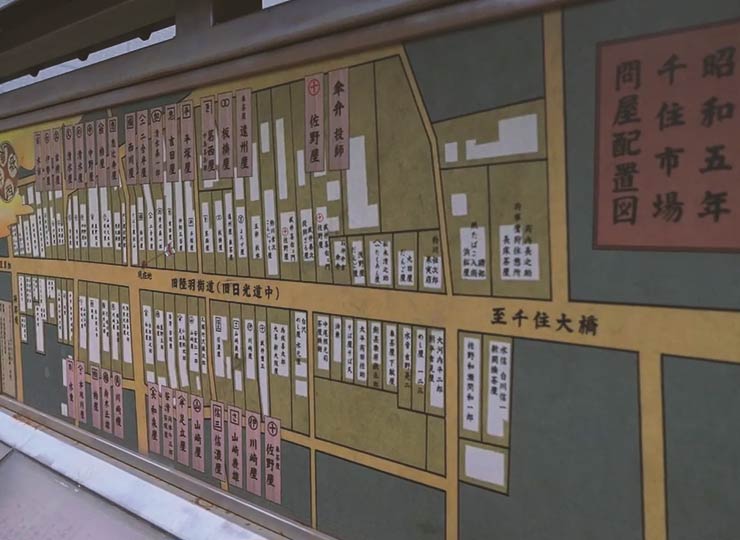
Tracing the Edo Shogun Roads: Kanto’s highways of heritage and craftsmanship
The Kanto region, defined by the expansive Greater Tokyo Area, is recognised for its dynamic modernity, towering architecture, advanced technology and bustling commerce. Yet, beneath this contemporary exterior lies a deep historical foundation stemming from its time as Edo, the administrative capital of the Tokugawa Shogunate from the Edo...
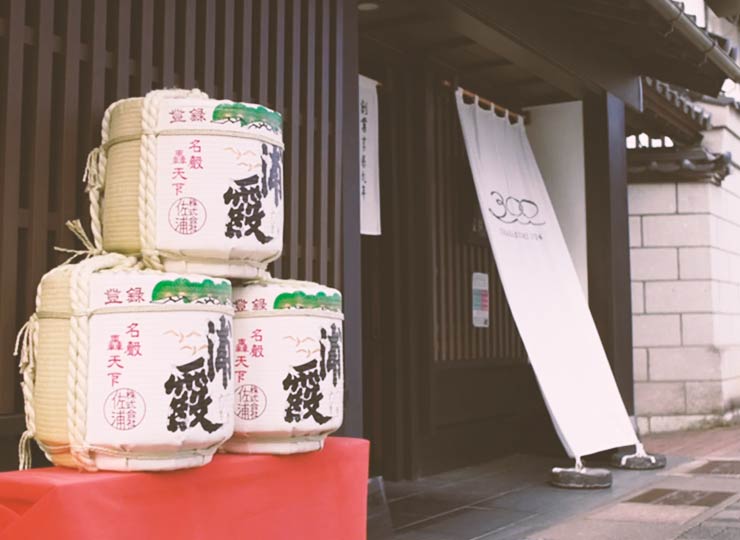
Sake and flavours: a journey through Tohoku
As its Japanese name suggests, the region of Tohoku extends to the northeast of the archipelago. It includes the six prefectures of Aomori, Iwate, Miyagi, Akita, Yamagata and Fukushima, located between Tokyo to the south and the island of Hokkaido to the north. The region is popular for its hot springs (onsen), gastronomy and traditions that have been...
Hokkaido: a journey of snow, culture and cuisine
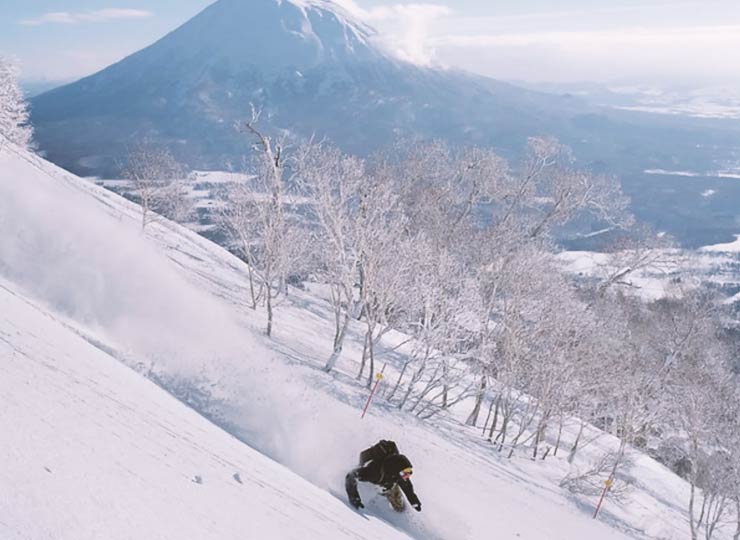
Each winter, Japan’s northernmost island, Hokkaido, transforms into a spectacular wonderland of deep snow and vibrant culture. With its vast, largely unspoiled natural landscapes, rich seas and thriving culinary scene, Hokkaido has enticed and enthralled visitors for generations. The region offers a mix of winter sports and a distinct après-ski tradition, not to...
JAPAN
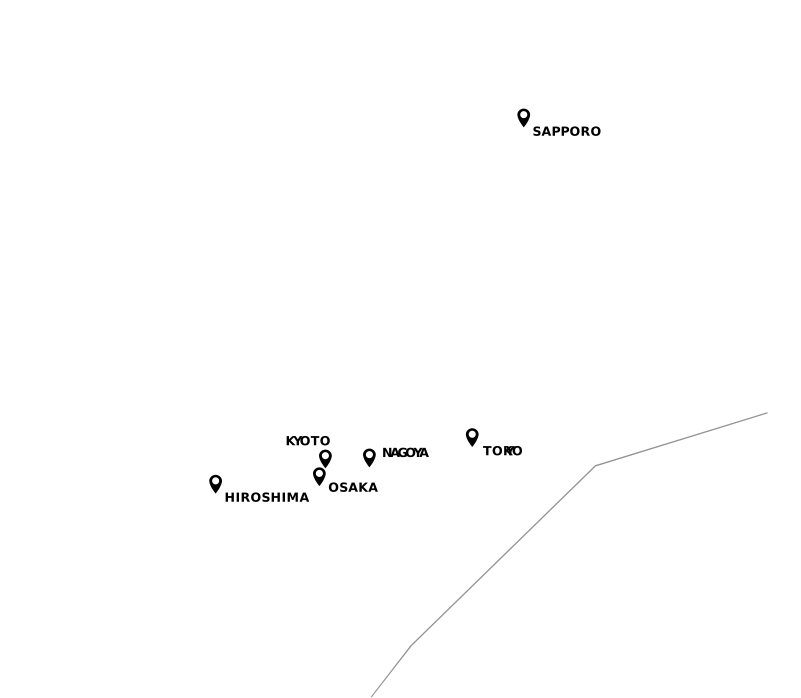

Click on the map to discover the regions
In the Footsteps of TOKUGAWA Ieyasu: Chubu’s living samurai heritage
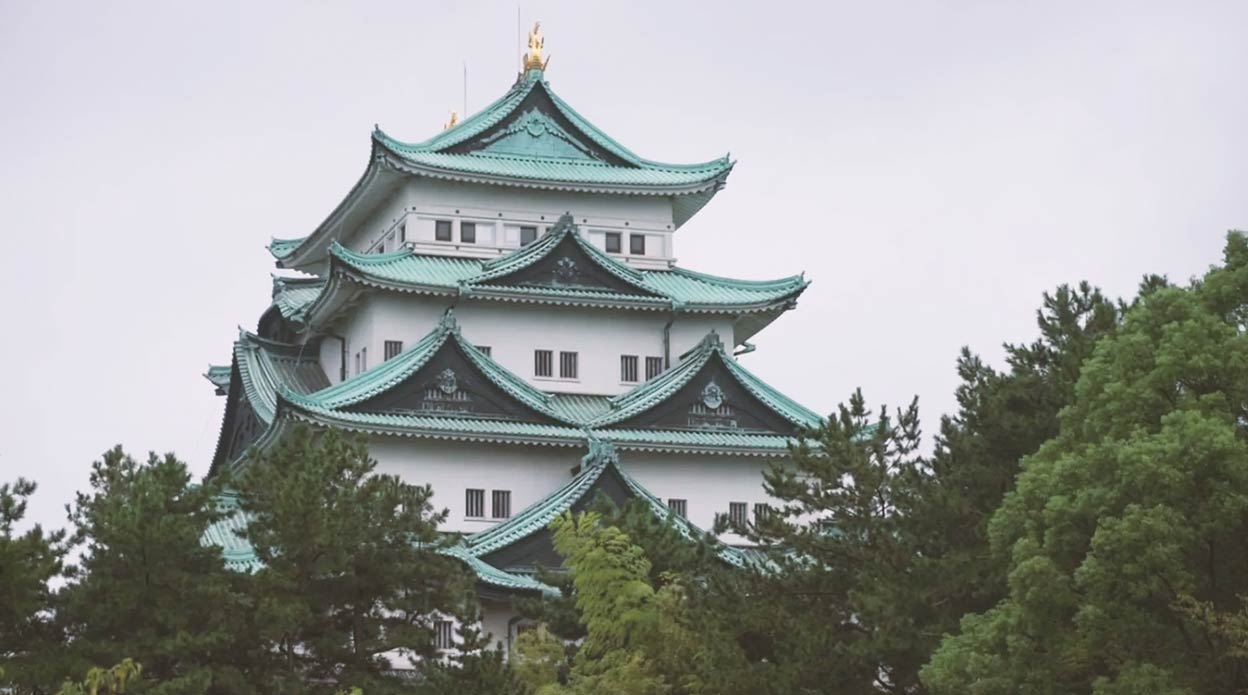
The Chubu region, situated in central Japan between the major hubs of Tokyo and Kyoto, offers travelers a profound opportunity to experience history through the life and legacy of TOKUGAWA Ieyasu (1543-1616), the founder of the Tokugawa Shogunate (1603-1867). Ieyasu is celebrated as the leader who successfully unified Japan after more than a century of conflict, ushering in an era of peace that spanned over 250 years. He fundamentally shaped the nation’s political, cultural and daily life during the Edo period (1603-1867).
Read moreJapan’s Water Story: a journey through the Hokuriku-Shinetsu region
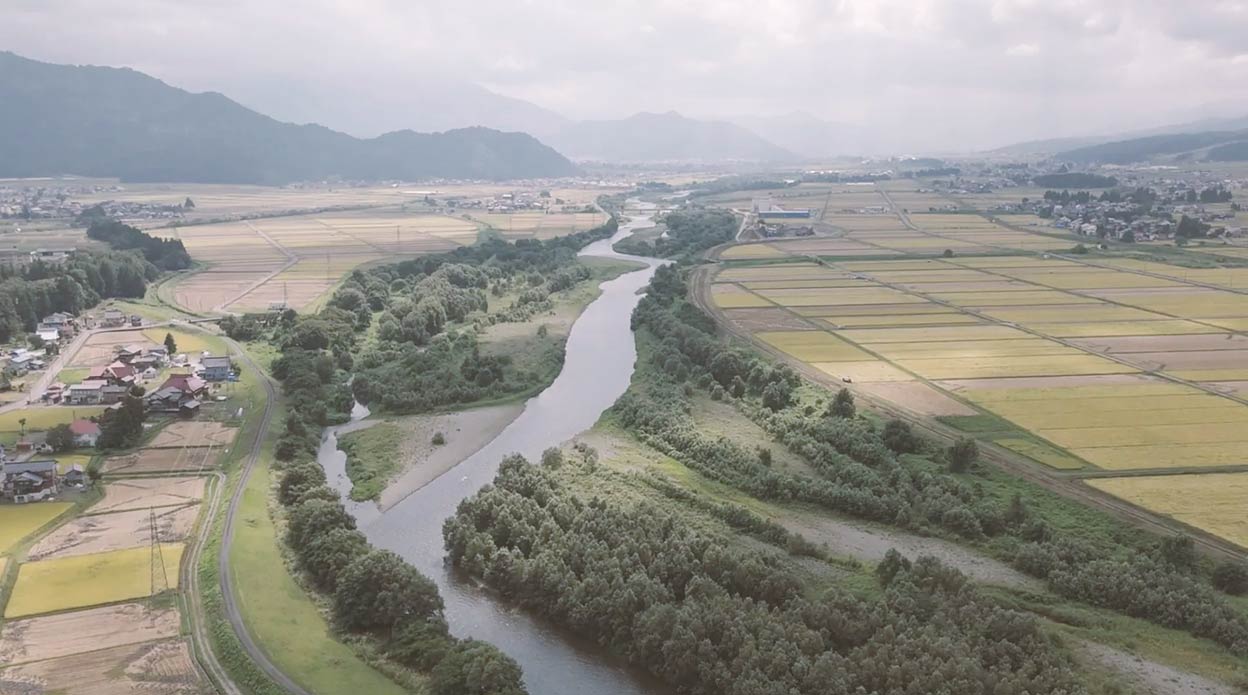
Water is not just a resource in Japan’s Hokuriku-Shinetsu region; it is the very foundation of the land, its culture and the enduring resilience of its people. From the deep snowmelt that nourishes the valleys to the clear springs sustaining historic communities, a journey through this area provides a rare opportunity to connect with a way of life profoundly shaped by this essential element. Visiting Hokuriku-Shinetsu is an experience that is both refreshing and grounding, inviting travellers to explore how water has supported traditions and hospitality in the region for generations.
Read moreTracing the Edo Shogun Roads: Kanto’s highways of heritage and craftsmanship
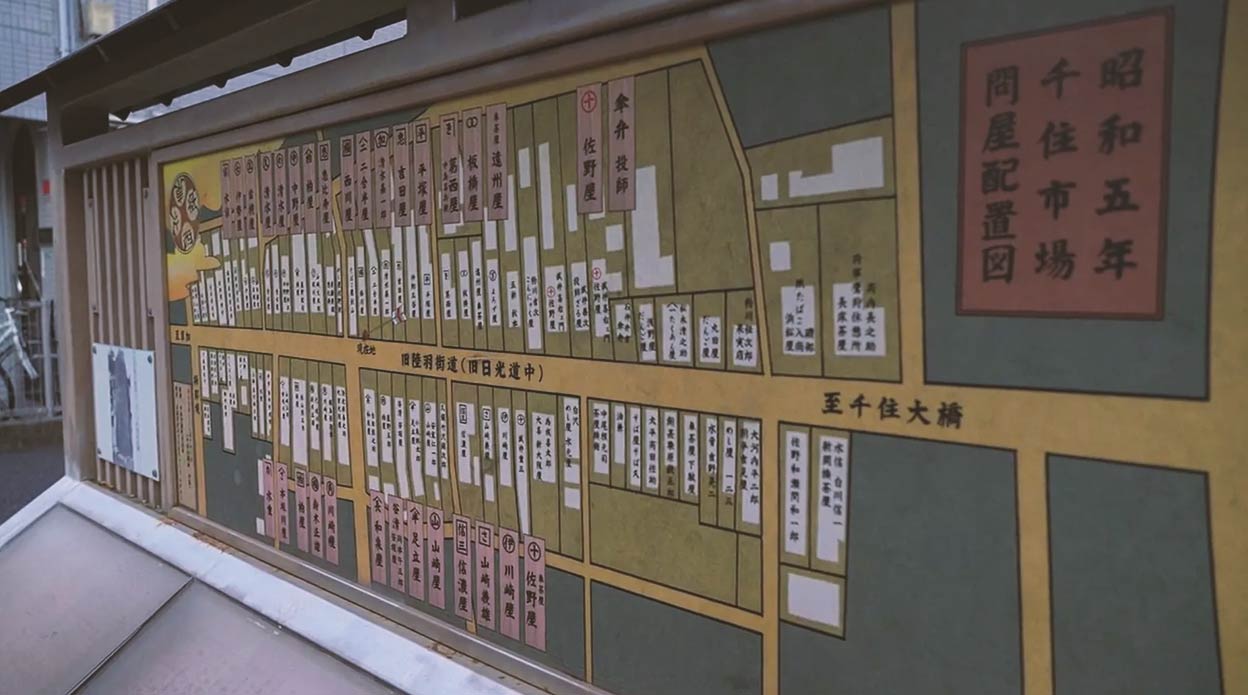
The Kanto region, defined by the expansive Greater Tokyo Area, is recognised for its dynamic modernity, towering architecture, advanced technology and bustling commerce. Yet, beneath this contemporary exterior lies a deep historical foundation stemming from its time as Edo, the administrative capital of the Tokugawa Shogunate from the Edo period (1603-1867). This rich history is physically preserved through the Edo Shogun Roads, a network of ancient highways that continues to shape the region’s culture, cuisine and enduring artisanship today.
Read moreSake and flavours: a journey through Tohoku
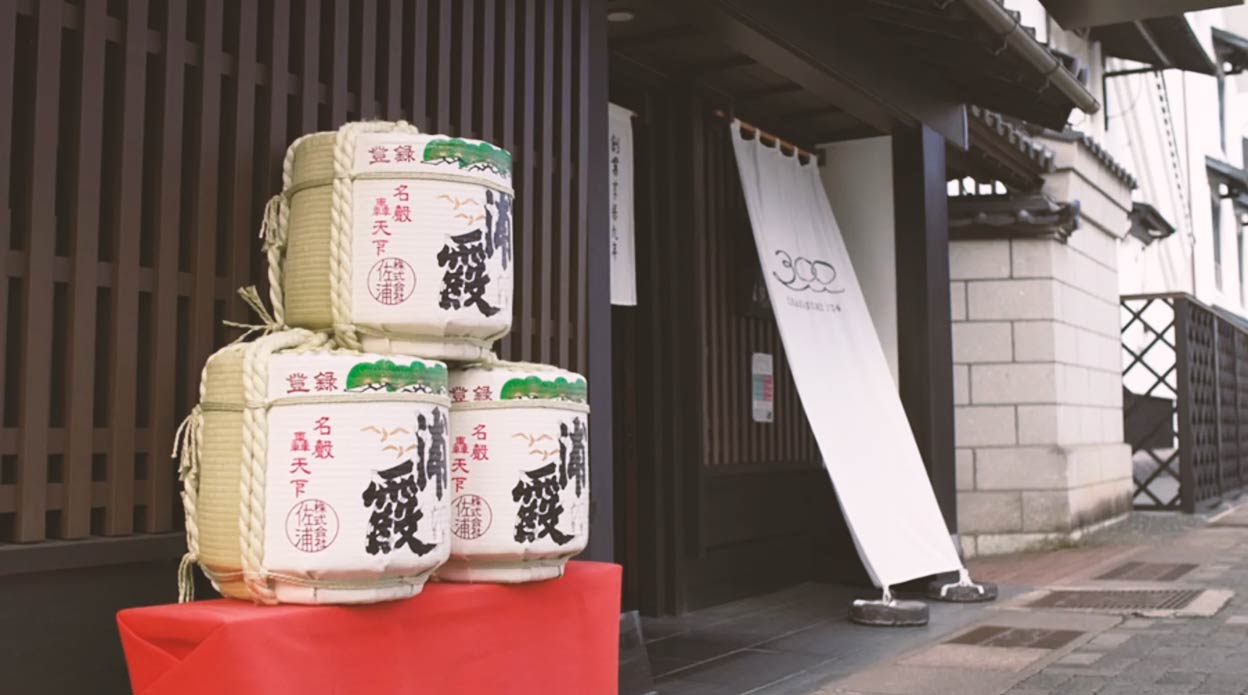
As its Japanese name suggests, the region of Tohoku extends to the northeast of the archipelago. It includes the six prefectures of Aomori, Iwate, Miyagi, Akita, Yamagata and Fukushima, located between Tokyo to the south and the island of Hokkaido to the north. The region is popular for its hot springs (onsen), gastronomy and traditions that have been handed down over generations, such as the production of sake. This requires pure water and superior quality rice. It reflects the local produce and natural resources.
Read moreHokkaido: a journey of snow, culture and cuisine
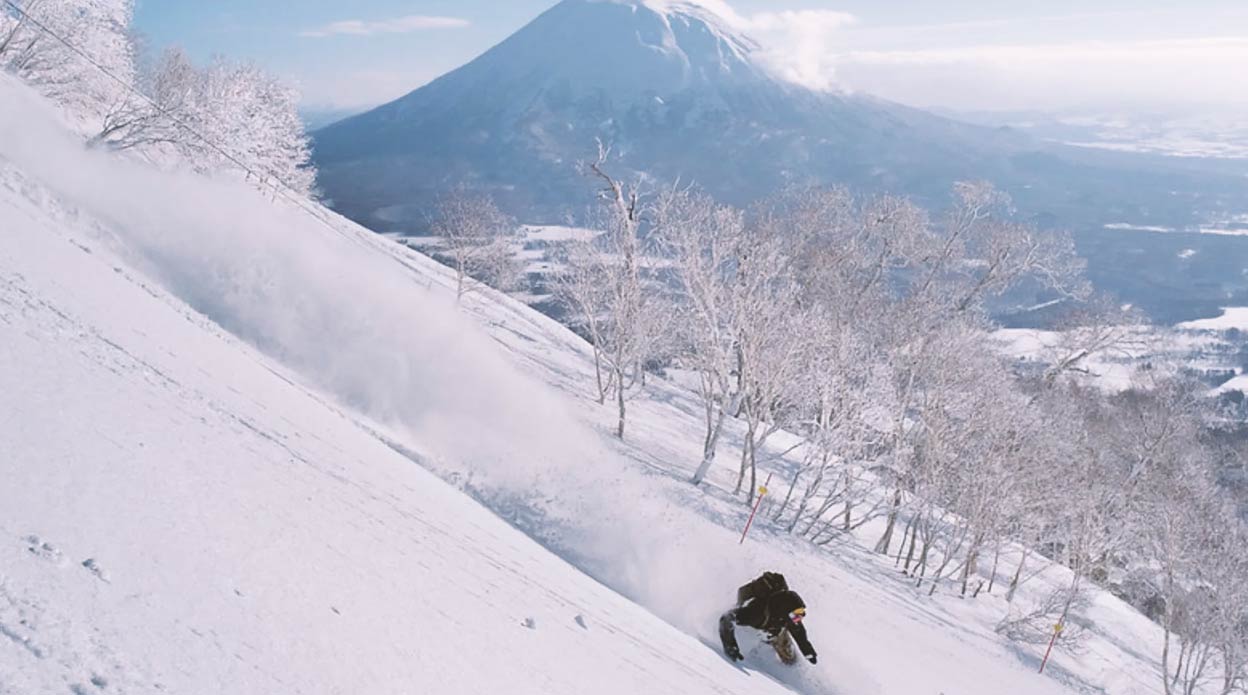
Each winter, Japan’s northernmost island, Hokkaido, transforms into a spectacular wonderland of deep snow and vibrant culture. With its vast, largely unspoiled natural landscapes, rich seas and thriving culinary scene, Hokkaido has enticed and enthralled visitors for generations. The region offers a mix of winter sports and a distinct après-ski tradition, not to mention a deep indigenous heritage, appealing to skiers, snowboarders and families alike.
Read morePhoto Gallery


