



 ADVERTISEMENT
More news

Health news
Regular tea drinking linked to lower risk of stroke and heart disease
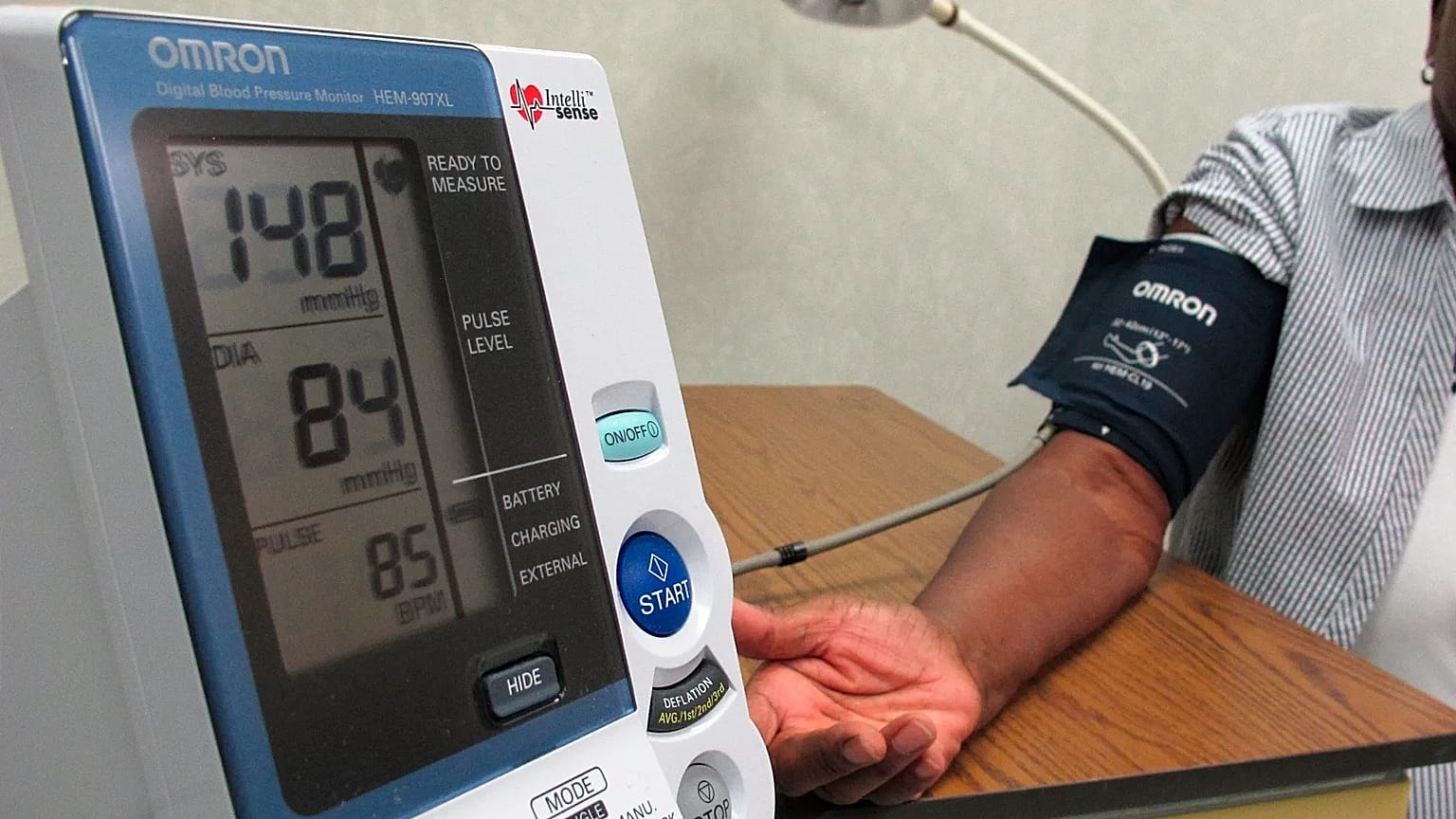
Drinking tea three or more times a week is linked to an 11% lower risk of vascular disease, such as stroke or heart attack, a new study suggests. However, burning hot tea was linked to the opposite effect: a 16% increase in vascular disease risk.
Health news
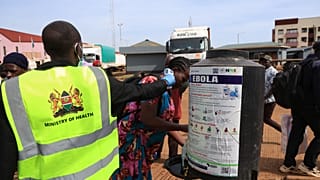
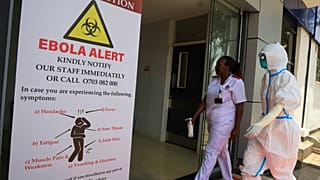
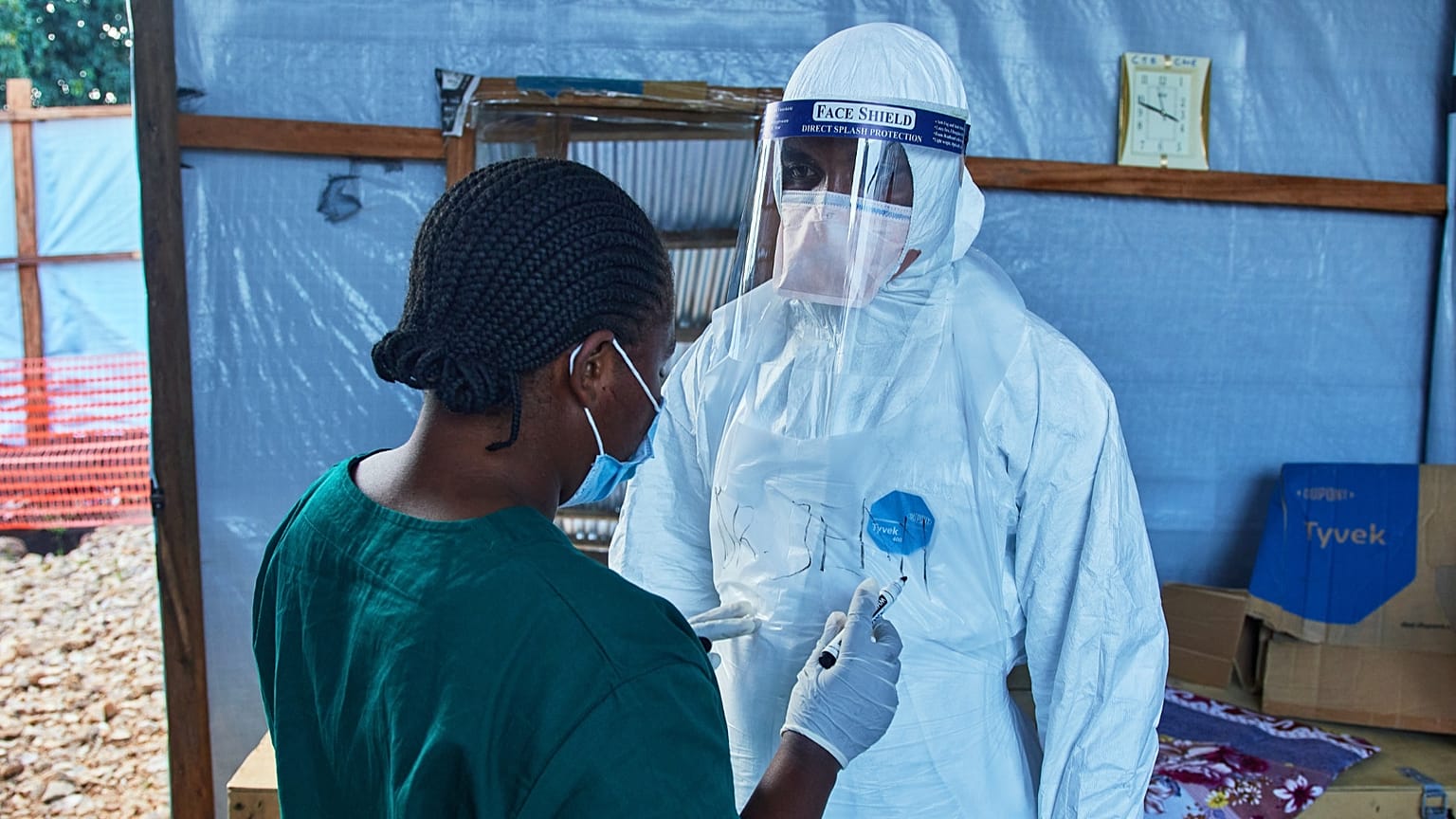
African health ministers to hold Ebola crisis talks as outbreak grows
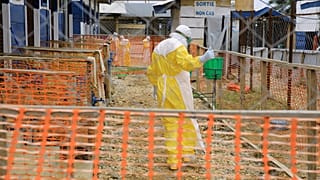
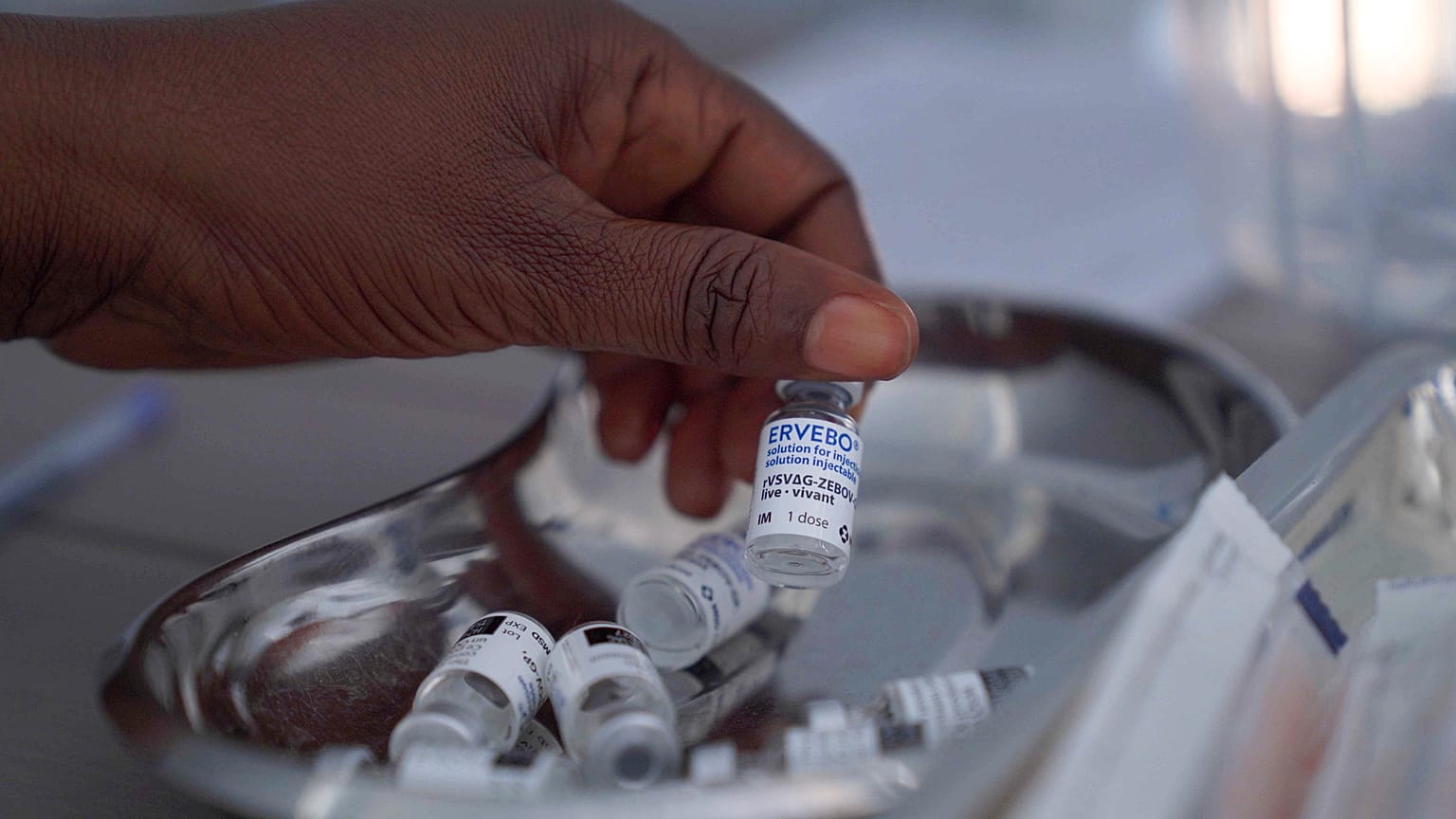
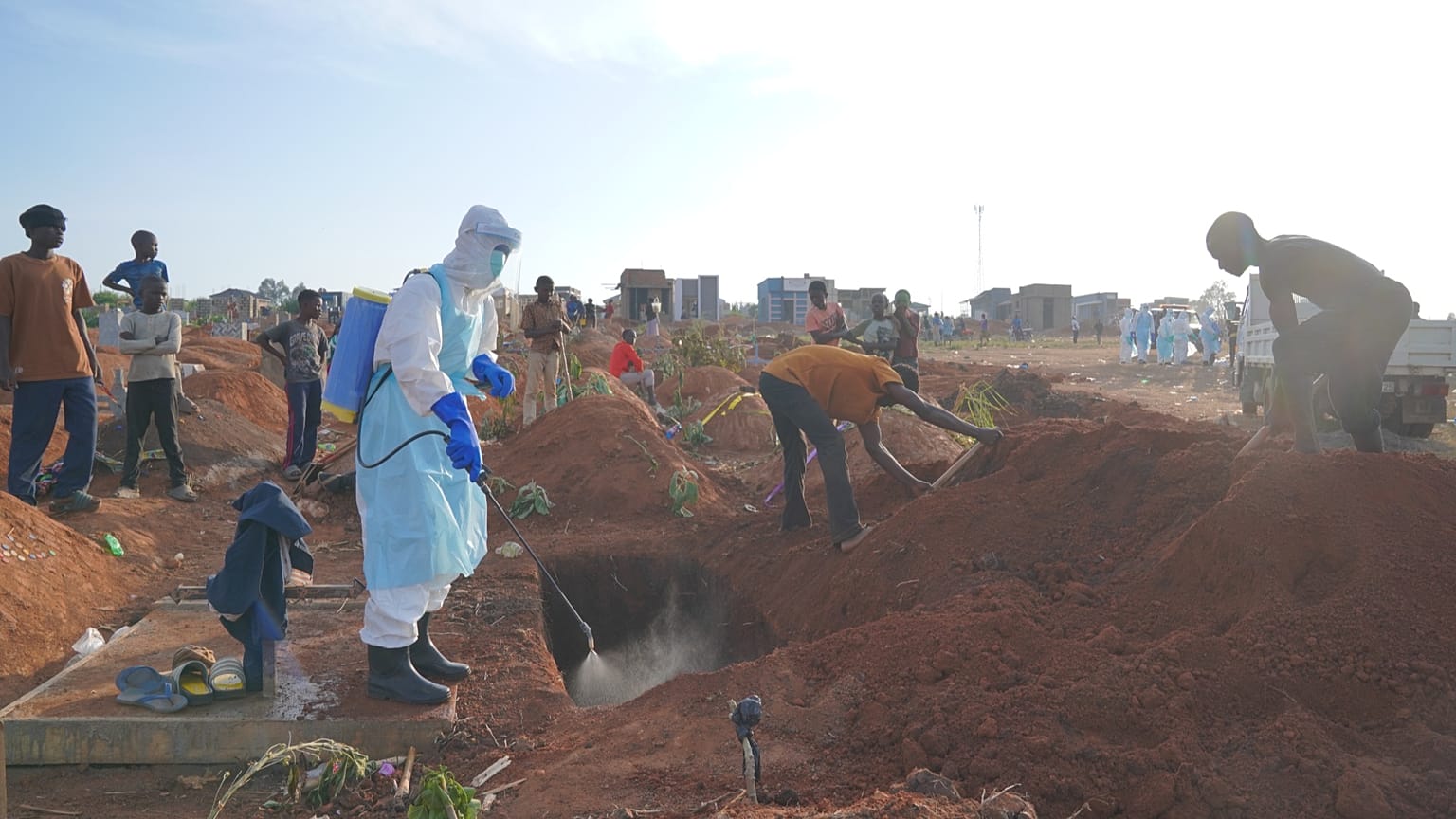
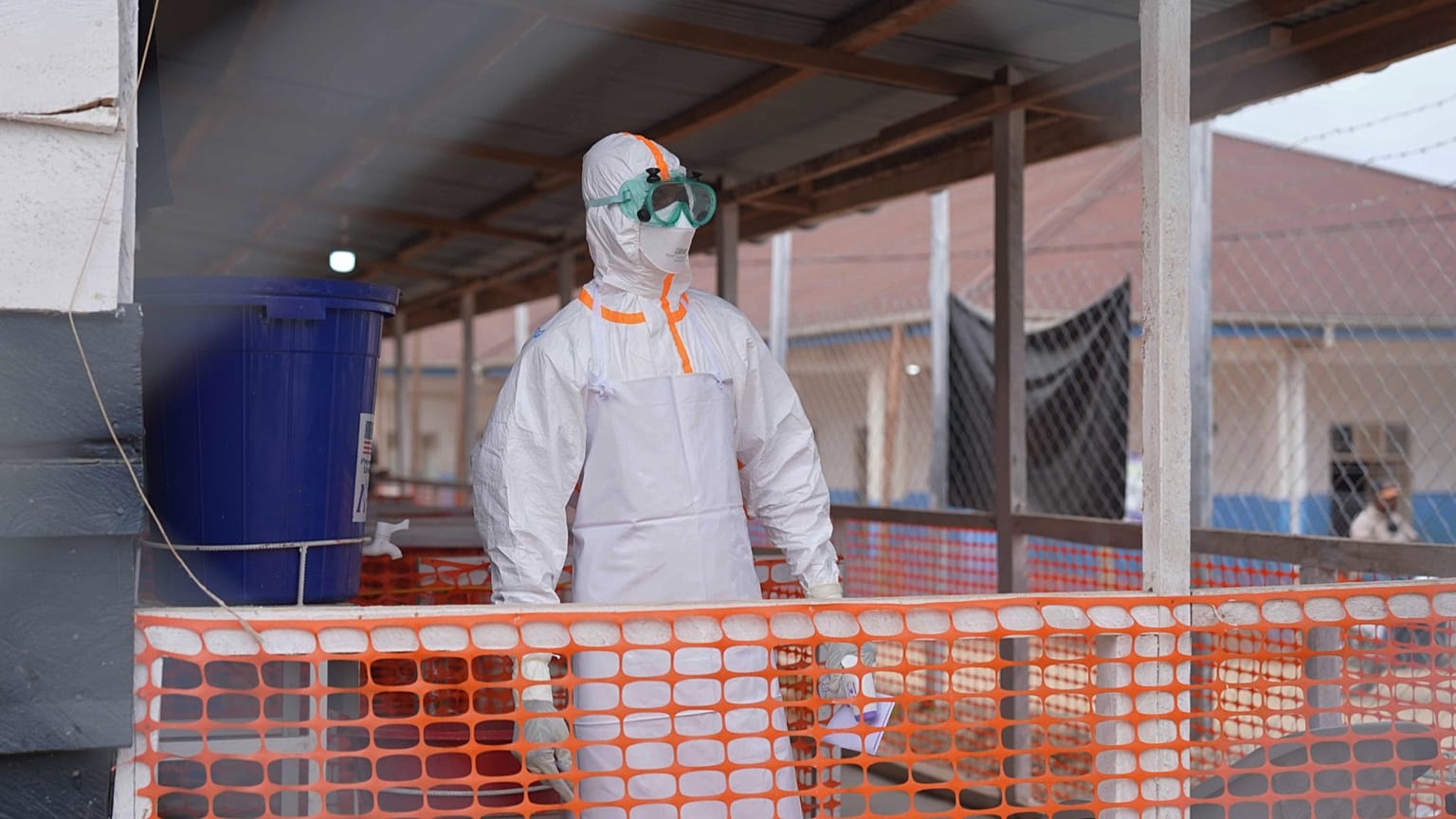
African health ministers will hold crisis talks on Ebola as Nigeria becomes the fourth country to confirm a case. The patient is now in isolation, while her contacts, including her spouse, a Swiss national, are being monitored.
Health news
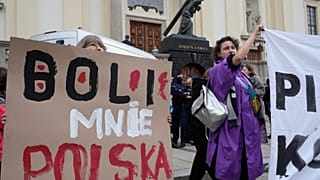
Poland’s abortion reforms would leave it an EU outlier, even if passed
Poland’s parliament, Sejm, has voted to ease some of the country’s abortion restrictions, but the changes would leave its laws among the most restrictive in the European Union — and face an uphill battle to become law.
 ADVERTISEMENT







Health news
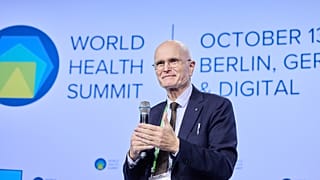
"Global health is a team sport": World Health Summit in Berlin
In a world of multiple crises, global health must once again be seen as a team sport, says World Health Summit president Prof Dr Axel R. Pries in an interview with Euronews. He also sees Europe, built on the EU framework, in a leading role.




Health news
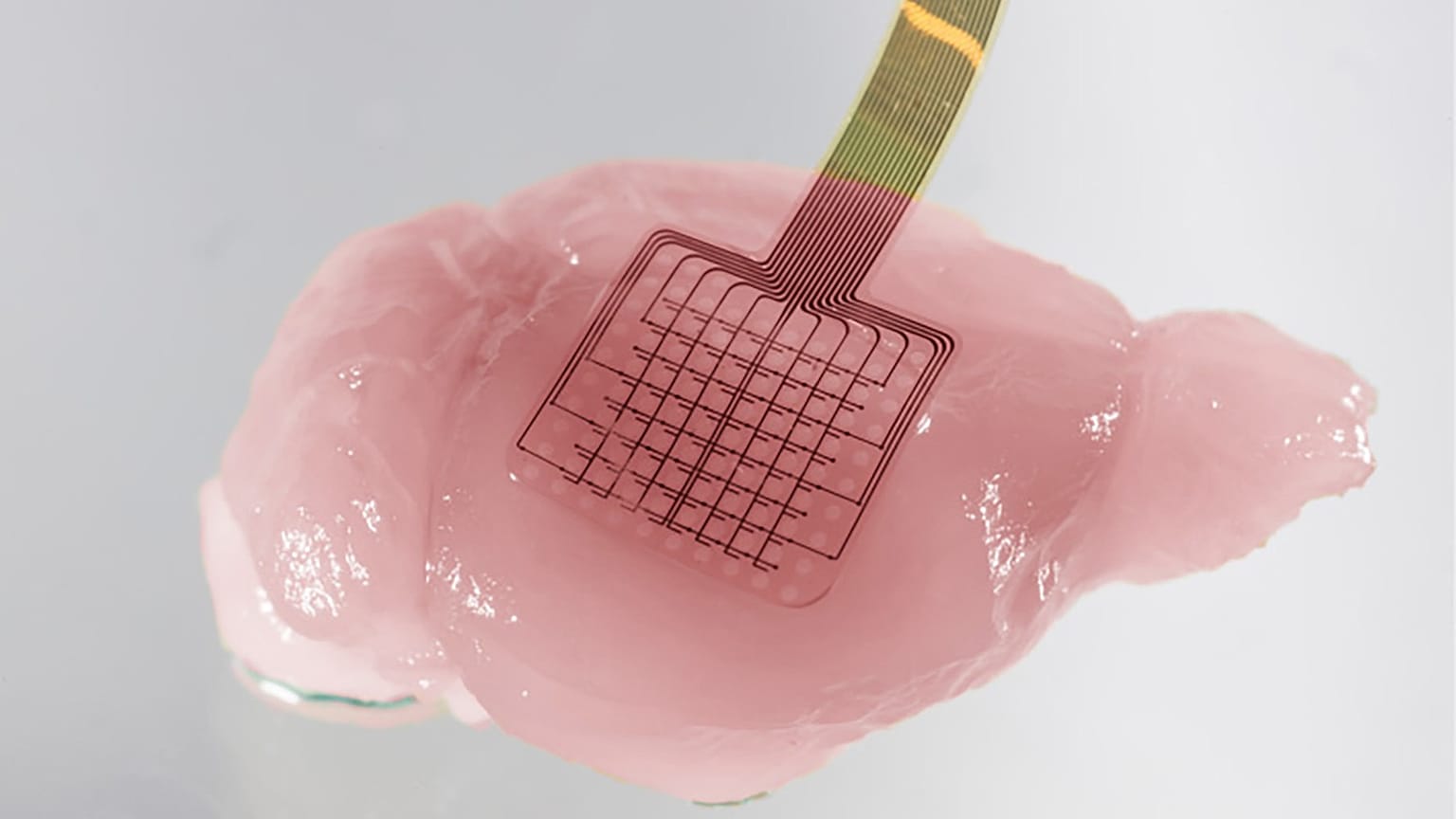
Graphene opens new way to detect brain damage after stroke
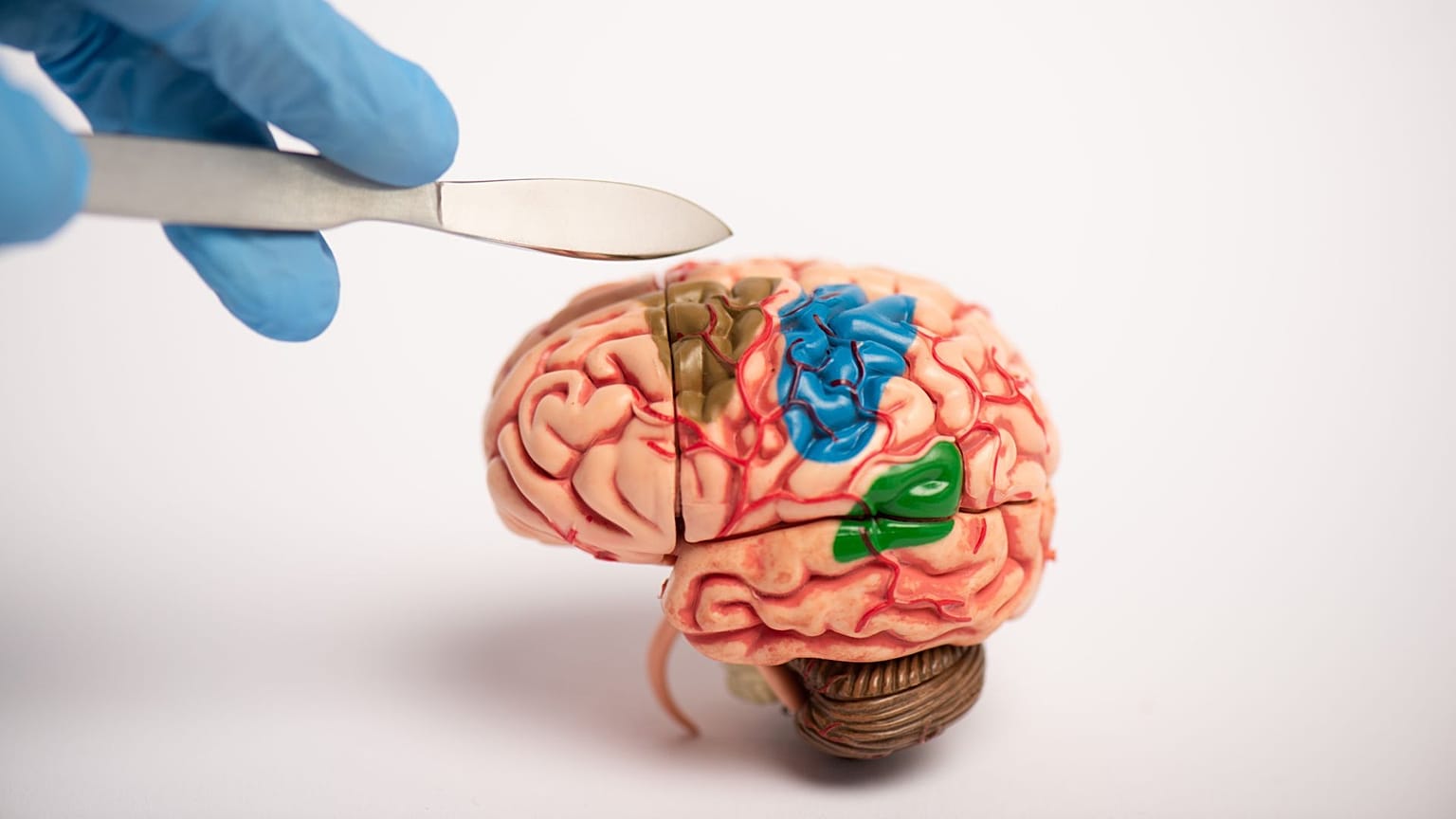
An international team of scientists involving Spain's CSIC has developed graphene sensors that pinpoint the brain regions most vulnerable after a stroke, tested in mice, opening the door to preventing further damage and improving treatment.



Health news
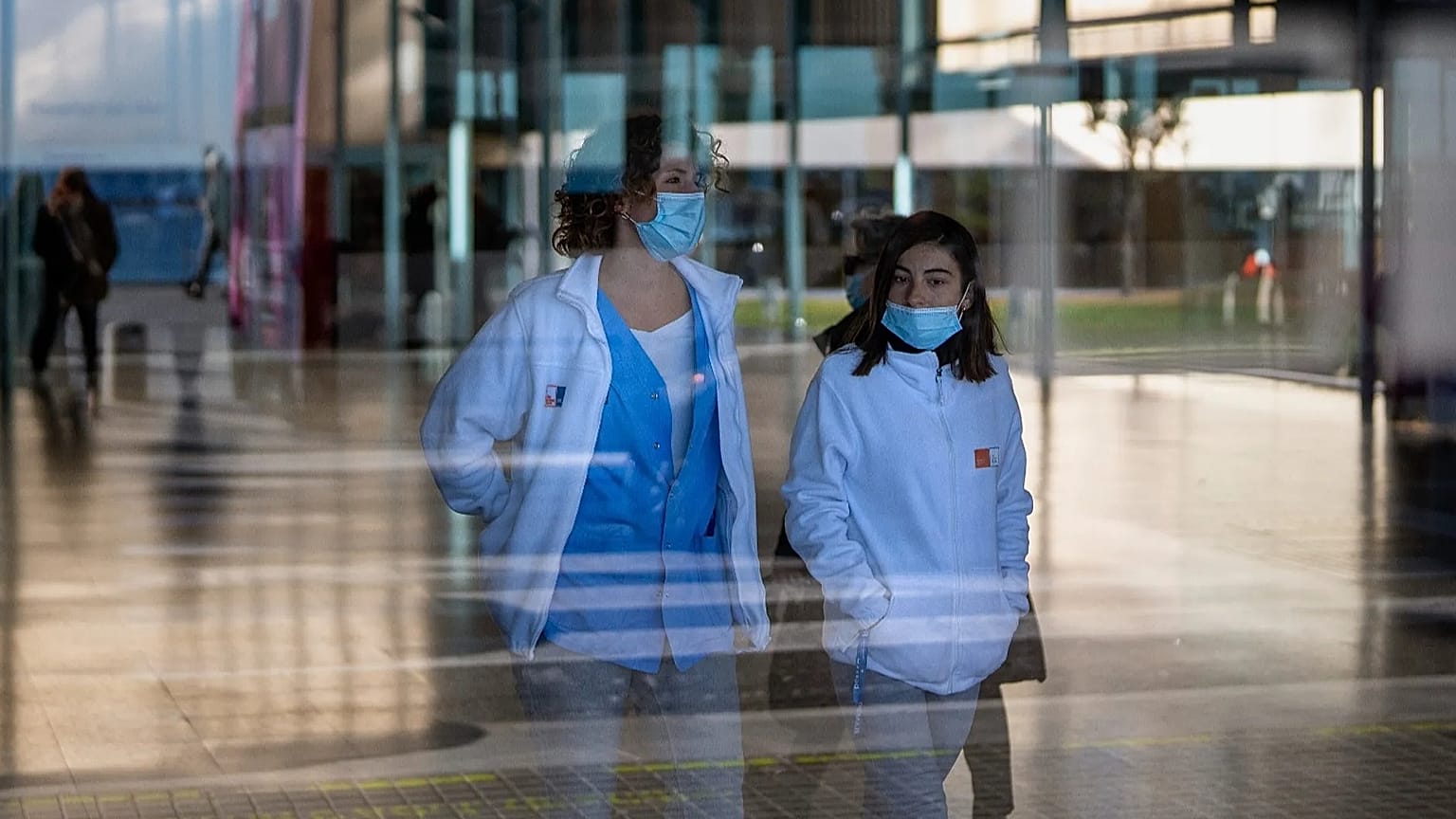
Portuguese hospital lets pets visit owners on the wards: test for paradigm shift
In northern and central Europe, pets are usually kept outside hospitals. Sao Joao's flexible model balances clinical benefits and safety, with no infections so far. "There is excessive fear," says the doctor who helped draft the rules.


Health news
Menopause medicine crisis goes beyond Spain
The shortage of Lenzetto has had a domino effect on other menopause hormone treatments in Spain and other European countries. Spain's Health Ministry expects supplies to improve in November, but Spain's Medicines watchdog warns the timetable is still unclear.


Health news
Invasive plant spreads across Portugal and lengthens allergy season
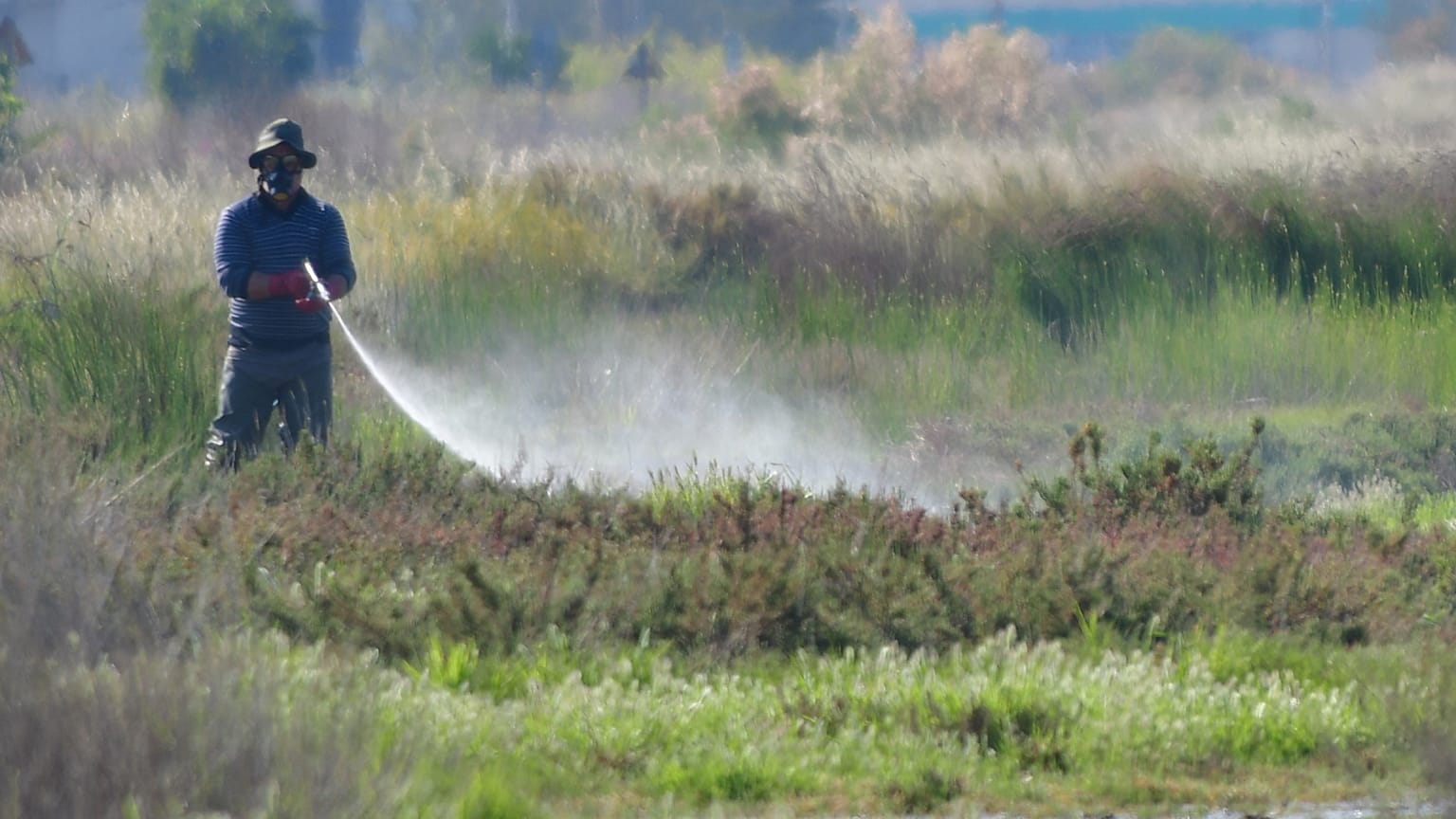
Known for its showy plumes and used as an ornamental for decades, pampas grass, also known as Cortaderia selloana, is spreading, threatening biodiversity and raising vegetation management costs. Experts call for urgent action to halt its advance and reduce pollen exposure.

Health news
Pneumonic plague in Russia: What do experts say about the risk?
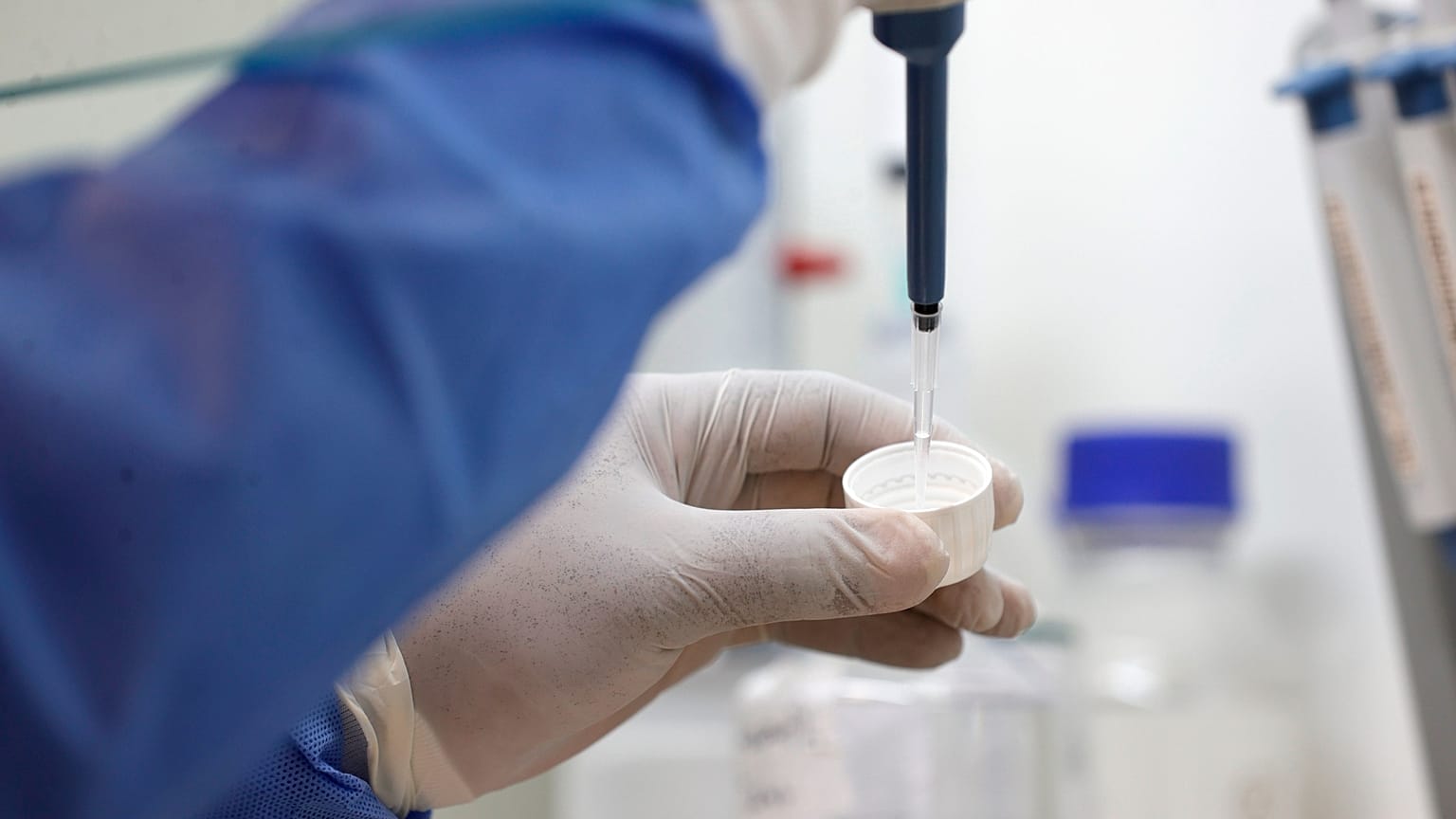
Russian authorities are investigating the death of a laboratory worker from an unexplained respiratory infection after unconfirmed reports suggested pneumonic plague. Experts say the disease is treatable with antibiotics and is unlikely to spread widely.

Health news
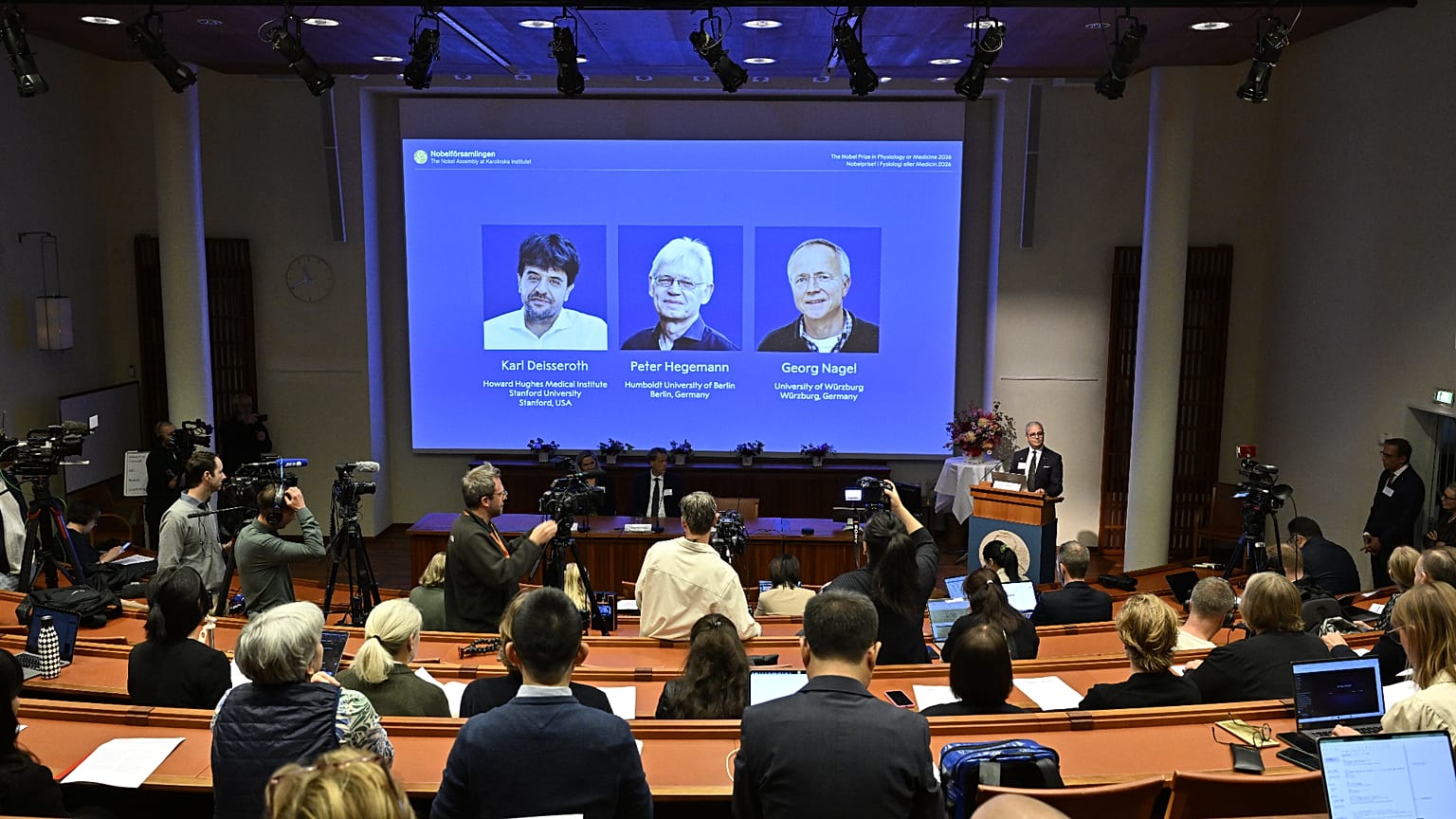
German and US scientists win 2026 Nobel Prize in medicine
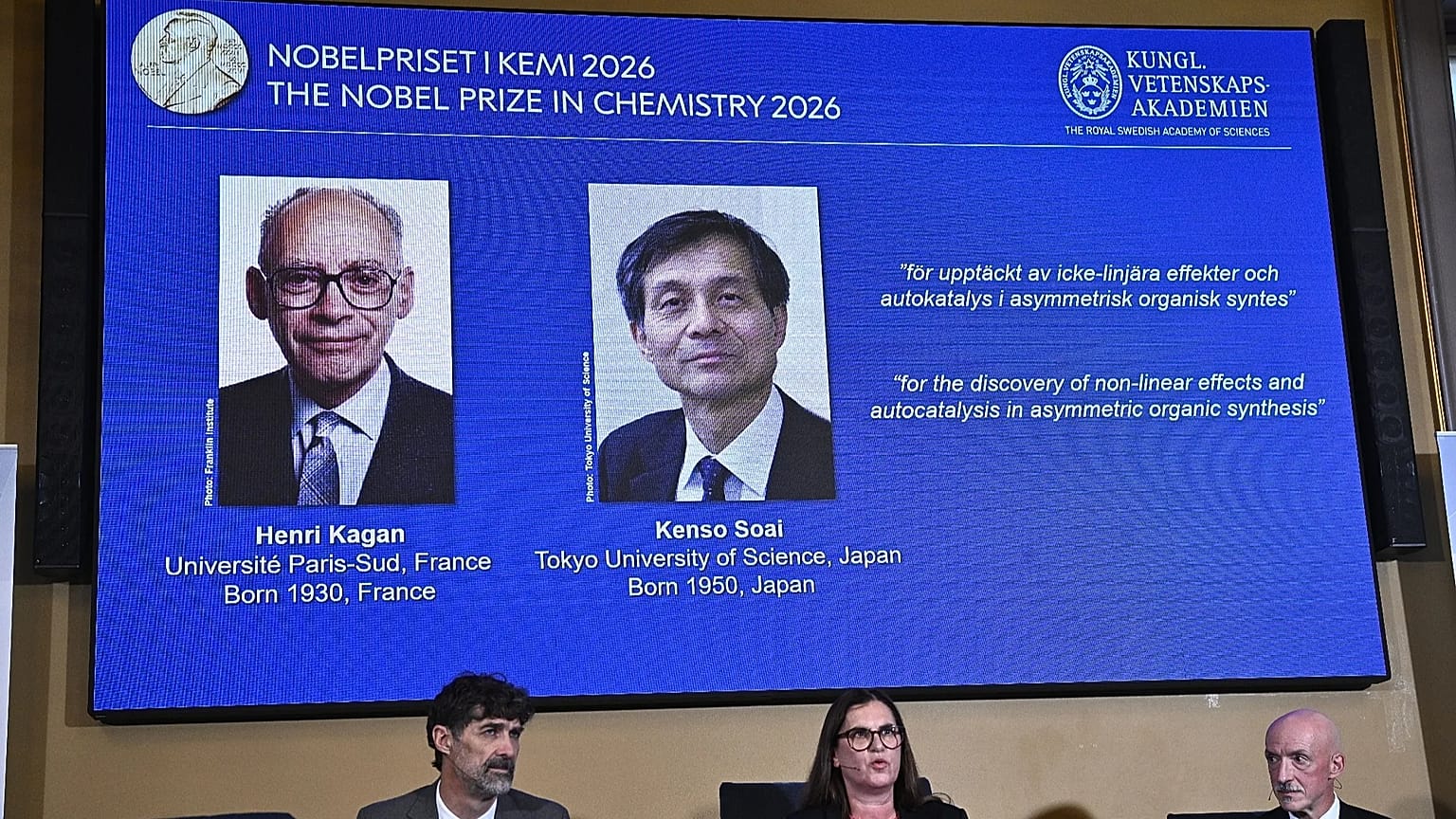
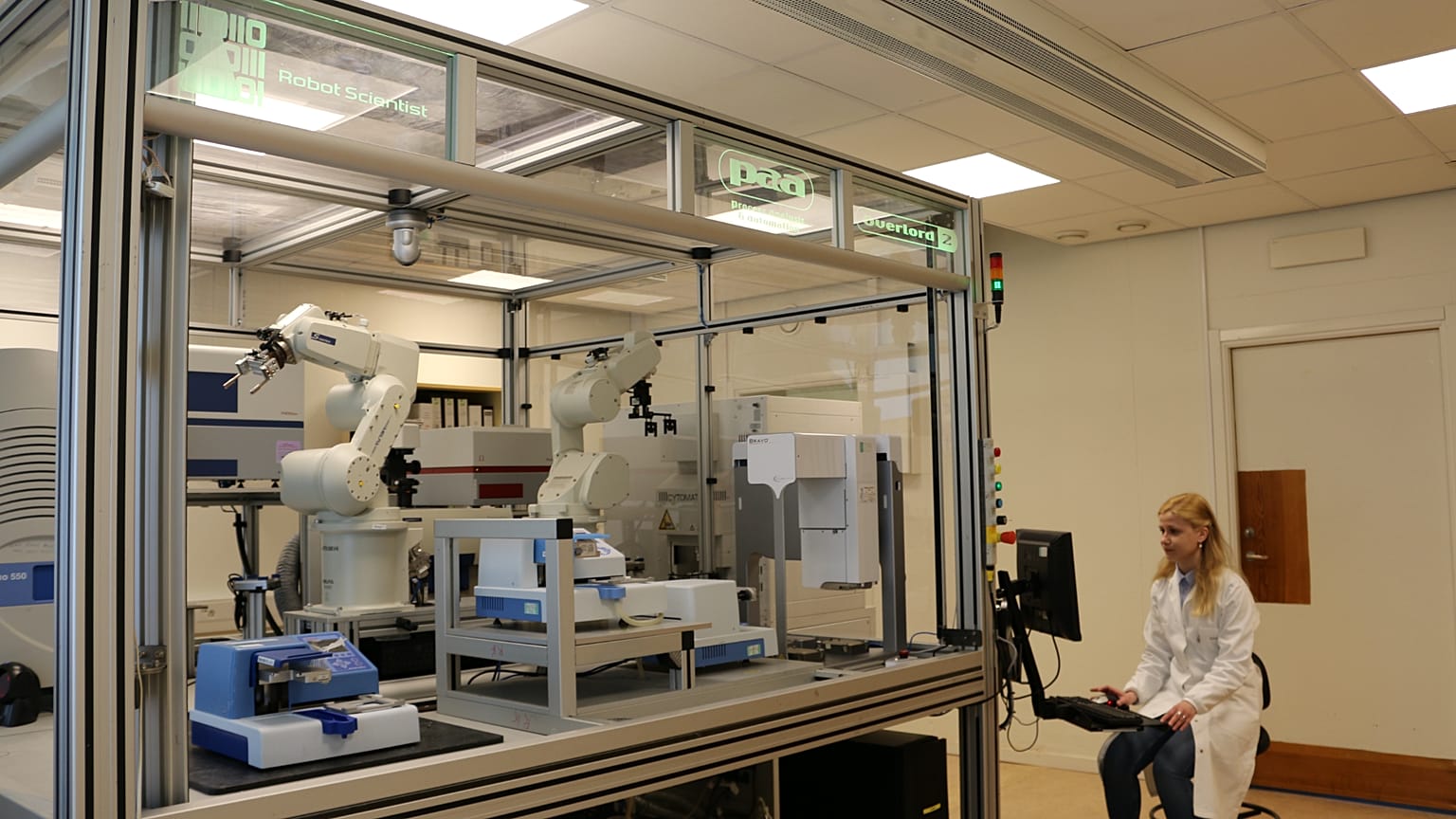
Karl Deisseroth, Peter Hegemann and Georg Nagel won the 2026 Nobel Prize in Medicine for their research into light-gated ion channels and optogenetics — a method that "provides opportunities for mapping the brain in a way that we could once only dream of."


Health news
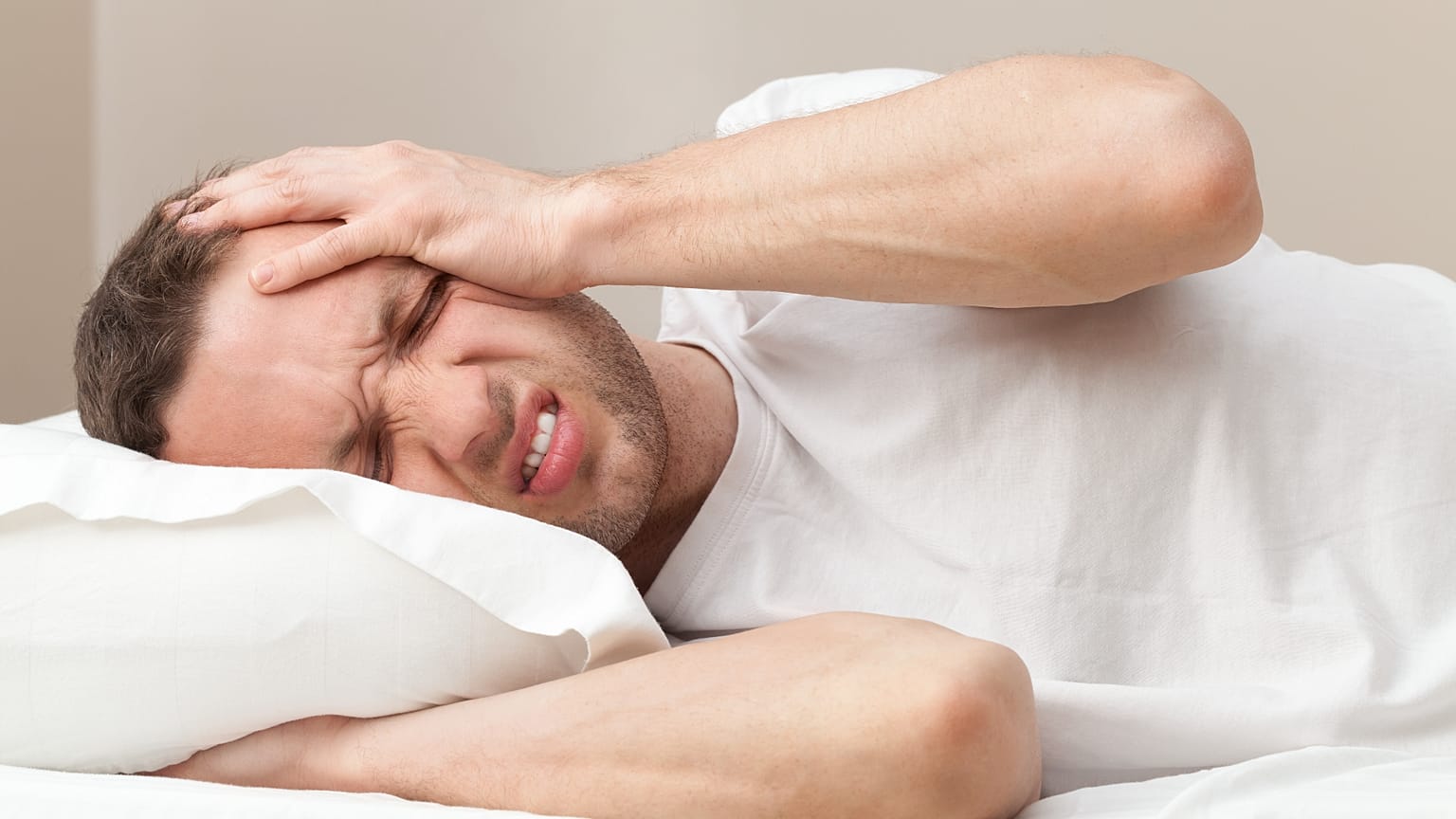
Two million Portuguese suffer from migraine, but many still lack care
Worldwide, around 1.3 billion people live with migraine, making it one of the most common neurological disorders and a leading cause of disability. Despite its impact, it is underdiagnosed and many patients still lack adequate care.









Health news
Most European men would try new contraception methods if available
Most men would embrace contraception designed for them, such as on-demand pills taken before sex, a daily hormonal gel or a thermal silicone ring, but funding gaps are keeping these products years away from pharmacy shelves.







Health news
Taxing billionaires could save nearly 30 million lives
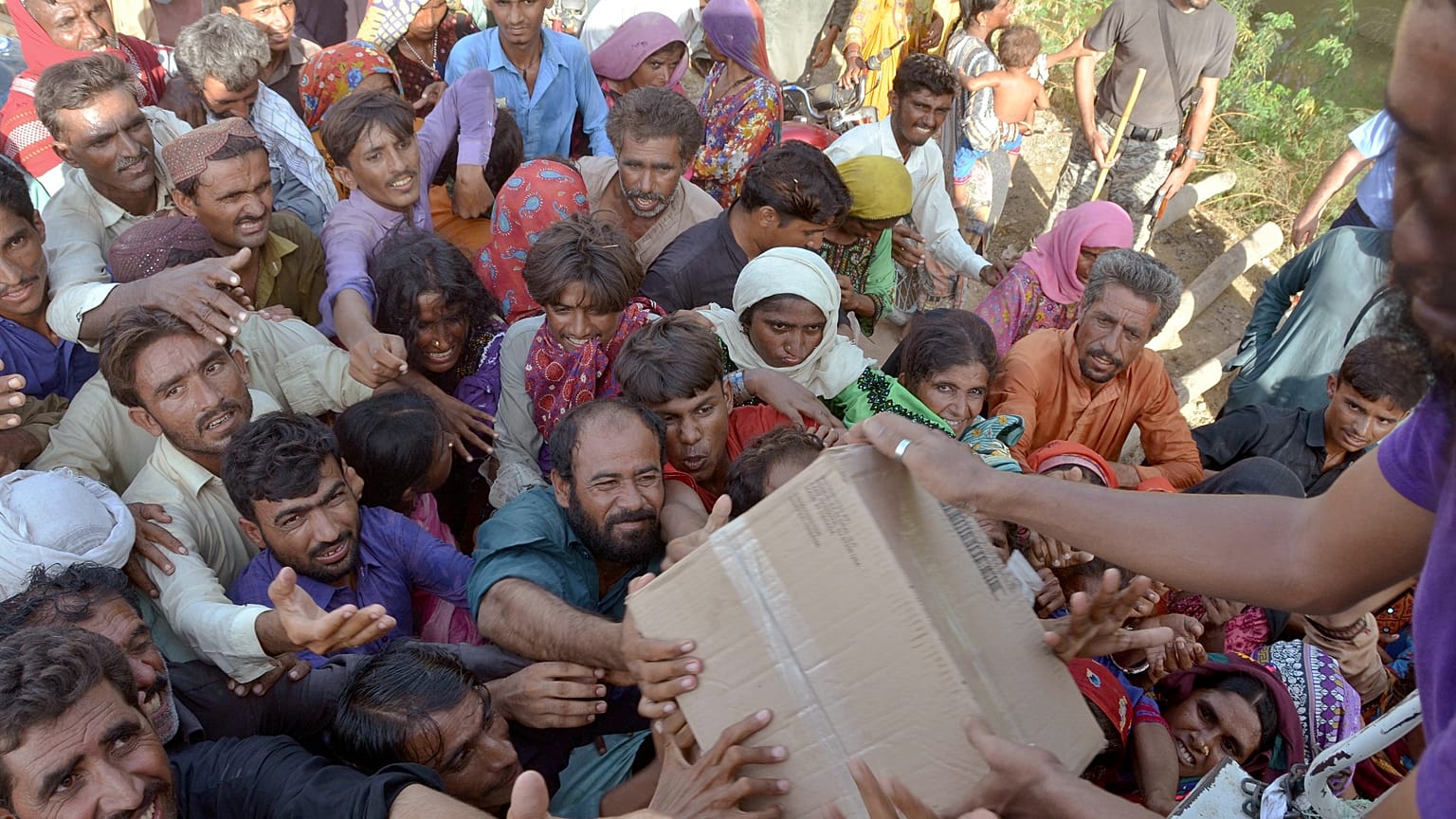
Putting a 3% tax on billionaires' wealth could save up to 29.5 million lives among the most vulnerable populations by 2030, according to new research published in The Lancet, as traditional sources of humanitarian and development funding face an unprecedented squeeze.


Health news
US push to cut drug prices could mean longer waits for European patients
Europe’s patients could face longer waits for some new medicines as US efforts to drive down drug prices risk encouraging pharmaceutical companies to delay launches in lower-price markets, according to a new modelling study.






Health news
Spain's FA backs fertility treatment for players and referees
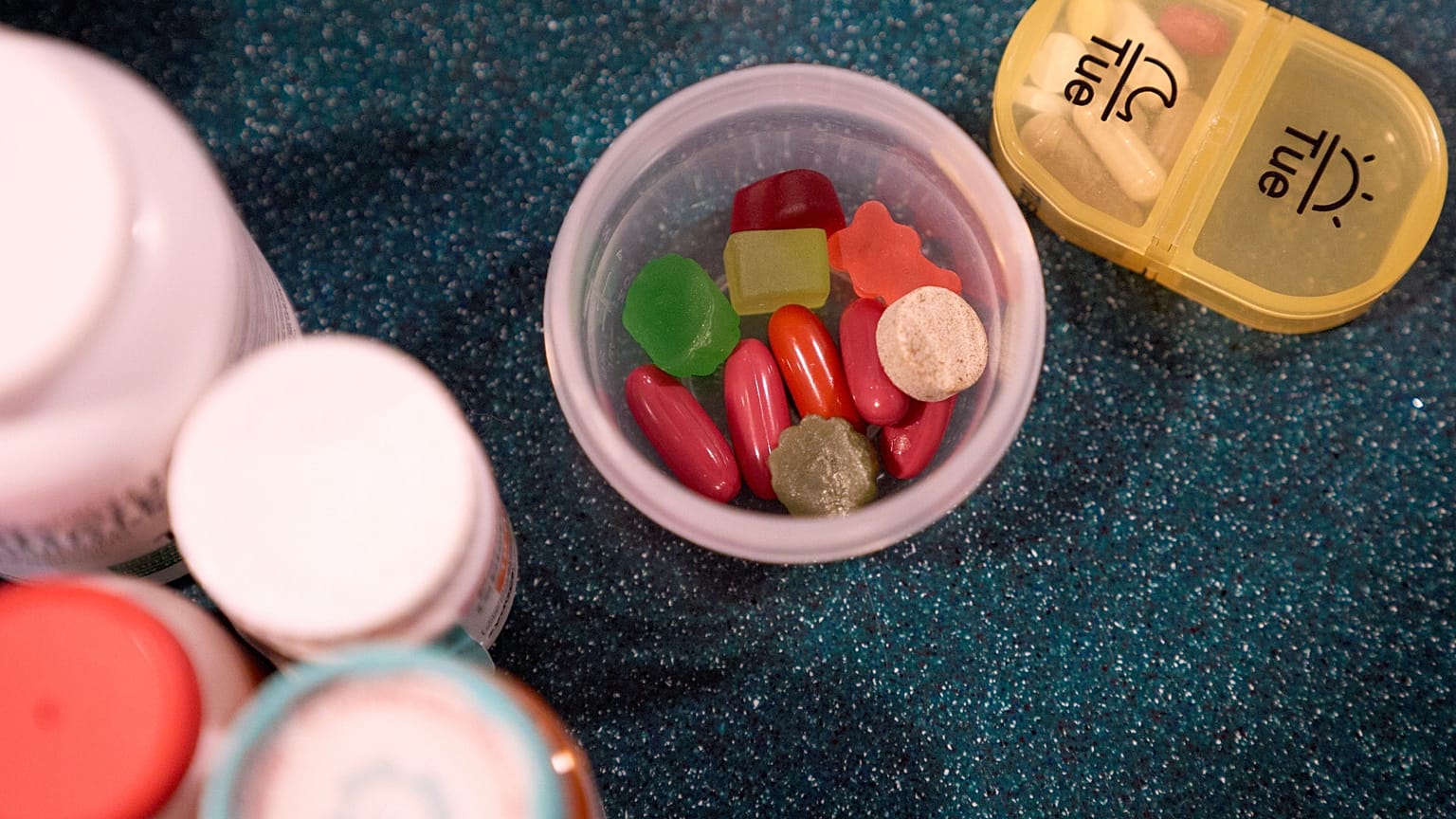
Elite players in Spain’s women’s national team and staff to be given access to fertility treatments to ease up pressure and better plan if or when to become mothers. The decision comes as Europe grapples with falling fertility rates.





Health news
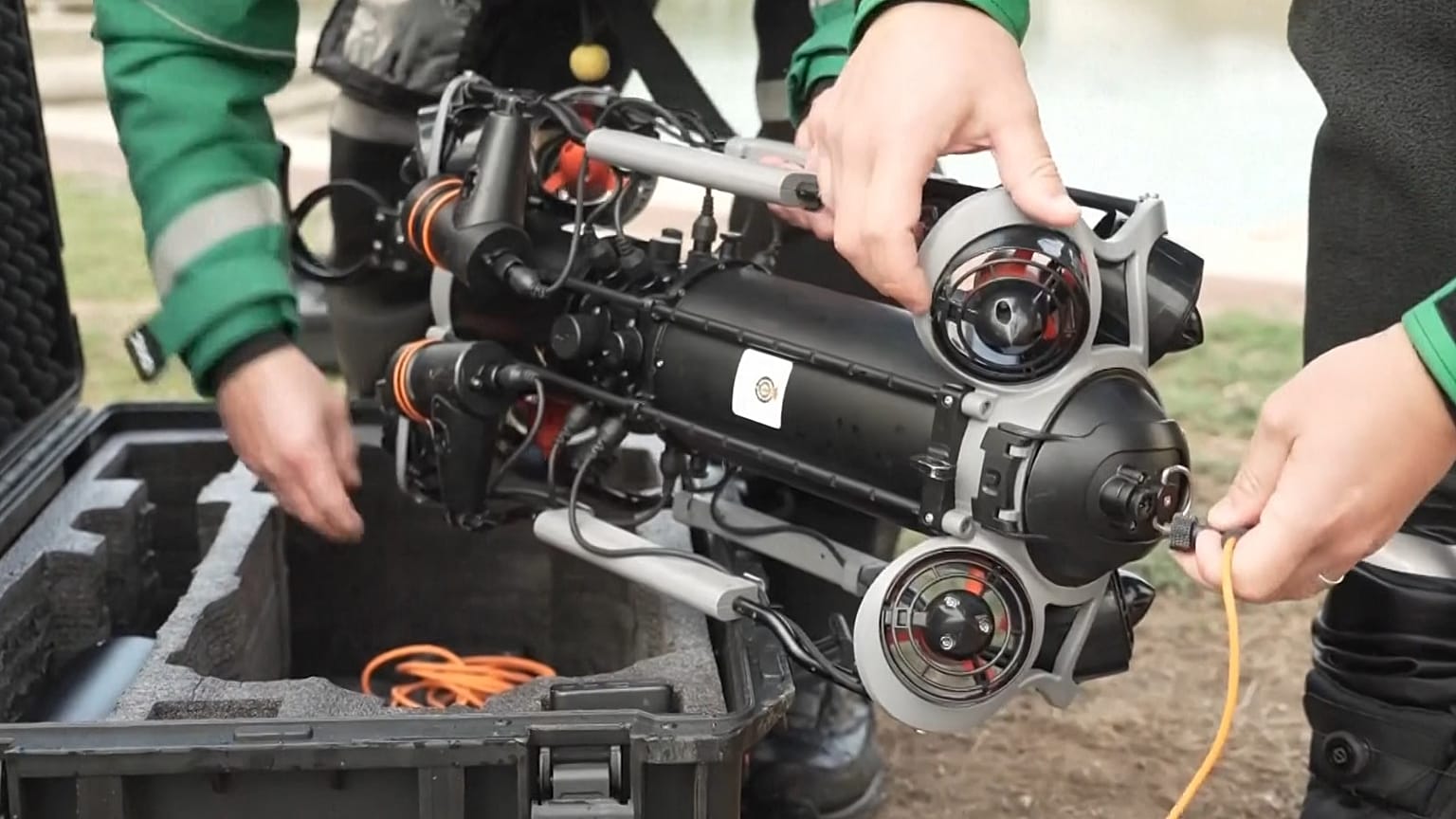
How underwater drones could save lives
London ambulance crews are using underwater drones to help rescue people who disappear beneath the surface of rivers, lakes and canals. The remotely operated devices provide live images, measure water conditions and can pull casualties towards safety.
















Health news
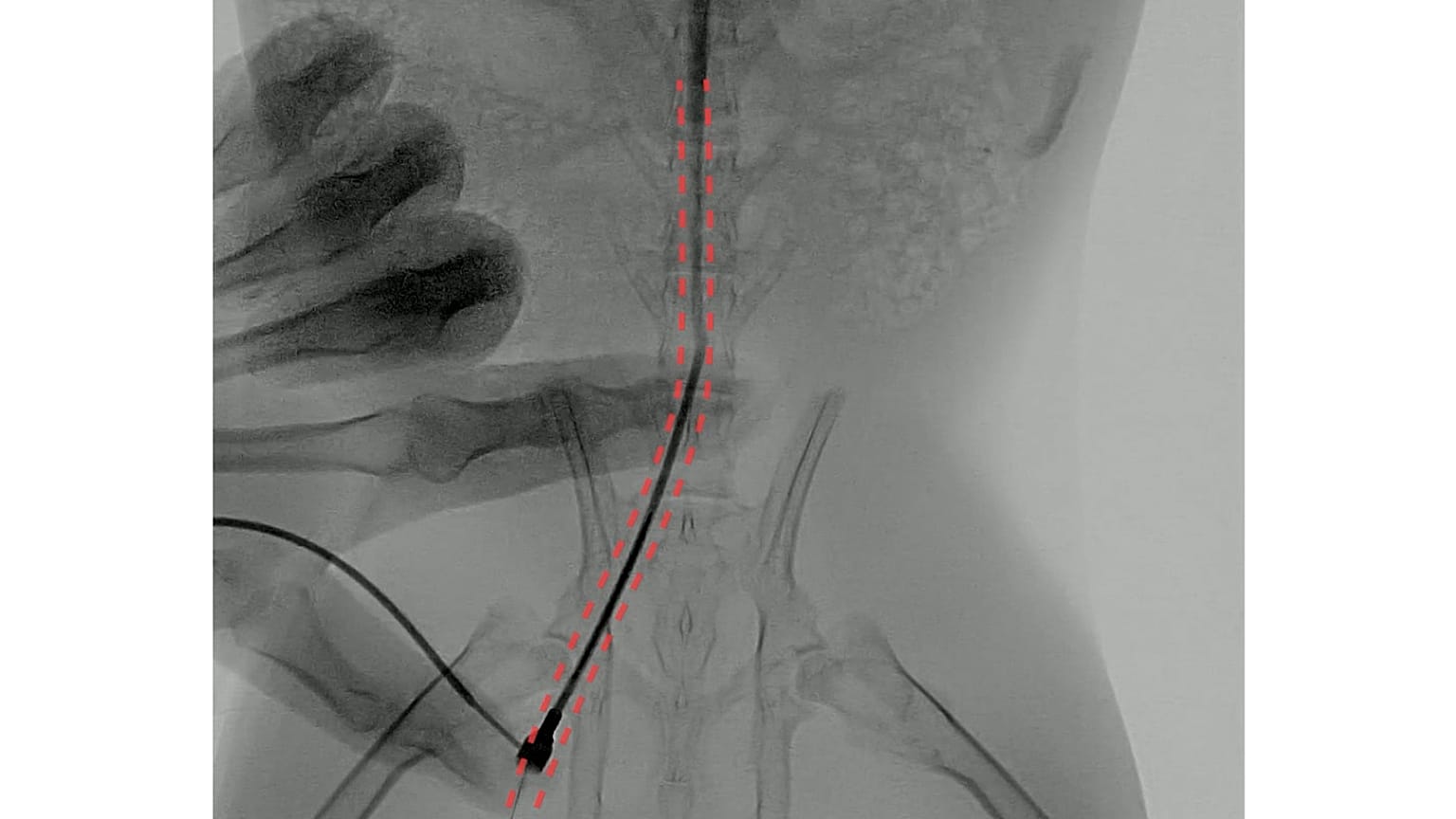
Tiny ‘hairy’ robot could help treat blood clots and detect cancer
By coating the robot with antibodies, researchers collected rare cancer cells circulating in the bloodstream from samples taken from all 23 liver cancer patients tested, showing its potential for future cancer monitoring and diagnosis.

Health news
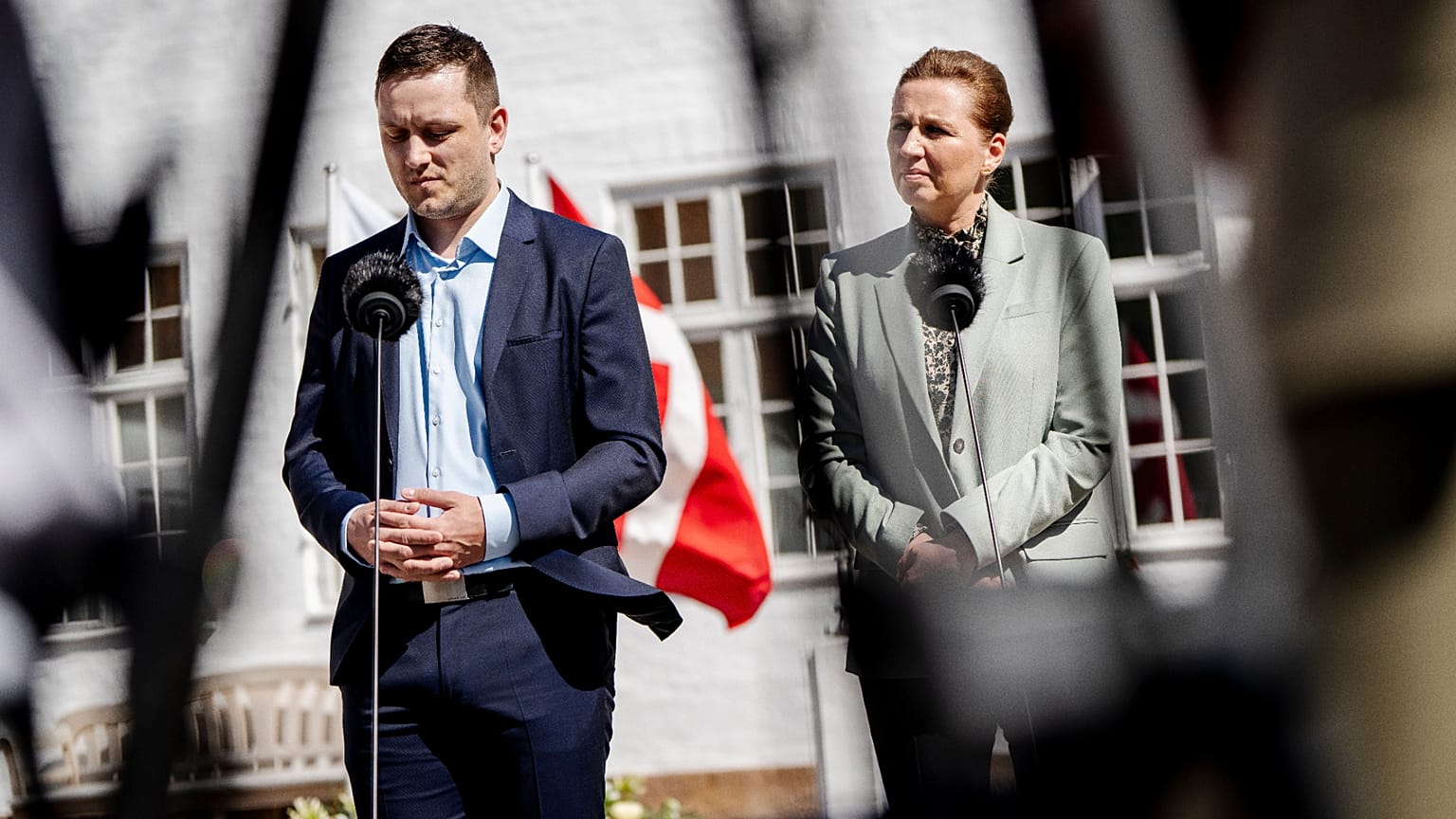
Greenland to publish new reports on forced contraception case
The findings will arrive just one day after the Danish parliament is due to finalise compensation legislation for affected women, raising questions about how the reports’ assessment of responsibility will sit alongside Denmark’s existing response.










Health news
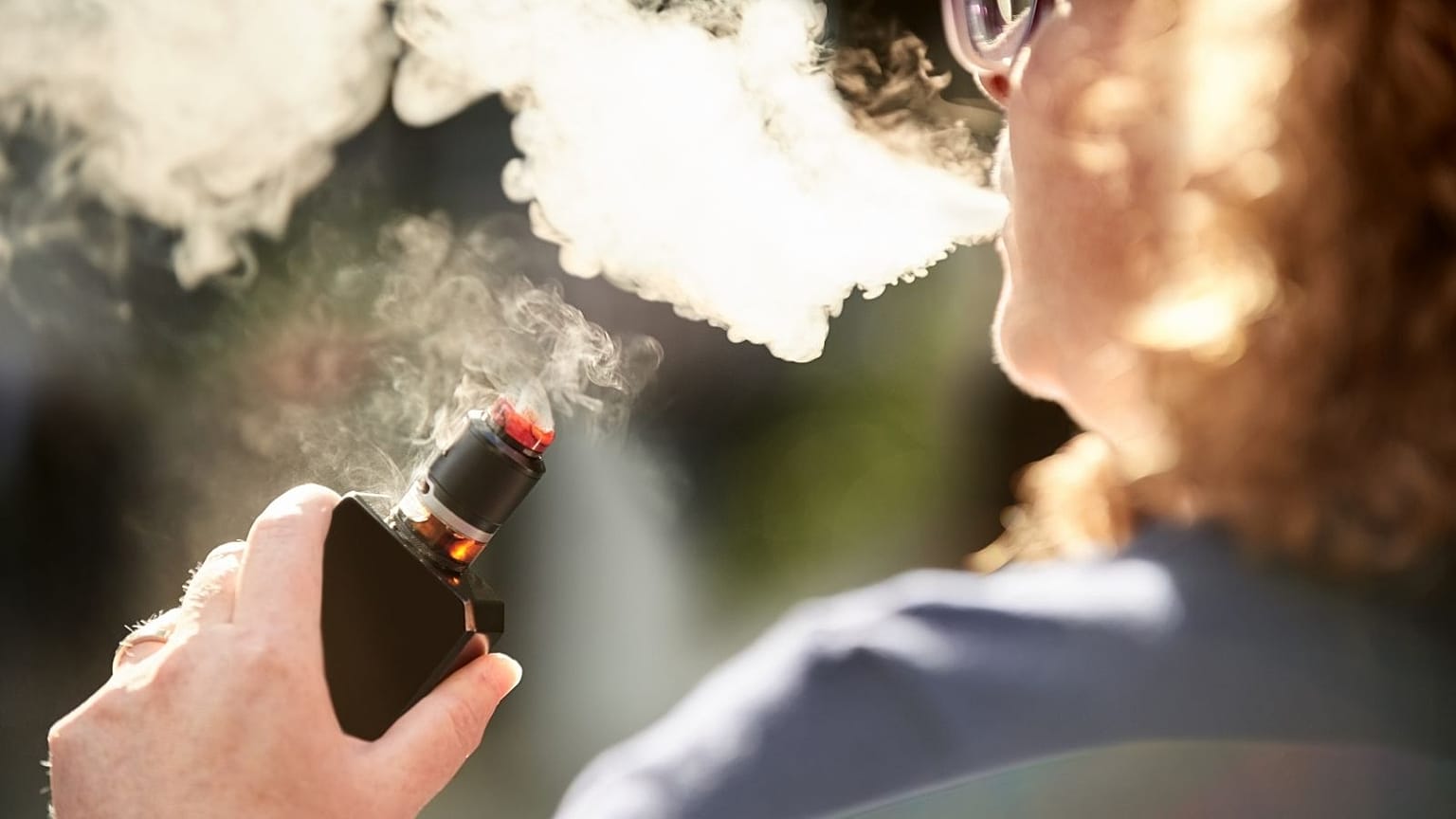
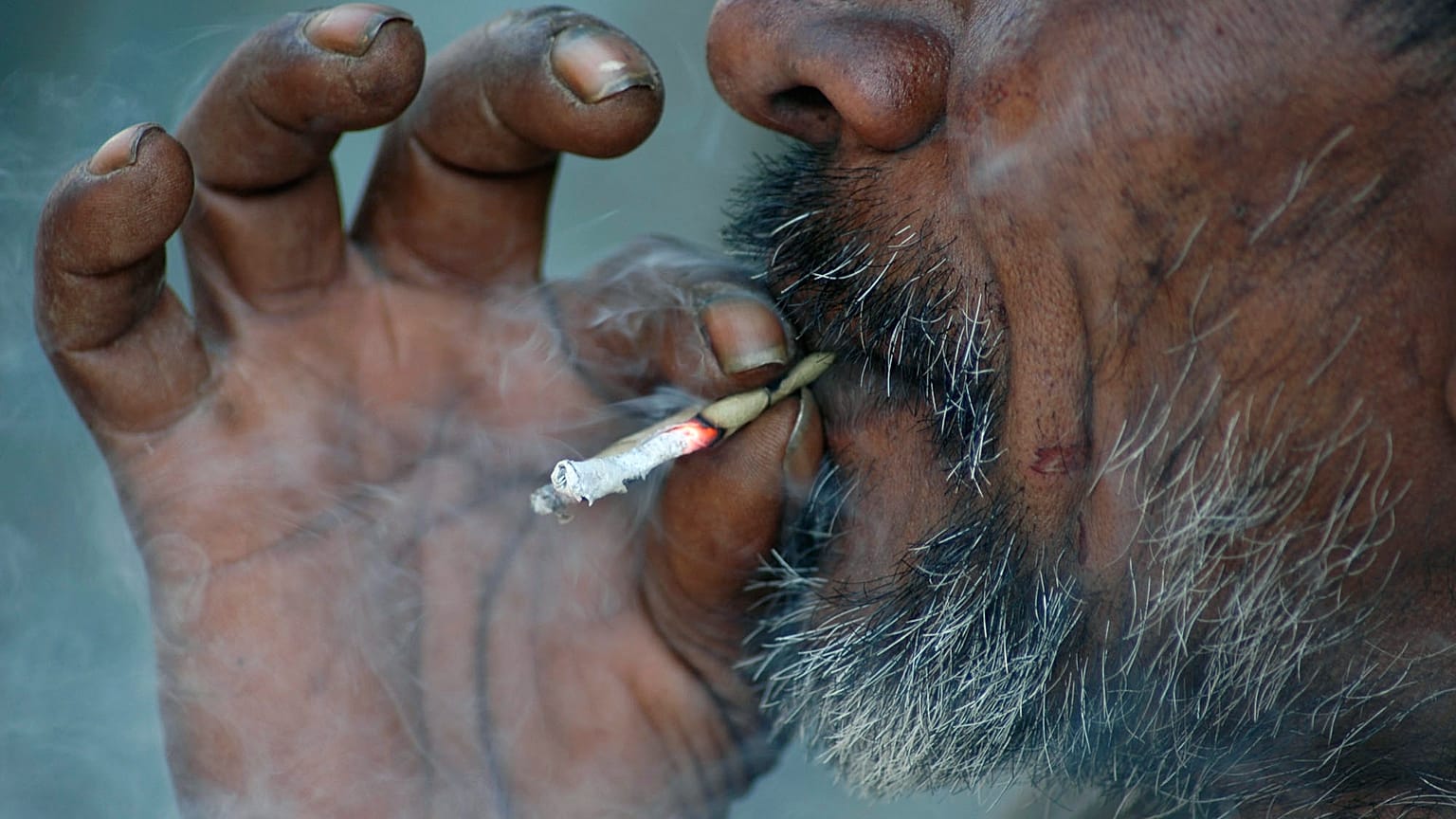
Smokers know tobacco causes cancer but less about heart risks
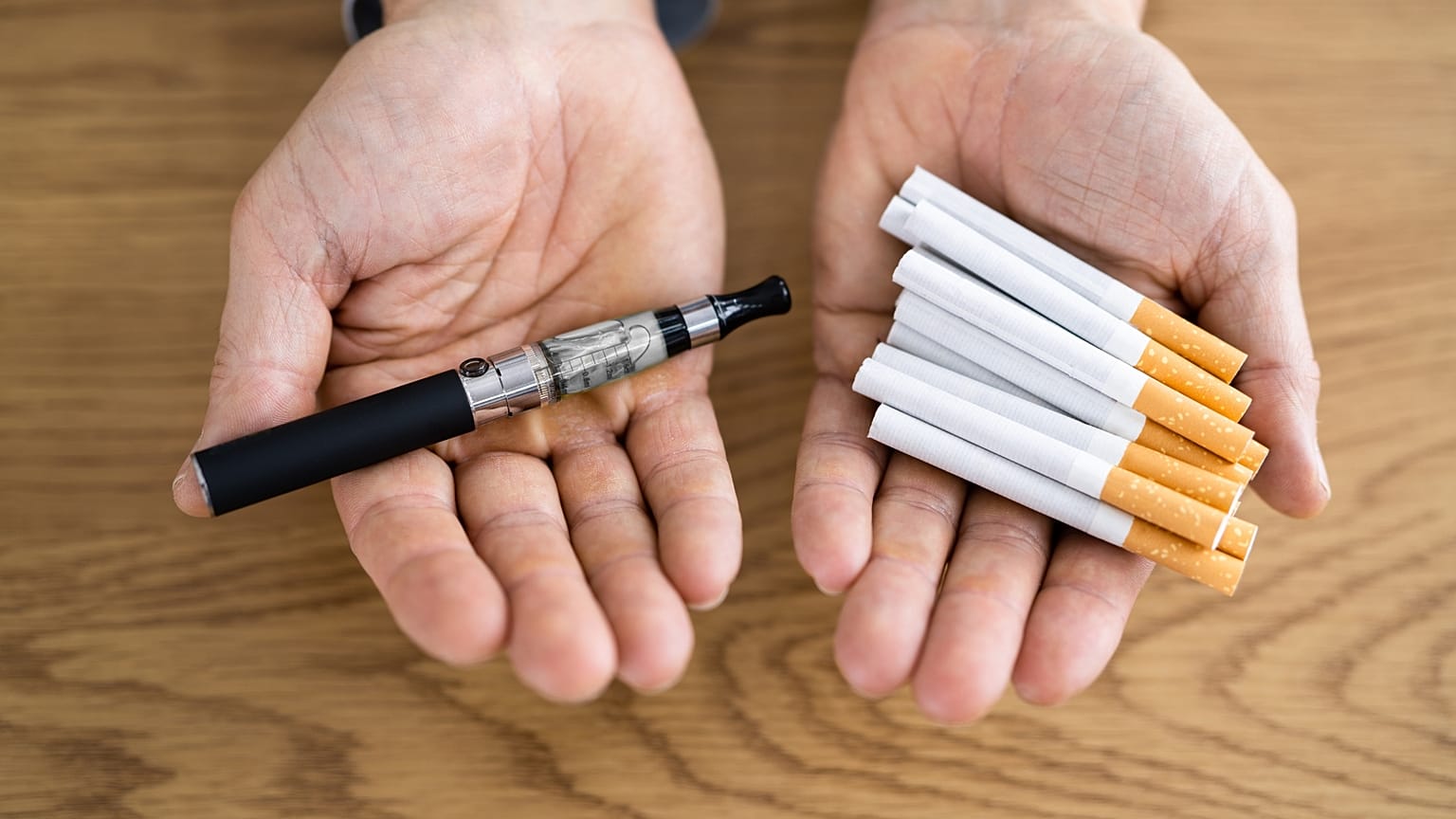
A new research covering more than 240,000 smokers across 46 countries finds little progress in understanding the cardiovascular damage caused by tobacco — raising questions about whether decades of health warnings are getting through.
Health news
Trump’s vaccine overhaul could fuel vaccine mistrust in Europe
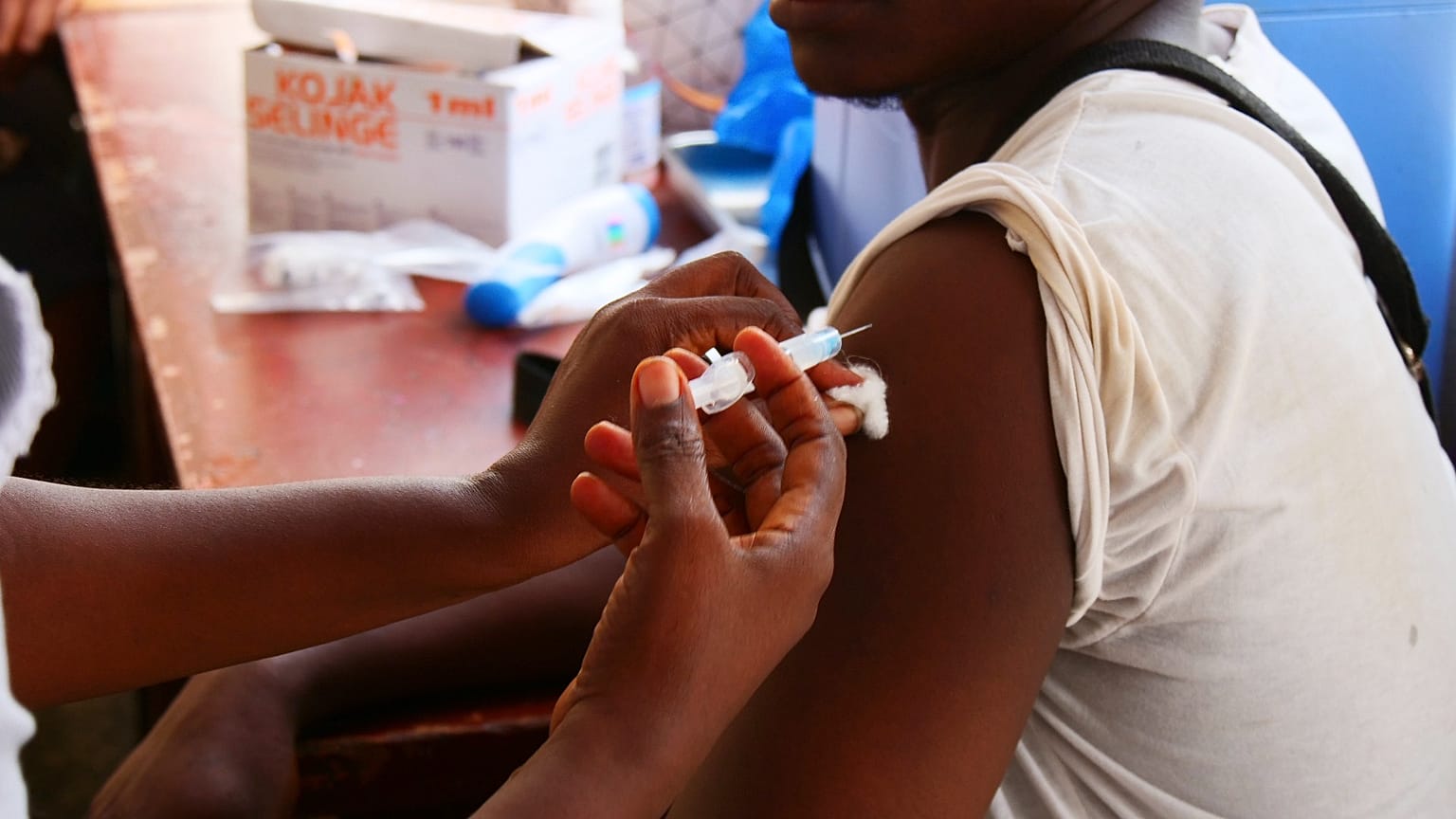
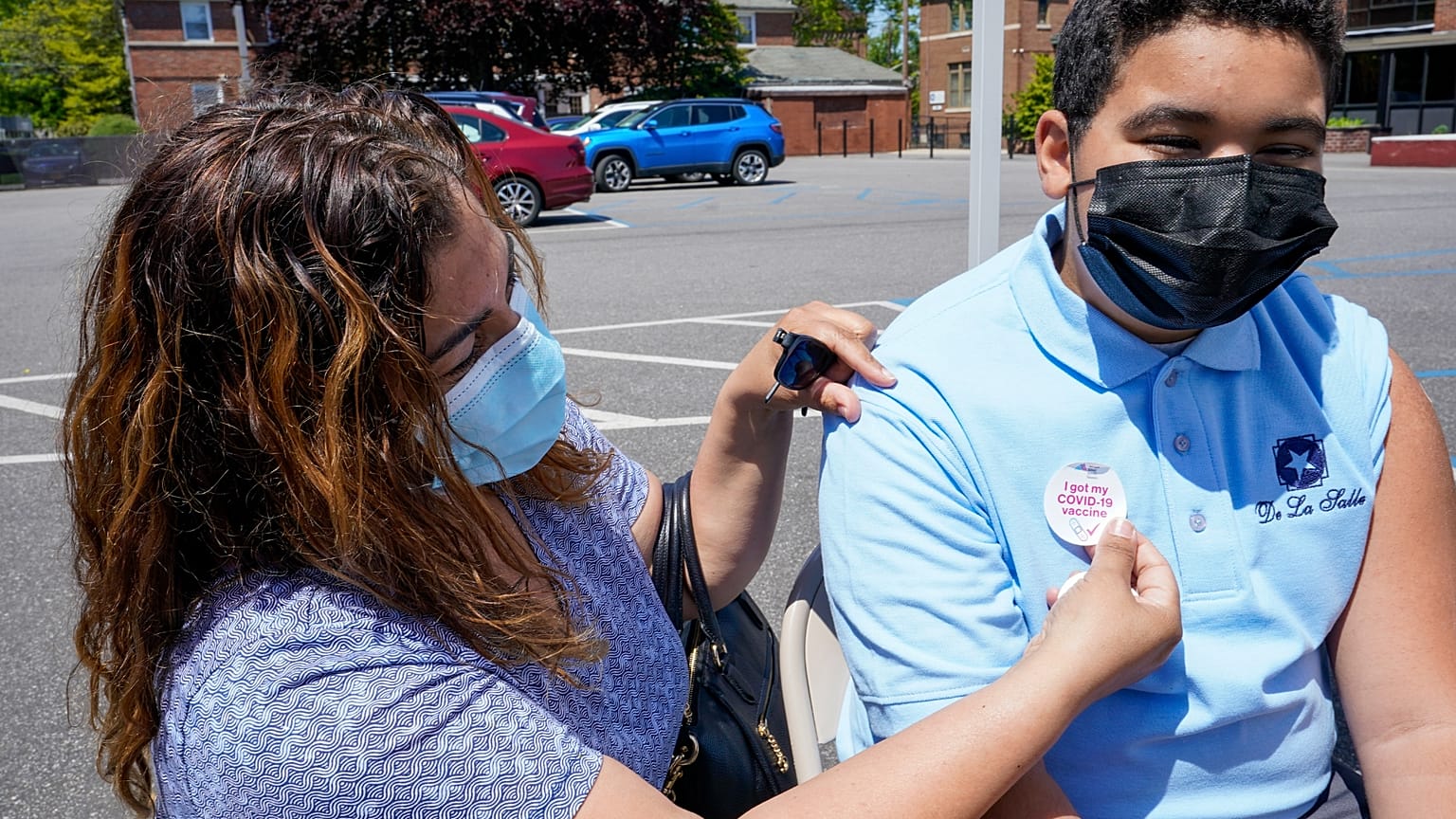
The fallout from US President Donald Trump’s executive order aimed at reducing the number of universally recommended childhood immunisations could extend beyond the United States, fuelling vaccine mistrust and creating immunisation gaps.






Health news
Trump signs order that calls for fewer childhood vaccines
The order recommends giving all childhood vaccinations at separate visits whenever feasible, which had earlier been blocked by a federal judge, and dividing the measles, mumps, and rubella vaccine into three distinct single injections


Health news
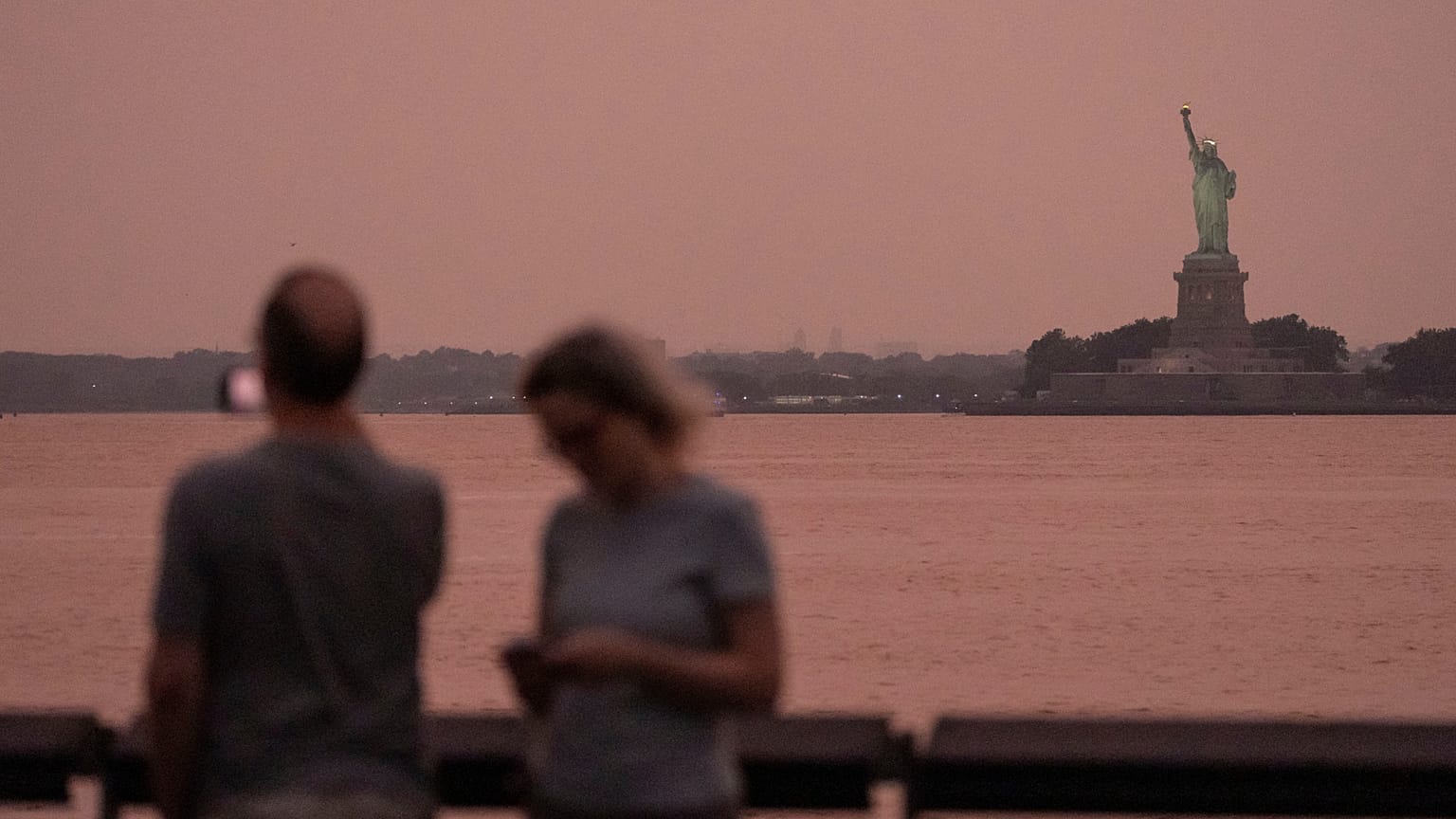
Wildfire smoke poses growing risk to pregnant women, US study finds
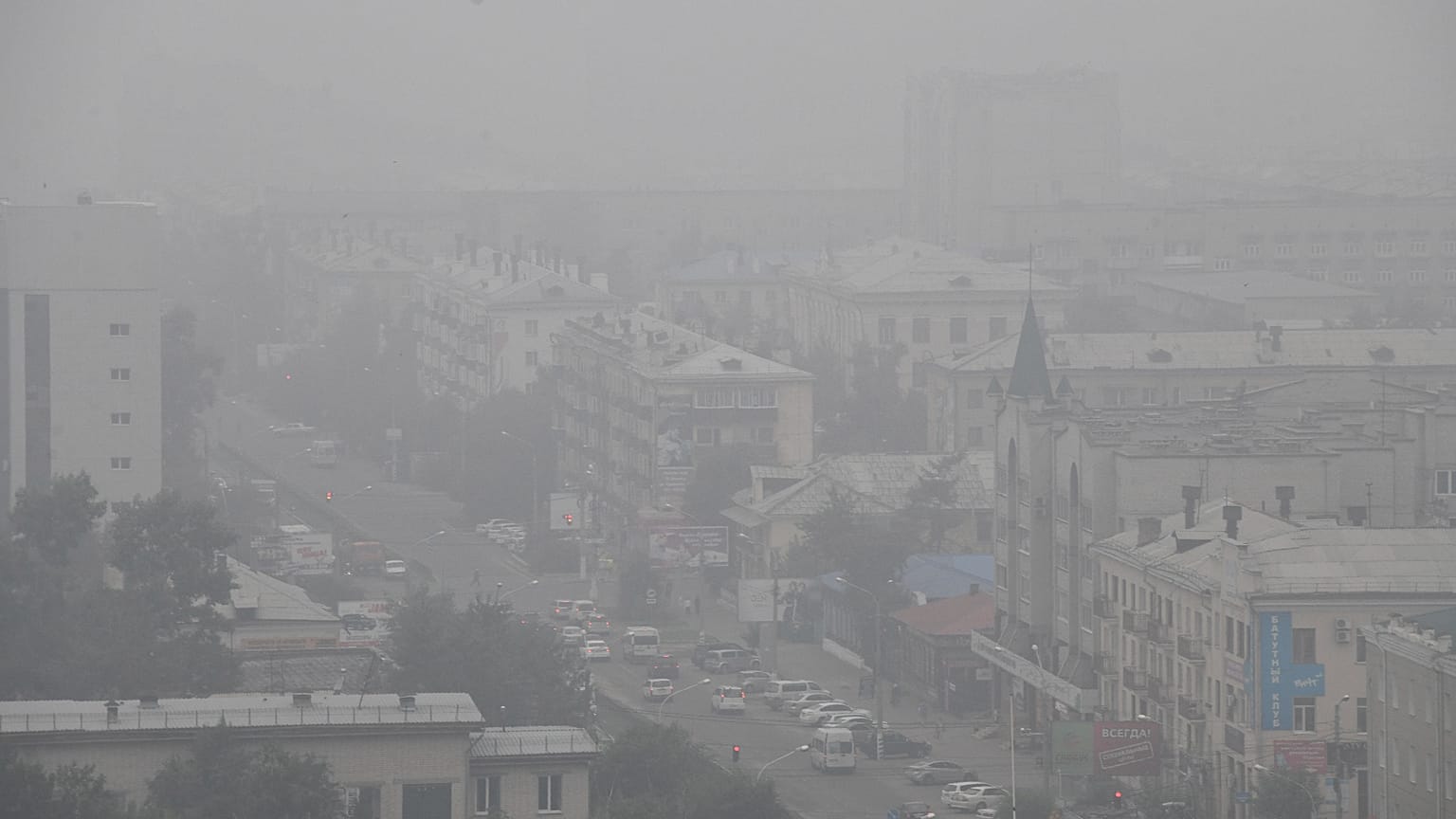
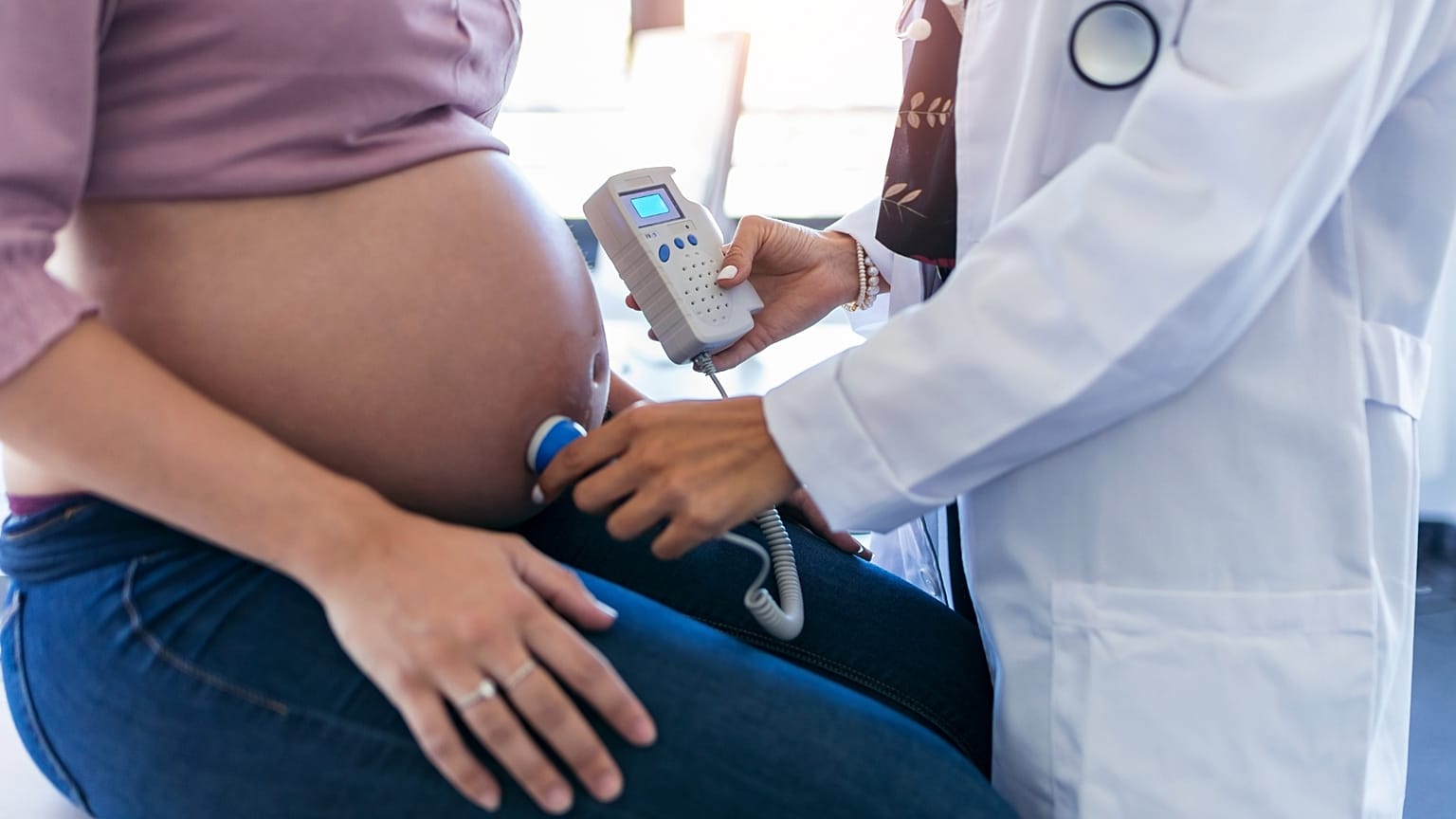
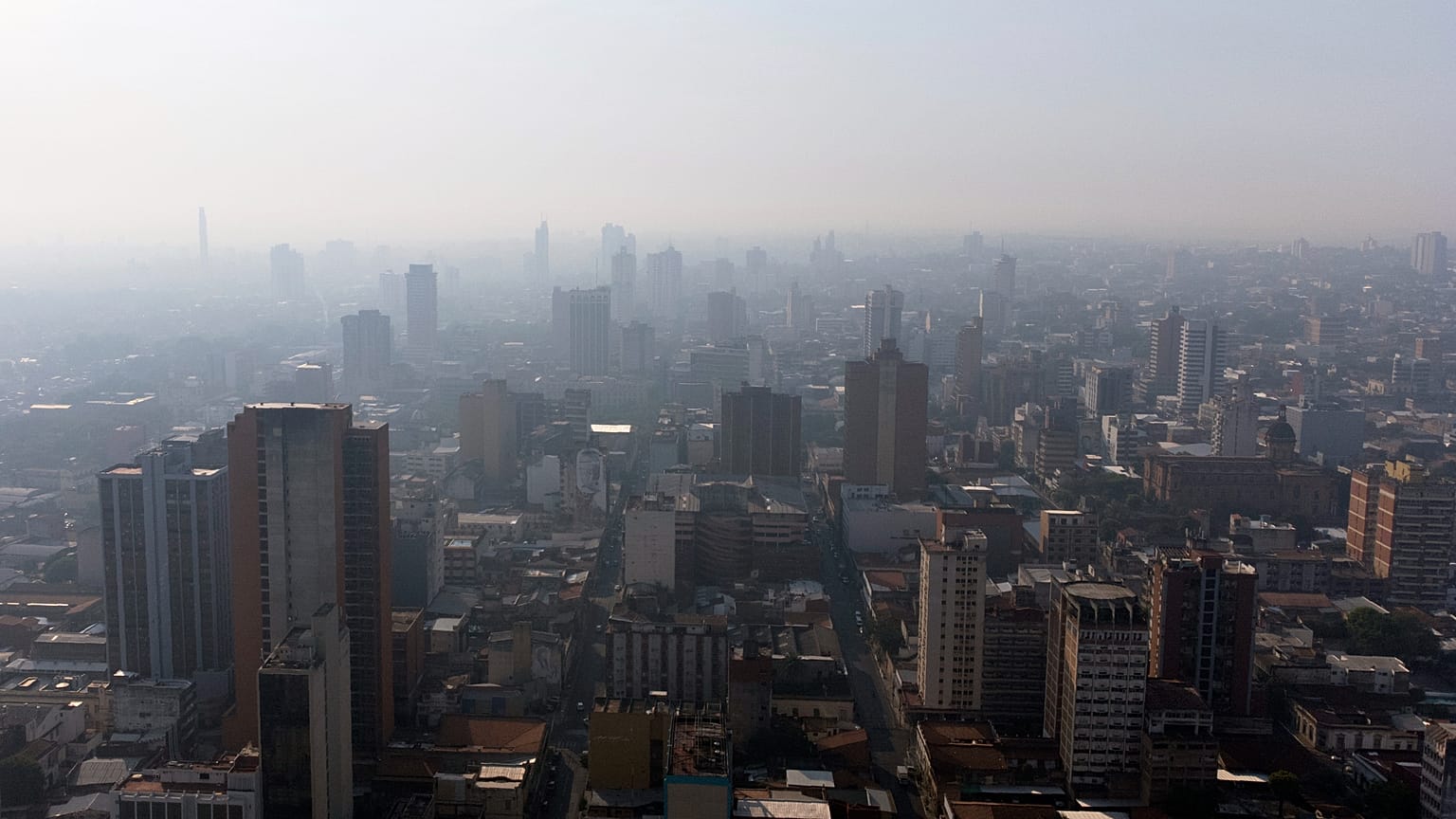
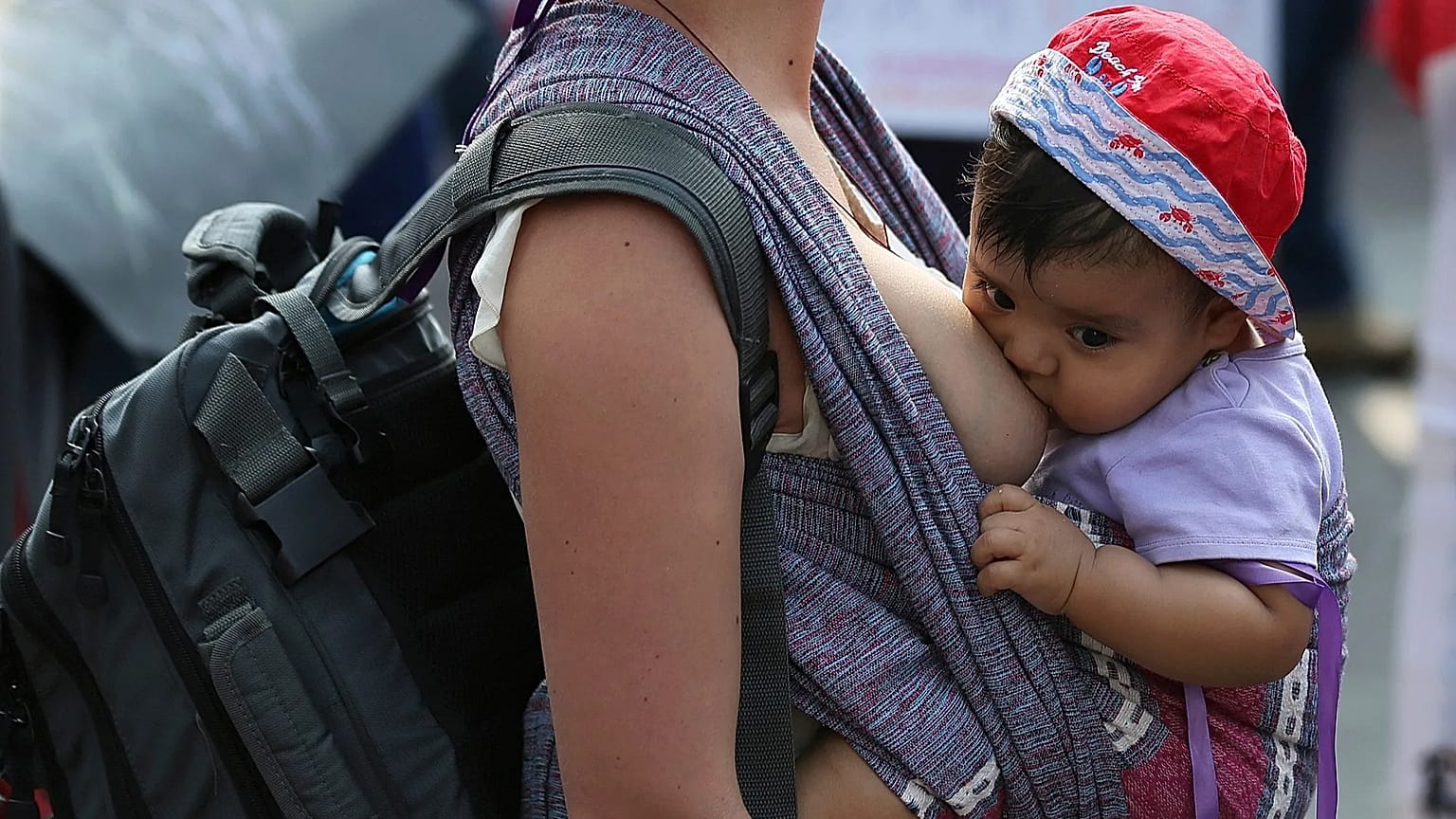
Wildfire smoke is emerging as a growing threat to pregnant women, with new research suggesting that climate-driven fires are exposing more expectant mothers to harmful air pollution even as conventional sources of pollution decline.
Health news
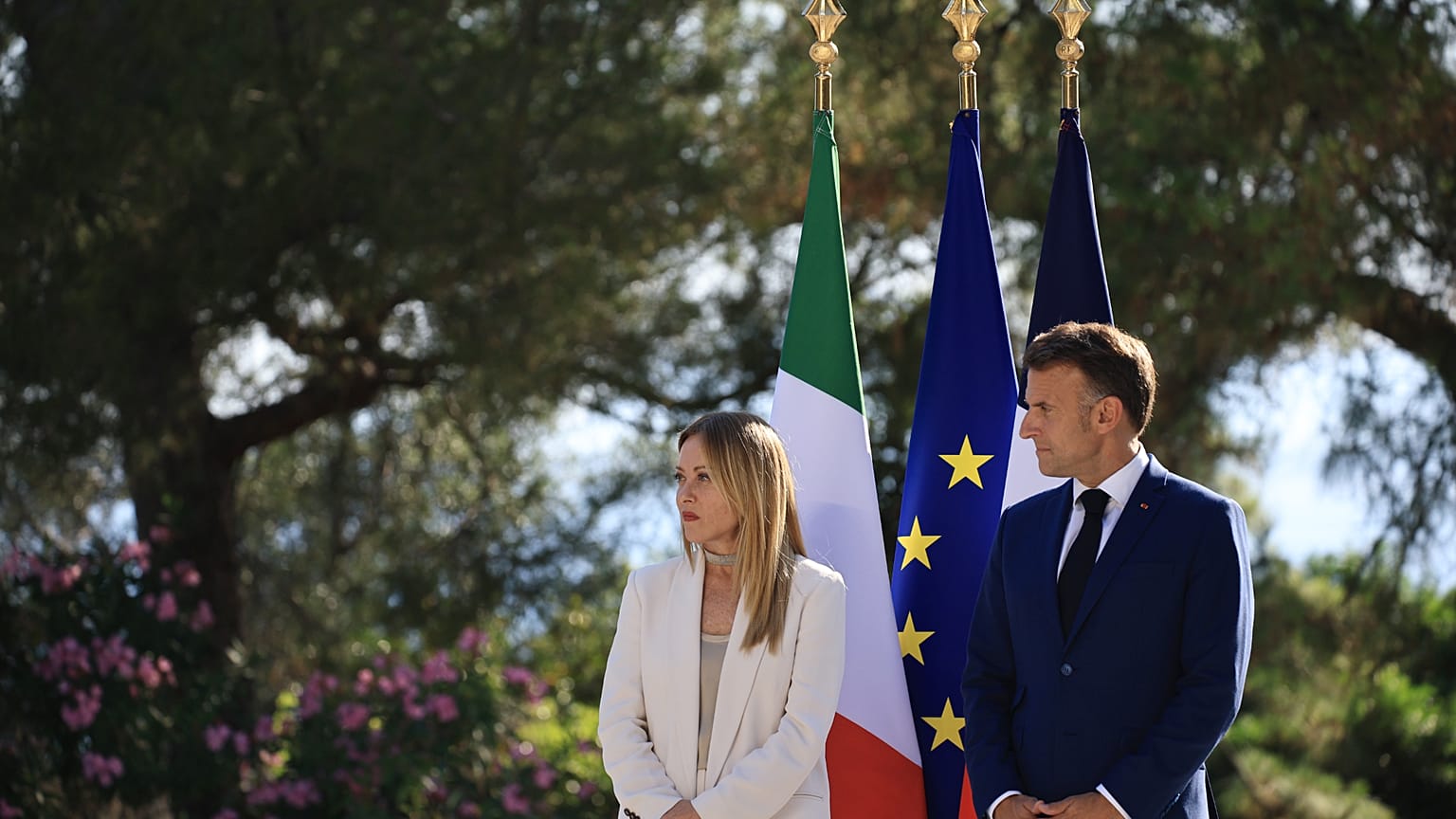
Italy and France announce international meeting on addiction prevention and recovery
Italy and France, co-founders of the European Coalition Against Drugs (ECAD), on Thursday announced an international meeting on prevention and addiction recovery. The summit will be held on 23 October 2026 in Italy.





Health news
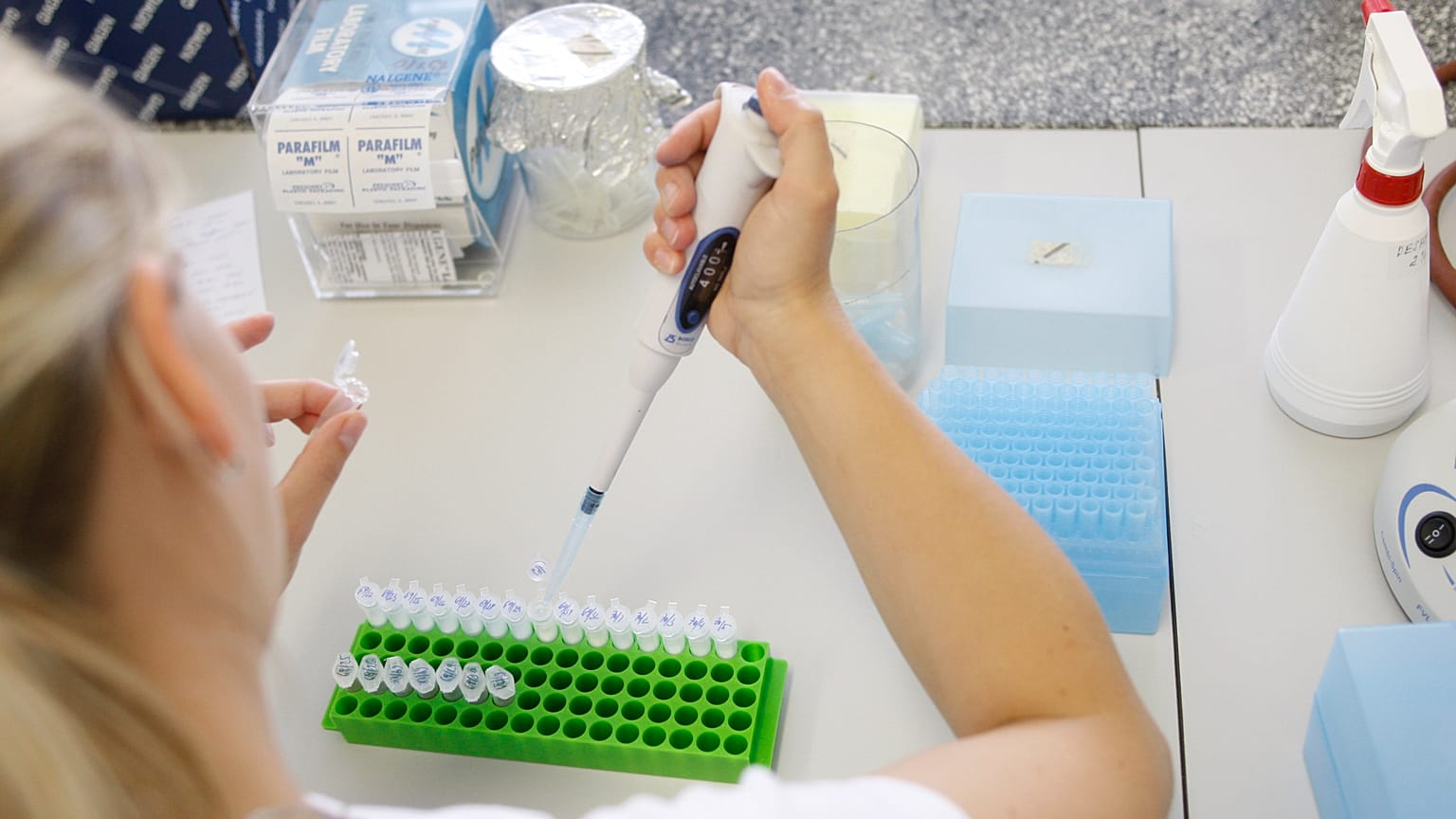
How aeroplane wastewater could help spot the next pandemic
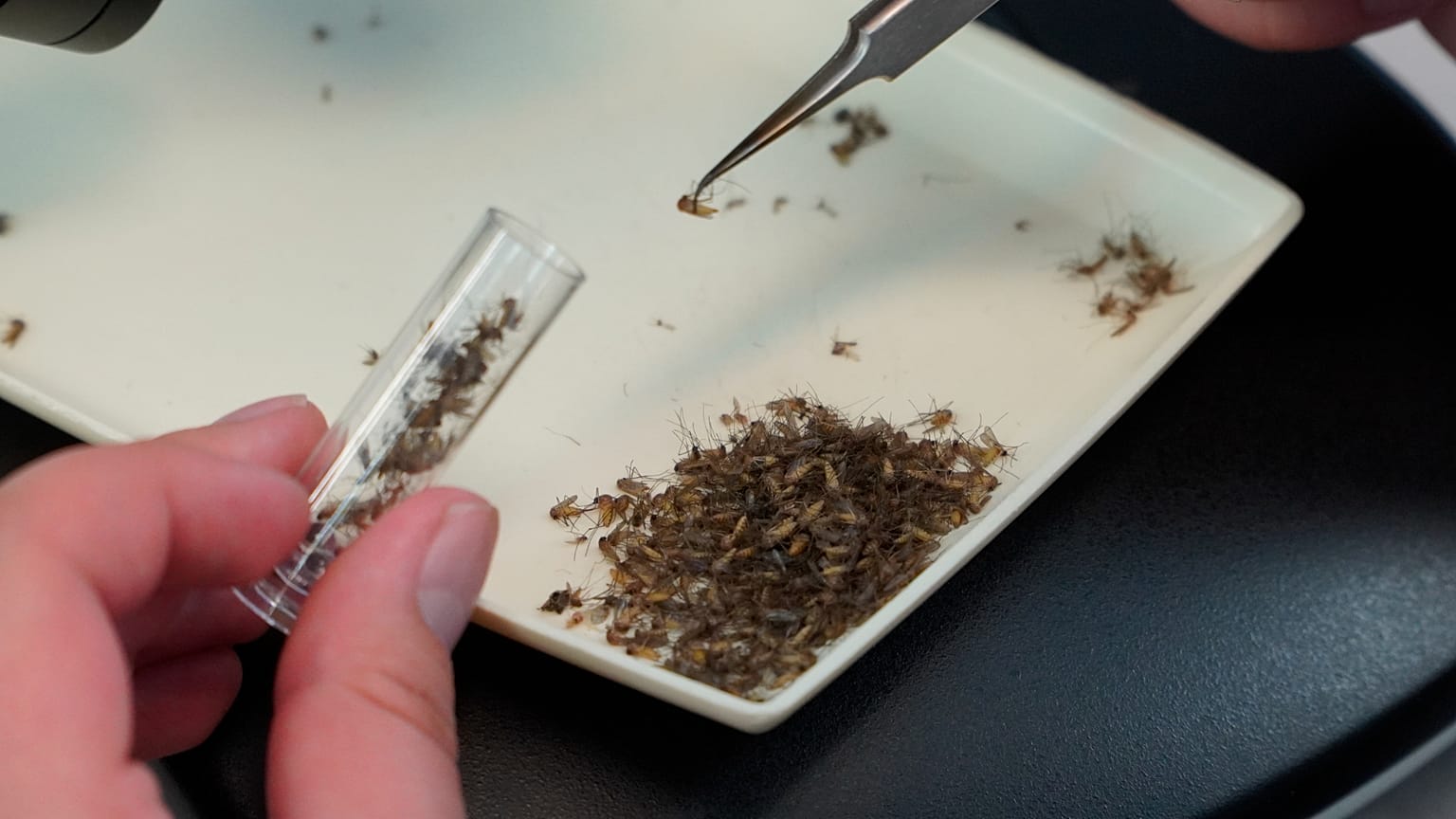
Testing aeroplane wastewater can detect circulating pathogens weeks earlier than traditional global pathogen surveillance allows, offering a potential early-warning tool for global outbreak preparedness, a US–UK pilot study found.





Health news
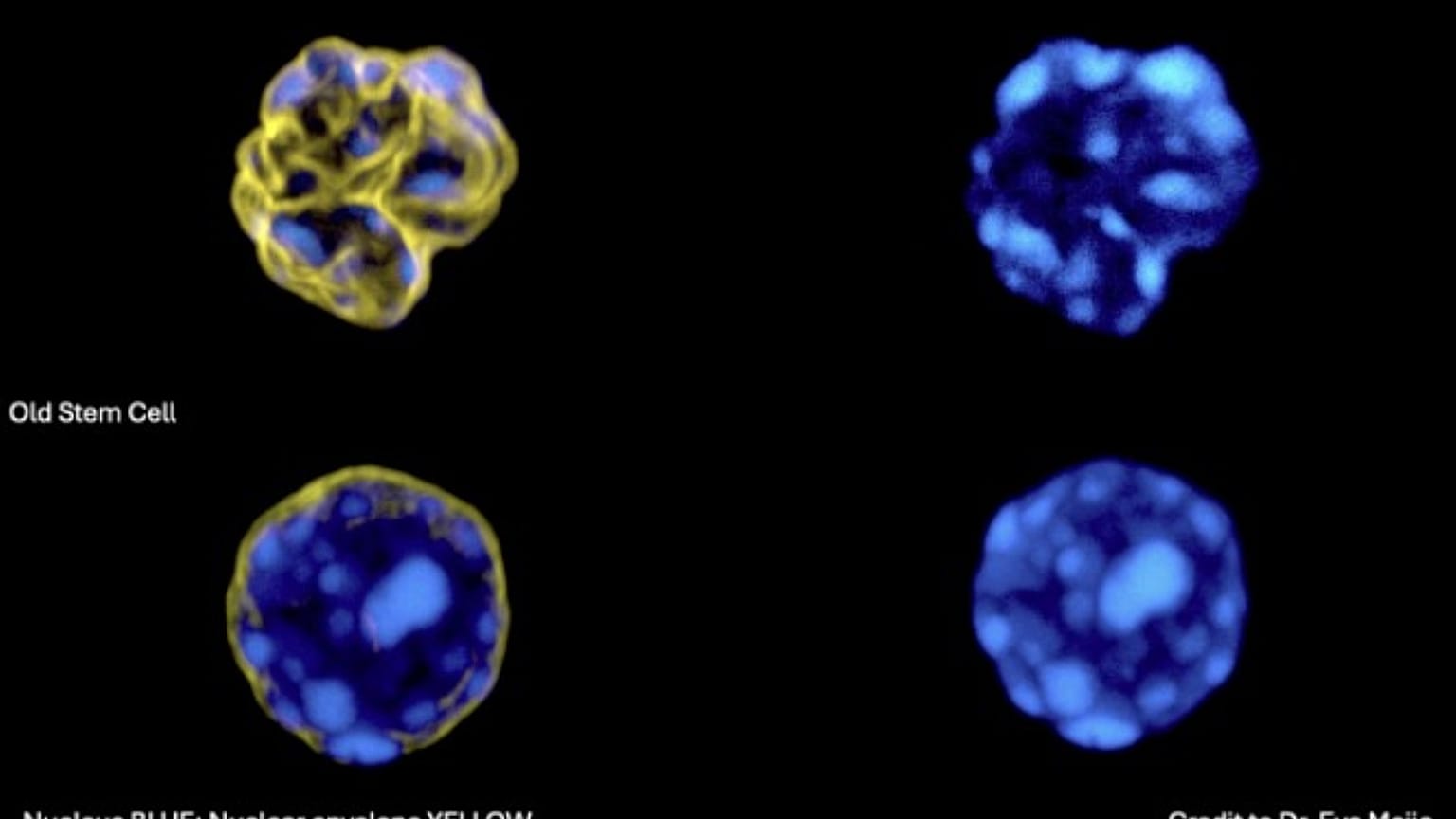
Mysterious DNA: two unknown ancestors found in human genome
The human family tree is gaining new branches. Researchers have found in modern humans' DNA signs of two previously unknown ancestors – extinct human forms with no fossils or decoded DNA, yet they have left traces in our genome.

Health news
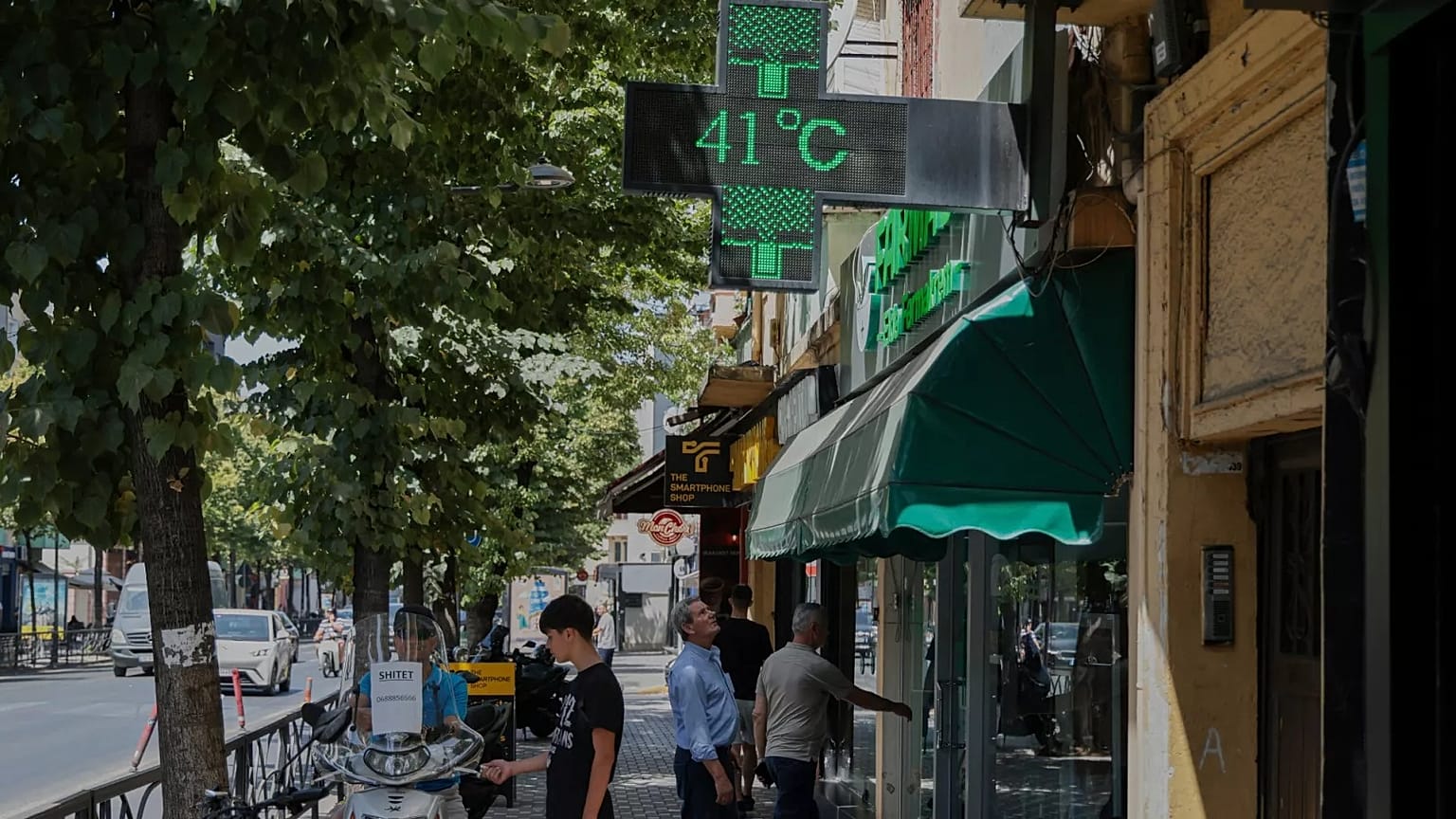
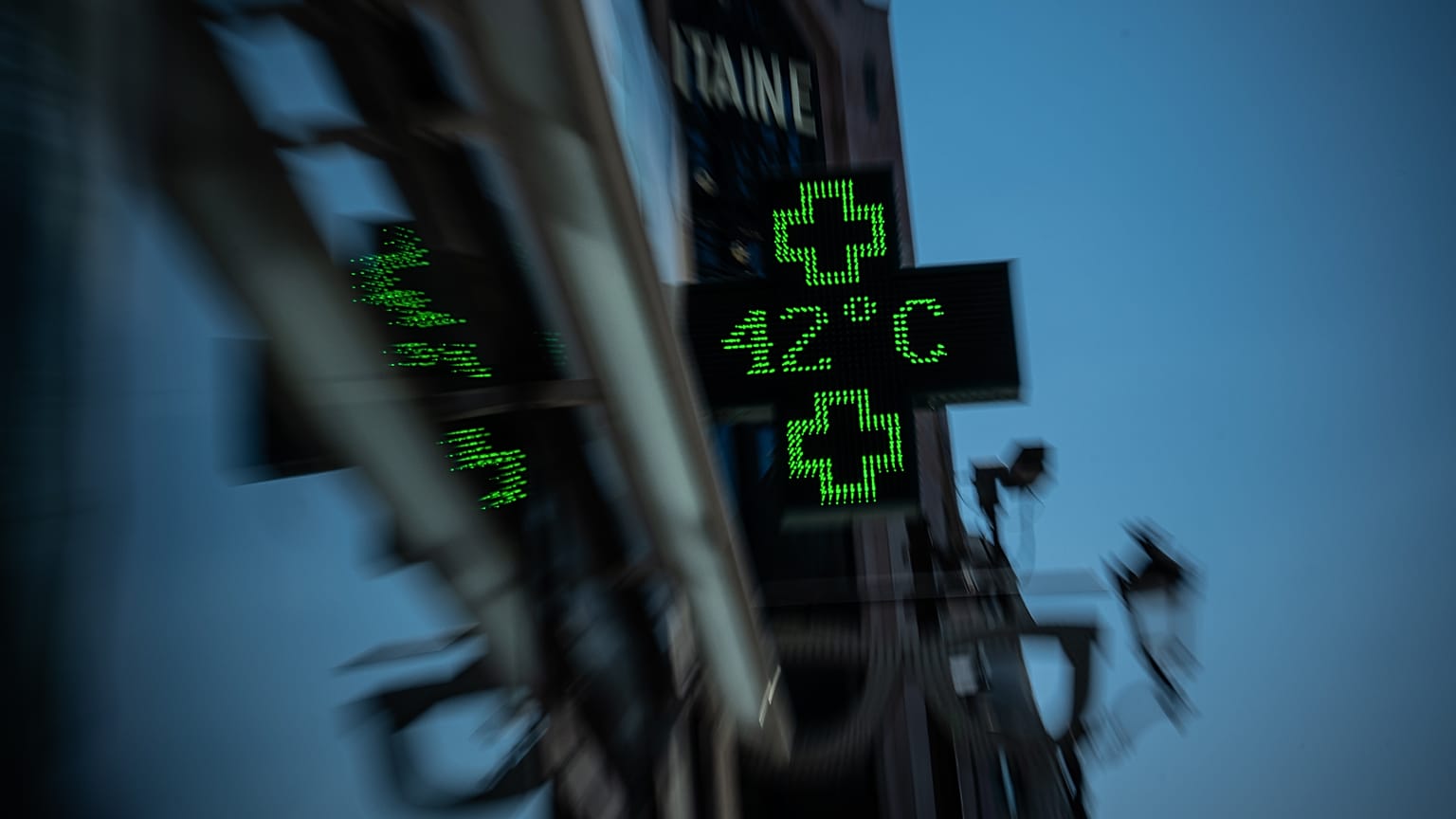
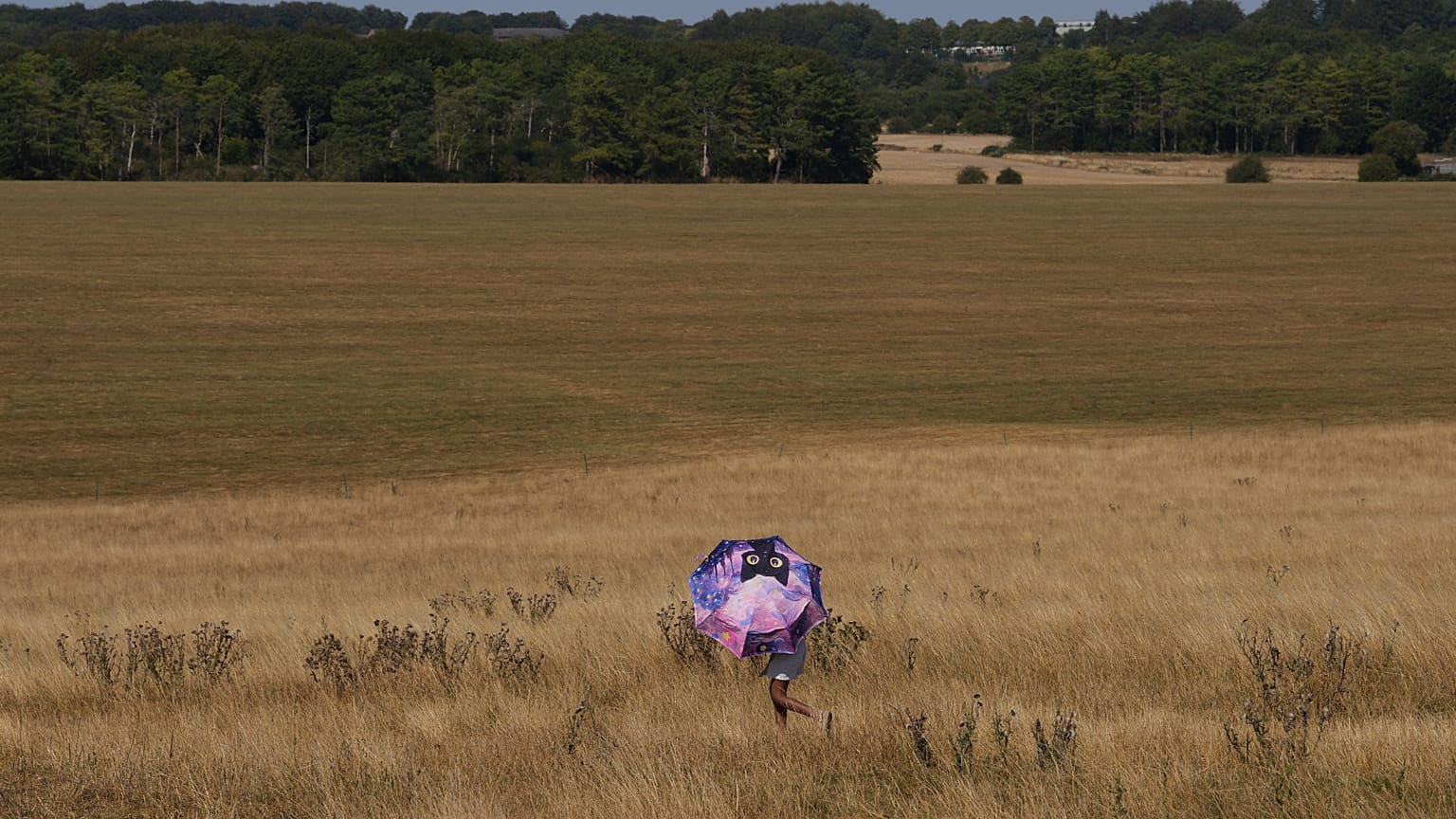
EU advisers urge Europe to prepare for heatwaves as deaths top 16,000
As Europe counts over 16,000 excess deaths due to this summer’s soaring temperatures, the European Union’s health security committee is calling for a fundamental shift in how governments prepare for heatwaves — moving away from reacting to emergencies towards systematic, long-term planning.