













West Nile virus is spreading in Europe, with cases rising and the virus moving further north, the ECDC has warned.
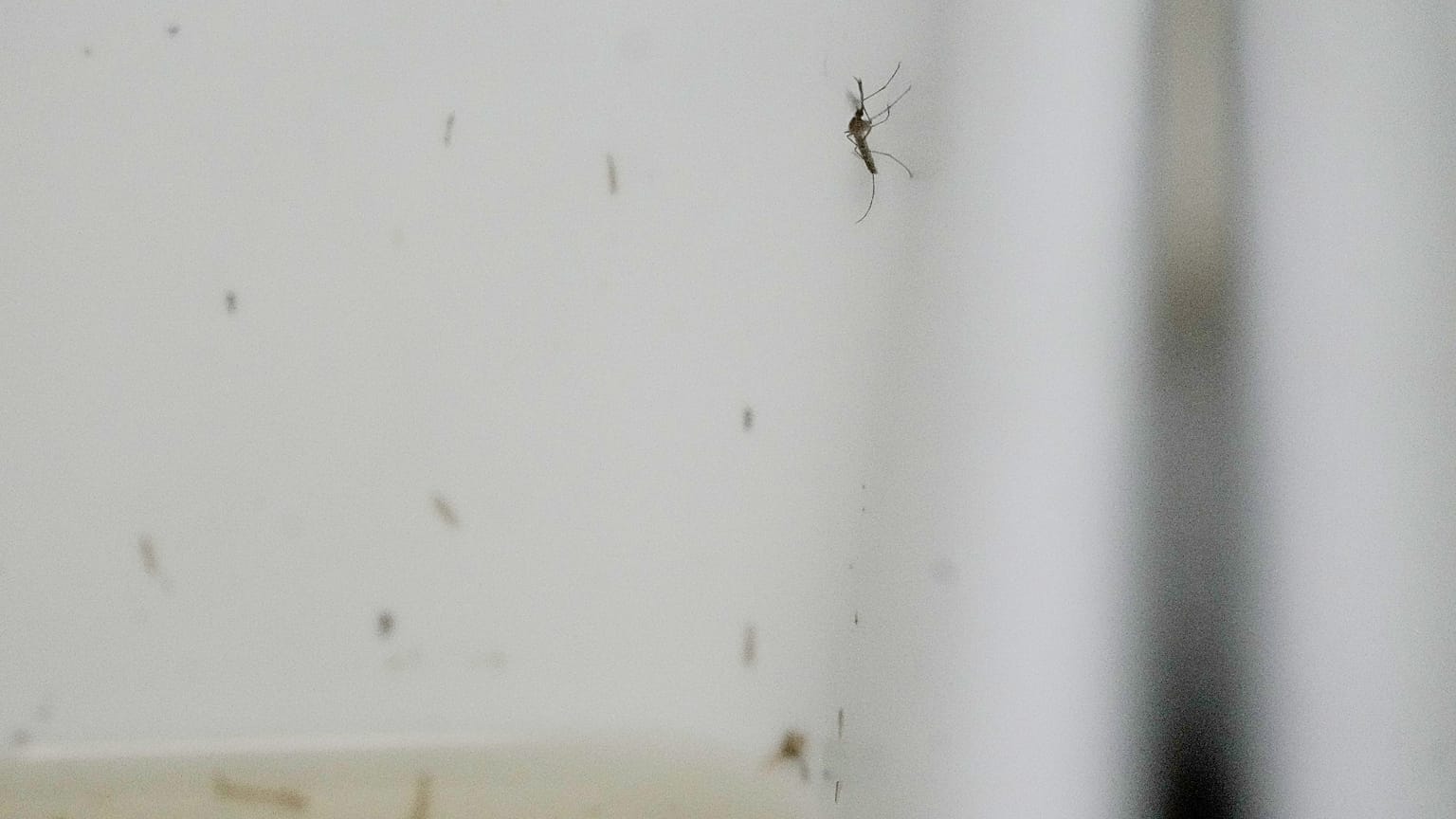
Europe has experienced the most intense West Nile virus season to date as the virus spreads to new parts of the continent, transmitted through the bite of infected mosquitoes, the European Centre for Disease Prevention and Control (ECDC) said on Thursday.
 ADVERTISEMENT
ADVERTISEMENT
ADVERTISEMENT
European Union countries have reported 1,715 locally acquired human cases of West Nile virus infection — the highest ever reported — and 130 deaths, according to figures as of 7 October. Some of the cases came from previously unaffected regions.
“Recent detections in people and animals in Belgium and the Netherlands show that the virus is now circulating further north, a trend that is expected to continue in the coming years,” the ECDC warned.
The Netherlands has reported 59 human cases so far this year. Belgium has reported 15 cases, the first locally acquired human infections ever recorded in the country.
Italy remains the most affected country, with 748 cases reported, while Greece and France recorded 445 and 144 cases respectively, their highest numbers of human cases of the virus infection ever.
“West Nile virus is a clear example of why a cross-sector approach is essential,” Céline Gossner, senior expert at ECDC, said in a statement.
“The virus circulates between mosquitoes and birds and can cause disease in people and horses, so no single sector can address the risk alone,” she added.
While cases are rising across the continent, severity is not. The number of people who died, needed hospitalisation or developed neurological symptoms is the same as in the previous decade, the ECDC noted.
Need to be prepared for future seasons
As the virus spreads across Europe and more people are at risk, the ECDC calls for better preparedness.
“The occurrence of West Nile virus varies considerably from year to year and is difficult to predict, but what we can do is ensure we’re prepared,” said Ole Heuer, Head of Unit at ECDC.
“Earlier detection, greater awareness and effective mosquito control can help us reduce the impact of the virus as it spreads to new areas.”
There is no licensed vaccine for humans, and treatment is limited to managing symptoms and providing supportive care in hospital for severe cases.
Mosquito repellent, loose-fitting long clothing and window screens, mosquito nets, or air conditioning can reduce the risk for people living in the affected areas.
Protection is particularly important for older adults and those with weak immune systems, who are at greater risk of developing severe symptoms.