
















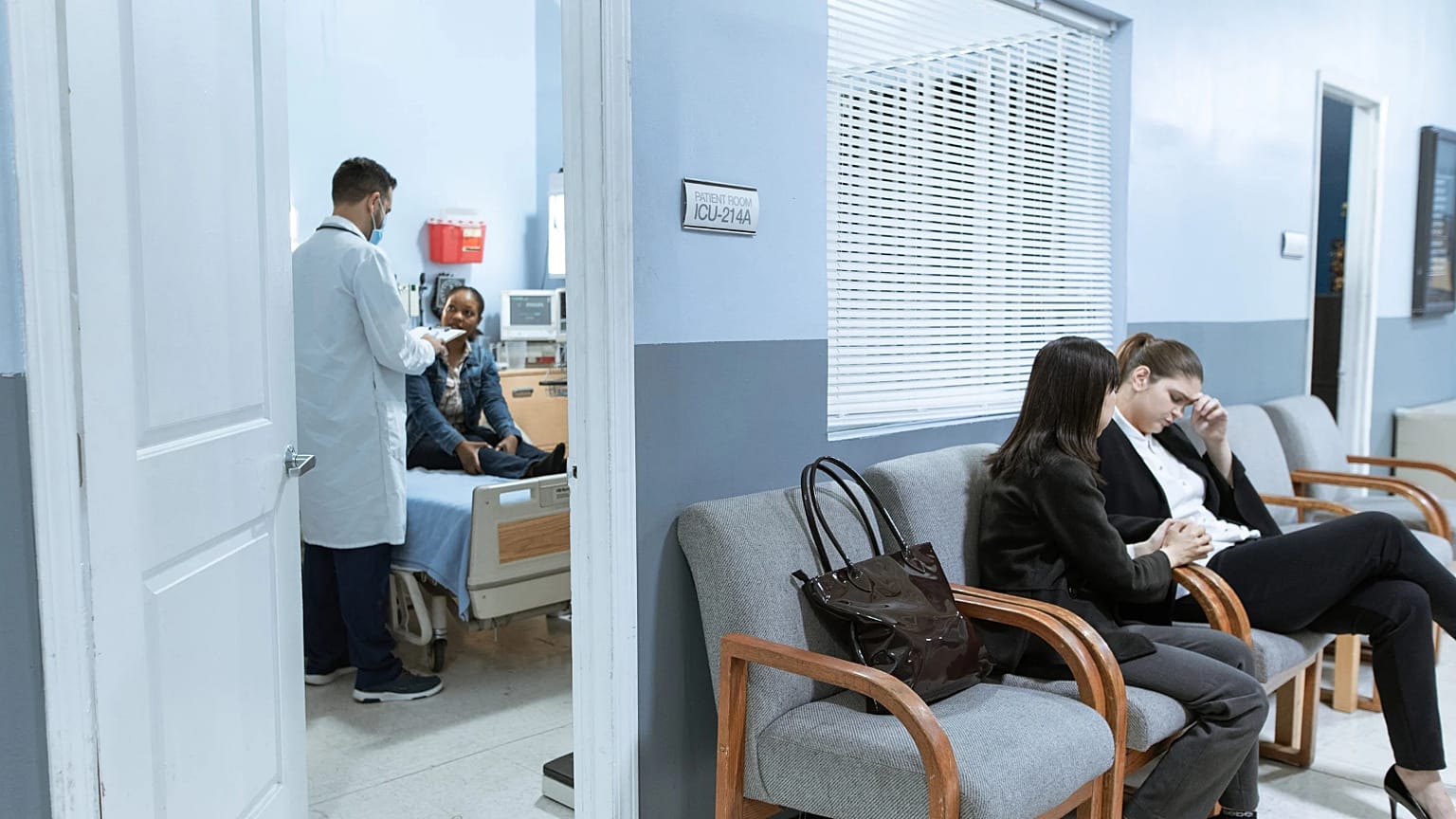













Women are significantly more likely than men to face prolonged delays and have physical autoimmune symptoms dismissed as psychological conditions, such as anxiety or depression, a study has found.
Women are disproportionately affected by autoimmune diseases — conditions in which the immune system mistakenly attacks the body's healthy cells and tissues. Yet a new study has found they are significantly more likely than men to face prolonged diagnostic journeys, with nearly a third of surveyed women waiting four years or longer for a diagnosis.
 ADVERTISEMENT
ADVERTISEMENT
ADVERTISEMENT
While nearly half of men are diagnosed within a year of symptom onset, most women face longer delays, with 60.4% waiting more than a year for a correct diagnosis.
Such “stark” differences suggest that “historical gender biases remain a challenging aspect of the diagnostic journey,” said Shaista Tayabali, co-author of the study, with possible reasons including historical biases, limited research on women’s health, and sex-biased data feeding machine learning models.
Women account for 70% to 80% of autoimmune disease cases worldwide, with the most common conditions being type 1 diabetes, autoimmune thyroid disease, systemic lupus and multiple sclerosis.
While women suffer from autoimmune diseases more than men, their diagnosis takes longer.
“Although labels such as hysteria are outdated, and fortunately rarely used nowadays, as women we still often have a harder time having our symptoms believed and therefore addressed accurately,” said Tayabali.
The study analysed more than 6,000 patients with a wide range of autoimmune diseases. Participants were asked how long it took to receive a diagnosis from symptom onset, how many healthcare consultations they had, and which diagnoses they received before their autoimmune one.
Symptoms dismissed as psychological
Doctors often take symptoms such as fatigue, pain, sleep disturbance or low mood as psychosomatic or psychiatric without considering autoimmune diseases at first, which can lead to longer waiting times, untreated conditions and loss of trust in the healthcare system.
“Clinicians must be open-minded,” said David D’Cruz, consultant rheumatologist at Guy’s Hospital in London, calling on them to “consider whether there is an underlying autoimmune disease that has not yet been recognised – and to listen to patients”.
One of the reasons for long waiting times is that women were more likely than men to have their symptoms misdiagnosed as psychosomatic, meaning that physicians believe symptoms are caused or worsened by psychological factors. This was reported by 34% of women compared with 22% of men.
The researchers also found that females were almost 50% more likely to report having received a psychiatric misdiagnosis and nearly 75% more likely to report a psychosomatic misdiagnosis than males.
“This is not about saying that a psychiatric diagnosis is never correct,” added D’Cruz. “People can have both autoimmune and psychiatric conditions, and it is increasingly understood that psychiatric symptoms can be part of an autoimmune disease, especially in diseases like lupus which can directly affect the brain.”