




























'Exercise, know your body, monitor your glucose and learn to adjust your insulin and your diet correctly,' a Greek professor tells those who have type 1 diabetes.
Around 66 million people live with diabetes on the European continent – that is one in ten adults, with one in three still undiagnosed. Around 2,7 million people in the region have type 1 diabetes – the highest prevalence among all the regions.
 ADVERTISEMENT
ADVERTISEMENT
ADVERTISEMENT
Type 1 diabetes can develop as early as childhood or adolescence and requires daily management of glucose levels, but that does not mean a child has to limit play, exercise or even elite sport.
As Thanasis Tziamourtas, professor at the University of Thessaly in Greece, explains, type 1 diabetes is a chronic autoimmune disease in which the immune system destroys the pancreatic beta cells that produce insulin, the hormone that regulates blood glucose.
"Unlike type 2 diabetes, type 1 diabetes is not caused by obesity, poor diet or lack of exercise. Insulin therapy is essential for life, whether via multiple daily injections or through an insulin pump," he said.
But that should not become a barrier to participating in sports for children, Tziamourtas added.
The professor cites German tennis player Alexander Zverev as a striking example. He was diagnosed with type 1 diabetes at the age of four. Tennis is a sport with particular demands, as a match can last several hours and involve repeated bursts of high-intensity effort.
There are also other elite athletes with type 1 diabetes, including American swimmer Gary Hall Jr., winner of 10 Olympic medals, five of them gold, and Dutch volleyball Olympic champion Bas van de Goor.
Can a child with type 1 diabetes take part in sport?
The answer is clear: yes. Physical activity is not only permitted, but it is also a key element of a healthy lifestyle for children and adolescents with type 1 diabetes.
The professor points out that international guidelines recommend around 60 minutes of moderate to vigorous physical activity every day, just as for the general child and adolescent population.
"Exercise is not simply a permitted activity but an important part of a healthy lifestyle for children and adolescents with type 1 diabetes. International guidelines recommend around 60 minutes of moderate to vigorous physical activity every day, as for their peers without diabetes. Regular exercise improves cardiorespiratory fitness, muscle strength, insulin sensitivity, body composition and cardiovascular risk factors. At the same time, it offers significant psychological and social benefits and helps a child feel able to take part in the same activities as their peers."
"Exercise, however, creates a particular challenge: glucose does not respond in the same way to all types of activity," he added.
Why exercise can change glucose levels
The relationship between exercise and glucose is more complex in people with type 1 diabetes. As muscles need more energy during physical activity, they increase their uptake of glucose from the blood.
In someone without diabetes, the pancreas can reduce insulin secretion according to the body's needs. In type 1 diabetes, by contrast, insulin is administered from outside the body and cannot be reduced automatically in the same way.
The result may be hypoglycaemia, particularly in prolonged aerobic exercise such as running, cycling and swimming.
The picture can be different in very high-intensity activities. Sprints, high-intensity drills or a hard-fought match can temporarily raise glucose, as hormones such as adrenaline are released.
"So there is no single 'glucose response to exercise'. It depends," he explains, "on the intensity and duration of the effort, the type of exercise, physical fitness, the previous meal, the amount of active insulin and glucose levels before starting the activity."
The role of monitoring before and after training
For parents and children, the key aim is not to avoid exercise but to prepare properly.
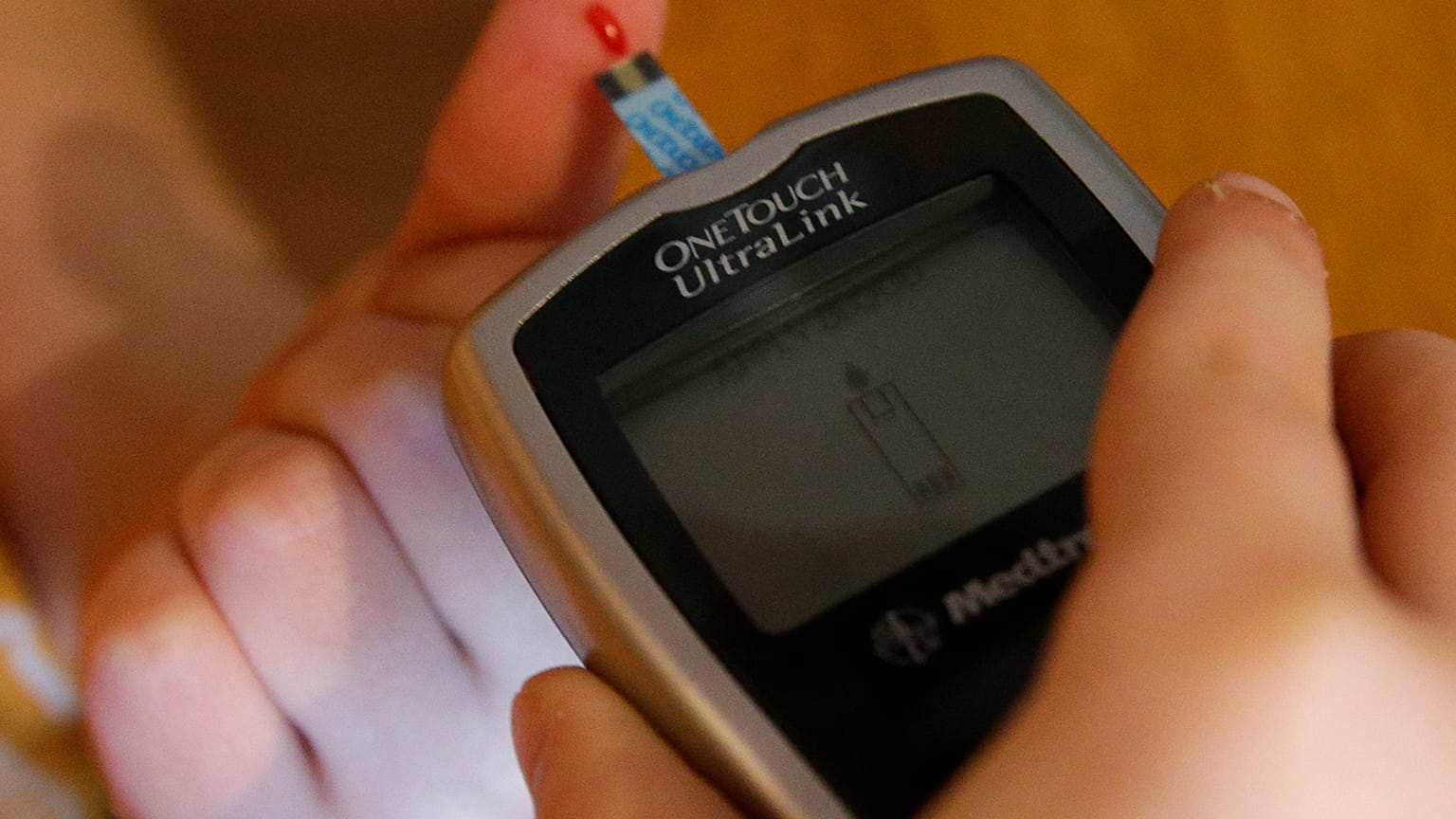
Glucose needs to be checked before activity, during it, particularly when exercise is prolonged, and again afterwards. Continuous glucose monitoring (CGM) systems now offer valuable support, providing not only a reading but also information on how glucose is trending.
At the same time, a child who is active should have fast-acting carbohydrates available, such as glucose tablets or an appropriate sugary drink, to deal immediately with possible hypoglycaemia.
Care does not end once training is over. Glucose can fall several hours later, which is particularly important when exercise takes place in the late afternoon or evening, as there is a risk of nocturnal hypoglycaemia.
Similarly, when glucose is very high and ketone levels are raised, vigorous exercise should be avoided.
Insulin adjustment must be individualised
There is no single plan that works for all children with type 1 diabetes. Insulin and carbohydrate needs vary depending on the type, duration and intensity of the activity, the time of day and other factors.
"Adjustments to insulin and carbohydrate intake are not the same for everyone. They must, he stresses, be tailored in collaboration with the care team, taking into account the type of exercise, the time of day, its duration and intensity, and the person's previous experience."
From diagnosis to top-level sport
The message that needs to reach children and their families, according to Thanasis Tziamourtas, is that the disease should not be a reason to exclude them from physical activity.
"A diagnosis of type 1 diabetes undoubtedly changes the daily life of a child and their family. It should not, however, become a reason to be excluded from play, physical activity or sport. Today, continuous glucose monitors, insulin pumps and automated insulin delivery systems offer opportunities that did not exist a few decades ago. Together with the right education, they enable children and adults with type 1 diabetes to be active more safely.
The message to the child and their family should therefore not be 'Be careful, because you have diabetes, don't exercise'. It should be exactly the opposite: 'Exercise, know your body, monitor your glucose and learn to adjust your insulin and your diet correctly.' Type 1 diabetes requires management, but it should not set the limits on a child's dreams."