




























Optogenetics, the technique that lets scientists control brain cells with light, has won the 2026 Nobel Prize in Medicine.
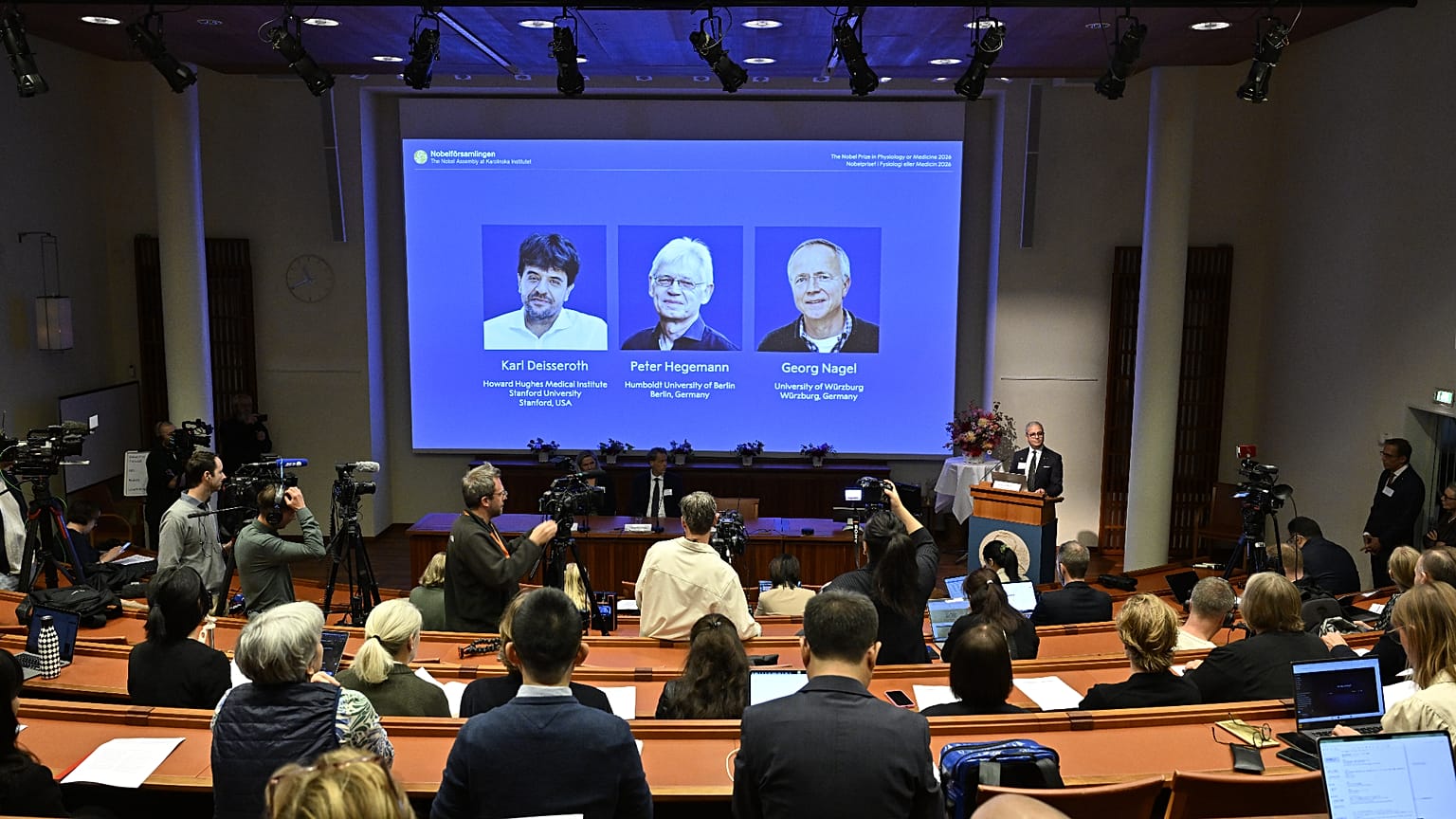
Karl Deisseroth, Peter Hegemann and Georg Nagel won the 2026 Nobel Prize in Medicine for their work in light-gated ion channels and optogenetics, a method that lays the foundation "of a new era in neuroscience", the Nobel Assembly at Karolinska Institutet announced on Monday.
 ADVERTISEMENT
ADVERTISEMENT
ADVERTISEMENT
But what exactly is optogenetics, and how did the laureates develop the technique?
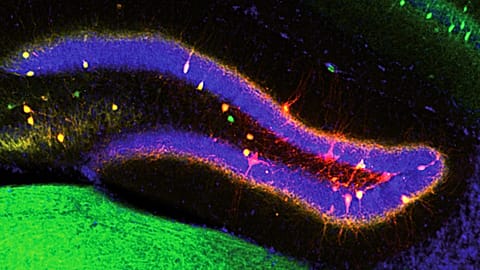
Optogenetics is a method for controlling selected cells using light as a remote control. It allows scientists to switch cells on or off in a living brain and investigate how particular cells and neural circuits influence behaviour.
This new method was given the name optogenetics in 2006, but the story behind the technique began more than a decade earlier, when Peter Hegemann was studying the unicellular alga Chlamydomonas, an organism famous for swimming towards light.
Hegemann wanted to understand what makes algae move towards light. He studied its eyespot, a tiny orange dot on the cell’s surface that detects light. Through a series of experiments, Hegemann and his colleagues identified light-sensitive proteins called channelrhodopsins, which allow algae to detect light and respond to it.
Together with Georg Nagel at the Max Planck Institute for Biophysics in Frankfurt, he inserted the algal genes into frog egg cells and human kidney cells and proved that channelrhodopsin was indeed a light-controlled ion channel.
When exposed to blue light, the channel opened in just 0.2 milliseconds, allowing positively charged ions to flood into the cell and generate a tiny electrical impulse.
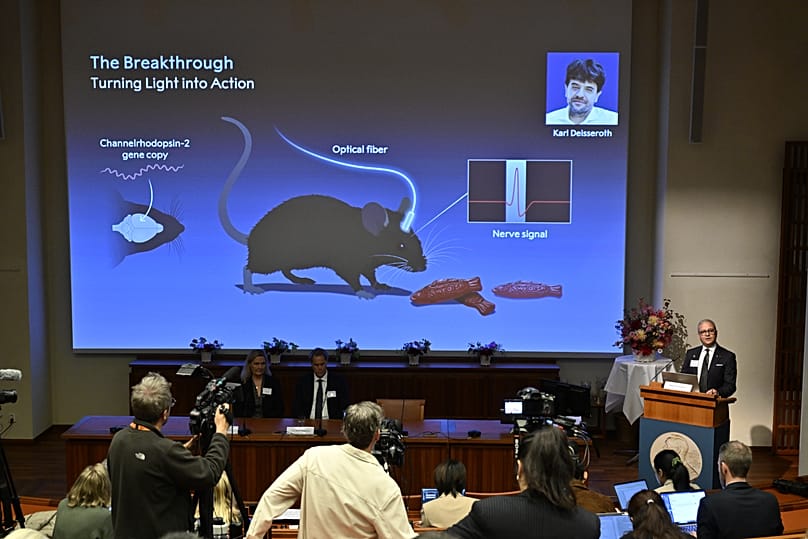
Years later, Karl Deisseroth, the third laureate, introduced the channelrhodopsin gene into rat nerve cells. By shining blue light on the cells, they could trigger nerve signals, showing that the protein could act as a light-controlled switch. He then used the technique to control nerve cells in the brains of living mice.
For example, scientists could trigger movements in a mouse's whiskers or wake sleeping mice simply by switching on a light.
What does the future hold?
The discovery “provides opportunities for mapping the brain in a way that we could once only dream of,” said Per Svenningsson, chair of the Nobel Committee for Physiology or Medicine, in a press release.
Optogenetics is currently used primarily as a research tool. By allowing researchers to turn targeted cell types on or off using pulses of light, it enables scientists to establish direct cause-and-effect relationships between neural activity, brain function, and behaviour.
It allows researchers to map the neurons involved in emotional states such as fear, anxiety or reward. They can also map specific neural circuits governing pain, thirst, attention or aggression.
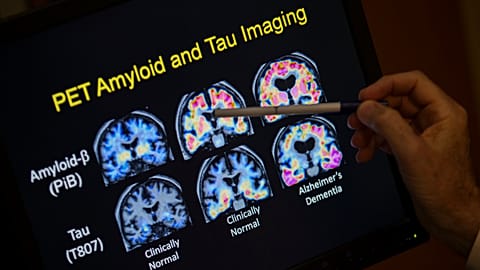
Optogenetics is also widely used in research into neurological or psychiatric conditions such as depression, schizophrenia, anxiety, Alzheimer’s disease, Parkinson’s disease and epilepsy.
The science has also entered clinical trials to treat retinitis pigmentosa, a genetic disease that causes blindness due to the loss of light-detecting cells in the retina.
By delivering light-sensitive opsin genes into surviving retinal cells, researchers have enabled a blind patient wearing light-emitting goggles to regain partial vision and perceive high-contrast objects.