












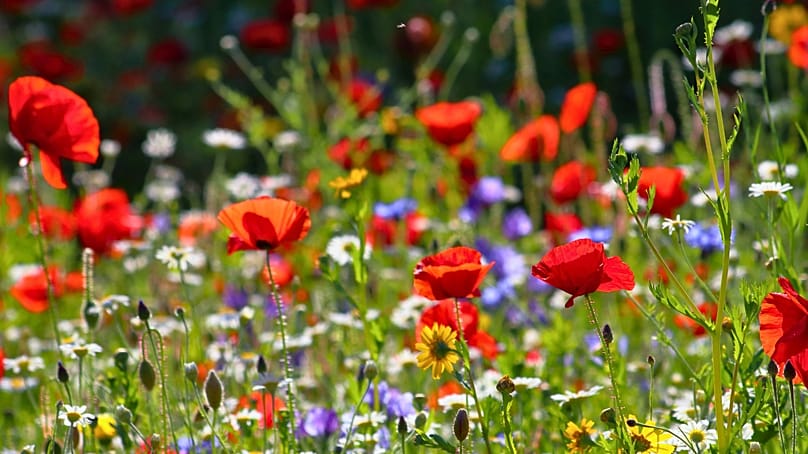
Wildflower meadows are a maintenance-free and beautiful way to support pollinators.
Panting cats and dogs are worrying pet-owners as another heatwave grips western Europe. Avoiding the hottest parts of the day used to be enough, but UK vets now warn that pets can overheat even resting indoors.
 ADVERTISEMENT
ADVERTISEMENT
ADVERTISEMENT
It’s not just animals in the home who are suffering. As scorching temperatures spread across France, Germany, Italy and the UK, Europe's wildlife is left to fend for itself.
The good news: there are simple ways to lend a hand to the foxes, hedgehogs and birds in your own backyard. Here’s how to protect your local wildlife from the heat.
Create shaded spaces for relief from the sun
Paving stones, artificial grass and treeless yards are tearing away essential habitats for wildlife in Europe.
Satellite mapping by the Royal Horticultural Society for its 2025 State of Gardening report found that 42 per cent of all UK domestic garden space is now paved over.
Opting for a grassy lawn and planting trees in your garden not only provides shade and sustenance for squirrels, bugs and birds, it also cools the air and can make temperatures in your home more comfortable too.
Choosing native trees such as oak, birch and willow, can support hundreds of insect species that form the foundation of the garden food chain. Even a single tree can dramatically increase biodiversity by creating multiple micro-habitats.
“The real magic happens when you create a garden that supports a wide range of species naturally,” says Sean McMenemy, wildlife expert and founder of garden product supplier Ark Wildlife.
Adding shrubs, climbers and herbaceous plants creates a range of environments that support wildlife at different heights and stages of life.
Log piles in shaded areas provide damp habitats for insects and amphibians, while stone or rock piles in sunny areas support warmth-loving species. Leaving leaf litter and undisturbed corners gives insects somewhere to breed.
Let your lawn grow wild
Once these habitats are in place, one of the best things you can do is to leave them to grow wild. Leaving sections of lawn uncut allows wildflowers such as clover and daisies to establish, providing nectar for pollinators and boosting insect numbers.
This is essential in Britain, which has lost around 97 per cent of its wildflower meadows since the 1930s.
“Even small changes, like letting part of your lawn grow or planting a few native species, can dramatically increase the amount of wildlife you see,” says Sean.
Longer grass also provides shelter for hedgehogs, frogs and invertebrates, while supporting caterpillars and beetles that birds rely on for food. Even leaving edges or corners unmown can provide these benefits without affecting the use of your garden.
Citizen-science surveys show unmown lawns produce up to 10 times more nectar than those cut weekly.
Promote natural food sources
“Feeding birds is a fantastic way to support wildlife, but it’s just one piece of the puzzle,” says Sean.
As well as hanging bird feeders and leaving pet food out for hedgehogs, you can turn your garden into a natural pantry for visiting creatures. This plays a critical role in supporting a wider range of wildlife and encourages more natural behaviours.
Plant a mix of nectar-rich flowering plants to provide a continuous source of sugar water for parched pollinators throughout summer. Opt for single, open flowers such as foxgloves, poppies, marjoram and lavender, which are much more accessible to bees, butterflies and hoverflies than double-flowered varieties.
Butterflies can even get a boost from small nettle patches, which many rely on for breeding and larval food plants
Leaving the seedheads on grasses and wildflowers when gardening allows birds, such as finches and sparrows, to feed directly on them even as the flowers transition to seed-setting stages.
Avoid using pesticides wherever possible, as this helps to preserve natural food sources and maintain ecosystem balance.
Add water to cool and quench
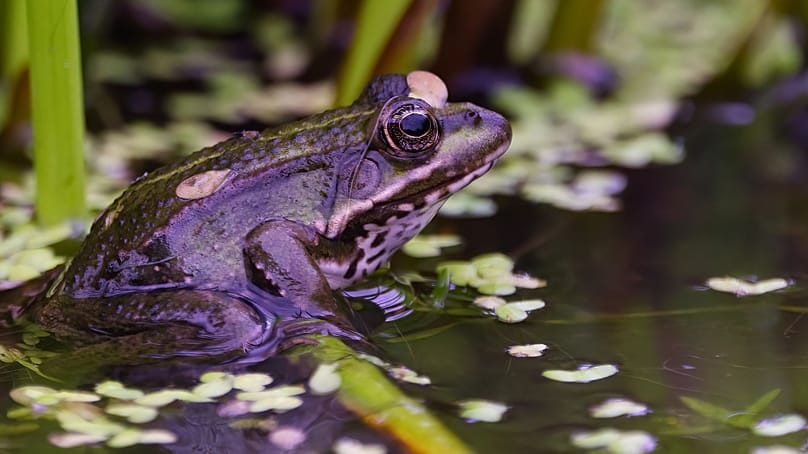
Even a tiny pond, water trough or bird bath can quickly become home to frogs, toads, newts and dragonflies – especially in dry, warm weather.
Water is best placed in partially shaded, sheltered areas. Include sloping edges or exit points to ensure wildlife can safely access it.
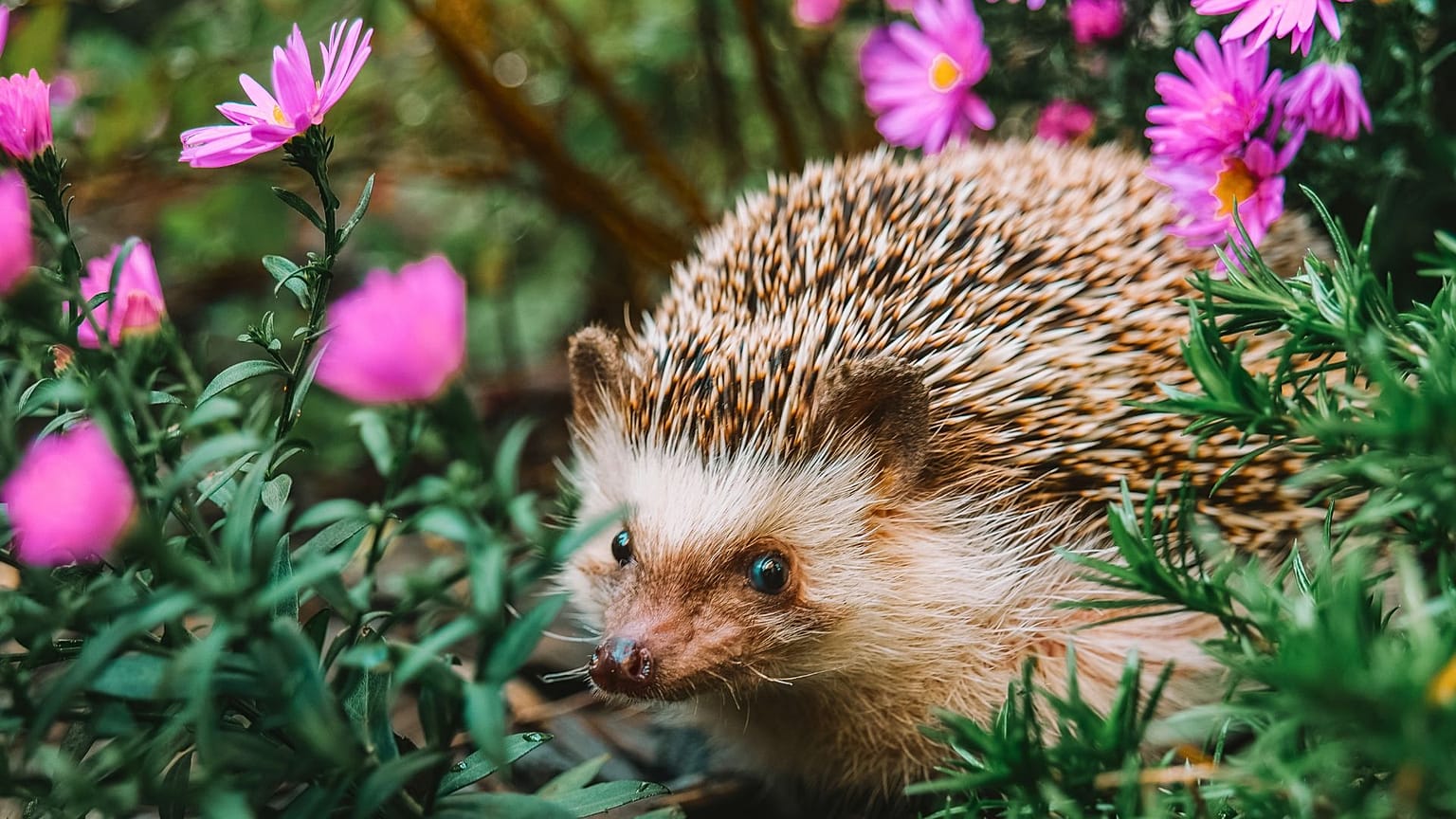
On the topic of access, remember to make small gaps in your fences so hedgehogs can visit your watering hole safely, too. European hedgehog populations have plummeted by 30 per cent over the last decade, leading to them being declared “near threatened” on the International Union for Conservation of Nature’s (IUCN) red list in 2024.
“By adding plants, water and shelter, you’re creating a space where wildlife can thrive on its own terms, not just visit for food,” says Sean.