




























A month-long Arctic expedition has revealed deep-sea ecosystems in an area being considered for mining.
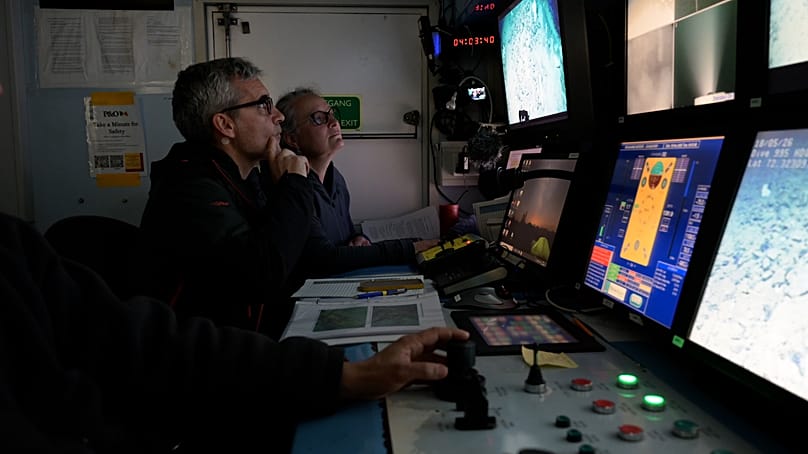
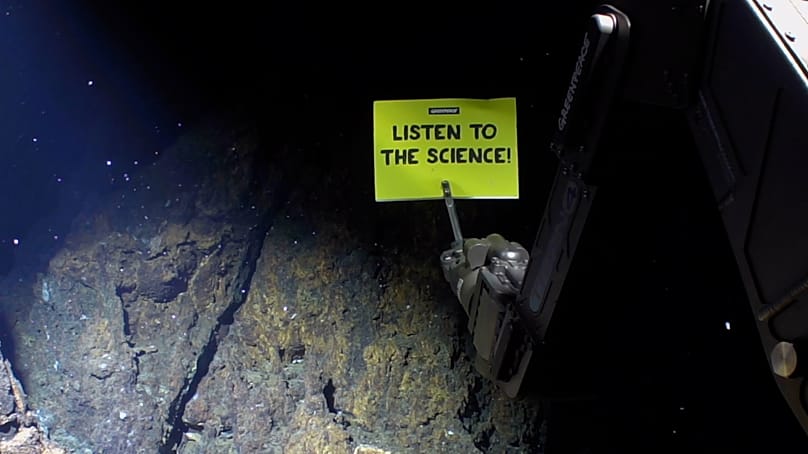
For a month, a team of international scientists explored the Arctic seabed off the coast of Norway. Remotely operated vehicles (ROVs) roamed the ocean's seamounts and hydrothermal vents, plunging as deep as 3,000 metres.
 ADVERTISEMENT
ADVERTISEMENT
ADVERTISEMENT
Their mission? To gather evidence on the rare and fragile marine life that could be threatened by plans to mine the seabed for critical minerals.
The expedition, run by Greenpeace, was livestreamed, drawing more than 450,000 viewers on social media platforms.
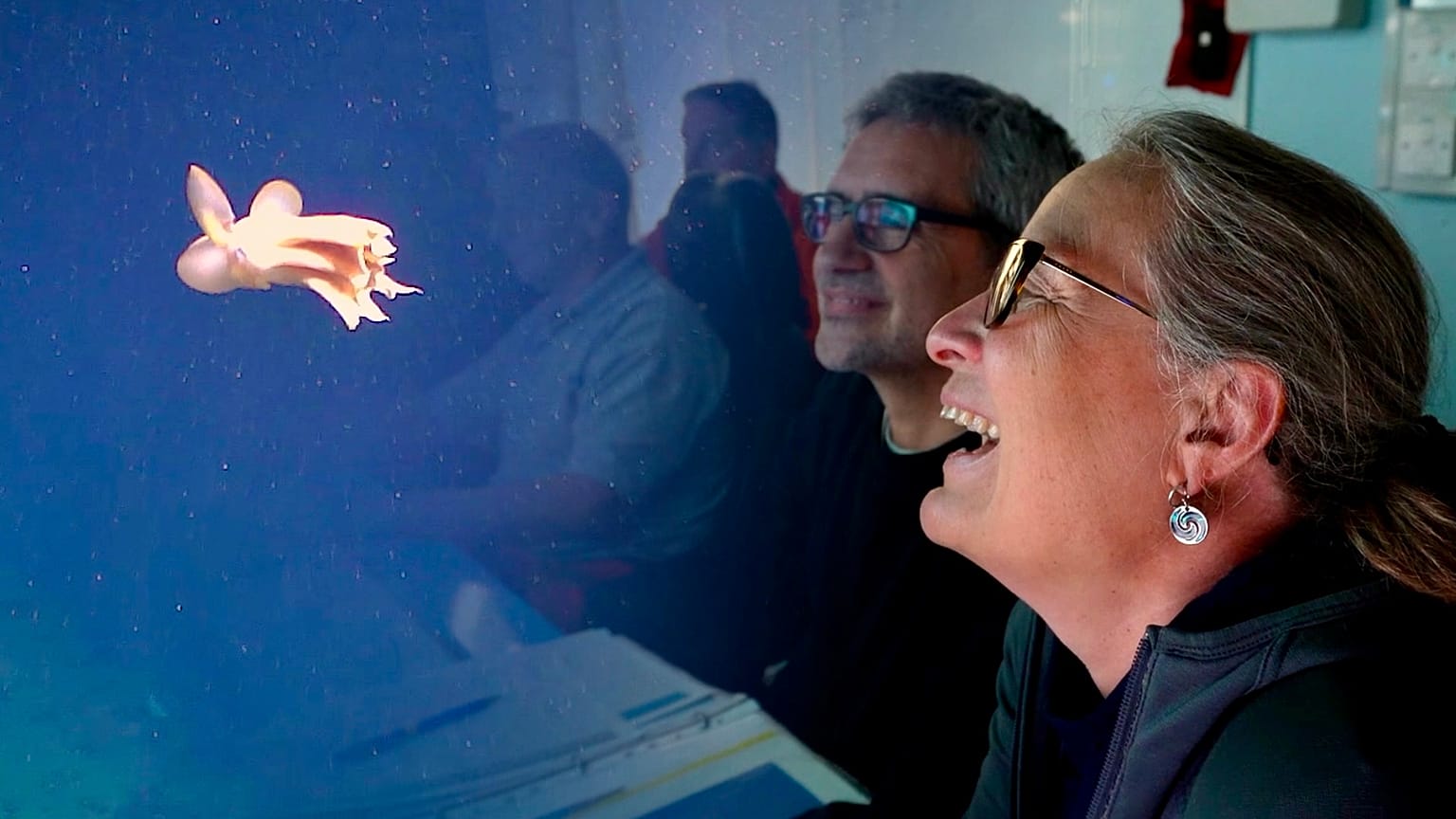
Among the species filmed was a rare Dumbo octopus – coincidentally, the mascot of the expedition. Researchers also gathered more than 400 sponge samples and identified several species that may be new to science.
Anne Helene Tandberg, a researcher at the University in Bergen who took part in the expedition, says deep-sea ecosystems are particularly slow to recover from disturbances. "Very many of the species are long-lived and don't produce very many offspring, so if something happens, they have very little [capacity for] restitution," she says.
Tandberg adds that climate change is compounding the problem. Many deep-sea invertebrates rely on cold, stable water and external skeletons built from calcium, both of which are affected as oceans warm and acidify. "The deep sea, even though it's far away from us, is already now suffering a lot of problems," she says.
Seabed mining plans face fierce debate
The area surveyed during the expedition was opened up for deep-sea mining by the Norwegian government in 2024. Exploration has since been paused until at least 2029, following objections from environmental groups, scientists, fishing communities and opposition parties in Norway.
Supporters of deep-sea mining, including some governments and mining companies, argue that the seabed holds reserves of critical minerals – such as cobalt, nickel and rare earth elements – needed for batteries, electric vehicles and other green technologies, and that these reserves could ease pressure on land-based supply chains. Norway has cited this rationale in pursuing its own domestic seabed resources.
Critics, including marine scientists and conservation groups, counter that the environmental risks are poorly understood and potentially irreversible, and that sufficient mineral reserves still exist on land. There are calls for a moratorium until the impacts are better known. Negotiations over international mining rules, led by the UN's International Seabed Authority, are still ongoing.
For the scientists behind the Arctic expedition, the priority is to gather evidence before any decision is made. Their samples and footage will be analysed in the coming months, with findings expected to feed into proposals for marine protected areas in Norwegian waters.