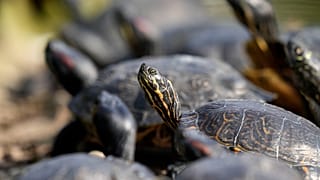
















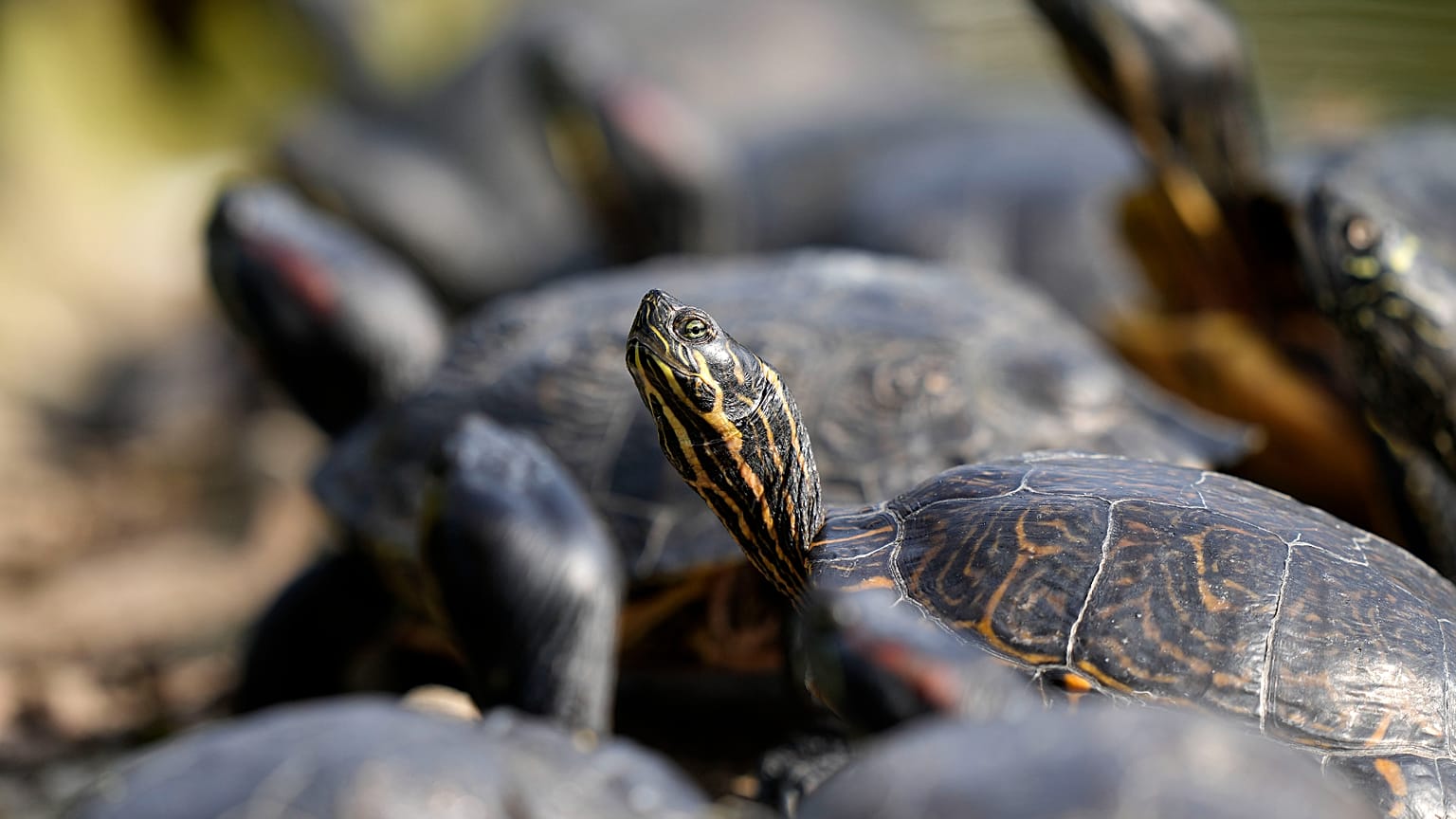


The release took place in Jaú National Park, near Novo Airão, as part of a long-running programme to support the reproduction of the species, which is under threat.
 ADVERTISEMENT
ADVERTISEMENT
ADVERTISEMENT
The initiative is led by the Wildlife Conservation Society (WCS) in partnership with residents and Brazil’s biodiversity agency ICMBio.
Organisers say the project not only helps protect the species but also strengthens cooperation with local and Indigenous communities.
Experts say such programmes are key to preserving biodiversity in the Amazon region.