




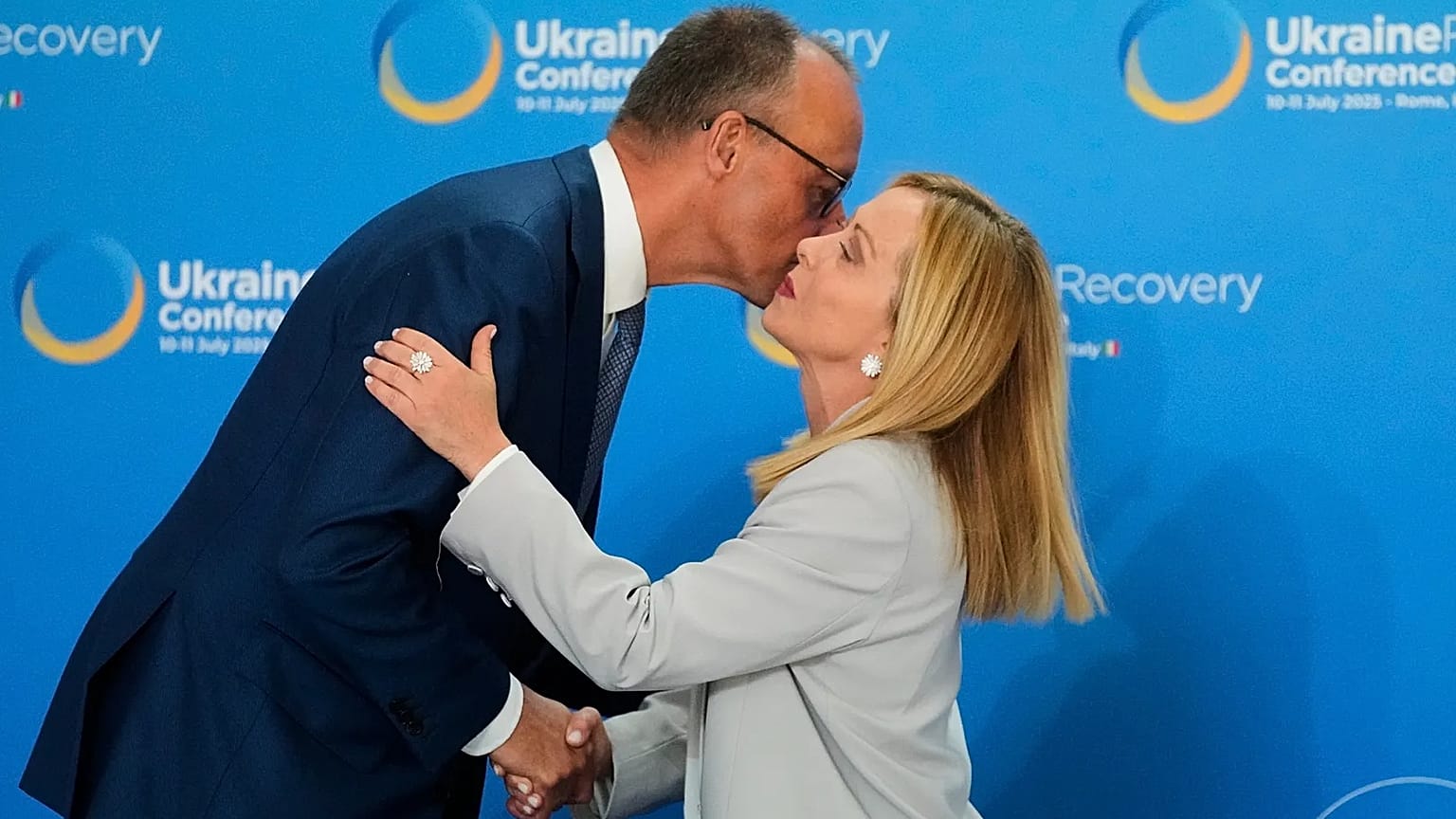













A closer alliance between Meloni and Merz is on the horizon, with the ambition to change Europe after decades of dominance by the Franco-German axis.
In Davos, Germany's Chancellor Friedrich Merz gave a preview of the intergovernmental summit that awaits him in Rome on Friday with Italy's Prime Minister Giorgia Meloni.
 ADVERTISEMENT
ADVERTISEMENT
ADVERTISEMENT
In his speech at the World Economic Forum, Merz said he had worked out "new ideas" together with Meloni to transform the European Union "which will be proposed soon," including "an emergency brake for the bureaucracy" of the bloc.
The change promised by Merz to stop "holding back the potential" of Europe is part of the "new era led by the great powers," and not by international rules, evoked at the World Economic Forum (WEF) and seems to pass through an Italian-German axis.
Italy's prime minister "is becoming an increasingly important ally," the German daily Handelsblatt wrote on Friday.
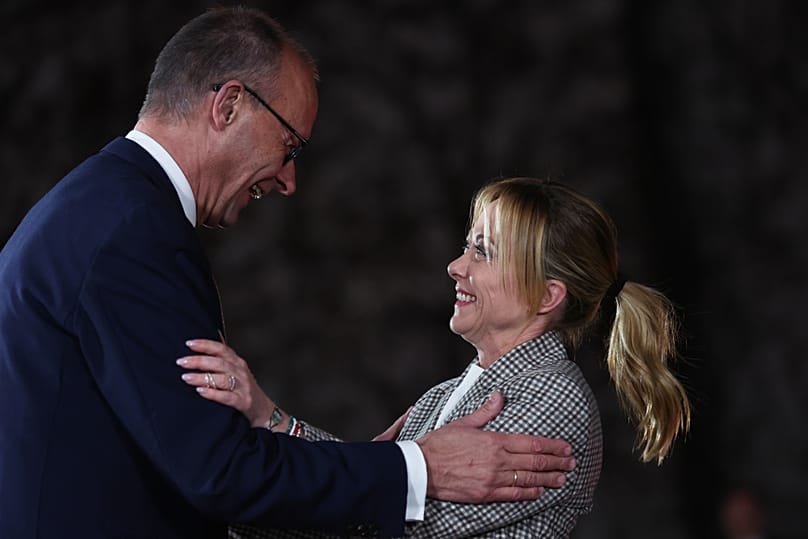
The agenda of the Rome summit
In Italy, the chancellor will discuss "bilateral relations, European and economic policy issues, as well as security and defence policy issues" with Meloni, the German government said in a statement.
The Rome summit will take place in two phases, the Italian prime minister's office said: First, institutional meetings at Villa Doria Pamphilj at 11:30am will be followed by a working breakfast and a press conference, then at 4 pm, Italian and German business leaders will meet for talks at the Hotel Parco dei Principi.
The disarray on the international scene, caused in part by US President Donald Trump's threats to annex Greenland from Denmark, has led the governments of Rome and Berlin to align on various issues that were already addressed on Thursday evening at the European Council in Brussels.
Common issues
The first is competitiveness, on which Merz complains that Europe is lagging behind. "We will discuss competitiveness and how to open Europe to new investments," the chancellor explained in Davos, emphasising the need to create a true European capital market.
The chancellor revealed that he met Italy's former Prime Minister Mario Draghi at the WEF on Tuesday for "a long conversation about how to proceed on the proposals of his Plan for Competitiveness in Europe, of which I believe only 10 per cent have been realised."
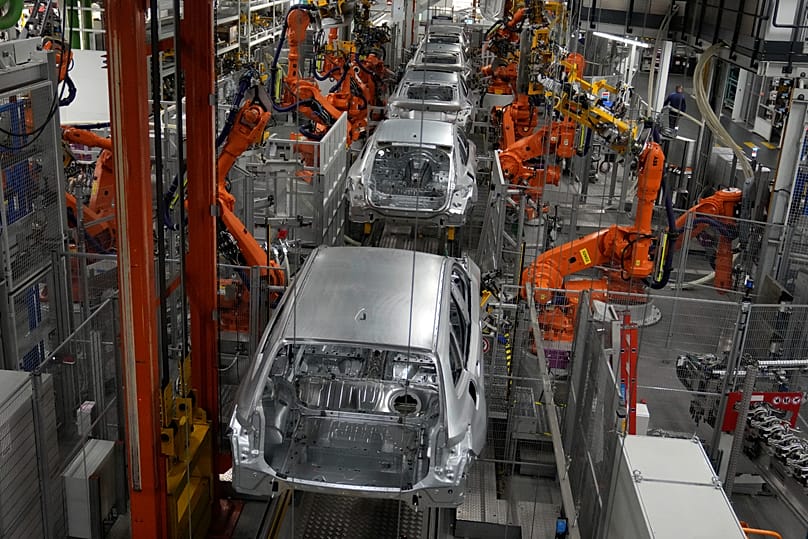
Handelsblatt emphasised Germany's alignment with Italy on migration policies and guarantees for the auto industry, with a call for technology neutrality to achieve the EU's Green Deal goals and not necessarily the elimination of combustion engines.
The German business daily also speaks of a joint document that should be presented to the EU on 12 February, a text on how to improve European competitiveness to be adopted in Rome and brought to the Leaders' Retreat next month, with the aim of regulatory reform "by the end of the year" for the benefit of innovation, Italy's financial newspaper Il Sole 24 Ore said.
But the two leaders' common agenda goes beyond the economy. On duties and Greenland, Meloni and Merz share a caution that separates them from the muscularity expressed so far by France. The two want to avoid a trade war with the United States, so much so that they have been stalling — as the EU finally decided — on retaliating to the duties on the countries that have sided with the Arctic island, which the US president withdrew in Davos.
"I welcome President Trump's announcement to suspend the imposition of duties scheduled for 1 February against some European states. As Italy has always maintained, it is fundamental to continue to foster dialogue between allied nations," Meloni told the Porta a Porta programme on Thursday.
The diplomatic route is the one on which the Italian prime minister has focused since Trump's return to the White House a year ago, with which she asserts her privileged access among EU leaders. A predilection for compromise that Rome has also shown on the free trade agreement with Mercosur, arousing Berlin's appreciation for the agreement to the point of asking that it "be applied on a provisional basis" pending the green light.
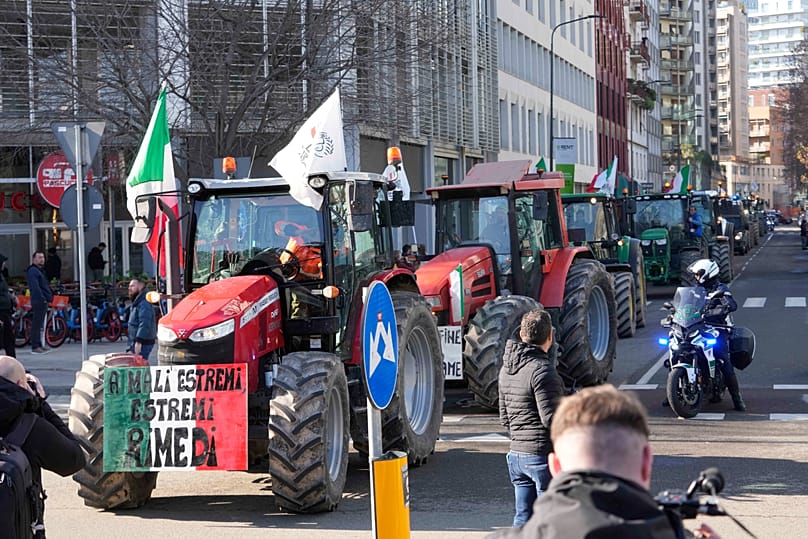
After having brought forward the claims of national farmers on a par with France, Italy has accepted the financial compensation offered by the EU Commission, giving the go-ahead for the signing of the agreement, which will also have to await the opinion of the Court of Justice for ratification by the European Parliament.
In short, there is a strategic relationship between Rome and Berlin that, according to the daily newspaper Il Foglio, the two governments plan to put down on paper during the Rome summit, signing a dozen agreements.
The new "Italo-German action plan" includes common objectives and initiatives from the economy to technology to closer cooperation in the defence and space fields, in the wake of the joint venture launched between Leonardo and Rheinmetall.