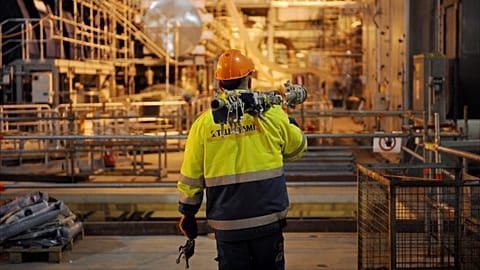













The latest statistical surveys show both the number of workers and the number of unemployed decreasing, while the number of those who have stopped seeking out employment is also rising sharply.
Italy’s labour market lost momentum in November 2025, with a rare combination of falling employment and falling unemployment pointing to a rise in inactivity, according to Istat.
 ADVERTISEMENT
ADVERTISEMENT
ADVERTISEMENT
Employment fell by 34,000 on the month, taking the employment rate down to 62.6%.
The decline was not evenly spread. It mainly hit women, the self-employed and workers on fixed-term contracts.
By age, the weakest results were among 15–24s and the 35–49 group, while 25–34s bucked the trend. Employment was broadly stable among men, those on permanent contracts and the over-50s.
Inactivity rises despite lower unemployment
At the same time, the number of people looking for work fell by 2% or around 30,000 fewer than the previous month, pulling the unemployment rate down to 5.7% and youth unemployment to 18.8%.
But the drop in unemployment did not signal a healthier market, because it coincided with a marked rise in inactivity.
Istat said the number of those aged 15-64 who were not in work and not actively seeking a job increased by 72,000 (up by 0.6%) in November, lifting the inactivity rate to 33.5%.
The rise was broad-based across both sexes and most age groups, with 25–34s again the main exception.
Longer-term picture stronger than the monthly dip
Looking beyond the month, the trend is less downbeat. Over the three months to November 2025, employment rose 0.3% compared with the previous three months or a net increase of 66,000, alongside a fall in unemployment.
On an annual basis, Italy had 179,000 more people in work than in November 2024, a rise of 0.7%.
The year-on-year figures also point to a shift in the make-up of jobs. Permanent employees increased by 258,000 and the self-employed by 126,000, more than offsetting a fall of 204,000 in fixed-term workers.
Overall, the employment rate rose by 0.3 percentage points over the year, while both unemployment and inactivity declined — suggesting that despite November’s setback, the underlying direction remains broadly positive.