




























The International Rescue Committee said the outbreak was spreading faster than response efforts in the Democratic Republic of the Congo.
The International Rescue Committee (IRC) has warned that the Ebola outbreak in the Democratic Republic of the Congo could become the "the deadliest outbreak on record" unless urgent international action is taken.
 ADVERTISEMENT
ADVERTISEMENT
ADVERTISEMENT
The World Health Organization said earlier this week that there were now more than 900 suspected cases of Ebola and 220 suspected deaths in the DRC. The outbreak has also spread to neighbouring Uganda, where there are seven confirmed cases, including one confirmed death.
The epidemic is being driven by the rare Bundibugyo virus, which has no proven vaccine, making efforts to contain the spread particularly difficult.
In a press release, the IRC, a New York-based humanitarian aid organisation founded in 1933, called for "urgent international funding and coordination" to tackle the outbreak, warning that regional conflict and aid cuts were impacting attempts to control it.
“The warning signs are flashing red,” Bob Kitchen, the IRC's vice president of Emergencies, said.
“Eastern DRC is confronting this outbreak more fragile and less prepared than during the 2018-2020 outbreak that killed more than 2,000 people- and with fewer resources to fight it," he continued. "Increased conflict and cuts to global aid funding have dismantled defenses at exactly the wrong moment. The lesson from every previous outbreak is clear: delays cost lives."
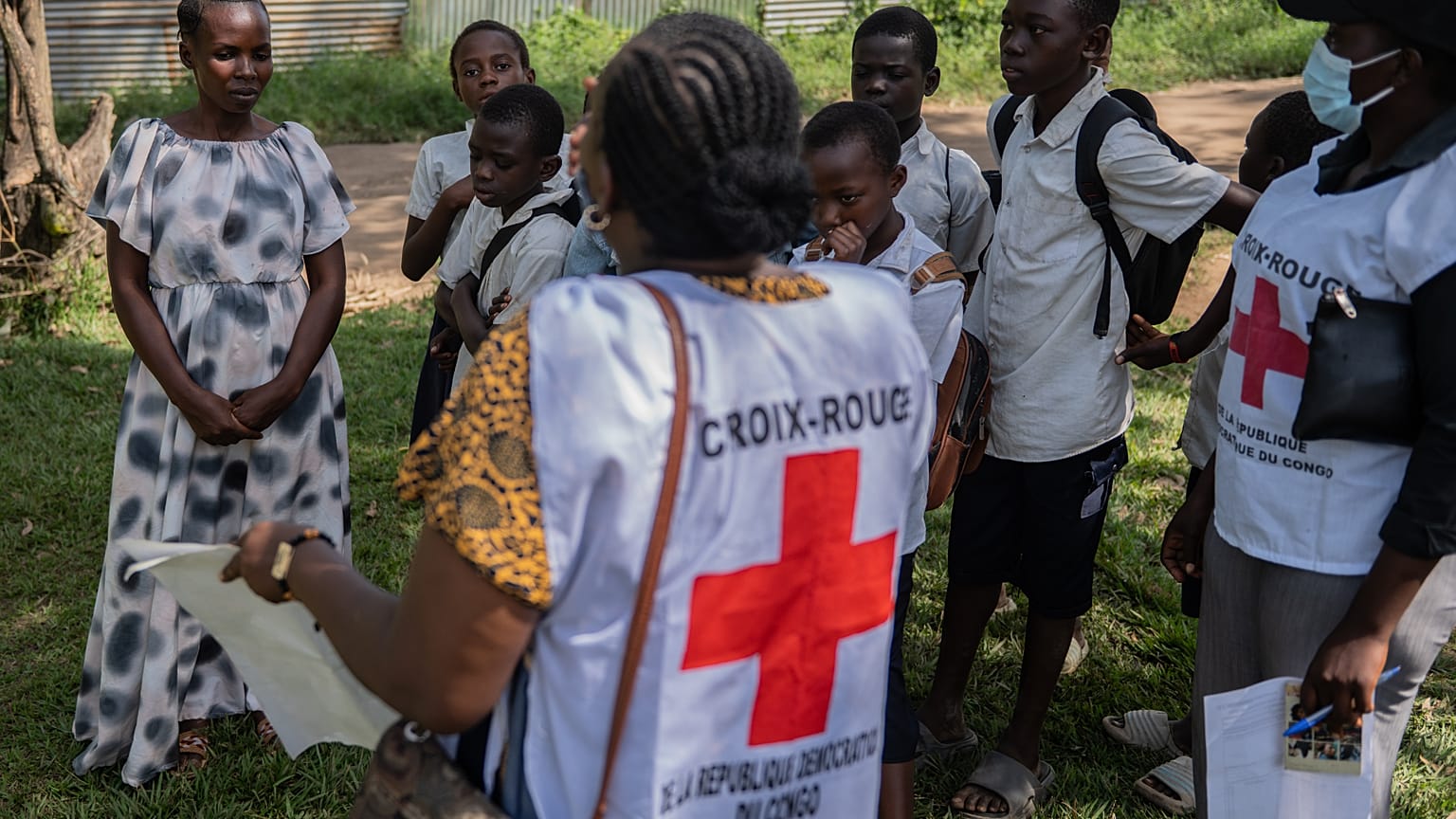
Last week, three volunteers working for the Red Cross in the DRC died from suspected cases of Ebola in Ituri Province, the epicentre of the Ebola outbreak in the country.
The Red Cross said that volunteers Alikana Udumusi Augustin, Sezabo Katanabo and Ajiko Chandiru Viviane were believed to have contracted the Ebola virus while managing dead bodies.
Ebola is a deadly illness first identified in 1976. Symptoms can include fever, weakness, diarrhoea, vomiting, and sometimes bleeding.