














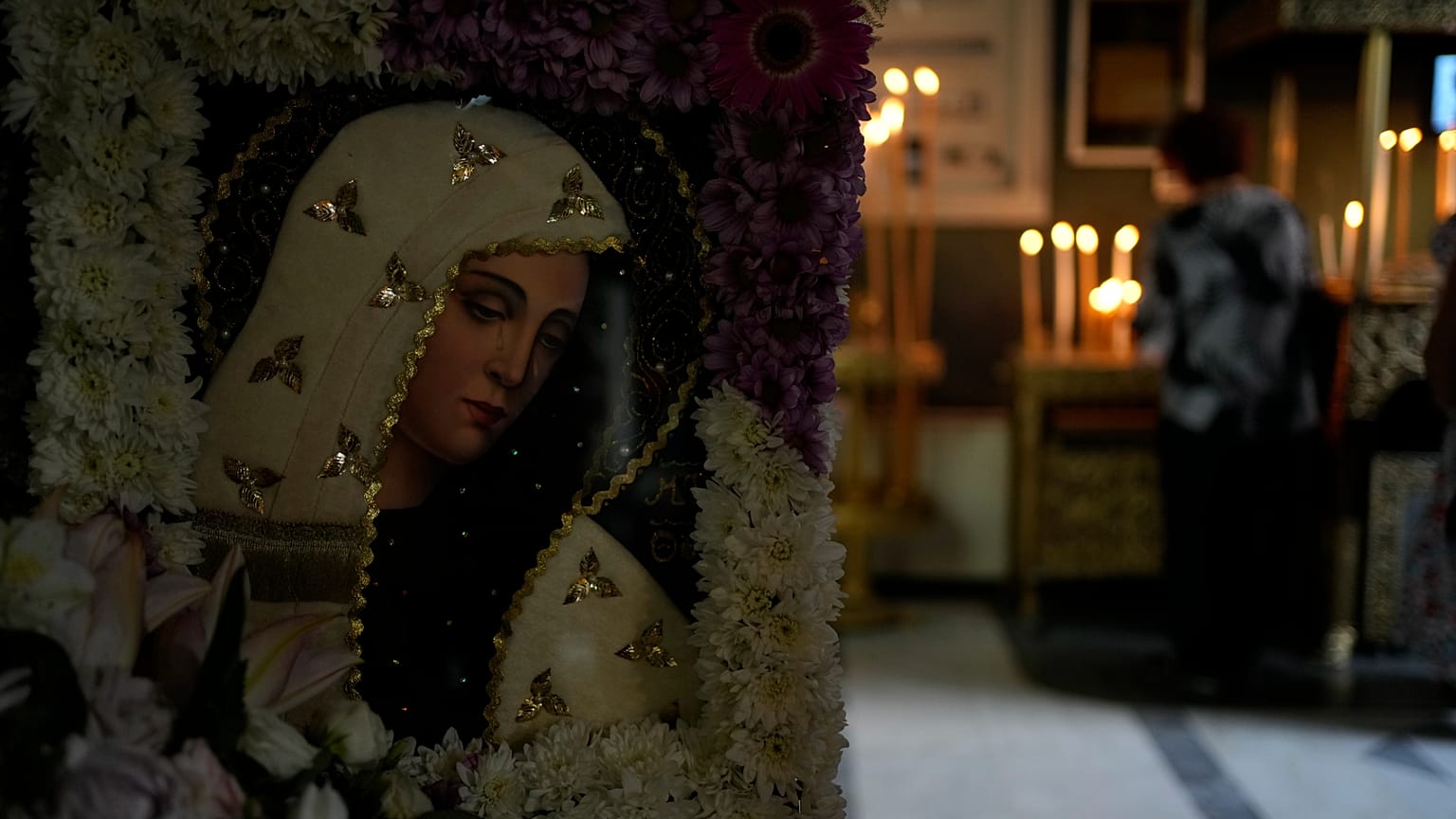













The 15th of August is one of the most important religious festivals in the Orthodox church and a day when traditions revive and endure across Greece.
From the alleyways of Tinos, the villages of Kefalonia to Siatista and to the mountains of Epirus, Greece is set to put on its festive finery this weekend of Saturday, 15 August.
 ADVERTISEMENT
ADVERTISEMENT
ADVERTISEMENT
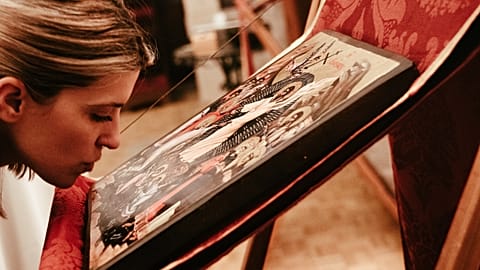
The Feast of the Dormition of the Virgin Mary is not only one of the most important religious celebrations in Orthodox Christianity. It is also a major summer gathering of people, places and traditions, where faith meets celebration and old customs come alive again.
For many Greeks, the Feast of the Dormition of the Virgin Mary is an opportunity to return to their place of origin, to meet up with family and to take part in village festivals whose roots go back many decades.
In Tinos, faith becomes a personal vow
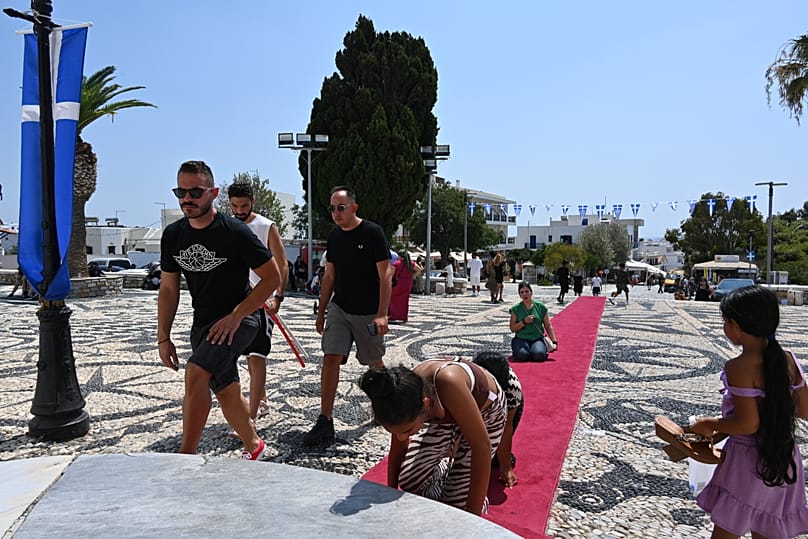
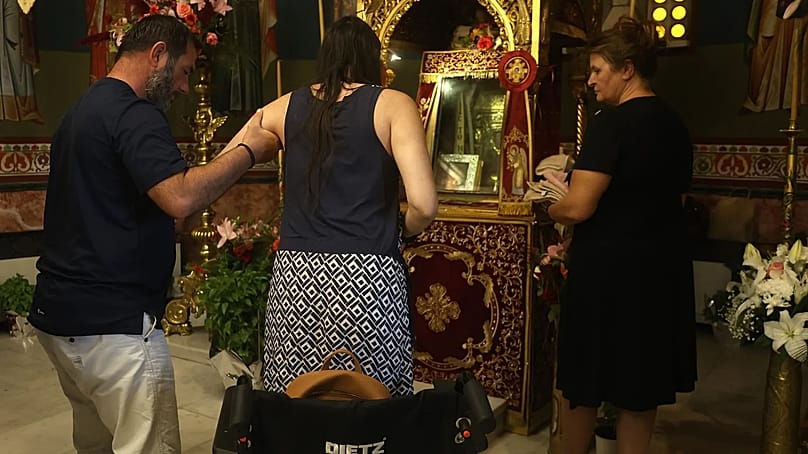
On the island of Tinos, the heart of the celebrations, thousands of pilgrims every year arrive to venerate the Virgin Mary and fulfil their personal vows.
The sight of worshippers making their way on their knees along the road to the Church of Panagia Evangelistria is one of the most emblematic images of the festivites in Greece. For some it is an act of gratitude, for others an expression of hope or a prayer for a personal miracle.
The snakes of Kefalonia
One of the most unusual customs of the festival is found in Kefalonia. In the villages of Markopoulo and Arginia, small snakes appear in the churches during the days of the feast. Although the phenomenon has sparked much discussion, for local residents their presence is part of a tradition that has been preserved over time. The so-called "little snakes of the Virgin Mary" are seen as a good omen and are associated with blessing and good fortune for the year ahead.
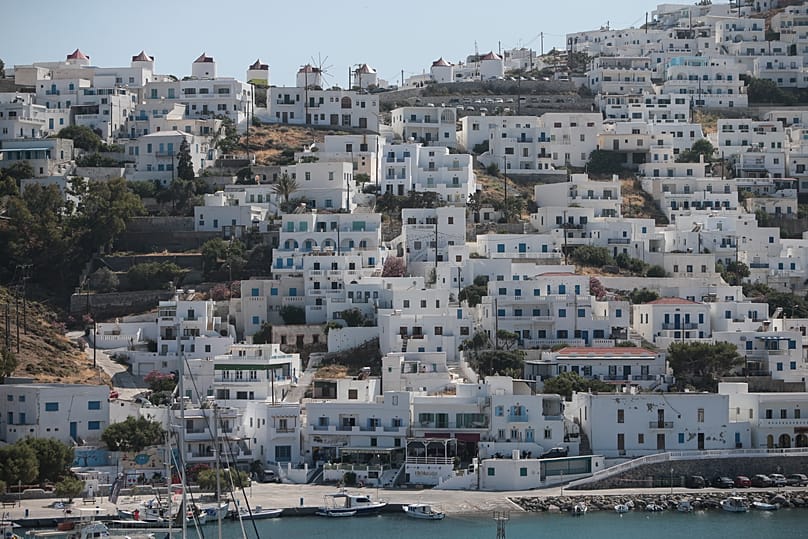
In Astypalaia, the feast is not confined to religious ceremonies. In Pera Gialos, the "Koukania" turn the day into a major folk festival, with games and competitions that spark laughter and bring together locals and visitors.
Contests such as feeding yoghurt while blindfolded lend a lighter tone to the celebration and are a reminder that 15 August in Greece is at once a day of faith and of joy.
A celebration that keeps tradition alive
In Siatista, the celebrations unfold against a different backdrop. The famous horsemen revive a custom that has become a defining feature of local tradition.
Pilgrims on horseback, riding decorated horses, make their way to the monastery of Mikrokastro.
The procession is an impressive spectacle, but the feast does not end there. On their return to Siatista, streets and squares fill with music, brass instruments, songs and dancing, as the religious element gradually gives way to a big traditional party.
In Palaiopyrgos in the Ioannina area, the "Ntolia" offer a different example of the way tradition serves as a means of social cohesion.
At the centre is the shared table and a symbolic role, that of the "archontas", the master of the feast. Through a specific ritual of exchanging glasses with the fellow diners, the signal is effectively given for the start of the celebration. The custom is also linked to restoring relationships and the effort to leave old disagreements behind.
The Feast of the Dormition of the Virgin Mary is perhaps one of the most emblematic moments of the Greek summer, precisely because it effectively combines a religious feeling with social life.
After the church service, squares fill up with tables, music and people. Residents meet up with visitors, younger generations discover customs handed down from the past and older people once again take on the role of custodians of a tradition that is determined not to disappear.