




























What matters may not be how much time a child spends alone, but whether they still feel they belong.
The child happily doing their own thing at recess may not need rescuing from the sidelines.
 ADVERTISEMENT
ADVERTISEMENT
ADVERTISEMENT
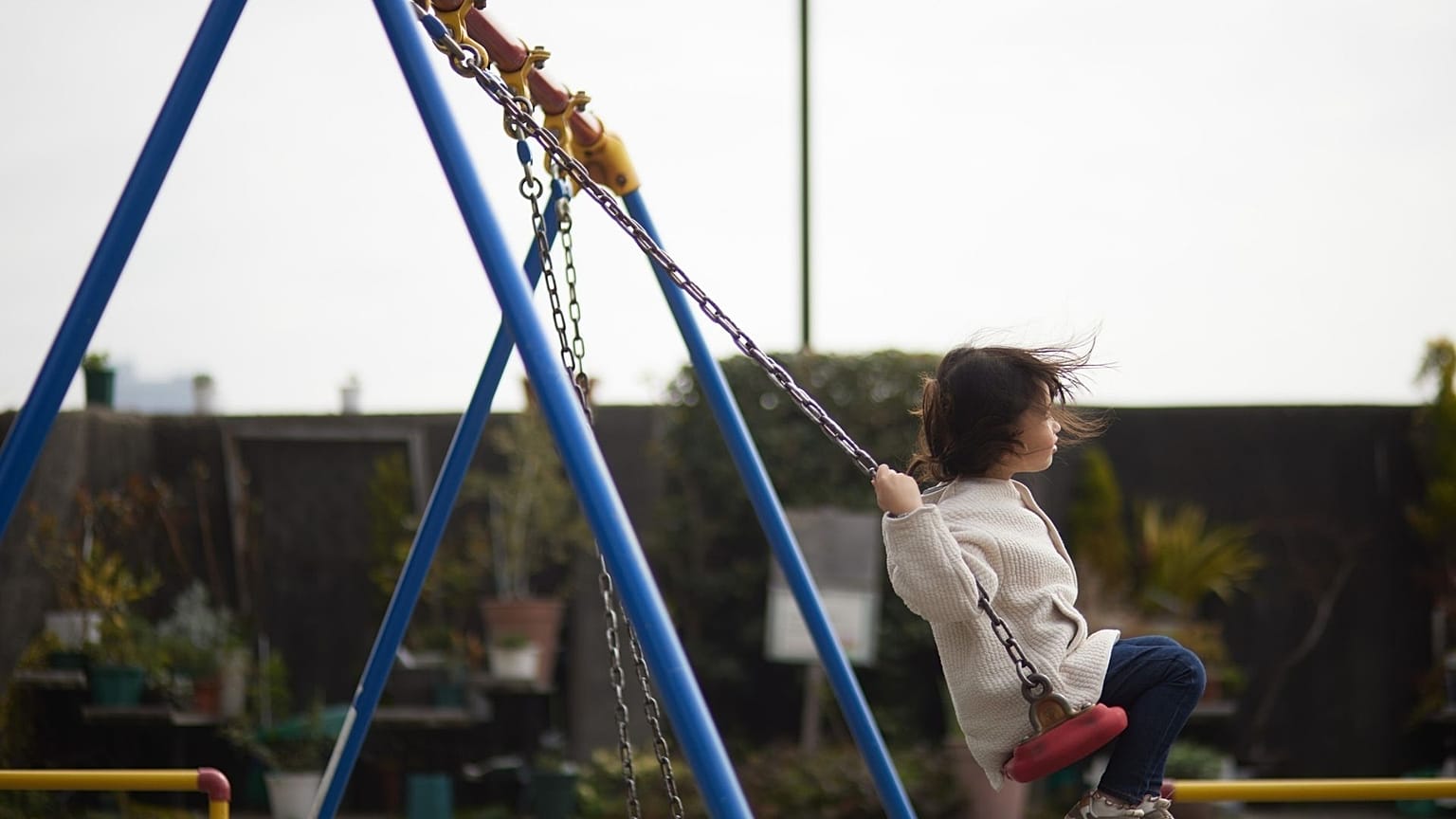
A new study suggests some children who play alone simply prefer their own company.
Researchers at the University of Georgia in the United States found that children who often chose to play alone could still be happy with their friendships and place within a wider peer group, particularly when they felt confident that they belonged.
The study surveyed 473 students between nine and eleven years old at several elementary schools in the US state of Georgia.
Children were asked which classmates tended to play alone despite getting along well with others. They also reported how important they thought it was to belong, and how satisfied they were with their friendships and their position within their class.
Here, researchers found an important distinction between children who preferred spending time alone but still valued belonging, and those who placed little importance on fitting in.
Children in the first group were generally satisfied with both their individual friendships and their wider peer relationships. These children may accept enough invitations to remain socially connected while still feeling comfortable turning down activities when they would rather be alone.
“They prefer to be alone and do their own thing rather than playing with their peers, but they still have that other flip side of getting along well with others,” Rachael Pfanz, the study’s corresponding author and an elementary school psychologist, said in a press release.
Children who did not consider belonging important, however, were more likely to report poorer relationships with both friends and classmates.
Researchers suggest that children who regularly reject invitations may eventually receive fewer of them, leaving them increasingly isolated and dissatisfied with their social lives.
“There are things we do because we know what’s good for us,” said Michele Lease, a professor of educational psychology at the University of Georgia and co-author of the study.
“Social interaction is the same way. Turning down invitations, like avoiding exercise, leads to poorer outcomes.”
The findings also suggest adults should be cautious about assuming that children who play alone need to be pushed into large group activities.
Instead, researchers suggest introducing children to smaller groups of peers with similar interests or behaviours.
“Maybe don’t ask them to go join the big soccer game right away on the playground,” Pfanz said. “That’s a little overwhelming if they’re already preferring to play alone.”
The research team said the findings are particularly relevant for children in fourth and fifth grade, when friendship groups tend to become more established and children are increasingly able to identify which classmates are choosing solitude and which are becoming excluded.