
















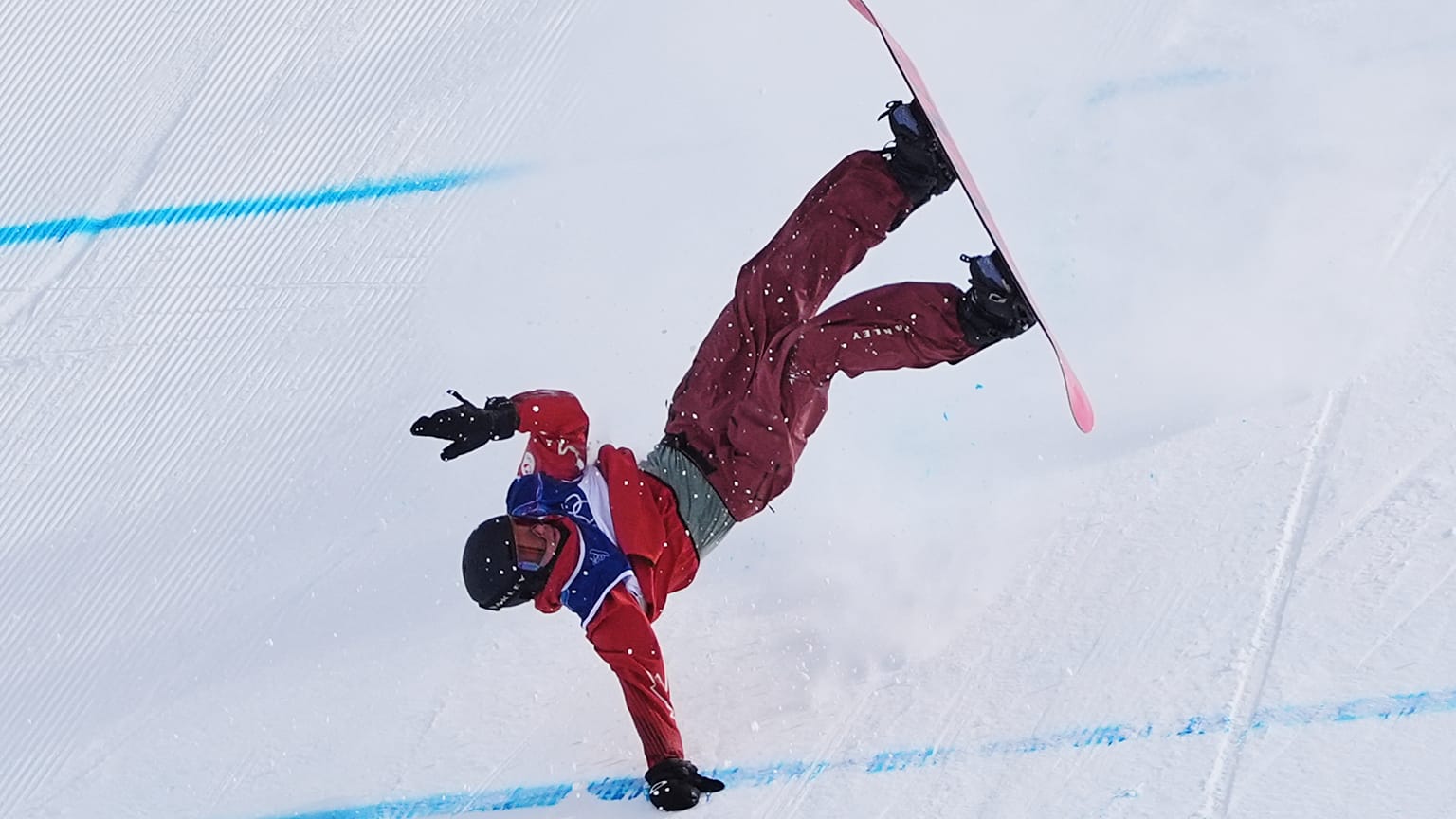













Winter Olympic athletes face high injury rates, yet some of the most common injuries go unnoticed.
For the past few weeks, athletes from around the world have pushed the limits of the human body to compete in the Winter Olympic Games.
 ADVERTISEMENT
ADVERTISEMENT
ADVERTISEMENT
As audiences watch their impressive displays of athleticism, it can be easy to forget the dangers of these winter sports. However, even the most athletic can be brought down by injuries.
A rude reminder of this reality came in multiple forms at this year’s games. Just 13 seconds into Lindsey Vonn’s downhill skiing run, she crashed and broke her leg. Ilia Malinin, the favourite for the gold, also experienced a catastrophic fall during his free skate.
Unfortunately, these athletes were not the only ones to take a tumble, and they will not be the last.
A study from the Journal of Sports Science and Medicine found that Winter Olympic athletes often face high injury rates. The equipment athletes use in the Olympic Games to enhance performance can contribute to these injuries if it is badly fitted or improperly used.
The study revealed that the sports with the highest injury rates were freestyle skiing, snowboarding, alpine skiing, bobsleigh, and ice hockey.
The most frequent types of injuries were knee, spine/back and wrist/hand. Bruises, strains and sprains were all also prevalent injuries the study noted.
While injuries are possible and present in any sport, there are some that are unique to winter sports, yet they go relatively unnoticed.
What is ‘sled (sledge) head?’
The sliding sports of bobsleigh, luge, and skeleton require athletes to wind down an icy track while reaching speeds of more than 80 km per hour.
Therefore, it may not come as a surprise that concussions are common among sledging athletes, with 13-18 percent of all sledging athletes being affected, according to research from Frontiers in Neurology.
But there is another common injury among these athletes that often goes unrecognised in research and public conversation: sledge head.
Sledging athletes have coined the term “sled head” to describe a condition that includes headaches, fogginess, and occasionally feeling a sensation of being off-balance, according to the research. It typically results from the track being bumpy or from doing many track runs.
Although the conversation around sledge head has been minimal in the past, measures are being taken to make sliding sports safer.
The German Bobsleigh and Sled Association (BSD) and Allianz Center for Technology (AZT) presented ideas and research findings at the Milano Cortina games to improve safety for bobsleigh athletes.
One of the safety systems presented was the Allianz Safety Sled with the HIP (Head Impact Protection) system. The new safety feature is designed to prevent direct impact on bobsleigh occupants. Implementing the safety system would not require building a new sledge, according to AZT.
“We don’t change the sport itself,” said Christian Sahr, managing director of AZT. “We don’t change the thrill or the spectacle. We only want to add some safety.”
Sahr said they were met with many positive reactions in Cortina, especially from athletes. However, he said there is still work to be done.
“It doesn’t mean that it is through and that everyone will vote positive to change the regulations,” he said. “There is a lot of work to do to convince everybody to introduce it.”
The International Bobsleigh and Skeleton Federation is the main association that would need to approve the safety features in order for them to be implemented in future Olympic Games.
What is ‘skier’s thumb?’
The term “skier’s thumb” refers to an injury of the ulnar collateral ligament of the thumb, which is located at the base of the thumb on the index finger side.
The injury occurs due to hyperextension or extreme abduction, often when athletes fall on an outstretched hand while holding ski poles. Because snowboarders do not frequently experience this injury, it is implied that the poles are the probable cause of the injury, according to Sports Health: A Multidisciplinary Approach.
It was originally known as “gamekeeper’s thumb” because Scottish gamekeepers frequently sustained the injury from breaking rabbits’ necks, according to a study from StatPearls.
While this injury is not exclusive to skiers, it is relatively common among them. Research from Sports Health shows that upper extremity injuries make up 14 percent of skiing injuries. Knee injuries remain the most common ski injury.
Still, the research notes that skier’s thumb may in fact be the most common ski injury and just remains underreported because athletes think it is not serious.
Treatment of the injury depends on its severity. The StatPearls study notes that most of these injuries can be treated with rest, ice, compression and elevation. However, if the injury results in significant looseness of the thumb, surgery may be required.