




























A new study finds that thinking about different types of alcohol can influence mood and mindset, even without drinking.
Experts have long pointed out the physical risks of alcohol, but new research suggests that even thinking about certain drinks can influence our minds – particularly among young consumers.
 ADVERTISEMENT
ADVERTISEMENT
ADVERTISEMENT
A recent study, published in the journal Young Consumers, found that different types of alcohol are strongly associated with specific mindsets.
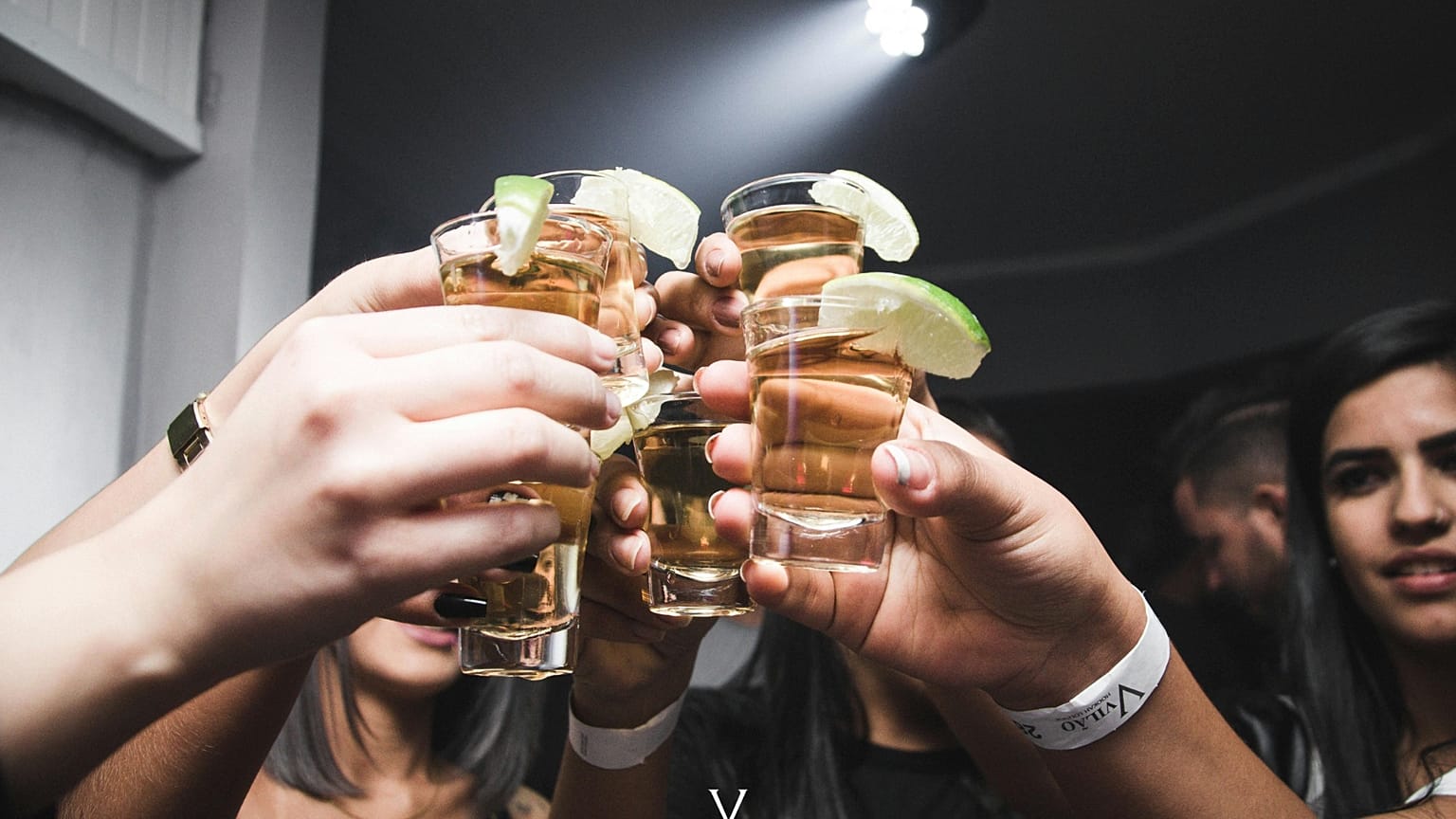
For example researchers found that tequila tends to trigger a “party” mindset, whiskey is linked with masculinity, and wine is associated with sophistication.
How the study was carried out?
The team carried out four studies with a total of 429 participants to explore the cultural themes and moods people associate with alcohol.
“We conducted two preliminary studies to understand how people think about different types of alcohol. In the first study, participants answered open-ended questions, and in the second they completed a word-association task," said Logan Pant, Assistant Professor of Marketing at the University of Evansville to the Associated Press.
He added: "These studies helped us identify common cultural associations, which we call “learned associations,” or ideas people develop through experience and cultural exposure.'
Participants rated how much they felt different qualities when thinking about a randomly assigned type of alcohol.
The “sophisticated mindset” included words such as sophisticated, elegant, classy, formal, and fancy; the “masculinity mindset” included masculine, tough, confident, manly, and strong; and the “party mindset” included energetic, outgoing, fun, like partying, and like celebrating.
In the experiments, participants were randomly assigned to think about wine, whiskey, or tequila and respond to the mindset questions - importantly without consuming alcohol - allowing the researchers to isolate the learned associations these drinks evoke, separate from alcohol’s physiological effects.
Clear patterns emerged. Tequila was frequently associated with fun, wild, celebration, and party. Whiskey elicited terms such as strong, rugged, confident, and masculine. Wine, by contrast, was linked to elegance, class, refinement, and sophistication.
“These findings show that alcohol can function as a “symbolic cue.” In other words, the mindsets people associate with different drinks appear to originate from learned associations rather than from intoxication itself,” Pant concluded.
Why it matters
While some people drink to enhance experiences, socialise, or enjoy themselves, others may struggle with compulsive drinking, defined as alcohol use disorder.
Research increasingly shows that even moderate drinking carries health risks, including higher risks of several cancers.
A considerable amount of research on alcohol has explored what happens as a result of drinking. Studies have found that people become uninhibited and make risky decisions when they drink. Other researchers have found that people pick up ideas and habits about drinking from the world around them and that advertising can influence what, when and how young people drink.
Even though Gen Z drinks less than previous generations, they are still exposed to alcohol-related media and cultural cues. Understanding these learned associations may help explain how social norms and expectations around drinking develop and influence behaviour.
Learned associations for different alcoholic drinks can influence how people feel, which in turn might shape their intentions, choices and social expectations.
A better understanding of these associations could help public health campaigns promote moderation and responsible drinking, such as pacing drinks, staying hydrated and avoiding overconsumption.
As Pant suggests: "Future research could examine how these associations form in different social contexts, how they vary across age groups or cultures, and how interventions might shift them to further reduce risky behaviours and encourage safer, more responsible alcohol consumption."