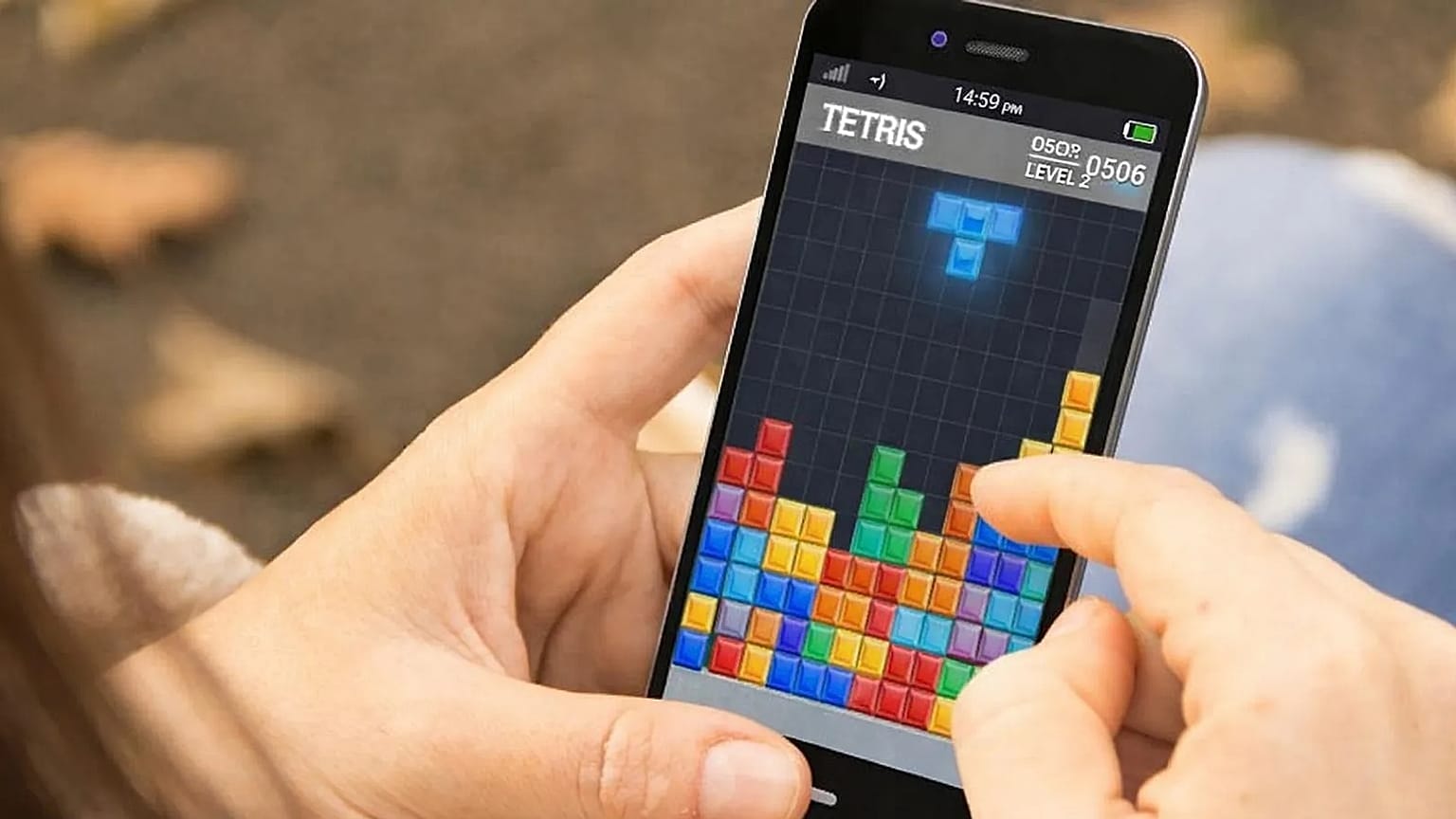













Tetris can reduce intrusive memories of trauma, with symptoms fading after six months, new research has found.
By keeping the brain busy playing Tetris, intrusive memories cannot find a way in, thereby alleviating trauma, new research has found.
 ADVERTISEMENT
ADVERTISEMENT
ADVERTISEMENT
The study, published in The Lancet Psychiatry, focused on treating intrusive, vivid, and unwanted memories of trauma, a core symptom of post-traumatic stress disorder (PTSD).
The treatment – called Imagery Competing Task Intervention (ICTI) – was developed at Uppsala University in Sweden in collaboration with the research body P1vital, and trialled with the University of Cambridge and the University of Oxford.
Psychological trauma, such as witnessing an unexpected death or living a violent experience, can provoke intrusive memories that persist for days or years and affect people’s mental and physical health.
Intrusive memories, commonly known as flashbacks, are involuntary and recurrent recollections that appear suddenly in the mind, typically as visual images of a trauma.
“Even a single, fleeting intrusive memory of past trauma can exert a powerful impact in daily life by hijacking attention and leaving people at the mercy of unwanted and intrusive emotions,” said study lead Emily Holmes, professor of psychology at Uppsala University.
She added that, by weakening the intrusive aspect of these sensory memories via this brief visual intervention, people experience fewer trauma images flashing back.
The research team focused on healthcare workers who had experienced traumatic events in the workplace during the COVID-19 pandemic.
Participants were divided into three groups: the first used the mental intervention, the second listened to classical music, and the third received treatment as usual.
The study found that ICTI substantially reduced intrusive memories from a baseline of 14 per week to one per week at four weeks, 10 times fewer than participants in the other groups.
Six months after the trial, 70 percent of the people in the new treatment group were completely free of intrusive memories.
“[Our] intervention focuses on our mental imagery, not words, and is designed to be as gentle, brief, and practical as possible to fit into people’s busy lives,” Holmes added.
How does the treatment work?
The main component of the treatment is the video game Tetris, in which players must rotate figures of different sizes to fit them all together into a grid.
In the first step of the study, participants briefly recalled the traumatic memory, without needing to describe it or go into detail.
They were then taught how to use mental rotation, a cognitive skill using the mind’s eye. ICTI then requires participants to apply this skill to play Tetris, but in a slower way, in sessions of about 20 minutes.
The method overall is to occupy the brain’s visuospatial areas, competing with the visual flashback to reduce its vividness, emotional impact, and frequency.
Overall beneficial treatment
The researchers saw that the treatment was beneficial not only to reduce intrusive images but also overall PTSD symptoms.
If intrusive memories are reduced, there should be a beneficial effect on other PTSD symptoms, the study found.
Anxiety, depression, and general functioning improved by the fourth week, regardless of the level of PTSD participants had at the beginning of the study.