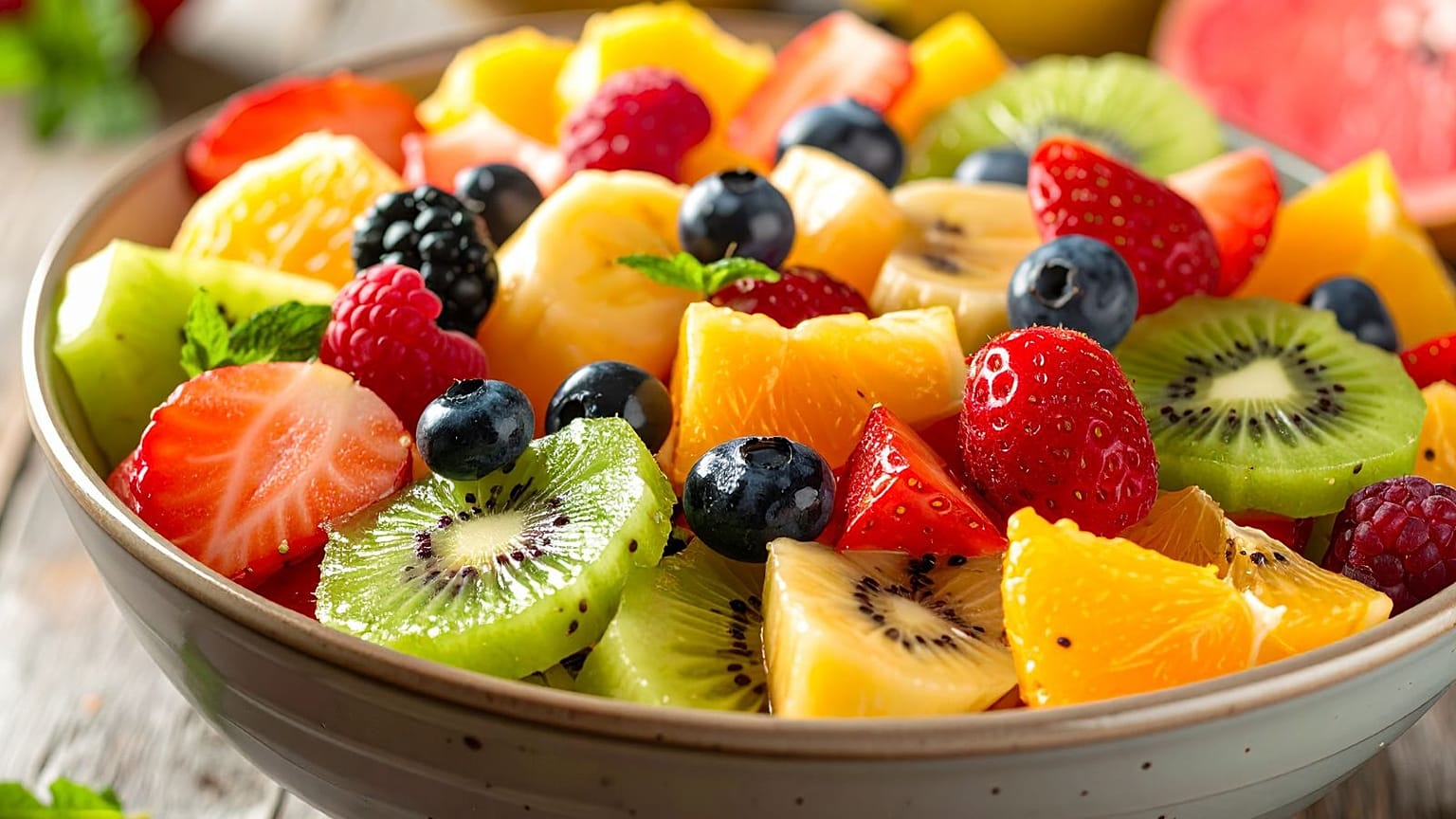













An apple a day keeps the doctor away, but what are the other healthiest fruits to consume? And how do their benefits vary? Euronews Health cherry-picks the best.
Vibrant, sweet, and refreshingly juicy, fruits are known as nature’s candy. And the cherry on top? They’re good for us too.
 ADVERTISEMENT
ADVERTISEMENT
ADVERTISEMENT
Full of vitamins and minerals, the World Health Organization (WHO) recommends that people consume at least 400g (or five 80g portions) of fruit and vegetables per day as part of a balanced diet.
Research has shown that regularly consuming this amount reduces the risk of developing serious health issues, such as heart disease and certain types of cancer.
Eating them fresh is best, but frozen, dried or juiced all count too, according to the United Kingdom’s National Health Service (NHS).
However, while an apple a day might keep the doctor away, not all apples - or fruits in general - are created equal. For example, some have higher fibre or vitamin contents, making them more beneficial for specific dietary goals.
In general, moderation and variation are key - especially when it comes to avoiding any digestive issues, like bloating and diarrhoe a, which can arise from ingesting too much fructose and fibre (always stay hydrated!)
Whether you’re already a fruit fanatic or trying to incorporate more of them into your diet, here’s a closer look at some of the healthiest options.
Bananas
Not many fruits come with their own natural wrapper, making the humble banana a most ap-peeling choice for boosting energy on the go.
Their soft, sweet texture also makes them incredibly versatile, delicious blended into smoothies, sliced as toppings, or even frozen into ice cream.
Packed with essential nutrients, bananas include potassium to help manage blood pressure, magnesium for muscle and nerve function, fibre to aid digestion, and vitamin B6 for brain health.
Their high levels of potassium are especially important, as humans can’t naturally produce this alone. Alongside supporting heart health, a 2019 study also found that higher levels of potassium were linked to the reduced progression of kidney disease.
As if that wasn’t enough, bananas might have extra beautifying benefits. Anecdotally, the natural antioxidants in their peels can be effective at soothing skin inflammation and providing moisture.
Apples & pears
From juicy green Granny Smiths to a soft and sweet Pink Lady, apples are a favourite for packed lunches and baked into warming pies.
A rich source of phytochemicals, these help reduce the development of chronic diseases such as cancer and diabetes, according to research.
To get the most out of them, it's important to eat the skin, which contains half of the fruit's fibre and antioxidants. Similarly, pears are full of fibre to help with digestion and weight management, but are also rich in minerals like copper and potassium. These assist with managing cholesterol levels, along with promoting nerve, muscle and heart function.
Berries
Berries are berry good at protecting almost everything! These little powerhouses of nutrition contain loads of antioxidants, which contribute towards controlling free radicals - highly reactive molecules that can damage our cells if too high.
While all berries have benefits, a study published in the Journal of Agricultural and Food Chemistry found that blueberries, blackberries, and raspberries have the highest value of antioxidants.
Kiwis
Luminous green with a tangy taste, kiwis are so much more than a pretty treat - they’ll also keep your bowel movements regular.
In a report last year, researchers from King's College London recommended people eat two or three kiwis throughout the day to relieve constipation. Similar health claims have also been officiated by the European Commission - a momentous first in the fruit world.
Their high levels of both soluble and insoluble fibre are what encourage bowel contractions and increase the volume of stool. This effect remains the same whether you choose to eat them with or without the skin on.
Citrus fruits
Tart, tangy and refreshing, nothing makes your taste buds dance like citrus fruits. Whether opting for a squeeze of lemon in water or spooned segment of grapefruit segments, they all contain high levels of vitamin C. This is integral for protecting our cells and maintaining healthy skin, blood vessels and bones, according to the NHS.
They also stand out for their flavonoids, plant-based compounds with powerful antioxidant and anti-inflammatory properties.
A 2021 study found that oranges (when juiced in particular) could play a role in protecting against the formation of kidney stones, although grapefruit juice had the opposite effect.
Avocados
Creamy, buttery and slightly nutty, the allure of avocados can’t be overstated.
Enjoyed mashed into guacamole, spread over toast or scooped straight from their skin, they’re one of the best fruits for supporting cardiovascular health; loaded with potassium and monounsaturated fats (MUFAs).
They've also been proven to support weight loss, improve cognitive function and stimulate healthy gut bacteria, according to a comprehensive study on Hass avocados - the most popular variety.
There’s also evidence that avocados keep us looking younger, with their high levels of vitamins A, C, and E promoting skin elasticity and firmness.
Don’t go overboard, though. Most guidelines state that one-half to one whole avocado per day is optimal due to its high fat content.
Cherries and pomegranates
We’ve mentioned antioxidants a lot in this list, but pomegranates in particular are really packing. Considered a superfood, they contain high levels of polyphenols - three times the amount of antioxidants as green tea or red wine, according to past studies.
These antioxidants not only help protect your body from harmful diseases but also reduce chronic inflammation that could lead to conditions like heart disease and cancer.
One medium-sized pomegranate also contains about 18 to 30 percent of the recommended daily vitamin C intake.
While cherries are not as potent with polyphenols as pomegranates, they're still very high in them, with 274mg per 100g.
Another unexpected bonus? They could help with quicker recovery after working out or playing sports. A 2022 study reported that men who consumed tart cherry extracts had reduced oxidative stress and markers of muscle and cardiac damage after intense exercise.