













High exposure to PFAS is associated with an increased risk of certain cancers, as well as reduced fertility and impaired immune function. The EU strengthens its regulatory arsenal to confront what some consider one of the greatest environmental threats of our time.
Known as “forever chemicals,” PFAS are man-made substances widely used by industry to manufacture many consumer products, such as electronic devices, paint, cars or cosmetics.
Their non-stick properties and resistance to heat make them extremely useful. But their high stability and strong mobility in soil, water and air — they are even detected in rain — are now raising growing concern among scientists, lawmakers and parts of the industry.
Science has already established some harmful effects on human health, such as low immune response or infertility. Perfluorooctanoic acid, known as PFOA, one of the few PFAS banned under the Stockholm Convention, is classified as carcinogenic.
An invisible danger
The human body can take several decades to eliminate PFAS. They can accumulate in blood and tissues at levels that often depend on how close people live to industrial sites using these substances.
In 2023, the investigative Forever Pollution Project estimated that nearly 23,000 -mostly industrial - sites across Europe were contaminated by these “forever chemicals.”
“We only know the toxicity of about ten PFAS out of the more than 10,000 currently in circulation, which is concerning,” says Ian Cousins, Professor of Environmental Organic Chemistry at Stockholm University. “The fact that they accumulate in the environment is already a problem in itself,” he adds.
Unsustainable costs
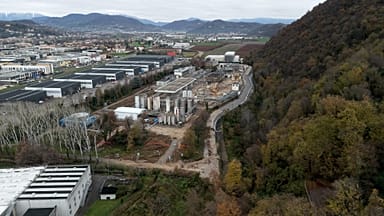
The Road to Green travelled to Veneto, in northern Italy, at the centre of one of the most severe PFAS contaminations known in Europe, often referred to as the “Miteni scandal.”
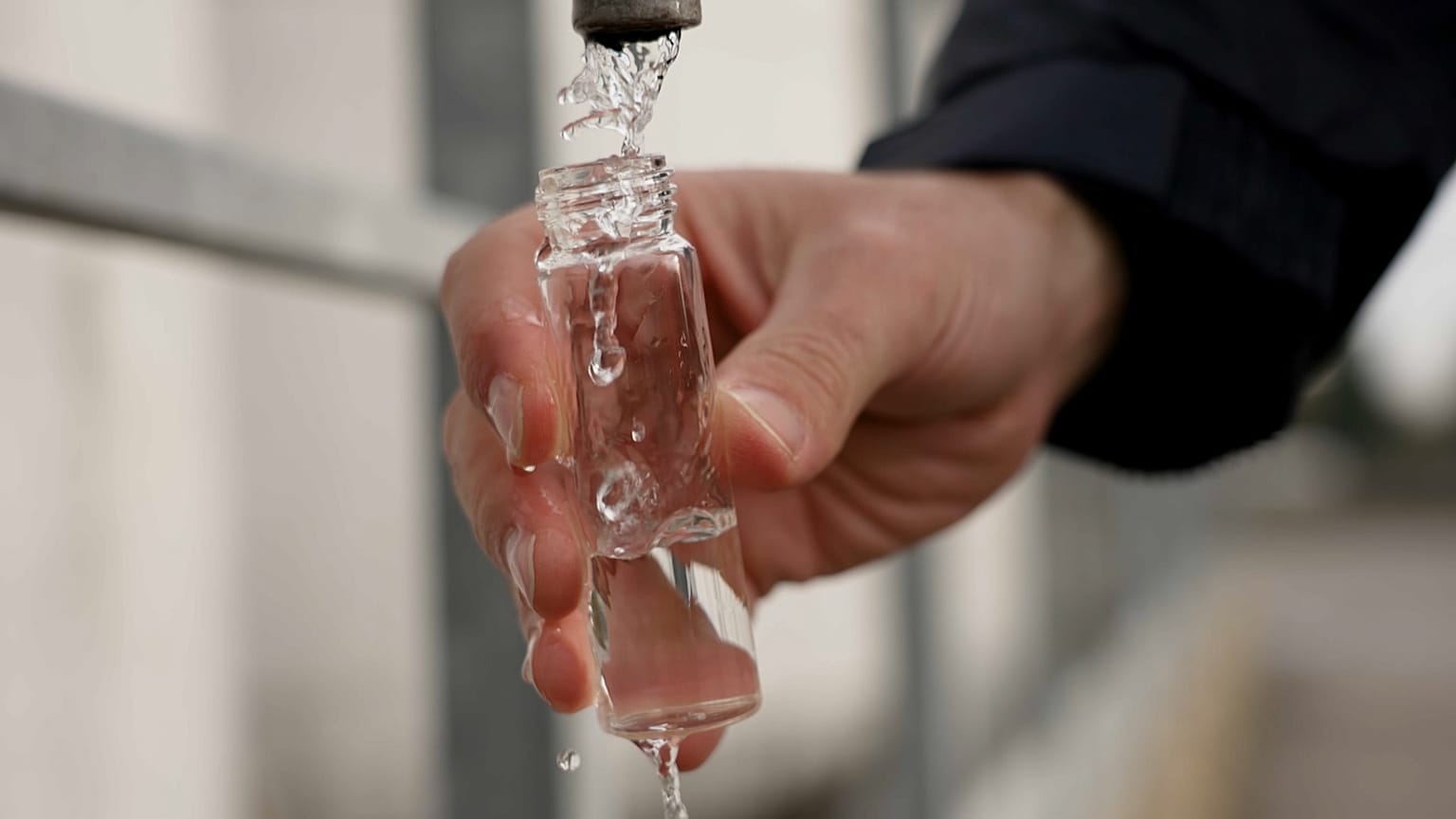
For decades, a chemical plant polluted the region’s groundwater, exposing hundreds of thousands of residents to high levels of PFOA and PFOS in their drinking water.
After years of civil society mobilisation led by the “Mothers Without PFAS” group, Italian courts sentenced several company executives to prison terms. Judges ruled that they were aware of the pollution caused by the plant and deliberately concealed it.
Today, public authorities are facing enormous costs to secure drinking water supplies and decontaminate groundwater and soils.
Europe strengthens its regulatory arsenal
The European Union has one of the world’s strictest set of rules for chemicals. Measures taken by the European Commission include:
- Several restrictions targeting PFAS sub-groups;
- Ban on PFAS in certain products, such as firefighting foams (REACH restrictions)
- Limits of 100 nanograms per litre for the sum 20 “PFAS of concern” and 500 nanograms per litre for all PFAS (Drinking Water Directive);
- A proposal to establish quality standards for 24 PFAS in surface and groundwater (Water Framework Directive);
- Plans to monitor PFAS at the inflow and outflow of large wastewater treatment plants discharging into drinking water catchment areas (Urban Wastewater Treatment Directive);
- Ongoing negotiations on monitoring PFAS levels in soils (Soil Monitoring Law).
Towards a 'universal' ban?
The EU is currently examining a proposal for a “universal restriction” covering all products containing PFAS, submitted in 2022 by five countries: Sweden, Denmark, Germany, Norway and the Netherlands.
The Commission has tasked the European Chemicals Agency (ECHA) with preparatory work. ECHA’s scientific committees for Risk Assessment (RAC) and Socio-Economic Analysis (SEAC) are expected to deliver a final opinion by the end of the year.
Read more