



























A rapid transition away from fossil fuels could help slow down the Doomsday Clock as it edges closer to midnight.
The Doomsday Clock has ticked forward once again, as the world edges closer to global catastrophe fuelled by nuclear weapons, disinformation and climate change.
 ADVERTISEMENT
ADVERTISEMENT
ADVERTISEMENT
Established by non-profit organisation The Bulletin of the Atomic Scientists, the Doomsday Clock was created back in 1945 by Albert Einstein and J. Robert Oppenheimer following the creation of the atomic bomb.
It acts as a poignant metaphor of the threat of human-made technologies, with the approach of midnight signifying the apocalypse.
Last year, the Bulletin warned that the planet was “perilously close” to widespread disaster. But, instead of heeding this warning, powerful nations such as Russia, China and the United States have become increasingly aggressive and nationalistic.
Updated annually, the Doomsday Clock was originally set at seven minutes to midnight and has been set backwards eight times. Now, it sits at just 85 seconds to midnight.
How climate change is pushing us closer to ‘doomsday’
Last year, global levels of atmospheric carbon dioxide reached an all-time high, rising to 150 per cent above preindustrial levels. These heat-trapping gases have triggered global temperatures to climb, testing the planet’s critical tipping points.
2025 was the third hottest year globally and marked the first three-year period where temperatures exceeded the 1.5°C threshold set out in the Paris Agreement. In Europe, heatwaves scorched the continent, fuelling deadly wildfires and subjecting citizens to a slew of heatwaves.
Analysis from Imperial College London and the London School of Hygiene & Tropical Medicine found that 68 per cent of the 24,400 estimated heat deaths last summer were due to climate change raising temperatures by up to 3.6°C.
For every 1℃ rise in air temperature, the atmosphere can also hold around seven per cent more moisture, which can lead to more intense and heavy rainfall. It’s partly why thousands were killed across Asia following overlapping monsoons last autumn.
Flash floods, which wrecked hundreds of homes and turned roads into rivers of flowing mud, also highlighted the long-term effects of deforestation.
In Indonesia, a staggering 1.4 million hectares in Aceh, North Sumatra and West Sumatra have been deforested from 2016 to 2025. These forests had previously acted as a natural flood deterrent, effectively sucking up excess water and reducing runoff volume. Without them, the country cannot cope with extreme rainfall.
Despite 2025 being plagued by extreme weather events, progress on moving away from fossil fuels was quashed at the COP30 summit in Belém. Although not on the official agenda, support for a roadmap to transition to clean energy quickly gained momentum during the talks.
More than 90 countries, including the UK, Germany and the Netherlands, backed the idea of a roadmap that would allow each nation to set out its own targets to phase out fossil fuels. Brazil’s Lula da Silva was also vocal about the issue, calling on the world to “start thinking about how to live without fossil fuels”.
Yet all mentions of fossil fuels were scrubbed from the final deal in the last hours of the summit. Carbon Majors found that 17 of the top 20 emitters in 2024 were firms controlled by nations that went on to block this roadmap. This includes Saudi Arabia, Russia, China, India, Iraq, Iran and Qatar.
“The national and international responses to the climate emergency went from wholly insufficient to profoundly destructive,” the Bulletin says.
“None of the three most recent UN climate summits emphasised phasing out fossil fuels or monitoring carbon dioxide emissions. In the United States, the Trump administration has essentially declared war on renewable energy and sensible climate policies, relentlessly gutting national efforts to combat climate change.”
Can renewable energy stop the Doomsday Clock?
Even as the hands of the Doomsday Clock move closer to midnight, there is still a glimmer of hope. The Bulletin says humanity could be pulled back from the brink if the US Congress rejects Trump’s war on renewable energy.
It argues that providing “incentives and investments” will enable a rapid reduction in fossil fuel use.
Moving towards green energy and reducing fossil fuel reliance is the only way that climate goals can be met. According to the UN, fossil fuels are by far the largest contributor to global climate change.
They account for around 68 per cent of global greenhouse gas emissions and nearly 90 per cent of all carbon dioxide emissions.
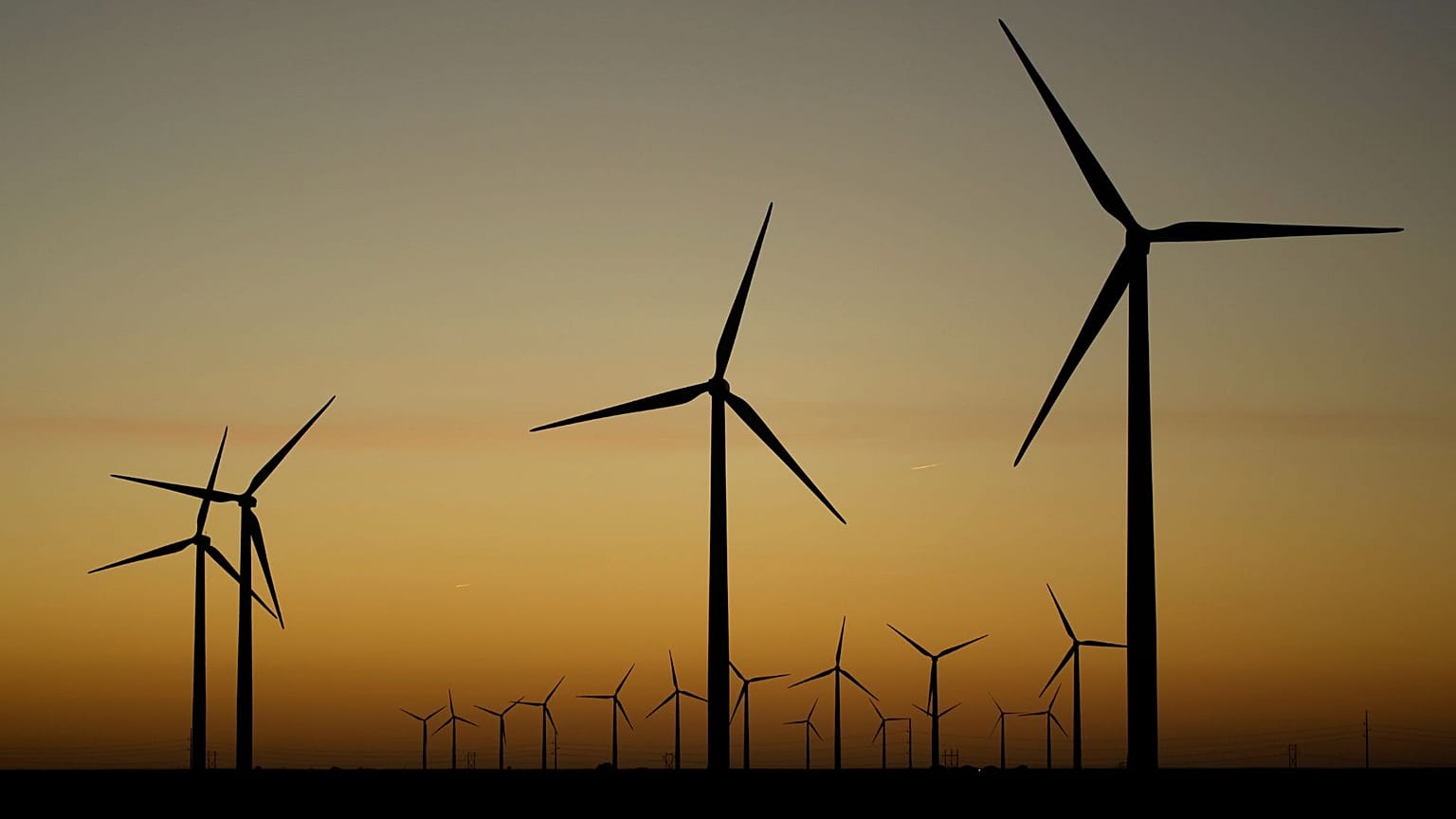
In less doom-worthy news, 2025 marked a significant milestone for renewable energy across Europe. Last year, wind and solar generated more EU electricity than fossil fuels for the first time ever.
A report from energy think tank Ember found that over the past five years, fossil power has declined from 36.7 per cent of the EU’s electricity to 29 per cent, while wind and solar combined have climbed to 30 per cent – despite a decrease in wind last year compared to 2024.
10 European countries, including Belgium, Norway and the UK, have also pledged €9.5 billion to turn the North Sea into the world’s “largest clean energy reservoir”. The move aims to power around 143 million homes by 2050 and uses at-sea wind farms that are directly connected to more than one country through multi-purpose interconnectors (MPIs).
Still, Trump is determined to boost fossil fuels and continue his blistering attacks on renewable energy. After vowing to take his “drill, baby drill” mentality over to Venezuela's huge oil reserves, the POTUS has already suspended leases on all US offshore wind projects. This is already being dismantled, after a federal judge said Tuesday that a nearly completed Massachusetts offshore wind project can continue.
At Davos last week, Trump described countries that use wind turbines as “losers” – ludicrously claiming that China isn’t investing in the renewable space despite having built the world’s biggest wind farm.