




























As renewed rainfall threatens even more devastation across parts of Asia, calls to fight deforestation are getting louder.
Overlapping tropical storms and “intensified” monsoon systems have unleashed widespread devastation across Asia, with rescue teams still racing to reach isolated survivors.
 ADVERTISEMENT
ADVERTISEMENT
ADVERTISEMENT
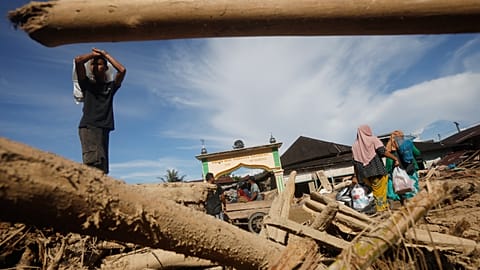
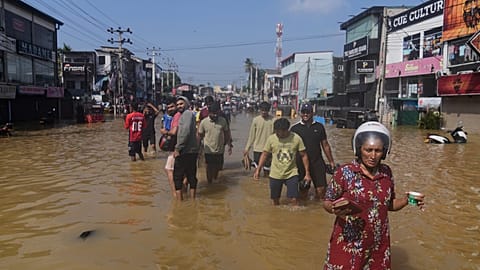
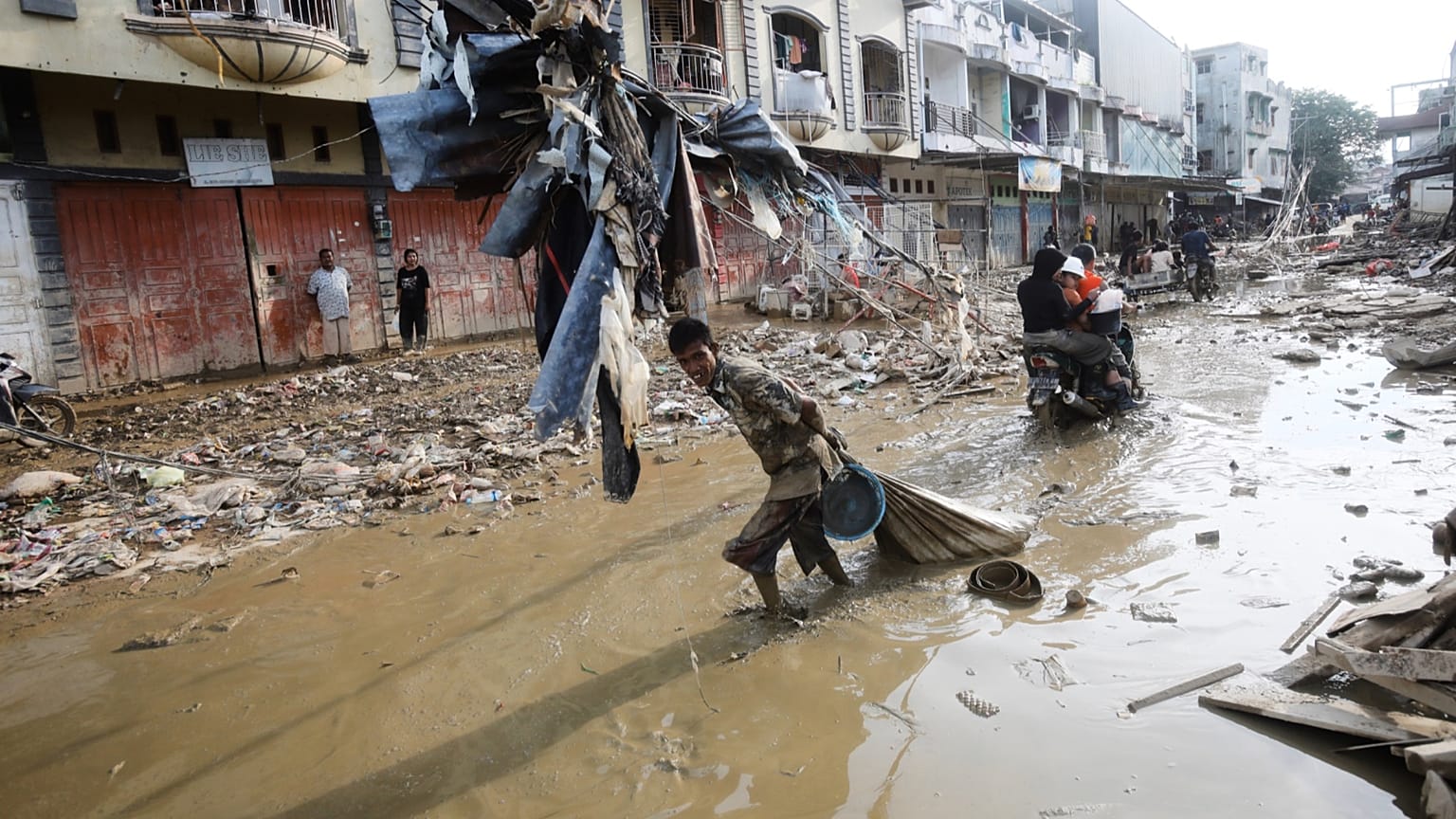
Days of record-breaking rainfall and storm surges triggered catastrophic flooding and landslides in Sri Lanka, Indonesia, Thailand, Malaysia and Vietnam last week. With thousands of homes destroyed and roads rapidly transforming into fast-flowing rivers of mud, people have been found clinging to rooftops or trees to stay alive.
The death toll has now surpassed 1,600, but hundreds are still unaccounted for across the region. According to the UN, the disaster is one of the deadliest weather patterns south and southeast Asia has seen in years.
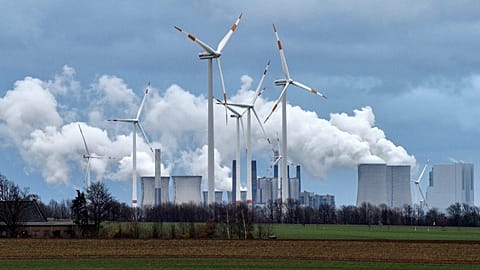
While the clashing of three tropical weather systems, including Cyclones Ditwah and Senyar, was likely fuelled by climate change, environmentalists warn it is “rampant” deforestation that has compounded the tragedy.
Is deforestation to blame for Asia’s deadly floods?
More rainfall is expected acrossIndonesia – one of the hardest-hit regions – in the coming days, likely to impact the regions of North Sumatra, West Sumatra and Aceh. Here, residents are still reeling from the floods, grappling with severe food shortages and access to clean water.
WALHI, Indonesia’s largest and oldest environmental advocacy NGO, says the disaster was caused by “increasingly ecological vulnerability” due to changes in important ecosystems and has been exacerbated by the climate crisis.
“This disaster is not just a natural phenomenon but an ecological disaster produced by government policies that are negligent and permissive,” says Ahmad Soilhin of WALHI Aceh.
“These recurring floods are the result of the accumulation of deforestation, palm oilexpansion and illegal gold mining that has been allowed to run rampant.”
Deforestation in Indonesia
From 2016 to 2025, a staggering 1.4 million hectares in Aceh, North Sumatra and West Sumatra have been deforested due to the activities of more than 600 companies.
These forests were torn down for a plethora of reasons, including mining permits, palm oil plantations, as well as geothermal, hydropower and micro-hydropower permits.
In Aceh, there are 954 watersheds (an area or ridge of land that helps separate waters flowing to different rivers, basins or seas). WALHI says 60 per cent of these are located in forest areas, and 20 are critical.
However, the majority of them have experienced significant deforestation. For example, the Krueng Trumon watershed covers an area of more than 50,000 hectares, but in recent years, almost half (43 per cent) has experienced forest cover loss. Now, fewer than 31,000 hectares remain.
How can forests help protect countries against floods?
Forests are vital for flood management, effectively acting like giant sponges that slow down water flow and reduce runoff volume.
Trees can evaporate more water than any other type of vegetation and are considered one of the best natural defences against flooding. Researchers from the University of British Columbia say clear-cutting (where every tree is removed) forests doesn’t just raise flood risk - it can “supercharge it”.
In a study published earlier this year, scientists found that in certain watersheds, floods became up to 18 times more frequent and over twice as severe after clear-cutting. These effects can last for more than four decades.
Indonesia urged to ‘fix forest management’
Asia’s deadly floods have resulted in growing calls for the Indonesian government to clamp down on deforestation.
Rangga Adiputra, a 31-year-old teacher whose home in West Sumatra was swept away, lived on the outskirts of Padang city. The hills above his village had been scarred by illegal logging.
“We need the government to investigate and fix forest management,” Adiputra told AP. “We don’t want this costly disaster to happen again.”
Environmentalists say the sight of tree stumps being swept away by rivers “strengthens suspicions” that forest exploitation practices are ongoing.
"From these facts, we can clearly see that the current ecological disaster is caused by state officials and corporations,” says Uli Arta Siagian of WALHI National Forest and Plantation.
“Therefore, it is the responsibility of state officials to evaluate all company permits in Indonesia, especially those in important and critical ecosystems. If permits must be revoked, then that must be done.”
The state is now under pressure to hold those responsible for this deforestation to account, with environmentalists arguing taxpayers should not have to bear the costs of restoring forests in the watersheds.
“They have enjoyed huge profits from exploiting nature, it’s time they were also held responsible for restoring it,” Siagian adds.
Officials have rejected claims of illegal logging.