


















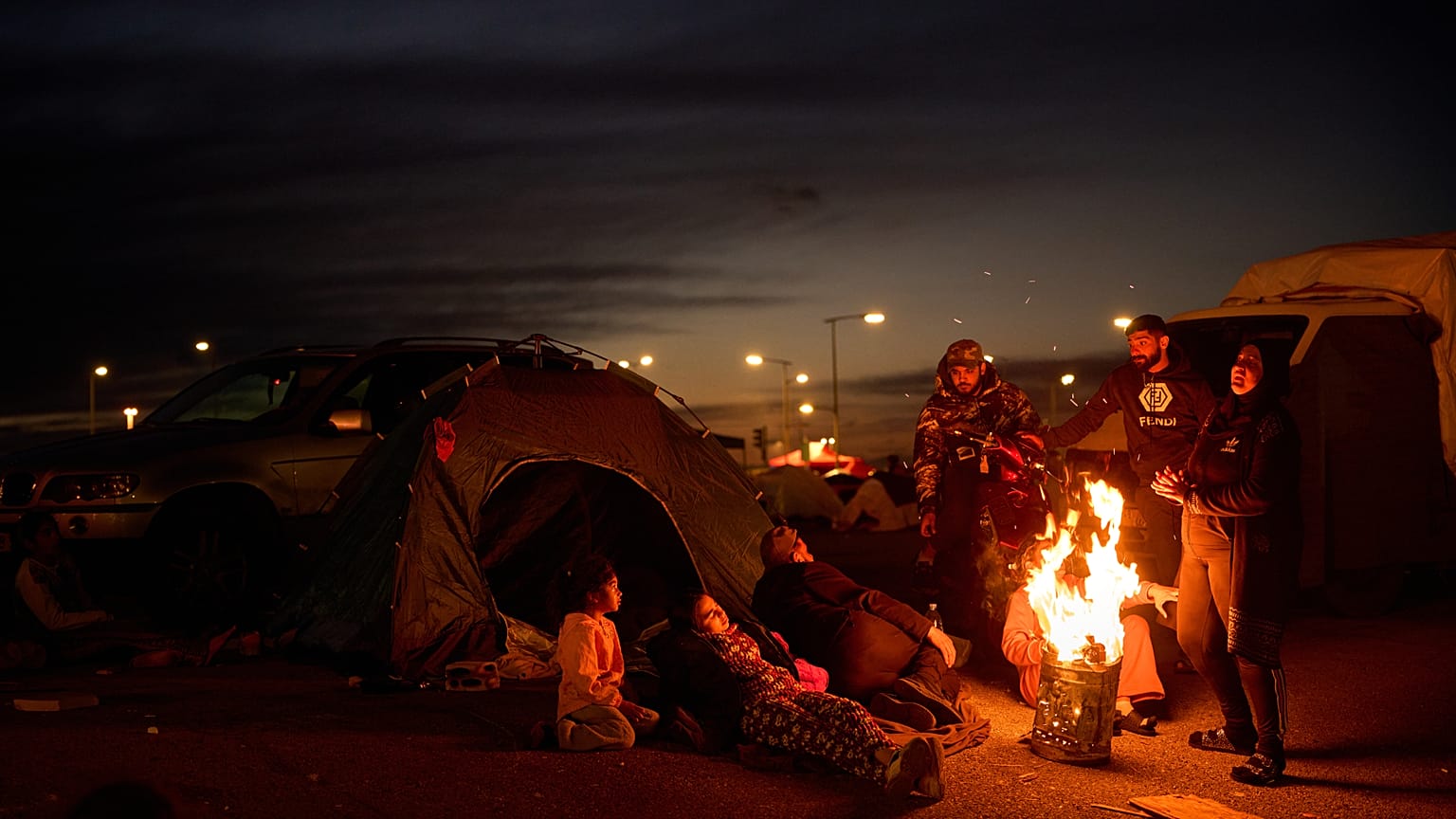













Euronews visited the Lebanese families crowding Beirut’s waterfront in makeshift tents, lacking water, sanitation and state aid as renewed Israel-Hezbollah fighting displaced hundreds of thousands over the past weeks.
Thousands of displaced Lebanese live in makeshift tents along Beirut's Bial waterfront, sleeping on pavements without adequate water, sanitation or certainty of return after fleeing Israeli strikes.
 ADVERTISEMENT
ADVERTISEMENT
ADVERTISEMENT
Families were forced to leave their homes as the fighting between Hezbollah militants and Israel intensified, and air strikes hit border villages, towns in southern Lebanon, Beirut's southern suburbs, and areas in northern and eastern Lebanon.
Euronews visited the waterfront encampment where tents of different colours and sizes are secured with stones, ropes and simple tools.
Families are crammed into spaces without enough room to sleep. Clothes hang on ropes stretched between metal poles. Small corners serve as makeshift kitchens where fires are lit.
Some families refused to appear on camera, expressing deep anxiety about the future. The scale of destruction caused by Israeli strikes makes the idea of return unclear, they said.
"Even if the war stops, where would we go back to?" one displaced person told Euronews.
'The state exists, but it's absent'
Mohammed Daghman, displaced from Nabatiyeh, said officials are aware of the crisis but remain inactive.
"Officials hear, see and know, but they close their ears so they don't hear, put a black curtain in front of their eyes, and remain silent," Daghman told Euronews.
"I wish as a citizen that they would take a simple look at the reality, to see the magnitude of the suffering. There is a state. But it's absent. It is strong only on the weak and the poor," he said.
Most support has come from individual initiatives or community campaigns rather than official sources, displaced people said.
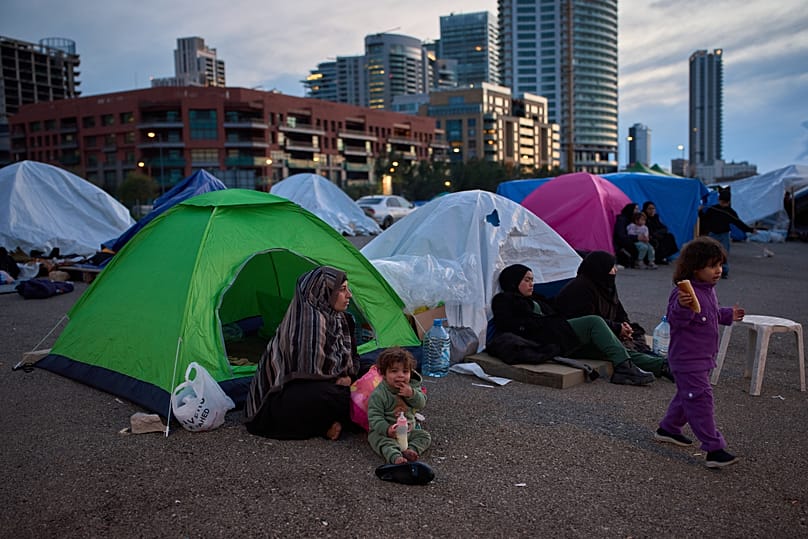
Mahdi Omar, displaced from Beirut's southern suburbs, said families left in panic when shelling started.
"No one was able to prepare their belongings or take them with them. There was a state of panic as soon as the shelling started on the southern suburbs, so we left in a hurry," Omar said.
"We need foodstuffs, cleaning materials and sanitation facilities. If the situation continues like this, cases of scabies may start to appear, and lice may spread among the children," he said.
The lack of clean water, inadequate sanitation and constant humidity pose health challenges.
Grassroots support
Mustafa Atoui, displaced from the southern town of Siddiqin, said people are supporting each other regardless of sectarian affiliations.
"The tasks that should have been carried out by the state are now being carried out by the people themselves, as everyone stands by each other regardless of their sectarian affiliations," Atoui said.
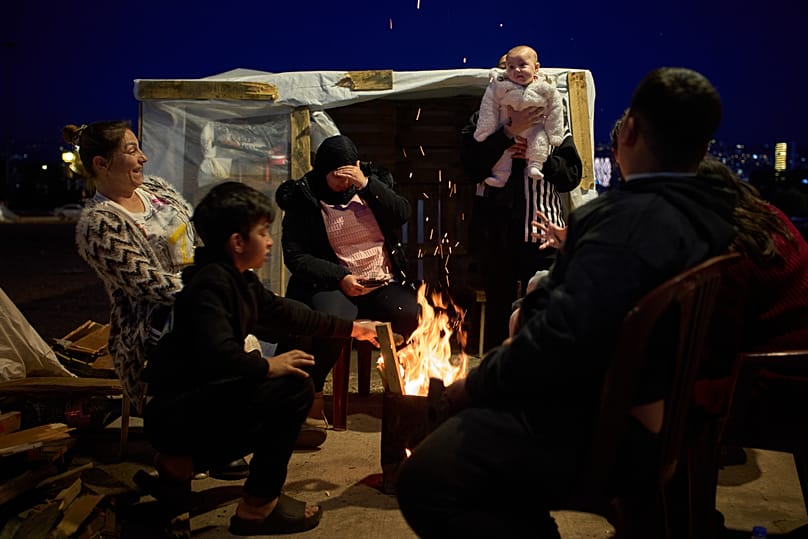
Many people were unable to take their belongings during displacement, and shelters are full because most people from the south and the Bekaa Valley were forced to flee, he said.
The bulk of aid reaching the displaced comes from individual initiatives or small local associations. Official support remains limited compared to the scale of the crisis.
Damaged homes, partially or completely destroyed villages and devastated infrastructure complicate the idea of return even if fighting stops.
Families no longer ask when the war will end but when it will be possible to return at all.
Priorities have shifted from waiting for the bombing to stop to looking for education for children, temporary jobs and ways to survive one more day.
According to the UN's International Organisation for Migration (IOM) agency, the latest Israeli intervention against Hezbollah resulted in the displacement of some 1 million Lebanese citizens.