















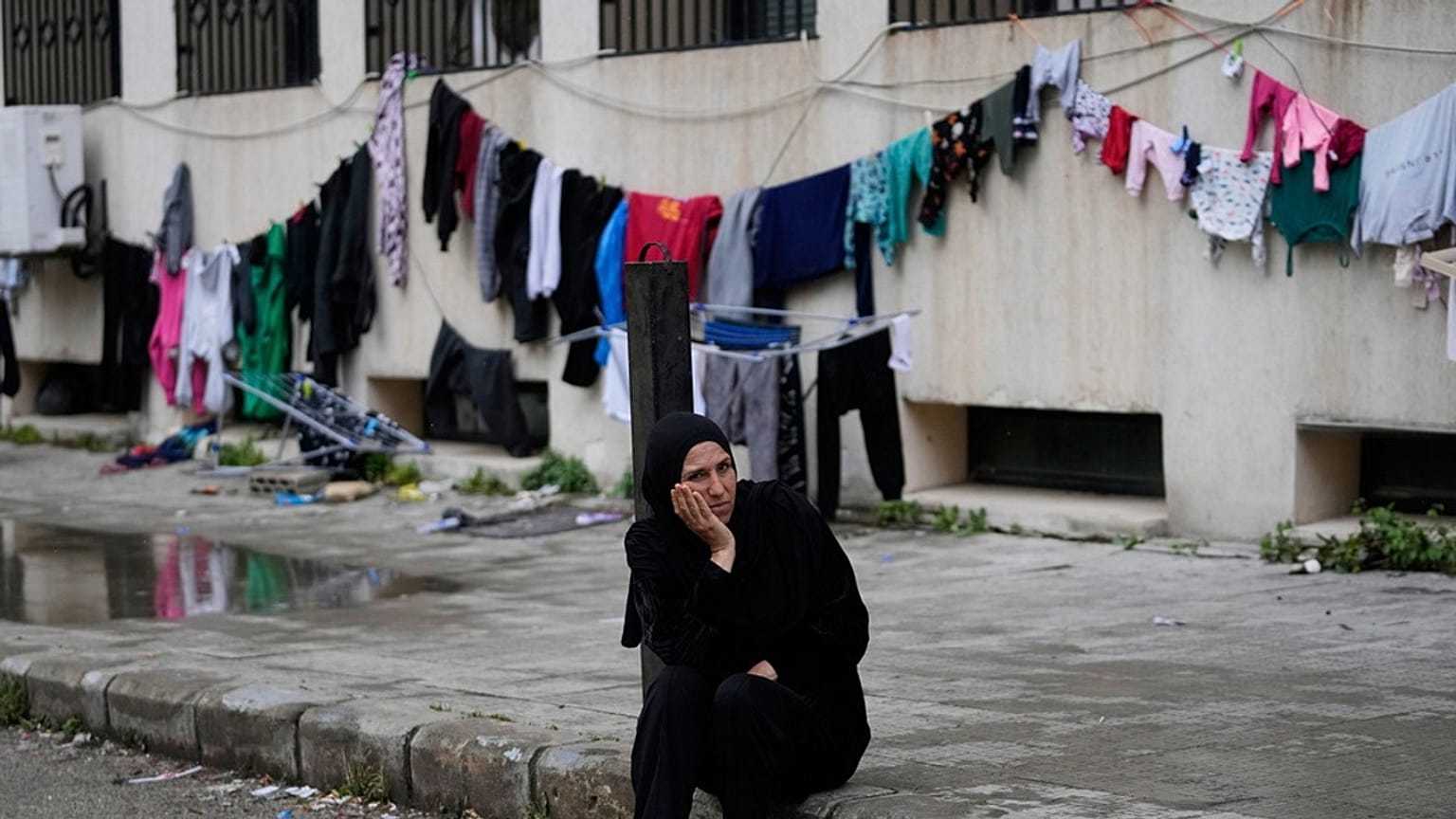














As the war between Israel and the pro-Iranian Hezbollah continues, displaced Lebanese told Euronews they marked the Islamic holiday of Eid al-Fitr in overcrowded Beirut shelters, lacking food, water and medical care, as families remain scattered and homes destroyed in a widening humanitarian crisis.
Displaced Lebanese caught in the war between Israel and Hezbollah militias marked what should have been the typically joyous holiday of Eid al-Fitr in overcrowded shelters with inadequate food, water and medical care, as families remained separated months after fleeing Israeli strikes.
 ADVERTISEMENT
ADVERTISEMENT
ADVERTISEMENT
More than 134,000 people registered in 644 shelters across Lebanon as of Saturday, according to Lebanese authorities, as the UN's International Organisation for Migration agency (IOM) estimates that over 1 million people have been displaced across the country since the war reignited.
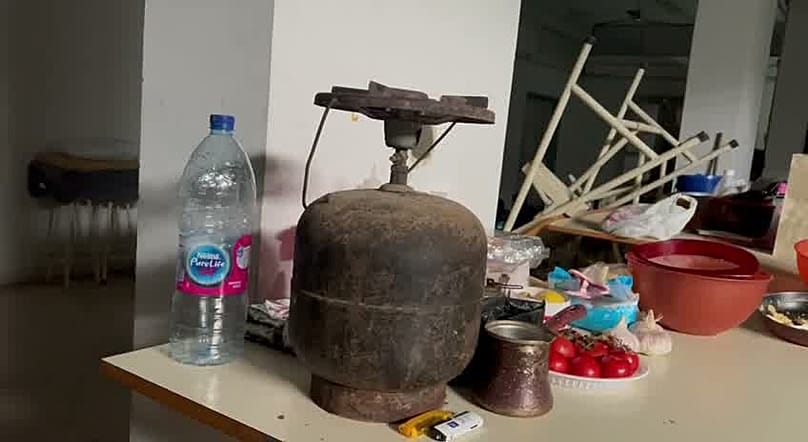
Euronews visited a shelter in Beirut on the first day of Eid, where displaced residents tried to maintain a semblance of tradition offering sweets and coffee despite the overwhelming conditions.
Fatima, displaced from the town of Abba in Nabatiyeh district, said they did not feel the meaning of Eid.
"A lump in the throat" remained due to "the pain of separation and destroyed homes, and longing for the rituals we used to practise on Eid morning," she told Euronews.
Everything in the shelter indicates that the displaced, while appreciating the efforts made, lack basic needs including healthcare, baby milk, nappies, bread and water. "One meal a day is not enough," she said.
Amani Mohammed Zeidan, displaced from Srifa, said Eid arrived "and my family is distributed among several places, while other families have lost relatives during this period."
"There is still hope for a return, but I hope this return will be accompanied by the restoration of dignity," she said.
Overcrowding and lack of basic necessities
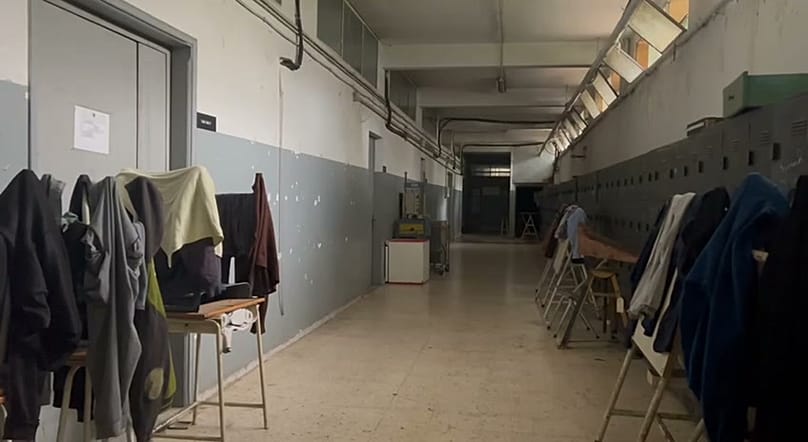
Families share narrow spaces inside the school sheltering them in Beirut. They have received only one food subsidy in 17 days, which is insufficient, she said. Cold and inedible meals are sometimes served.
Families were initially forced to sleep on the floor or in cars before some mattresses arrived. Psychological stress is worsened by constant tension and fear, especially among children and the elderly, in the absence of adequate healthcare.
A displaced person from Beit Leif who requested anonymity said his current plight was reminiscent of previous wars, noting that life has become almost impossible after Lebanese villages and towns have been caught in the constant conflict, even after the ceasefire between Israel and Hezbollah was declared in November 2024.
The simplest daily activities have become risky, the person said.
"Eid is passing while we are far from our homes," the person said, expressing hope of regaining the ability to "live in dignity and peace in our villages after the end of the war."
'Eid passing far from our homes'
Ahmed Hussein Dirani, himself displaced and in charge of one shelter, told Euronews it houses 416 people from 114 families. The main issue is "the severe shortage of water," he said, in addition to high prices of bread and basic items outside the centre.
Food aid "does not arrive as regularly as it used to," he said, and current rations "do not last more than a few days, especially with the presence of children."
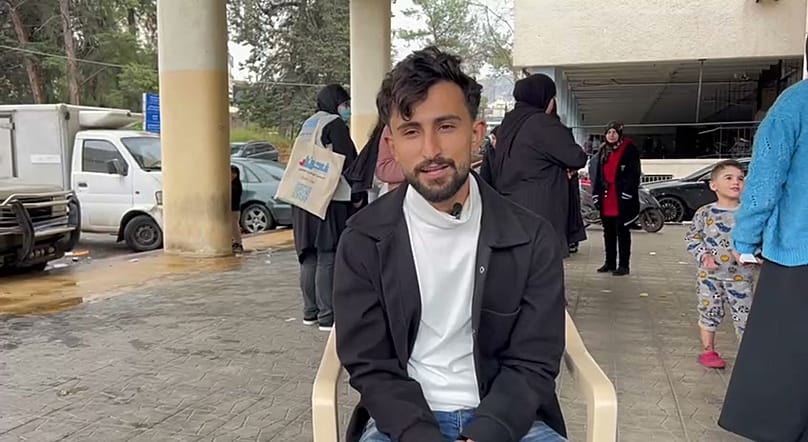
There is a clear imbalance in the distribution of resources, Dirani said. Equal amounts of water are given to families of varying numbers due to a lack of resources, making it difficult to achieve fair distribution.
He criticised some associations as being limited to registering names without providing actual assistance. Some aid has been commercially exploited at the expense of the displaced, he said.
Children face a clear lack of recreational activities and games during Eid, despite some limited initiatives from organisations.
Elderly residents, most of who suffer from health issues, face compounded suffering due to the lack of adequate medical care. Available mattresses are unsuitable for their needs.
The total number of displaced families inside shelters reached 33,949 as of Saturday.