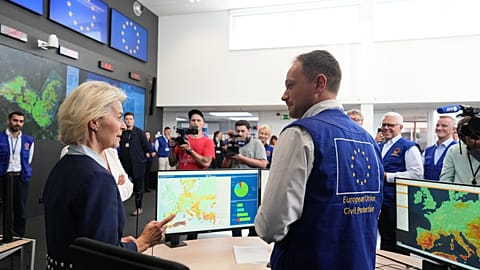





























"Today’s report provides immediate and concrete measures... to shelter consumers from the impacts of this crisis," says IEA Executive Director Fatih Birol.
"The war in the Middle East has created the largest supply disruption in the history of the global oil market," according to the International Energy Agency (IEA).
 ADVERTISEMENT
ADVERTISEMENT
ADVERTISEMENT
Spiralling energy bills are just one part of the picture. Since the onset of the war on Iran, the chaos of volatile gas and oil prices has has led governments to implement fuel-saving measures ranging from school closures in Pakistan to air conditioning limits in Thailand.
Much of the price unpredictability is down to Iran attacking commercial ships in the Strait of Hormuz, a 38km passage that carries around one-fifth of global oil supplies.
The fallout lays bare the vulnerabilities of a world over-reliant on fossil fuel imports – with more self-sufficient nations better able to weather the storm.
Today (20 March), the IEA released 10 recommendations on how to reduce fossil fuel demand. Whether it's working from home or driving slower, many countries are already taking them on board.
Schools closed and working hours cut
Earlier this month, in response to rising fuel prices, Bangladesh closed its universities early, bringing forward the Eid al-Fitr holidays to conserve energy and reduce fuel use from transport and congestion.
Emergency measures in Pakistan went a step further, shutting schools for two weeks and ordering universities to move lessons online.
Fuel allowances for government departments have been slashed by 50 per cent in the country, and public offices have moved to a four-day work week, while half of government employees will move to remote working – one of the IEA's recommendations.
Public working hours have also been slashed by one day in the Philippines in response to rising fuel prices linked to conflict in the Middle East.
Thailand’s instructions for government employees were more granular: take the stairs rather than the elevator, raise air conditioning temperatures to 27°C, and wear short-sleeved shirts instead of suits.
Vietnam, which is heavily reliant on Middle East energy imports, has asked businesses to encourage employees to work from home.
Travel becomes more restrictive and expensive
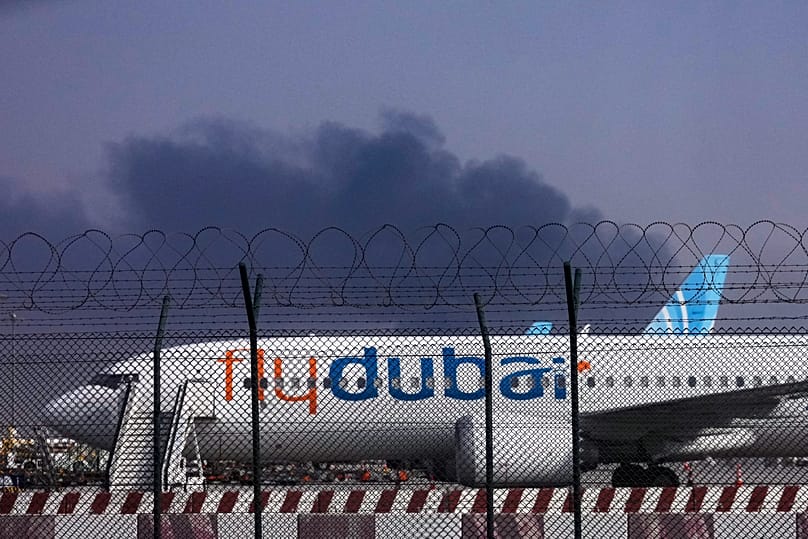
Global travel has been thrown into disarray since the onset of the Iran war. Airfare costs are rising rapidly due to high jet fuel costs, while flight schedules have been heavily reduced due to airspace closures.
Flights that are still running have to take elongated routes to their destinations to stay out of the line of fire, leading to longer journey times, more fuel use and higher emissions.
Australian carrier Qantas has been forced to reroute its Perth to London flight, now requiring a refuelling stop in Singapore, which adds three hours to the journey time.
Ticket price hikes are expected to continue into the summer, even if the conflict deescalates. The IEA recommends avoiding air travel where alternative options exist.
Around the world, rising petrol and diesel prices have led to panic buying at the pumps with governments urging calm. In Australia, dozens of service stations – and even some entire towns – have reportedly run dry, leading some commercial fuel suppliers to introduce caps per customer.
With fears of shortages rising, Australia has relaxed its fuel quality standards, allowing the return of so-called ‘dirty’ high-sulphur fuel, which is linked to heavy air pollution.
In the UK, drivers have been urged to avoid unnecessary journeys. Drivers “can consider cutting out some non-essential journeys and changing their driving style to conserve fuel,” suggested Edmund King, president of the AA, the country’s largest motoring organisation.
The IEA has urged countries to encourage public transport use, car sharing and efficient driving methods, and to reduce highway speed limits by at least 10 km/h to save fuel.
It has also suggested using number-plate rotation schemes to alternate private car access to roads in large cities on different days, as a congestion and fuel reduction method. Such schemes have previously been used in popular European holiday destinations to control overtourism.
Food security at risk
In a stark reflection of the ties between fossil fuels and food systems, Egypt has capped bread prices as fears of inflation loom. High fuel prices are expected to trickle down into production and transport costs, impacting farmers and consumers alike.
Bread is a dietary staple in Egypt, the world’s largest importer of wheat. The price of the grain has recently risen by around eight times – from about 2,000 Egyptian pounds (€33) per tonne to 16,000 pounds (€266) – an anonymous grain industry source told news agency Reuters. They further warned that price caps could lead to declines in quality.
Widely used around the world, nitrogen-based fertiliser relies heavily on natural gas as both a raw material and an energy source, further exposing food production to fossil fuel shocks.
The EU has attempted to reduce its dependency on nitrogen-based fertiliser imports from Russia by introducing restrictive tariffs but these won’t shield it from surging gas prices.
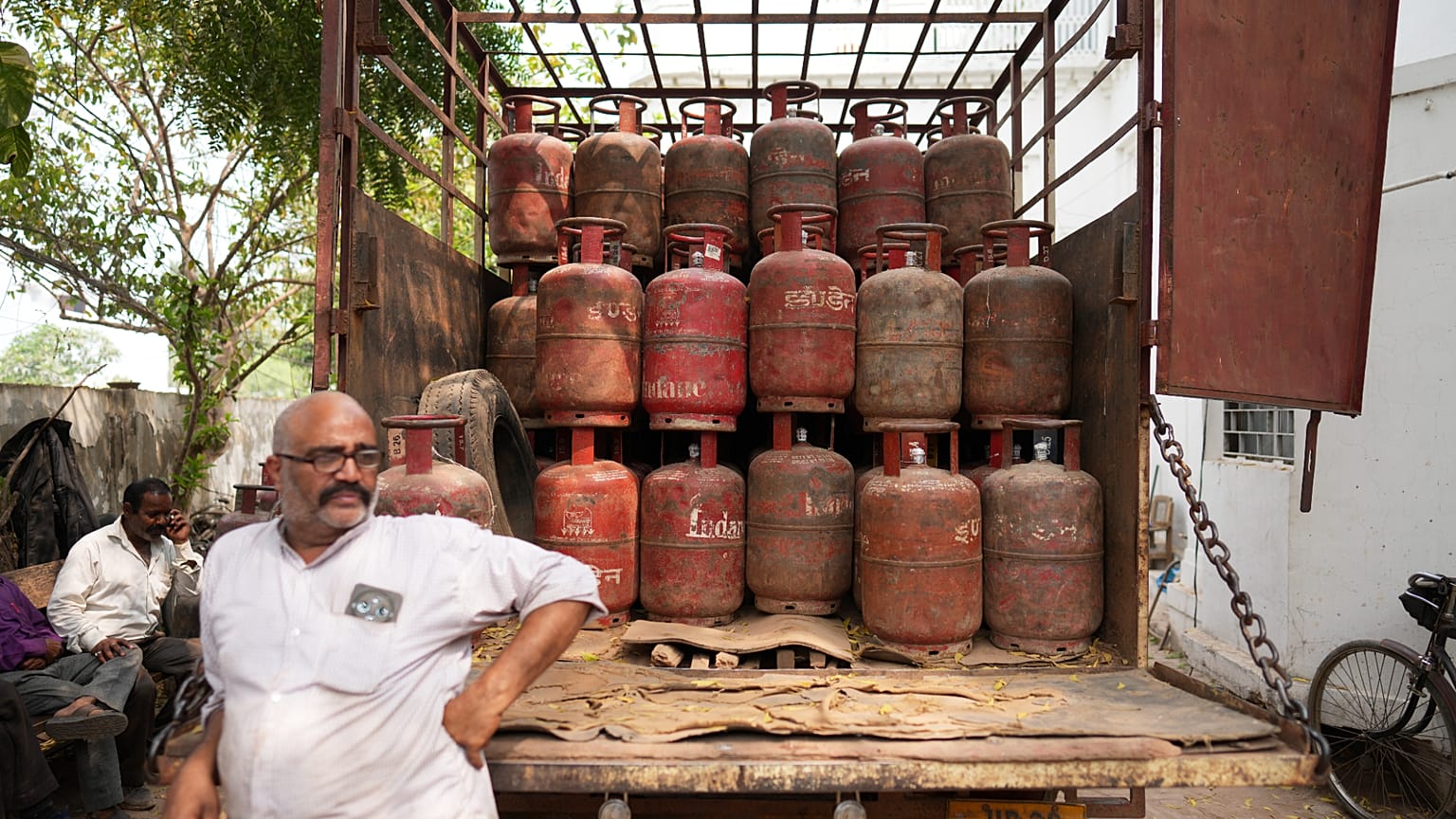
In some countries, the impact on food systems is more direct: restaurants in India have been forced to adapt their menus or temporarily close due to a shortage of cooking gas.
The IEA has suggested diverting LPG use from transport to preserve it for cooking and other essential needs. It also recommends encouraging electric cooking and other modern options to reduce reliance on LPG.
“Fossil fuel dependency means economies, household budgets, and business bottom lines at the mercy of geopolitical shocks and price volatility in a chaotic world,” said UNFCCC Executive Secretary Simon Stiell, at the EU Green Growth Summit on 16 March.
“Meek dependence on fossil fuel imports will leave Europe forever lurching from crisis to crisis, with households and industries literally paying the price,” he continues. “All as climate disasters wreak growing havoc the world over – pushing costs up and economic growth down, taking a massive human toll.”
Taxpayer-funded fossil fuel subsidies only deepen this exposure.
“Climate cooperation is a cure for the chaos of this moment,” says Stiell. “Renewables turn the tables.”