



























‘Sunlight doesn’t depend on vulnerable shipping straits,’ says UNFCCC’s Simon Stiell.
“Fossil fuel dependency is ripping away national security and sovereignty, and replacing them with subservience and rising costs,” warns Simon Stiell, United Nations Framework Convention on Climate Change (UNFCCC) Executive Secretary, as the Green Growth Summit in Brussels begins today (16 March).
 ADVERTISEMENT
ADVERTISEMENT
ADVERTISEMENT
Electricity and gas prices have been spiralling since the onset of the war on Iran on 28 February, exposing the vulnerability of nations still reliant on fuel imports from the Middle East. Much of the price volatility is down to Iran attacking commercial ships in the Strait of Hormuz, a 38km passage that carries around one-fifth of global oil supplies.
Despite renewables outpacing fossil fuels for the first time last year, Stiell argues that Europe is more reliant on fossil fuel imports than almost any other major economy.
Some nations, such as Spain, are weathering the impacts better than others thanks to their investment in green energy. Since 2019, Spain has doubled its wind and solar capacity. As a result, its electricity price is much less influenced by the ever-fluctuating cost of gas.
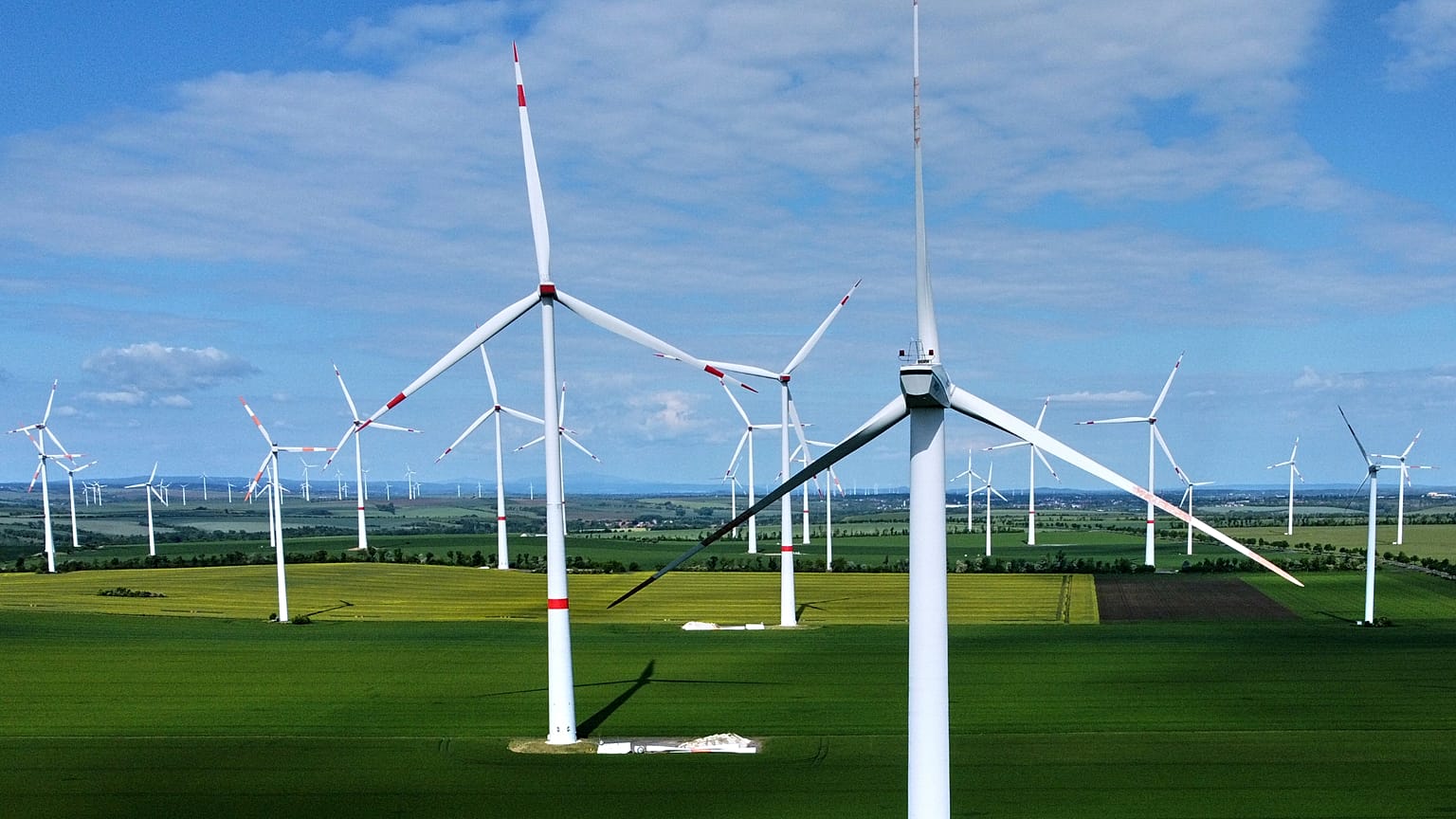
“Renewables turn the tables,” continues Stiell. “They allow countries to insulate themselves from global turmoil… Sunlight doesn’t depend on narrow and vulnerable shipping straits. Wind blows without massive taxpayer-funded naval escorts.”
Today’s summit brings together European climate and environment ministers, businesses, investors and other stakeholders to accelerate the transition to a low-carbon, sustainable economy. EU Energy Ministers are also expected to meet in Brussels later today.
‘Cheaper, safer and faster’ than fossil fuels
Similar calls to double-down on renewables came after Russia’s invasion of Ukraine spiked energy prices in 2022. However, several European nations rushed to secure new fossil fuel supplies, reopening coal plants and signing long-term LNG deals with the US and Gulf states that locked in fossil fuel dependence for years to come.
At the time, critics warned that Europe was learning the wrong lesson. Now, with a second energy crisis in three years, some fear the same mistakes will be made.
“Some responses to the fossil fuel crisis – incredibly – argue for doubling-down on the cause of the problem and slowing the shift to renewable energy. Even though it is clearly cheaper, safer, and faster to market. This is completely delusional,” says Stiell.
Already, fossil fuel majors have been accused of capitalising on the conflict, as oil prices surged to $100 (around €86.53) a barrel. Before the US-Israel war on Iran, Brent crude – the worldwide benchmark for oil prices – traded in the range of $60-$70 (€52-€60) per barrel.
On 11 March, dozens of countries – including most of Europe – agreed to release 400 million barrels of oil from their emergency reserves to tackle supply shortages and sky-high prices. Despite the record amount, this only equates to around four days’ worth of global supply.
A report released last week by independent advisory body the Climate Change Committee (CCC) underlined the economic benefits of the green transition. It found that
achieving the UK’s net zero target by 2050 would cost less than a single future fossil fuel price shock.
‘What most voters are demanding, climate action delivers’
Price stability in times of conflict is just one benefit of investing in renewables. Transitioning away from planet-heating fossil fuels would slow the acceleration of extreme weather events and boost public health.
“There’s a lot of commentary about populism at the moment. But the reality is, what most voters are demanding, climate action delivers at scale,” argues Stiell.
“Renewables and resilience keep bills down and create far more jobs. Cutting out fossil fuel pollution cleans our air, improving health and quality of life.”
Last summer alone, climate extremes cost Europe at least €43 billion in economic losses.
Meanwhile, meeting the EU’s 2040 emissions reduction target is projected to boost the economy by two per cent – despite criticism over carbon credit ‘loopholes’ that experts say weaken its climate leadership.
“Meek dependence on fossil fuel imports will leave Europe forever lurching from crisis to crisis, with households and industries literally paying the price,” says Stiell.