




























Gulf oil money is flowing into African renewables – and the Iran war is only accelerating the trend.
Investors made wealthy by the Middle East's abundant oil and gas increasingly are turning to Africa’s clean energy sector. They are attracted by rising electricity demand, rapid urbanisation and the continent’s growing role in global supply chains tied to critical minerals and manufacturing.
 ADVERTISEMENT
ADVERTISEMENT
ADVERTISEMENT
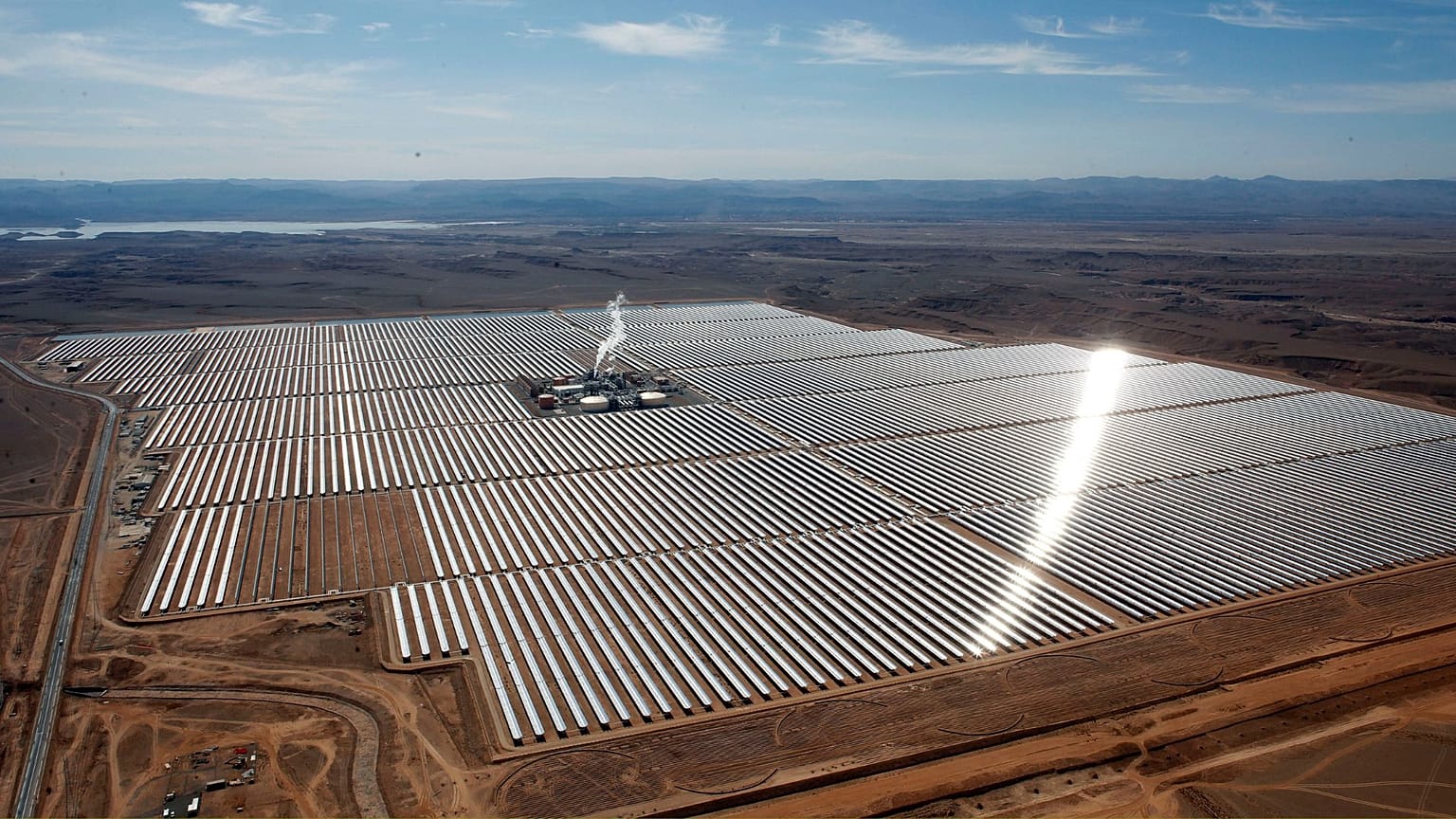
A report released last month by the Clean Air Task Force found that more than $101.9 billion (€88.8bn) had flowed into Africa’s renewable energy sector from Gulf countries by the end of 2024, led by the United Arab Emirates, Saudi Arabia, Qatar, Kuwait and Bahrain.
Middle Eastern sovereign wealth funds and state-backed companies are unlikely to scale back these renewable energy investments, despite disruptions from the Iran war, analysts say, given the strong long-term economic and strategic reasons driving such funding.
Much of the investment has been concentrated in North Africa, Southern Africa and parts of East Africa, while West Africa has attracted relatively limited funding.
“Africa remains one of the few regions where demand growth is unequivocal,” says Matthew Tilleard, chief executive of CrossBoundary Energy, a Nairobi-based firm that develops and operates renewable energy projects.
“Short-term shocks may delay individual transactions, but the biggest infrastructure opportunities require a long-term view of risk and value.”
Africa faces one of the world’s largest electricity gaps. About 600 million people across the continent still lack access to power and many more face unreliable supplies.
Iran war strengthens case for African renewables
Governments have increasingly turned to private investors to help finance solar, wind and hybrid power projects to expand generation capacity without overstretching public finances. That gap has created opportunities for Gulf investors looking to diversify beyond oil and gas.
“Ultimately, Gulf investments in Africa tend to be driven by pragmatic national interests and strategic returns,” says Louw Nelson, a political analyst at Oxford Economics.
“There is currently a significant amount of energy investment underway across Africa, which are long-term projects that have been years in the making, so we don’t anticipate major disruptions.”
Overseas investments in renewable energy form part of broader strategies among Middle Eastern countries to diversify their economies and adapt to a global shift toward cleaner energy.
Europe is also vying for influence in Africa's energy sector. As part of the EU's Global Gateway sustainable infrastructure initiative pledged €618 million in October 2025 specifically to scale up renewables in Africa.
Joab Okanda, an energy and development analyst, says the disruptions to oil and gas shipments due to the war with Iran may strengthen the case for renewable energy investment since they show how vulnerable such supply routes can be.
“These companies, many of them state-owned, hold significant capital but also understand that the world is gradually transitioning away from fossil fuels,” Okanda says. “Investing in renewable energy allows them to diversify their portfolios and position themselves for the energy systems of the future.”
Renewables and minerals shape Africa’s energy sector
Africa’s energy sector sits at the centre of several global economic shifts, including the energy transition and the soaring demand for minerals such as cobalt and gold that are used in many high-tech products.
“For investors, renewable power projects can provide strategic access to industries beyond electricity generation,” Tilleard says.
“Power plants built to supply mines, or large industrial operations can position Arab investors close to supply chains for minerals used in batteries and other technologies.”
Okanda says perceived risks, including currency volatility and policy uncertainty especially in West Africa, continue to shape where such investors invest.
“Generating power is only one part of the equation,” Okanda says. “You also need transmission systems and a functioning electricity market where the electricity can actually be sold and paid for.”