


















The wave of protests in Iran, which broke out on 28 December over the collapse of the rial currency and the rising cost of living, saw between 6,000 and as many as 30,000 people feared killed by the Tehran regime.
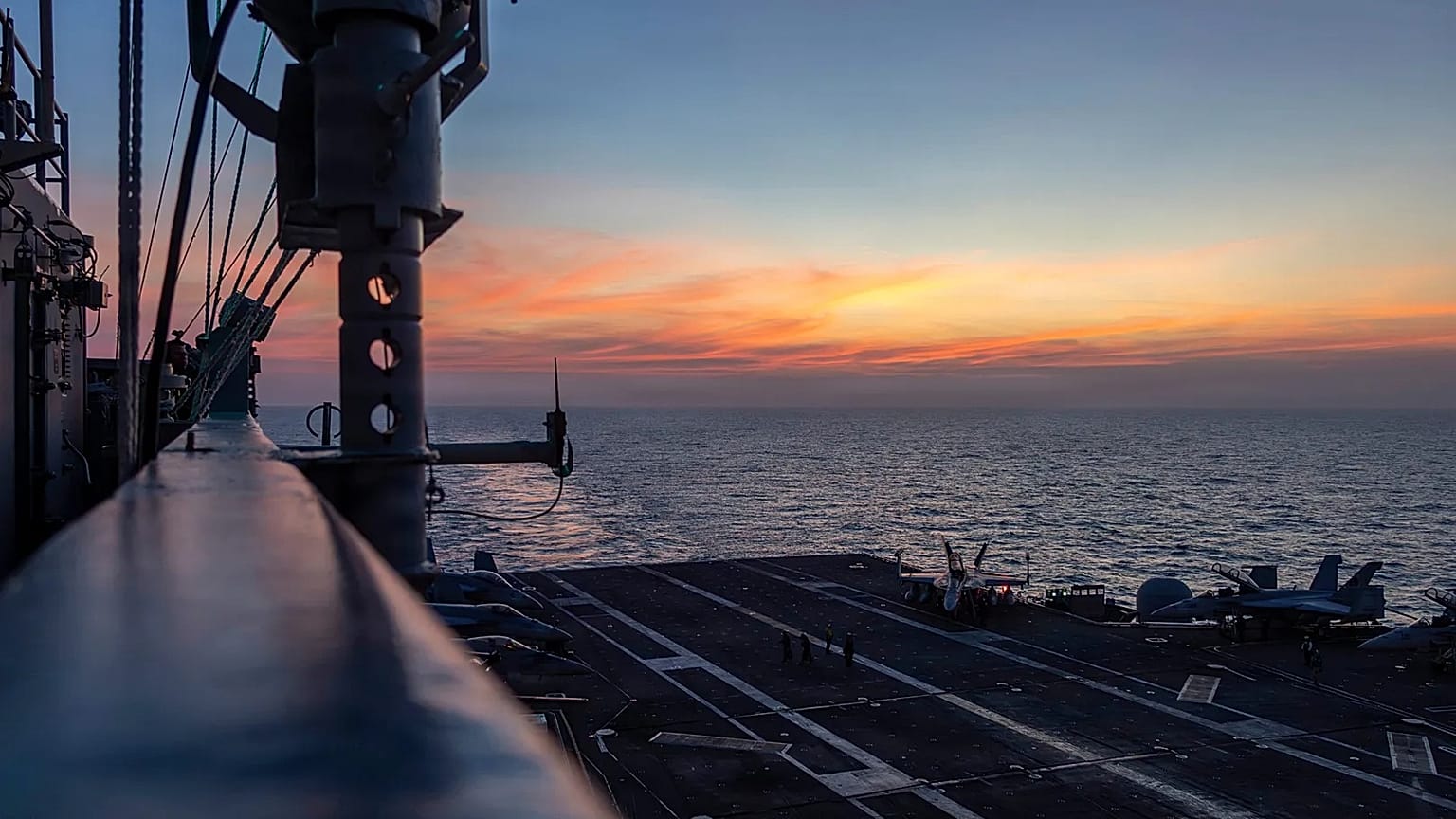
US President Donald Trump said "a massive armada" is heading towards Iran, warning Tehran it should negotiate amid threats of a possible US military strike on the country.
 ADVERTISEMENT
ADVERTISEMENT
ADVERTISEMENT
"It is moving quickly, with great power, enthusiasm and purpose," Trump wrote in a post on his Truth Social platform without giving further details of its mission.
"Hopefully Iran will quickly 'come to the table' and negotiate a fair and equitable deal – no nuclear weapons – one that is good for all parties," he added.
Washington has moved the USS Abraham Lincoln and several guided missile destroyers into the region, which can be used to launch attacks from the sea.
It remains unclear what Trump will decide about using force, though he laid down two red lines — the killing of peaceful demonstrators and the possible mass execution of detainees.
Meanwhile, Iran's mission to the United Nations said it is ready to retaliate against a potential US attack.
"Iran stands ready for dialogue based on mutual respect and interests – but if pushed, it will defend itself and respond like never before," the mission wrote in a post on X.
The wave of protests in Iran, which broke out on 28 December over the collapse of the rial currency and the rising cost of living, saw between 6,000 and as many as 30,000 killed as authorities launched a bloody crackdown on demonstrations, according to non-profits and other sources inside Iran.
On Wednesday, the US-based Human Rights Activists News Agency said at least 6,221 were killed including 5,858 protesters, 214 government-affiliated forces, 100 children and 49 civilians who were not demonstrating. More than 42,300 have been arrested, it added.
The death toll remains impossible to verify, and Iran's state-run media remains the sole source of news for many, as Tehran cut off access to the internet three weeks ago.
Iran's government put the death toll at a far lower 3,117, saying 2,427 were civilians and security forces, and labelled the rest "terrorists".
In the past, Iranian authorities have undercounted or not reported fatalities from unrest. While the protests have been halted for weeks after the crackdown, information slowly trickling out of Iran via Starlink satellite dishes is reaching activists and media trying to tally the casualties.
The death toll exceeds that of any other round of protest or unrest in Iran in decades, and recalls the chaos surrounding the 1979 Islamic Revolution.
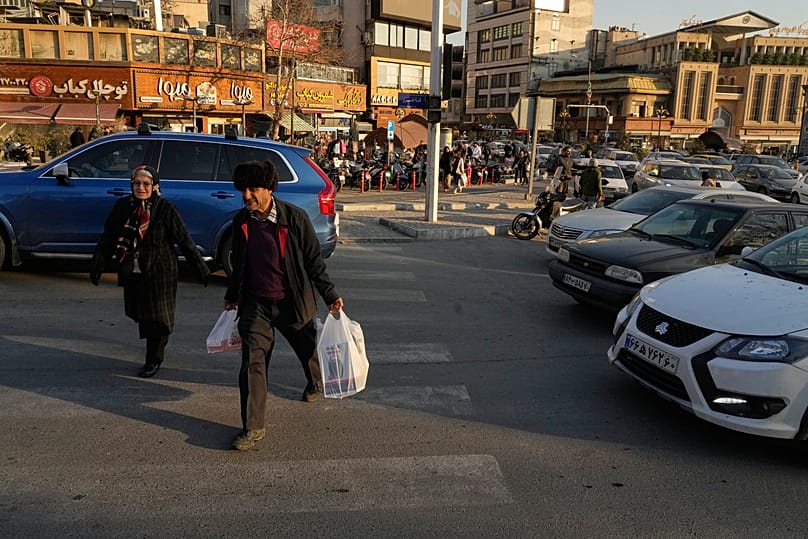
Iranians have become angry and anxious in the weeks since, seeing footage of protesters shot and killed while worrying about what may happen next as the country's economy sinks further.
"I feel that my generation failed to give a better lesson to younger ones," said Mohammad Heidari, a 59-year-old high school teacher in Tehran.
"The result of decades of teaching by my colleagues and me led to death of thousands, and maybe more injured and prisoners."