




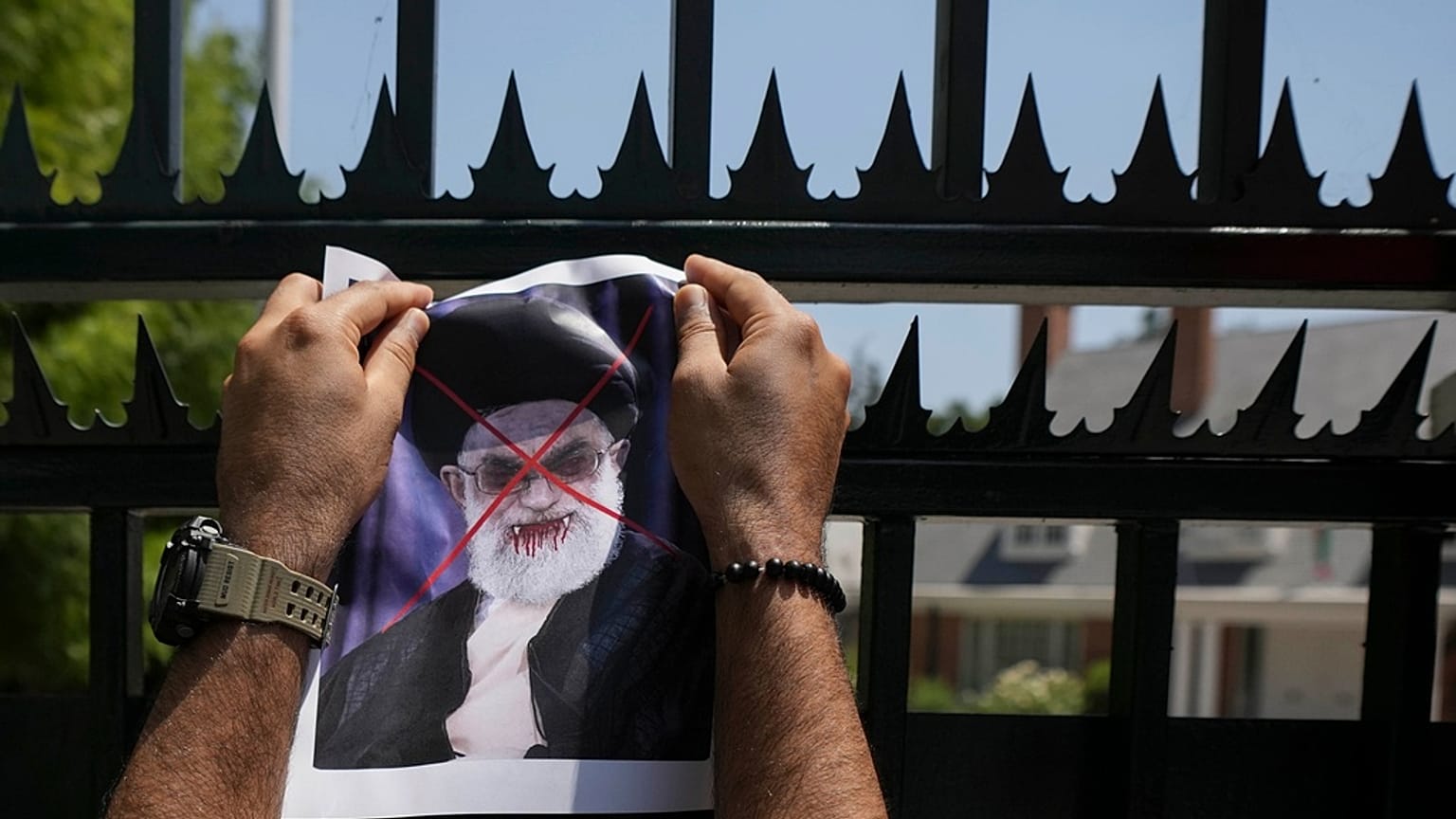














Casualty estimates from Iran's protest crackdown range from 3,100 to over 30,000, with verification hampered by an internet shutdown. Human rights groups report thousands killed, including children.
Casualty estimates from Iran's ongoing protest crackdown range from approximately 3,100 according to state media to more than 30,000 cited by independent sources and medical professionals, with verification hampered by a near-total internet shutdown now in its fourth week.
 ADVERTISEMENT
ADVERTISEMENT
ADVERTISEMENT
The US-based Human Rights Activists News Agency reported Tuesday that at least 6,126 people have been killed, including 5,777 protesters, 214 government-affiliated forces, 86 children and 49 civilians, based on verified reports from its network of activists inside Iran.
Iranian state television reported last week that 3,117 people were killed during the demonstrations, with the Martyrs Foundation stating that 2,427 were civilians and security forces. Authorities have labelled remaining casualties as "terrorists".
However, Time magazine on Sunday cited two senior Iranian health ministry officials saying at least 30,000 people had been killed in street clashes across Iranian cities. The Guardian reported a similar figure of 30,000 deaths on 7 January, citing its sources, and added that a large number of people had disappeared.
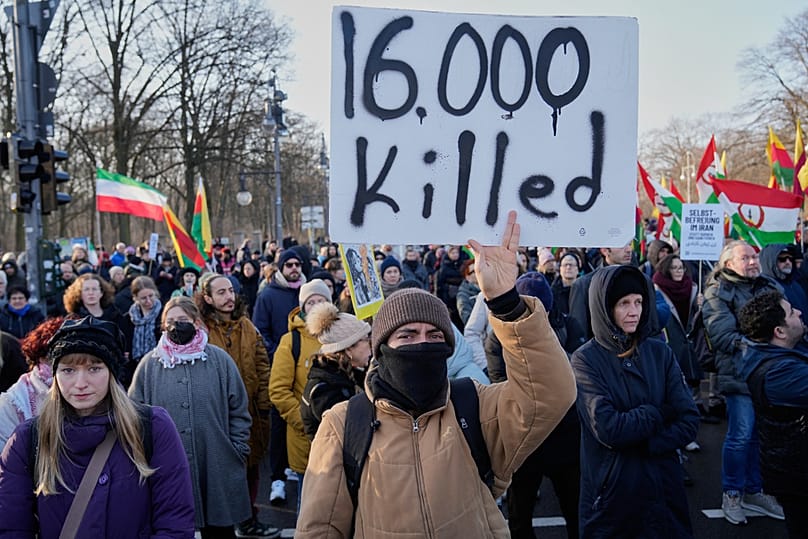
Ayatollah Ali Khamenei acknowledged on 27 December that "several thousand people" had been killed, attributing the deaths to "domestic and international criminals."
He has repeatedly claimed protesters are "rioters and terrorists" affiliated with the United States and Israeli governments, though he has not explained how such large-scale operations were carried out.
Dr Hashim Moazenzadeh, a surgeon in France who maintains regular contact with medical and hospital sources inside Iran, told Euronews Farsi that at least 22,000 deaths have been recorded in forensic facilities based on information from various hospital sources.
Moazenzadeh said evidence showed security forces shot people who were fleeing, with images revealing bullet entry and exit wounds through the back of victims' heads. He said more than 900 bodies were transported to Behesht-e Zahra cemetery in Tehran within 36 hours following the bloodiest days of repression on 18 and 19 January.
Scores in body bags
UN Special Rapporteur on Human Rights for Iran Mai Sato told Le Monde Monday that while official Iranian government figures put the death toll at "a little over 3,000," reports she has received indicate the actual number may reach tens of thousands.
She said internet outages and lack of independent access have prevented accurate assessment of casualties.
Amnesty International and Human Rights Watch documented security forces killing at least 28 protesters and bystanders, including children, in 13 cities across eight provinces between 31 December 2025 and 3 January.
The organisations said Iranian security forces, including the Revolutionary Guard, unlawfully used rifles, shotguns loaded with metal pellets, water cannon, tear gas and beatings against largely peaceful protesters.
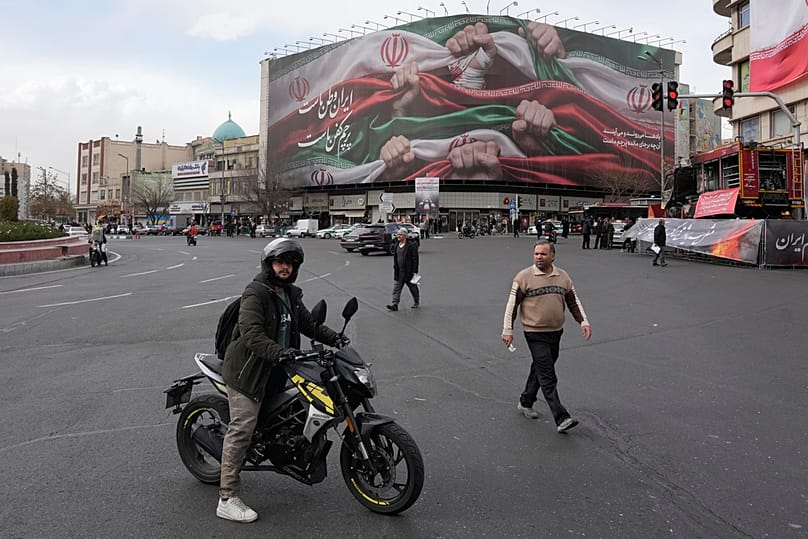
Verified video evidence analysed by Amnesty International from 10 January showed at least 205 body bags at a makeshift morgue in Kahrizak near Tehran, established as overflow for the official morgue.
The organisation documented security forces firing from elevated positions including rooftops and footbridges in multiple cities.
A medical worker from Mashhad told Amnesty International that 150 bodies of young protesters were brought to one hospital on the night of 9 January and taken to Behesht Reza Cemetery.
The source said authorities buried people quickly before identification and then notified families afterwards.
Money for remains of loved ones
Reports indicate families face demands for ransom payments between $5,000 and $7,000 to receive bodies of deceased relatives, according to Sato.
Some families have been required to accept official accounts describing the deceased as aligned with government Basij forces rather than as protesters before bodies are released.
Published images show victims with medical equipment still attached to their bodies, including IV tubes, syringes and bandages, alongside visible gunshot wounds.
Evidence suggests the possibility that some injured individuals who were receiving hospital treatment were subsequently killed.
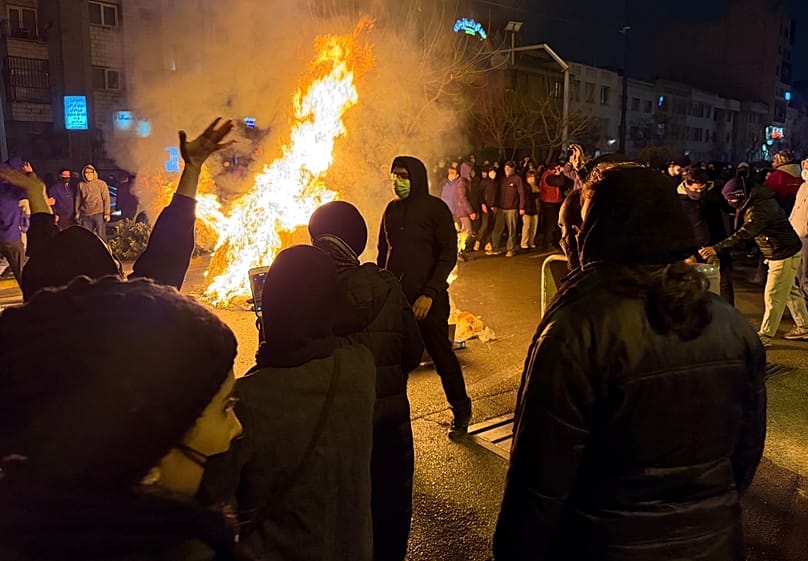
Most casualties have been caused by gunshots or shotgun fire, in an escalation from previous protest crackdowns, where baton use was more common. Many victims were shot from behind while fleeing, according to medical sources.
Dr Qassim Fakhraei, head of Tehran's Farabi Eye Hospital, announced that 1,000 people came to the hospital with eye injuries during December protests alone, suggesting hundreds may have suffered eye trauma from shotgun pellets aimed at faces.
Several doctors and medical staff have been detained in Tehran and other cities for treating injured protesters and refusing to cooperate with security officers, according to Moazenzadeh.
He said medical personnel are among the few reliable witnesses to events and face "systematic elimination."
Economic grievances turned anti-regime demonstrations
Security forces have arrested hundreds of protesters during demonstrations and nightly home raids, with some taken from hospitals. Authorities have subjected many to enforced disappearance and incommunicado detention, human rights organisations reported.
Iran's judiciary head Gholamhossein Mohseni-Ejei said on 14 January that trials and punishments must proceed swiftly.
"If we want to do something, we must do it quickly and on time. If we are able to do something today but do it two or three months later, it will not have the same effect," Mohseni-Ejei stated.
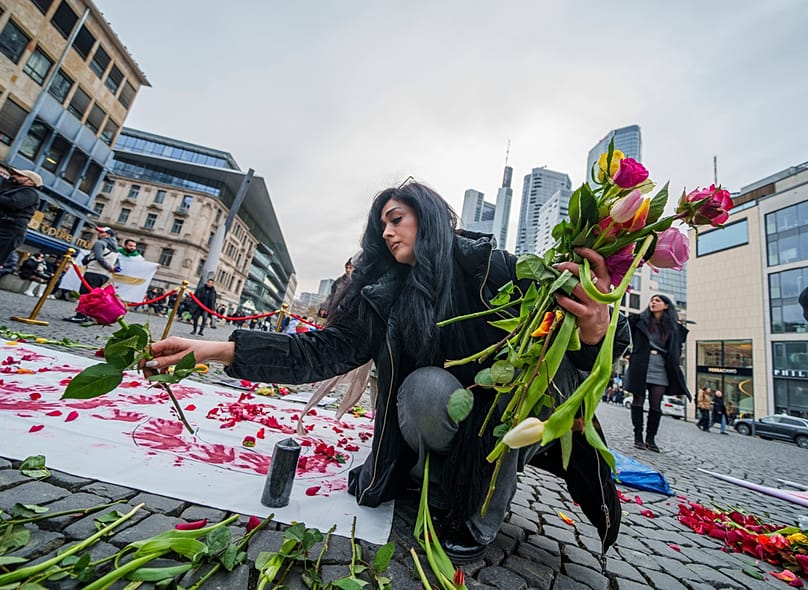
The protests began in late December over economic grievances — a spike in food prices caused by currency depreciation and hyperinflation — then rapidly spread nationwide following a call to demonstrate by Reza Pahlavi, son of Iran's late shah, on 8 January.
Iranian authorities imposed a near-total internet shutdown during the crackdown, restricting communication inside the country and limiting information flow to the outside world.
The blackout has disrupted everyday life, including digital transactions and the functioning of hospitals, pharmacies, banks and government offices.
Available statistics primarily relate to Tehran and several large cities including Mashhad, Karaj, Shiraz and Isfahan, suggesting actual casualty figures across the country may be significantly higher.