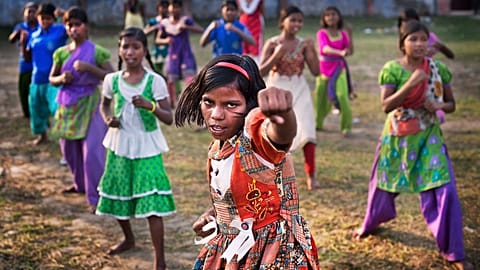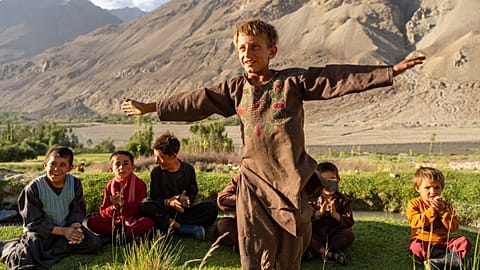















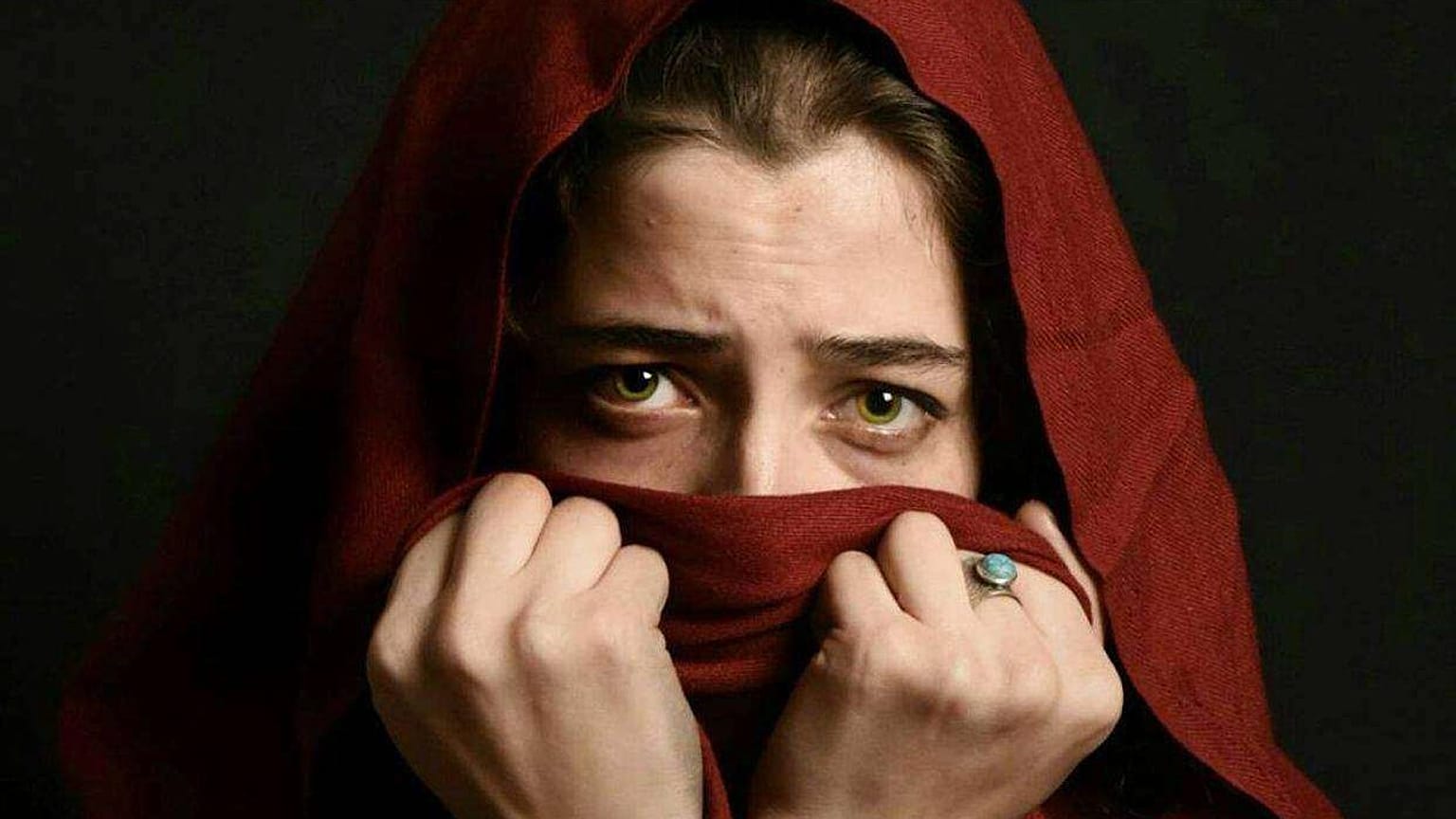













Iranian contemporary artist Ayna Moazzen, lives between Italy, Azerbaijan and Gulf countries and seeks to turn her transnational experience into a form of cultural dialogue and resistance.
Living and working between Italy, Azerbaijan and the Gulf countries, Iranian contemporary artist Ayna Moazzen sees art as both a cultural bridge and a form of resistance amidst the political and social tensions in her country of origin.
 ADVERTISEMENT
ADVERTISEMENT
ADVERTISEMENT
Moazzen, who holds a master's degree in art history, translates her lived experience of movement and memory into visual art. Her art bridges visual traditions from late antiquity to contemporary times.
Although her career is transnational, she says her artistic language remains deeply rooted in Iran. “No matter where I am, Iran is always with me. It shapes my instincts, my symbols and my sensitivity – it’s the emotional language I think in.”
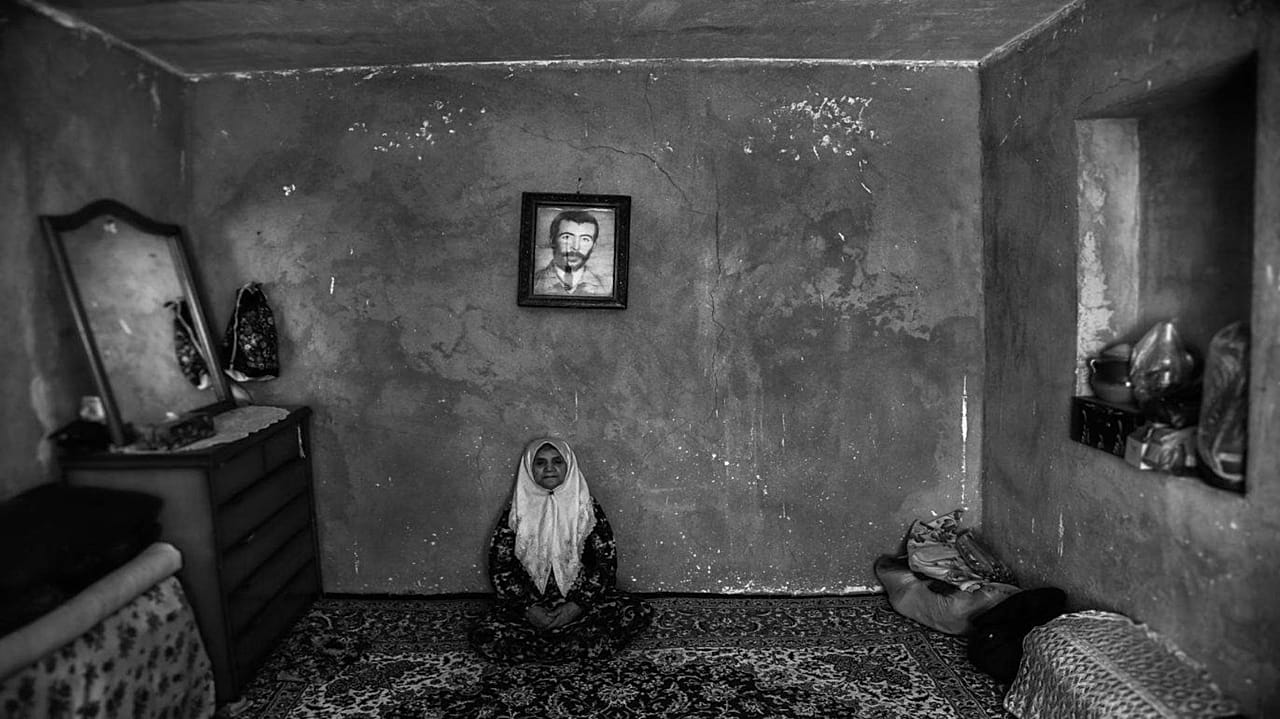
That connection has become tighter as unrest and violence continue in Iran. For Moazzen, art is no longer only a personal or aesthetic pursuit, but a moral necessity. “Art becomes a way to refuse silence,” she says. “What is happening in Iran is a genocide and as an Iranian, I carry that pain every day. My art comes from mourning, rage and responsibility – from the need to testify, to grieve publicly and to stand with those whose lives are being destroyed.”
Moazzen describes her art as a way of expressing grievance as protests escalate. “Creating is not a choice for me right now- it is a form of protest, survival, and belief that my country will be free soon.”
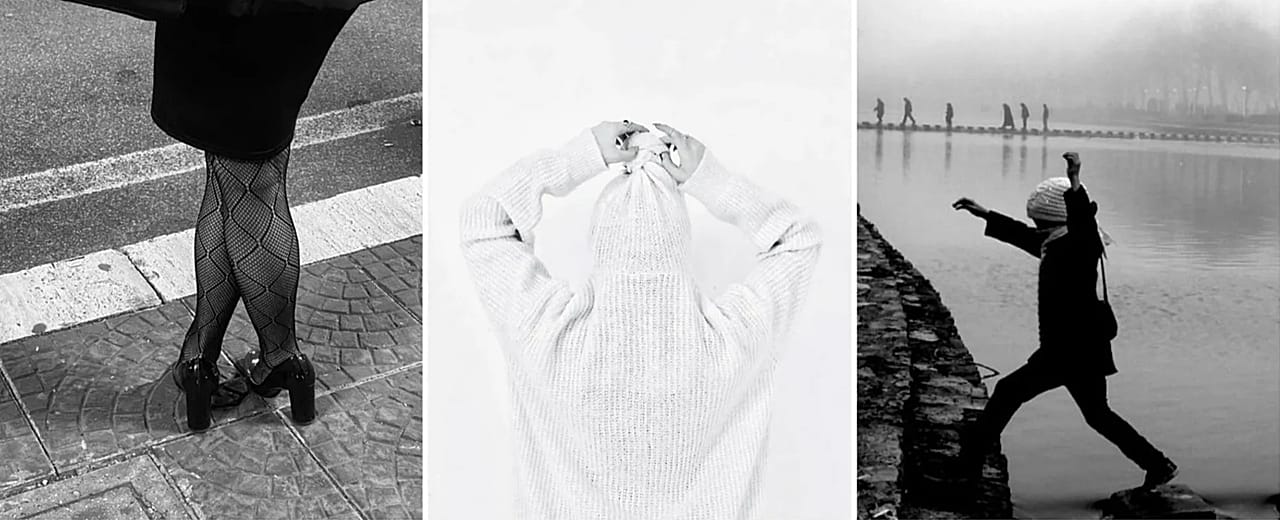
The artist’s practice explores identity, cultural memory and women’s empowerment, shaped by years away from her home country, residing in Europe, Caucasus and the Middle East. “Living between different places keeps me alert,” Moazzen says. “Each country changes how I see, feel and listen, and that constant movement naturally finds its way into my work.”
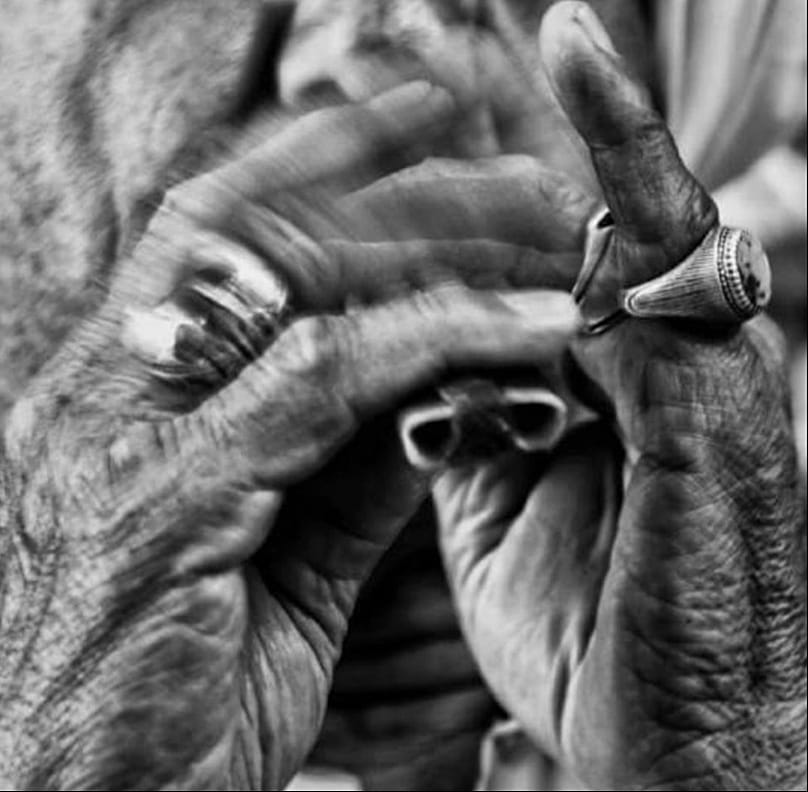
Moazzen belongs to a growing generation of Iranian artists who live between regions and cultures, using art to sustain dialogue at a time when geopolitical instabilities are widening. Her work reflects shared emotional and cultural experiences across borders, particularly the experiences of women and migrants.
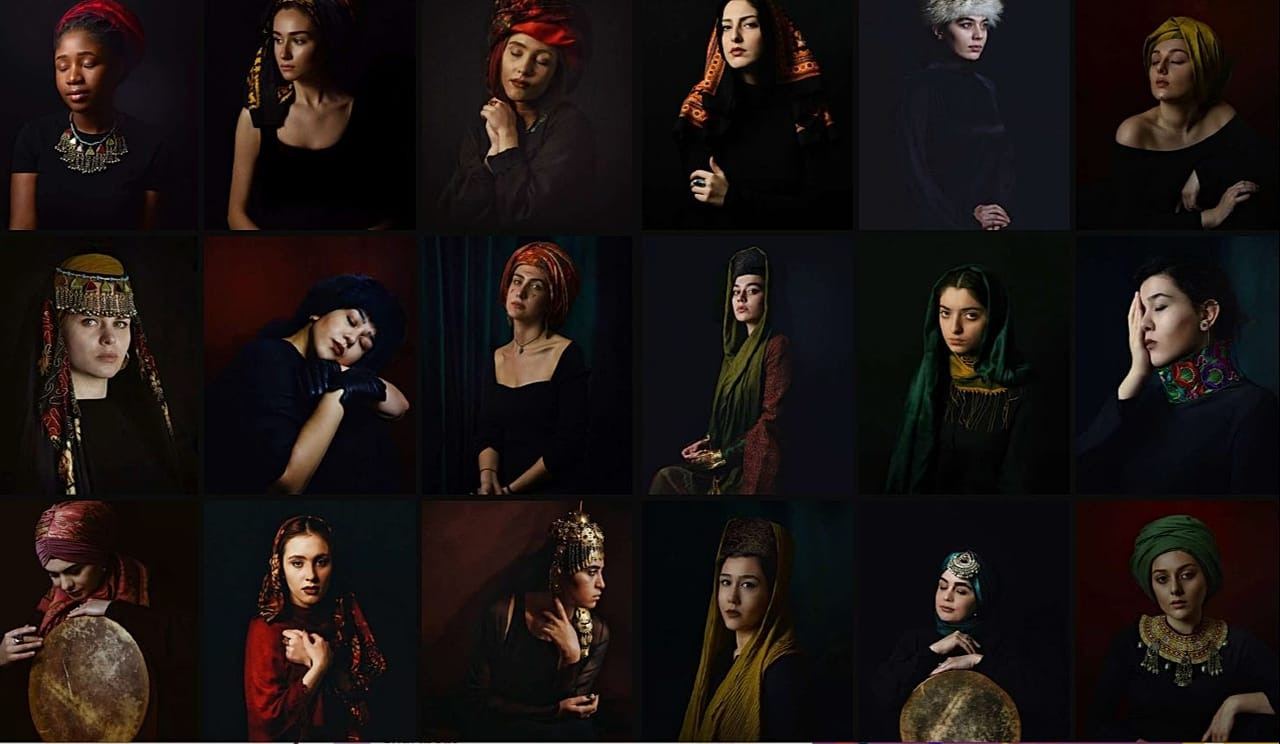
During the periods of unrest, she sees art as a quiet but enduring force. “Art becomes a powerful form of resistance,” she says. “It holds memory, creates empathy, and reminds people that lives are not statistics.”
Her artwork has received international recognition, including first prizes in graphic design and photography at Iran’s National Art and Science contests and has been shortlisted for the UNESCO Silk Roads photo contest in China.
Moazzen says that her aim is simple, but urgent. “I hope they feel closeness. That they understand these stories are real, human, and happening now – not far away, not theoretical.”
“I create a place of loss and love, holding memory as an act of resistance”, she concludes.