




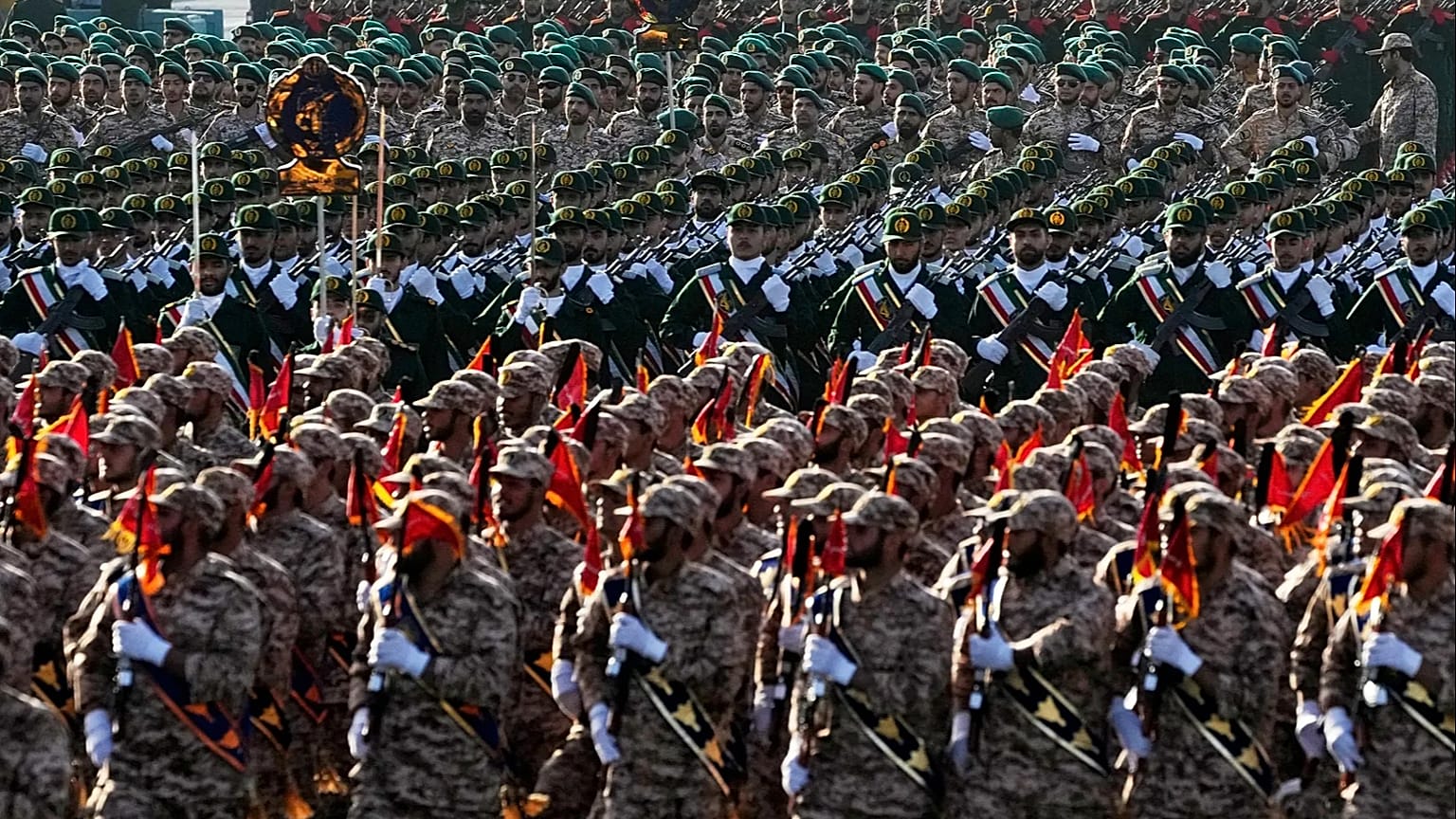













Placing the most powerful branch of Iran’s armed forces on the EU’s terrorist list would put the IRGC alongside groups such as the so-called IS, al-Qaeda, Hamas and the Palestinian Islamic Jihad.
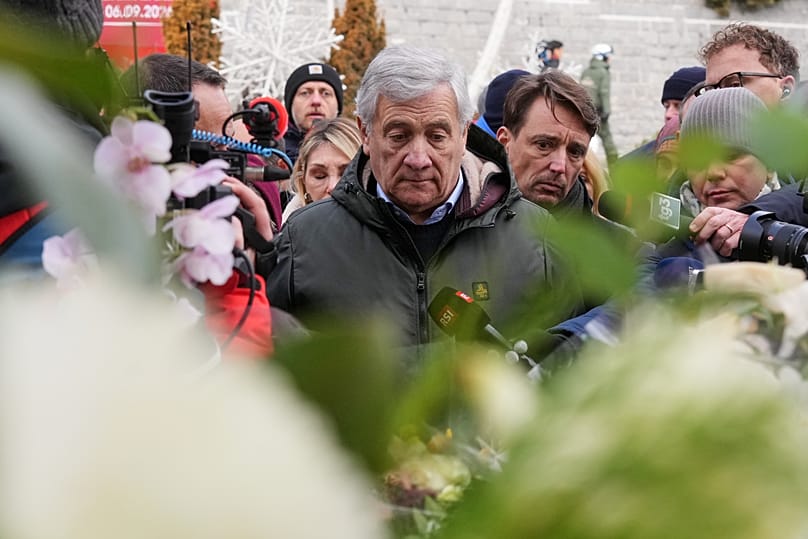
Italy's Foreign Minister Antonio Tajani urged the EU on Monday to proscribe Iran's Islamic Revolutionary Guard Corps (IRGC) as a "terrorist organisation" following Tehran's deadly crackdown on country-wide mass protests over the past weeks.
 ADVERTISEMENT
ADVERTISEMENT
ADVERTISEMENT
Tajani said he would propose the idea "in coordination with other partners" at a meeting of EU foreign ministers in Brussels on Thursday.
"The losses suffered by the civilian population during the protests demand a clear response," he wrote in a post on X, calling for the EU to levy individual sanctions against those responsible.
US-based rights group Human Rights Activists News Agency (HRANA) said on Monday it had confirmed the deaths of nearly 6,000 people during the protests and was investigating another 17,000 possible fatalities.
For the first time last week, Iranian authorities offered their official death toll, which was set much lower at 3,117.
The EU has already sanctioned several hundred Iranian officials over crackdowns on previous protest movements and over Tehran's support for Russia's full-scale invasion of Ukraine.
The bloc has also banned the export of a raft of components to Iran that could be used in the country's drone and missile manufacturing.
Last week, European Commission President Ursula von der Leyen announced plans to ban additional exports of critical drone and missile technologies.
On Friday, an EU official confirmed that the proposal to designate the IRGC a terrorist organisation was on the table for this week's meeting, but said it needs unanimity to be approved and "we are not yet there".
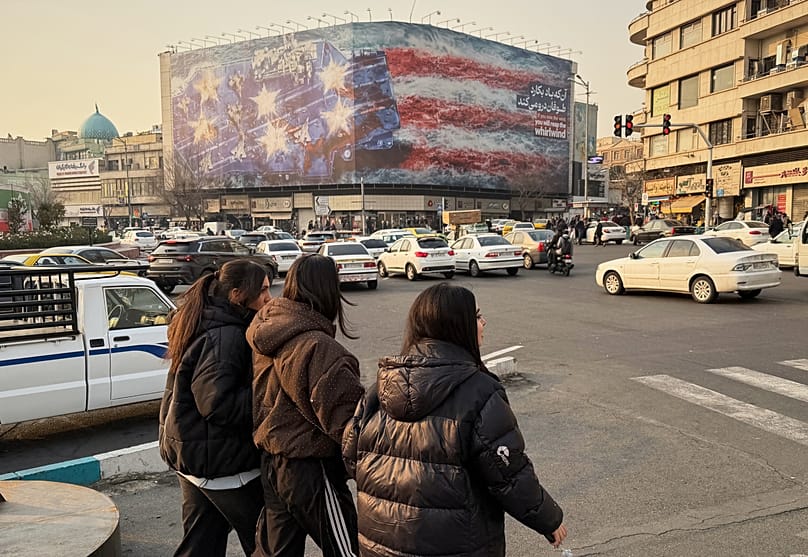
Pressure has been mounting on Brussels to place the IRGC on its terror list in response to the violent crackdown on protests in Iran, which initially started on 28 December after the rial fell to record lows against the US dollar.
Travel bans, asset freezes
Placing the most powerful branch of Iran's armed forces on the EU’s terrorist list would put the IRGC alongside groups such as the so-called IS, al-Qaeda, Hamas and the Palestinian Islamic Jihad.
A terrorist group designation would subject its members to travel bans, asset freezes and “a prohibition on making funds or economic resources available to those listed," according to rules established by the European Council.
According to diplomats in Brussels, countries like Germany and the Baltic states are among the countries pushing to revive discussions on the issue after the extreme violence exerted on protesters following two weeks of demonstrations.
Dutch Foreign Affairs Minister David van Weel was among the first government officials to publicly urge the EU on X to "list the IRGC as a terrorist organisation."
In France, centrist MP Pieyre-Alexandre Anglade issued a similar appeal, arguing that Europe "could not remain silent" while "hundreds of civilians have died and others have been injured by the regime’s brutal soldiers, particularly the Guardians of the Revolution."
The US, Canada and Australia have already designated the IRGC as a foreign terrorist organisation.
Italy, France and Spain are yet to make a decision, according to diplomats familiar with the matter. One diplomat told Euronews that a "meaningful discussion" should be held first, although he did not indicate whether his country would oppose it.