




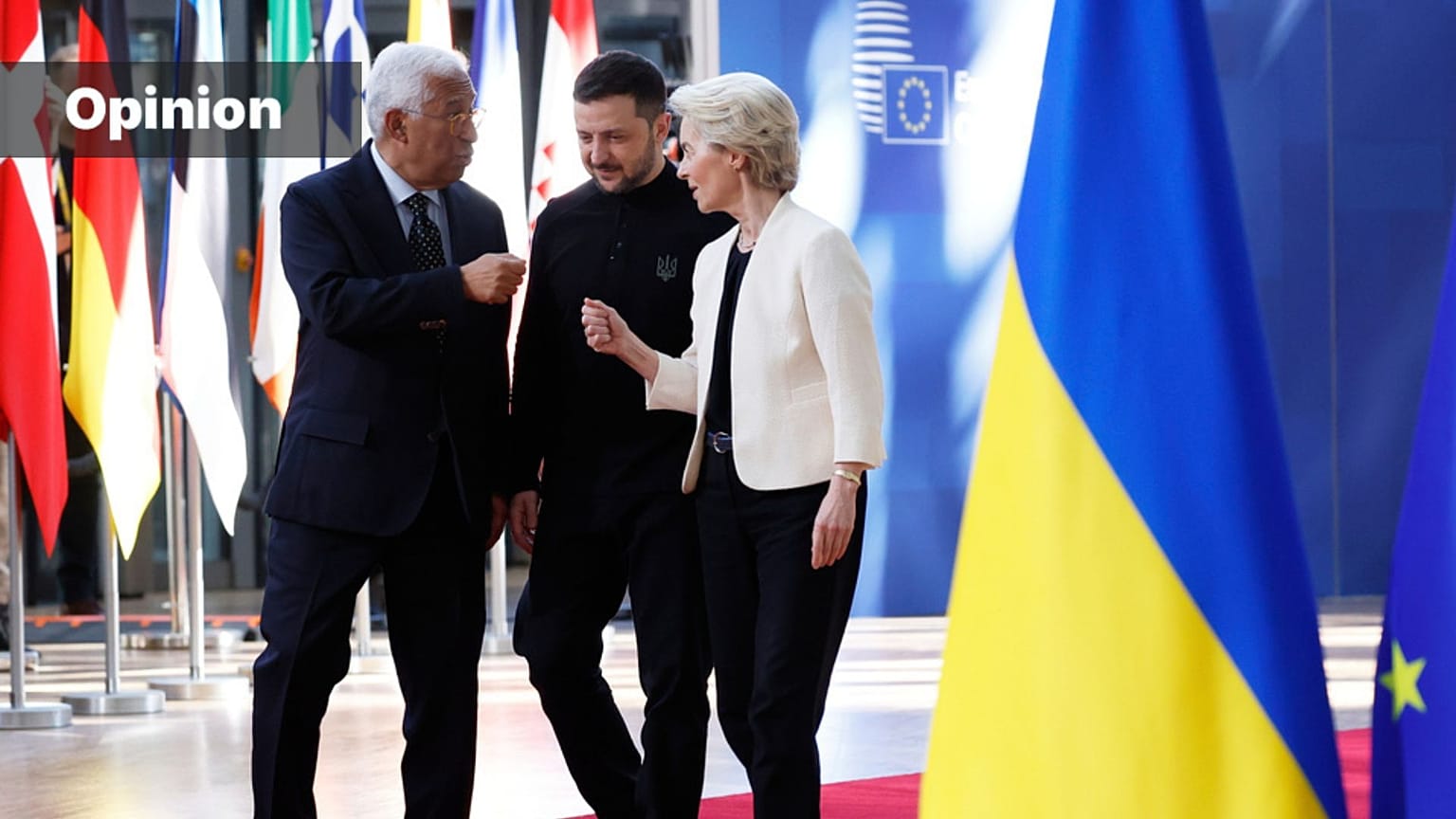













In a world of open power politics, the EU must demonstrate its ability to act - while internal political shifts are jeopardising its foreign-policy and economic capacity to do so.
The European Union came of age in a rules-based world. That world is now eroding.
 ADVERTISEMENT
ADVERTISEMENT
ADVERTISEMENT
The law of the strong is increasingly taking the place of the strength of the law. Revisionist powers are openly challenging international law and carving out geopolitical spheres of influence.
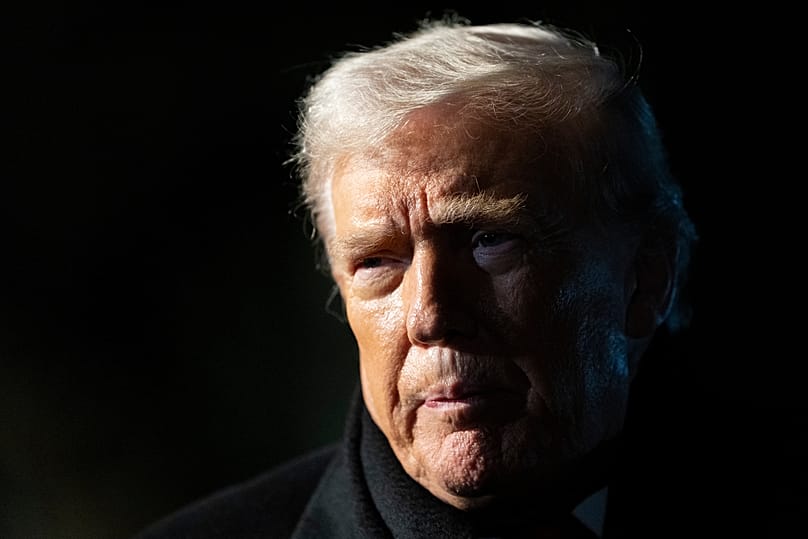
Among them, by now: the Trump administration.
With its new National Security Strategy, Washington is stepping away from its role as a guarantor of multilateral rules and turning "America First" into an operational doctrine of government.
The priorities are border control, the pursuit of regional dominance in the Western Hemisphere and a transactional approach to power that once again treats spheres of influence as a legitimate basis for international order.
What is striking is not only the retreat from democracy support and human rights, but the sharpening ideological edge of this shift. Liberal democracies - especially those in Europe - are increasingly being targeted.
Pressure from outside and within
Pressure is also building from within Europe.
Right-wing authoritarian parties are gaining ground, hollowing out democratic institutions and opposing European integration. Internal and external revisionist forces are mutually reinforcing and amplifying the strain on the system.
So far, the European Union has not come up with a convincing response. That is partly because its room for manoeuvre is narrow, hemmed in by hard political realities and deep-rooted security dependencies.
In a world defined by power politics, defending democracy, the rule of law and human rights requires power of one's own.
The EU therefore needs to expand its capacity to act. Seen in this light, five priority areas for action emerge for 2026.
Strengthening Europe's sovereignty in security and defence
Europe must structure its foreign and security policy in a way that allows it to function even without reliable American backing.
America is not just becoming a less reliable partner; it is changing its role altogether - stepping away from shared stewardship of the international order and towards transactional deal-making, a return to spheres of influence, and a willingness to curb Europe's ability to act.
This shift goes beyond defence.
It cuts to the political and normative foundations of the transatlantic relationship itself. Anyone waiting for a "return to normal" is misjudging the moment. Europe therefore needs to take on more responsibility for its own security: tighter coordination, shared capabilities and credible deterrence.
The point is not to obsess over Donald Trump's demand that defence spending reach five per cent of GDP, but to take a hard-headed view of what Europe actually needs - from air defence and ammunition to industrial capacity and the ability to deploy forces quickly.
Institutionally, a European Security Council could help break deadlock and speed up decision-making.
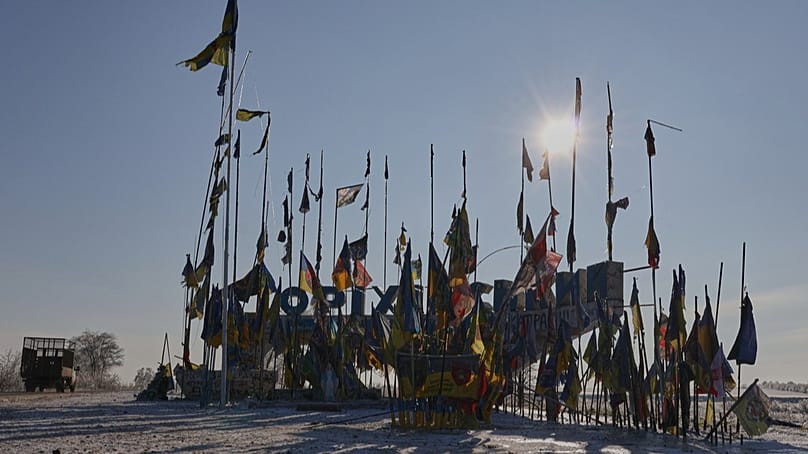
One thing should be beyond doubt: Europe's security will also be decided in Ukraine.
The EU must continue to support Ukraine politically, economically, humanitarianly and materially so that it can defend itself against Russia's war of aggression.
This is an act of solidarity, but it is also a matter of Europe's own self-interest. A peace imposed through violence would not bring stability; it would lower the cost of future aggression.
Deepening global partnerships with democracies
Europe needs more partners if it is not to be squeezed between the United States, Russia and China. With many countries in the Global South, it shares a basic interest: protecting multilateral rules, democracy, human rights and international law against a return to power politics and spheres of influence.
That will take more than generous funding for development cooperation and humanitarian aid. It also means building lasting political partnerships that go beyond trade - and being prepared to invest time and patience.
The priority should be a closer, more practical form of cooperation with democracies in the Global South. That includes countries such as India and South Africa, where trade, security and climate policy need to be treated as part of the same conversation.
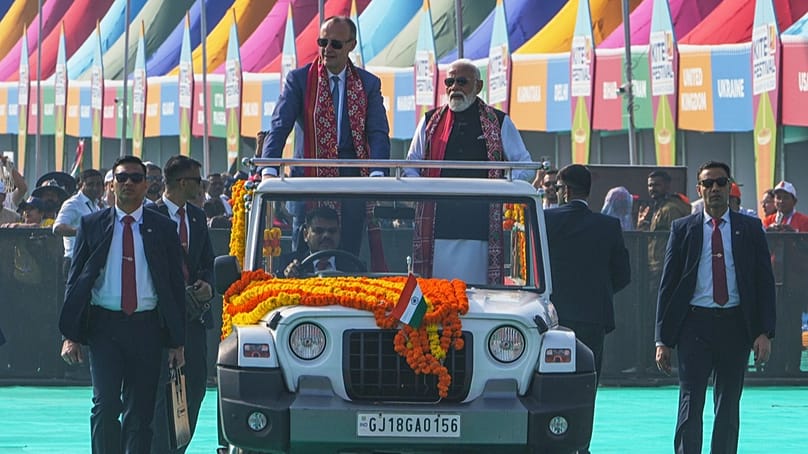
The EU-India summit at the end of January could be an important step in this direction. The aim should not be to pressure countries into taking sides, but to deepen practical cooperation in areas such as climate, energy, critical raw materials, security and digital governance - to the benefit of both sides.
This should also include support for building up value-adding industries and investing in knowledge and technology partnerships, particularly in lower-income countries.
Europe's relations with Latin America and the Caribbean also need more political substance. The Mercosur agreement will require sustained political engagement, not least because significant issues still need to be addressed.
The EU-CELAC summit in 2025 exposed just how thin the political foundations of these relations remain - a situation neither continent can afford to accept any longer.
A more ambitious EU budget to safeguard the capacity to act
Anyone who wants to be taken seriously geopolitically also needs the fiscal means to act. Europe's responsibilities are growing in the realms of security, the energy and agricultural transition, technological sovereignty, climate resilience and democratic stability.
An EU budget of around one per cent of economic output is no longer sufficient.
The next Multiannual Financial Framework therefore needs to become a genuinely strategic debate. Europe needs European funding for European challenges - funding that supports cross-border investment with clear European added value, from grids and storage to clean industry, research and security.
Even the figures currently under discussion should be seen as a minimum, not as an adequate response to the gaps.
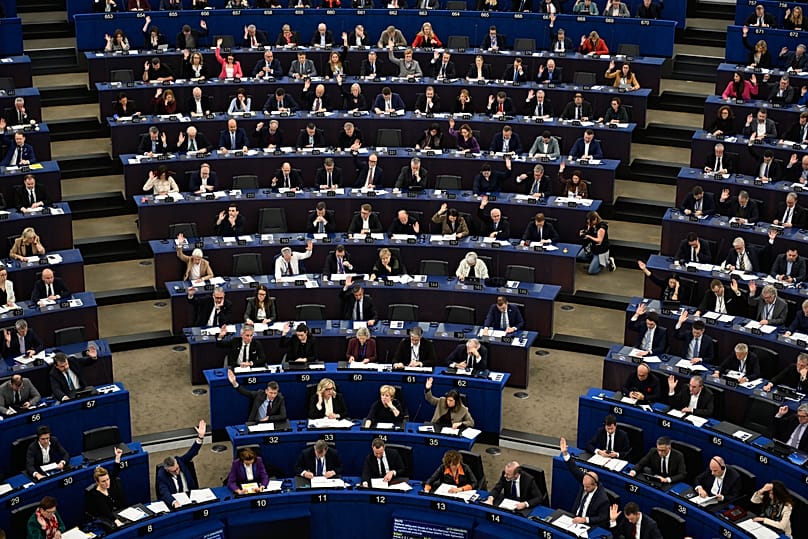
Cuts of the kind being pushed by some member states - including the German government - would be counterproductive, as they would weaken precisely those future-oriented areas that will shape Europe's competitiveness.
To move beyond a zero-sum mindset, Europe also needs new own resources. These are essential if the EU budget is not to remain permanently stuck at the lowest common denominator.
Germany in particular should approach these negotiations in a constructive spirit.
Useful guidance can be found in the MFF dossierpublished by the Heinrich Böll Foundation, which brings together key criteria for a future-proof EU budget.
A green industrial and innovation strategy for growth
The green transition and the European Green Deal must remain Europe's strategic answer to global competition. They are the foundation on which Europe can strengthen its economic and industrial clout.
Without this, Europe risks falling into a mid-tech trap: its companies could be left behind in key future technologies, particularly in the face of a new China shock and the growing fragmentation of global value chains.
Europe therefore needs targeted support for innovation in strategically important sectors, so that research is turned into industrial strength.
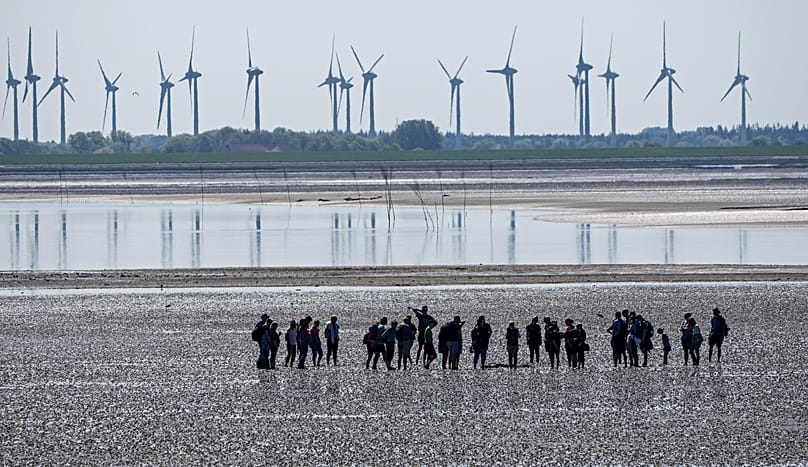
At the same time, critical value chains must be secured - from components for solar and wind power and grid infrastructure to pharmaceuticals and chemicals, semiconductors and security-relevant technologies.
In many cases, public equity stakes can be more effective than subsidies, while also providing strategic direction.
Europe should also strengthen "buy European" incentives wherever public spending is already shaping markets - for example in electric mobility and strategic infrastructure.
Strengthening democracy and social resilience at home
Europe's ability to act depends on its internal stability. Democracies must become more resilient in the face of disinformation, hybrid threats and social polarisation. This requires investment in social resilience: affordable housing, fair food prices, and protection against excessive market power concentrated in the hands of a few corporations.
A society that can be divided against itself loses the capacity to shape its future collectively.
The year 2026 will not be a political lull
Parliamentary elections in Hungary will determine whether the Orbán government's autocratic course can be halted.
In France, local elections in the spring are more than routine contests; they are widely seen as a bellwether ahead of the 2027 presidential election.
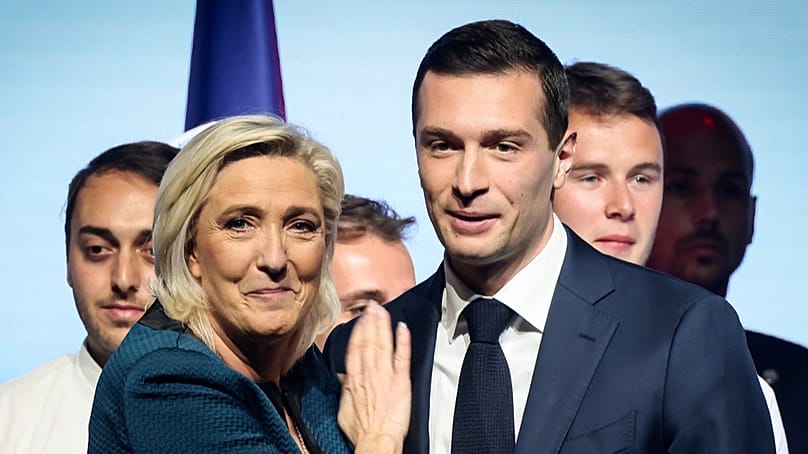
A strong showing by the Rassemblement National, led by Marine le Pen or Jordan Bardella, would significantly boost the prospects of these forces reaching the Élysée - with consequences for the EU budget, security and defence policy, and France's willingness to support European compromise.
Poland, too, will be a key factor, with parliamentary elections scheduled for 2027.
Finally, regional elections in Germany also carry risks for European politics as the AfD continues to gain ground.
Should illiberal forces make further advances, the impact on the EU's internal cohesion - and its ability to act collectively - would be severe.
Dr Imme Scholz has been a member of the Executive Board of the Heinrich Böll Foundation since April 2022. Prior to that, from 2009 to 2022, she served as Deputy Director of the German Development Institute (DIE).
Jan Philipp Albrecht has been a member of the Executive Board of the Heinrich Böll Foundation since June 2022. Before that, he served for four years as Minister for the Energy Transition, Agriculture, Environment, Nature Conservation and Digitalisation.