













People who follow vegetarian diets have a lower risk of several common cancers, according to the largest study to date on non-meat diets and cancer.
Vegetarian diets are associated with a lower risk of cancer, according to a new study.
 ADVERTISEMENT
ADVERTISEMENT
ADVERTISEMENT
People following a non-meat diet have a reduced risk of breast, prostate, kidney, and pancreatic cancer, the study, published in the British Journal of Cancer has found.
Researchers from Oxford Population Health’s Cancer Epidemiology Unit, funded by the World Cancer Research Fund, analysed data from 1.8 million people across three continents in what is the largest study to date on non-meat diets and cancer risk.
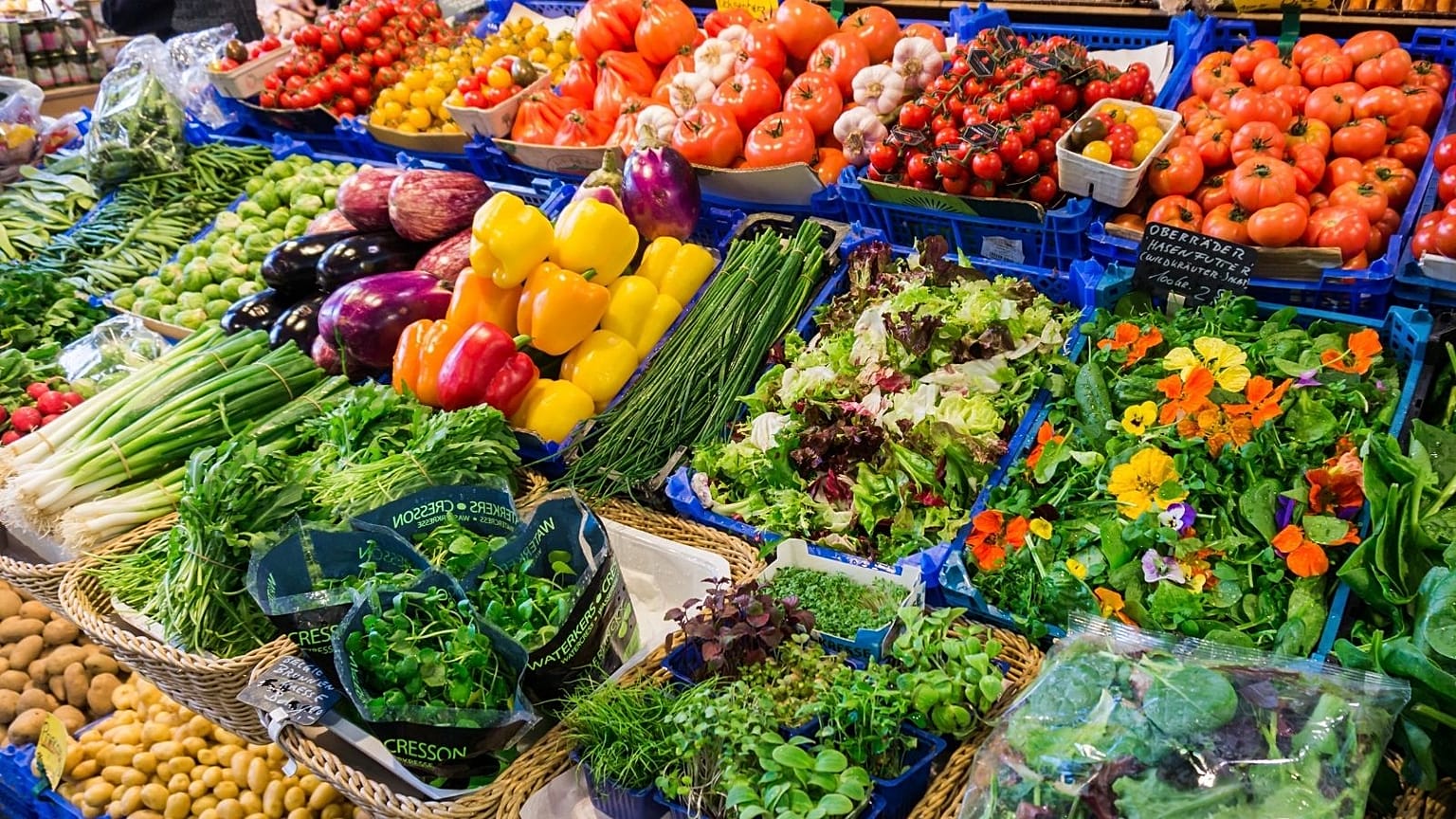
“Vegetarians typically consume more fruit, vegetables, and fibre than meat eaters and no processed meat, which may contribute to lower risks of some cancers,” said Aurora Perez Cornago, principal investigator of the study.
Compared with meat eaters, vegetarians had 31 percent lower risk of multiple myeloma, a 28 percent lower risk of kidney cancer, and a 21 percent lower risk of pancreatic cancer, the study found.
Vegetarians also had a 12 percent lower risk of prostate cancer, and 9 percent lower risk of breast cancer.
However, the risk of squamous cell carcinoma of the oesophagus, the most common oesophageal cancer, doubled.
The research team collected information on the participants’ diet, classifying them into the main diets: vegan, vegetarian, pescatarian, meat eaters and poultry eaters, who eat poultry but not processed or red meat. Participants were then followed for an average of 16 years.
Other non-meat diets
Appropriately planned vegetarian and vegan diets are considered to be healthful and nutritionally adequate, the study noted.
The researchers added that, compared to omnivorous diets, vegetarian and vegan diets are typically lower in some nutrients – such as protein, saturated fat and certain micronutrients such as vitamin B12 – but higher in others such as dietary fibre and vitamin C.
The benefits of following a non-meat diet didn’t stop at vegetarianism.
Pescatarians showed a lower risk of breast and kidney cancers, as well as a lower risk of bowel cancer.
At the same time, those who eat poultry and no red or processed meat were linked to a lower risk of prostate cancer.
By contrast, colorectal cancer risk was 40 percent higher among vegans.
However, the authors said that this higher prevalence observed in vegans is based on a few incidents across the United Kingdom and the United States and should be interpreted with caution.
“Dietary patterns that prioritise fruit, vegetables, and fibre-containing foods, and avoid processed meat, are recommended to reduce cancer risk. Our study helps to shed light on the benefits and risks associated with vegetarian diets,” said Tim Key, co-investigator of the study at Oxford.
Vegetarian diets are defined by the foods that are not eaten rather than by the foods that are eaten, the authors noted. While vegetarian diets are often high in foods thought to be healthy, they can be high in less healthy foods, such as highly refined carbohydrates, which the study does not account for.
“The researchers point out that not all vegetarian or vegan diets are identical. This work pooled studies from a small number of different countries, so it is not clear how generalisable the results are to all types of vegetarian or vegan diet,” said Michael Jones, staff scientist in the Clinical Cancer Epidemiology Group at The Institute of Cancer Research in London, who was not part of the study.
Cancer burden
In Europe, cancer affects around 1 in 20 people. The latest estimates of new cancer cases show a decrease of 1.7 percent compared with 2022, with 2.7 million new cases in 2024 in the European Union countries.
The region has one of the world’s highest cancer burdens, with breast, prostate, colorectal, and lung cancer representing roughly half of all cases.
Cancer affects men slightly more than women; 54 percent of new cancer cases and 56 percent of cancer deaths occur in men.