
















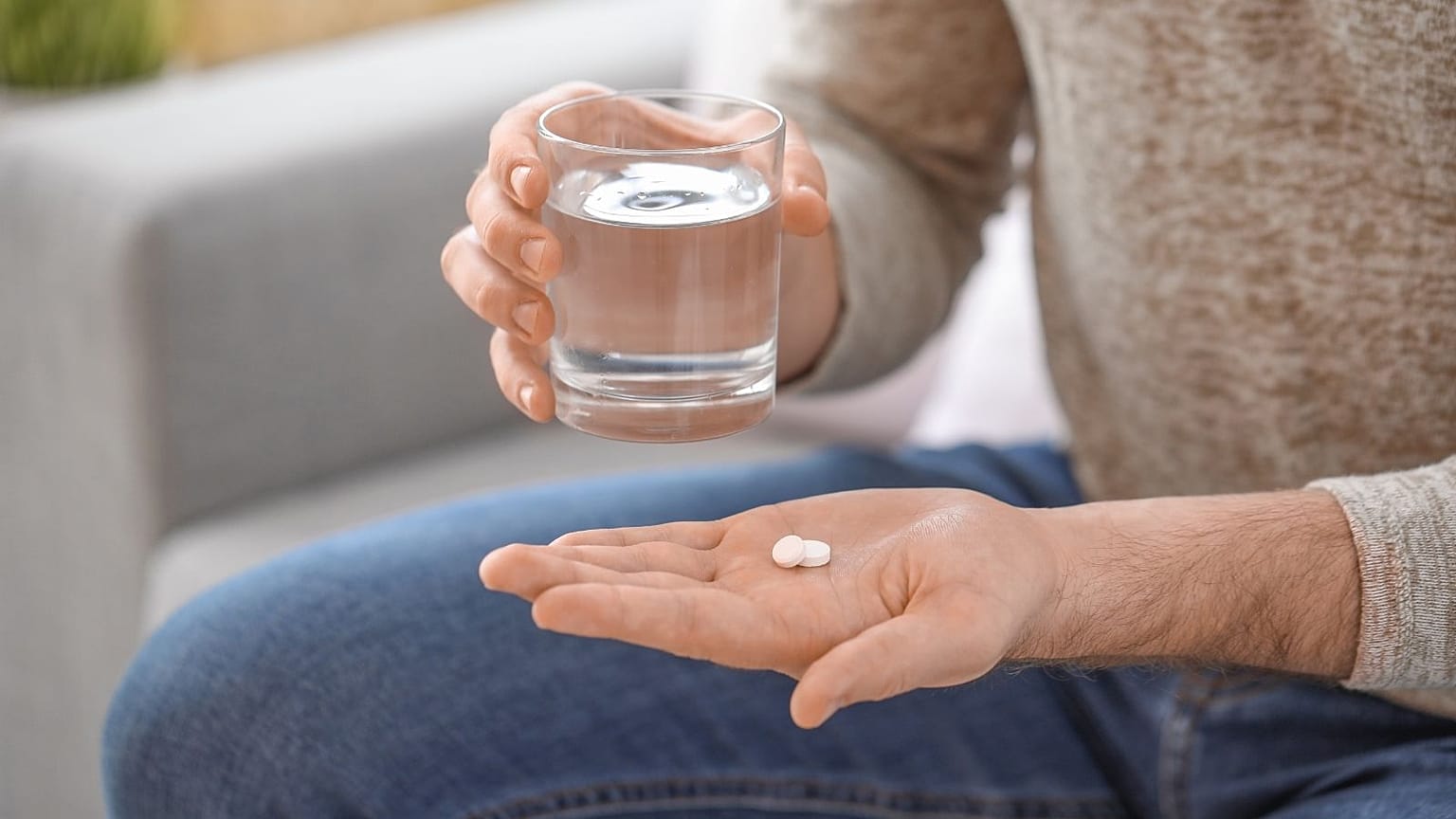













A new pill in the final phase of clinical trials cuts harmful cholesterol by 60% in high-risk patients.
A new pill reduced artery-clogging cholesterol in people who remain at high risk of heart attacks, despite taking medication, a new study has found.
 ADVERTISEMENT
ADVERTISEMENT
ADVERTISEMENT
The new enlicitid pill, still in experimental phases, reduced levels of low-density lipoprotein (LDL), commonly known as “bad” cholesterol, by up to 60 percent, according to a study published in the New England Journal of Medicine.
“Fewer than half of patients with established atherosclerotic cardiovascular disease currently reach LDL cholesterol goals”, said Ann Marie Navar, leader of the study at UT Southwestern Medical Center.
An oral therapy as effective as the enlicitid one has the potential to dramatically improve our ability to prevent heart attacks and strokes on a population level, she added.
Statins, prescription medications that block some of the liver’s production of cholesterol, remain the most common method to lower bad cholesterol.
However, for some people, even at the highest doses, statins are insufficient, and they need additional help to reach healthy levels.
LDL cholesterol contributes to cardiovascular disease when its particles deposit in blood vessel walls, causing atherosclerosis – a process that can cause heart attacks and strokes.
Lowering bad cholesterol, the researchers noted, is a cornerstone of preventing cardiovascular disease in at-risk people and reducing further risk of heart attacks and strokes in those already affected.
In Europe, almost a third of cardiovascular-related morbidity and mortality is due to uncontrolled cholesterol, which affects more than 50 percent of adults, according to the latest data.
How was the clinical trial?
Researchers tested the pill in almost 3,000 patients who either had atherosclerosis or were at risk for developing it due to related conditions.
Two-thirds of the participants received the study drug, while the other third received a placebo.
After 24 weeks, those taking enlicitide reduced their LDL cholesterol levels by about 60 percent compared with a placebo.
The researchers also found that enlicitide also significantly reduced other blood lipid markers associated with cardiovascular disease, including non-HDL lipoprotein cholesterol, apolipoprotein B, and lipoprotein(a). The results remained steady over a year-long follow-up period.
“These reductions in LDL cholesterol are the most we have ever achieved with an oral drug by far since the development of statins,” Navar said.
The trial had some limitations as it had not yet been used in a clinical setting. The study lasted about a year and checked if it lowers "bad" cholesterol, but it didn't prove it stops heart attacks or strokes – which require longer studies.
The Food and Drug Administration in the United States has granted the drug a National Priority Voucher aimed at fast-tracking the approval process.