















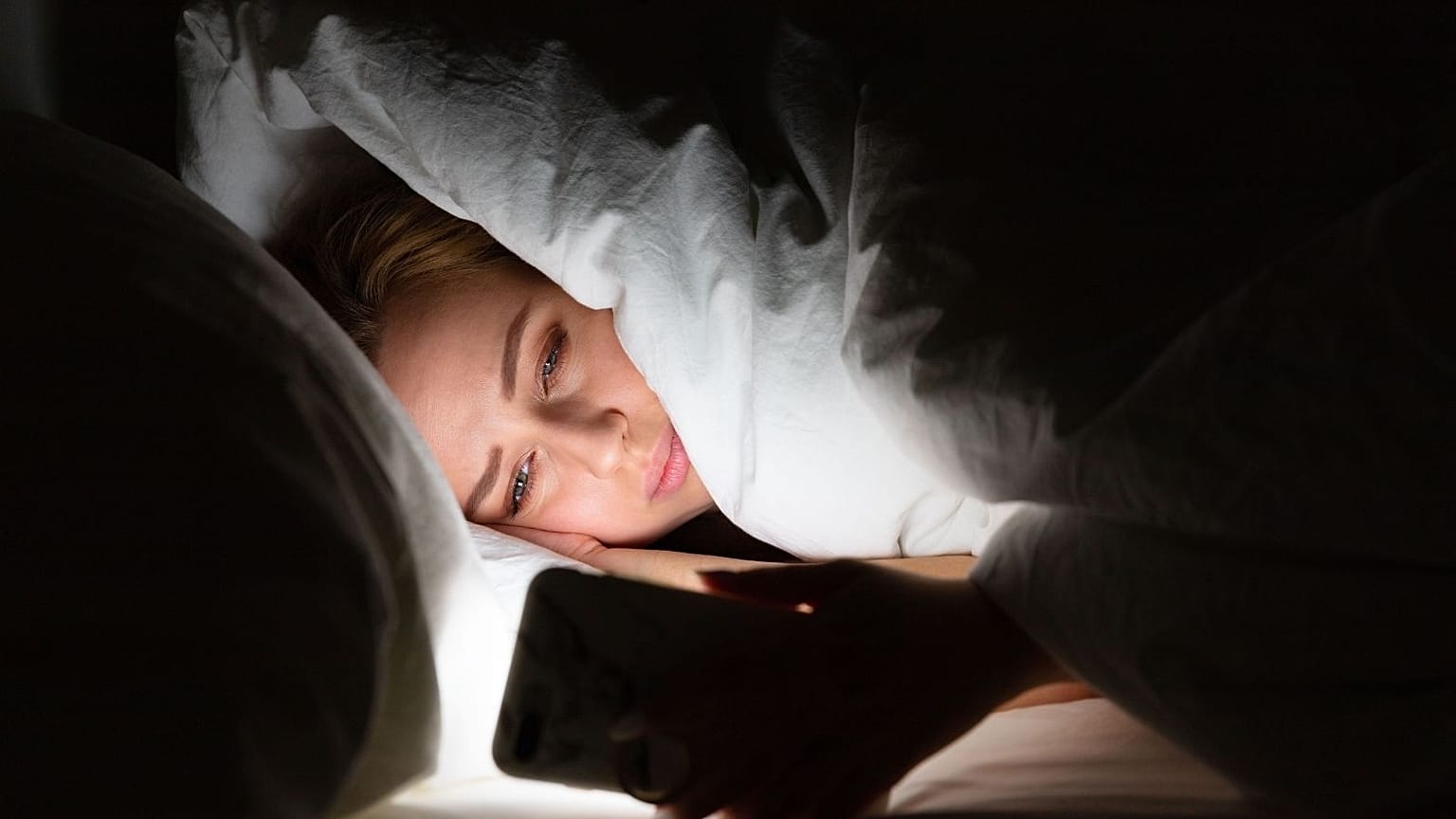













Regularly sleeping late may increase the risk of heart attack or stroke, according to a new study.
People who stay up until late and are very active at night are more likely to have poor cardiovascular health, a new study has found.
 ADVERTISEMENT
ADVERTISEMENT
ADVERTISEMENT
Night owls have a 16 percent increased risk of heart attack or stroke compared to early risers, it said.
“‘Evening people’ often experience circadian misalignment, meaning their internal body clock may not match the natural day-to-night light cycle or their typical daily schedules,” lead author of the study Sina Kianersi at Brigham and Women’s Hospital and Harvard Medical School said.
He added that evening people are more likely to have behaviours that can affect cardiovascular health, such as poorer diet quality, smoking, and inadequate sleep.
The study, published in the Journal of the American Heart Association, looked at more than 300,000 adults, with an average age of 57, to assess how their sleeping habits impacted their cardiovascular health.
About 8 percent of participants said they were “definitely evening people,” meaning they usually had a late-night bedtime and peak activity later in the day.
Cardiovascular health was measured by analysing weight, cholesterol, blood sugar, and blood pressure, as well as by looking at a healthy diet, regular physical activity, not smoking, and good sleep quality.
Night owls had a 79 percent higher prevalence of having poor cardiovascular health.
The researchers also found that the link between late sleeping and poor cardiovascular health was stronger among women.
The study has several limitations. Chronotype, or whether someone is a morning or evening person, was measured using a single self-reported question at one point in time, which may not capture changes over the life course or lead to some misclassification.
Roadmap for better heart health
The findings, said health experts, could also be seen as a roadmap of healthy habits to achieve better cardiovascular health.
“These findings show that the higher heart disease risks among evening types are partly due to modifiable behaviours such as smoking and sleep. Therefore, evening types have options to improve their cardiovascular health,” Kristen Knutson, professor at Northwestern University in Chicago and not part of the research, said.
She added that, as night owls are not inherently less healthy, the study shows the importance of maintaining healthy lifestyles.
“Targeted programs for people who naturally stay up late could help them improve their lifestyle behaviours and reduce their risk of cardiovascular disease,” Knutson added.
Risks of weak circadian rhythms
When circadian rhythms are robust, the body clock aligns well with the 24-hour day and sends clear signals for key body functions. People with stronger rhythms tend to keep regular schedules for sleep and daily activity, even when their schedule or seasons change.
Disruptions to the body clock – whether due to irregular sleep or eating habits, jet lag, shift work, or light exposure at night – have been linked to a slew of health issues, including a higher risk of obesity, heart disease, type 2 diabetes, and high blood pressure.
A recent study also found a link between weak circadian rhythms and dementia.