




























Experts release first international standards for female athlete injury prevention.
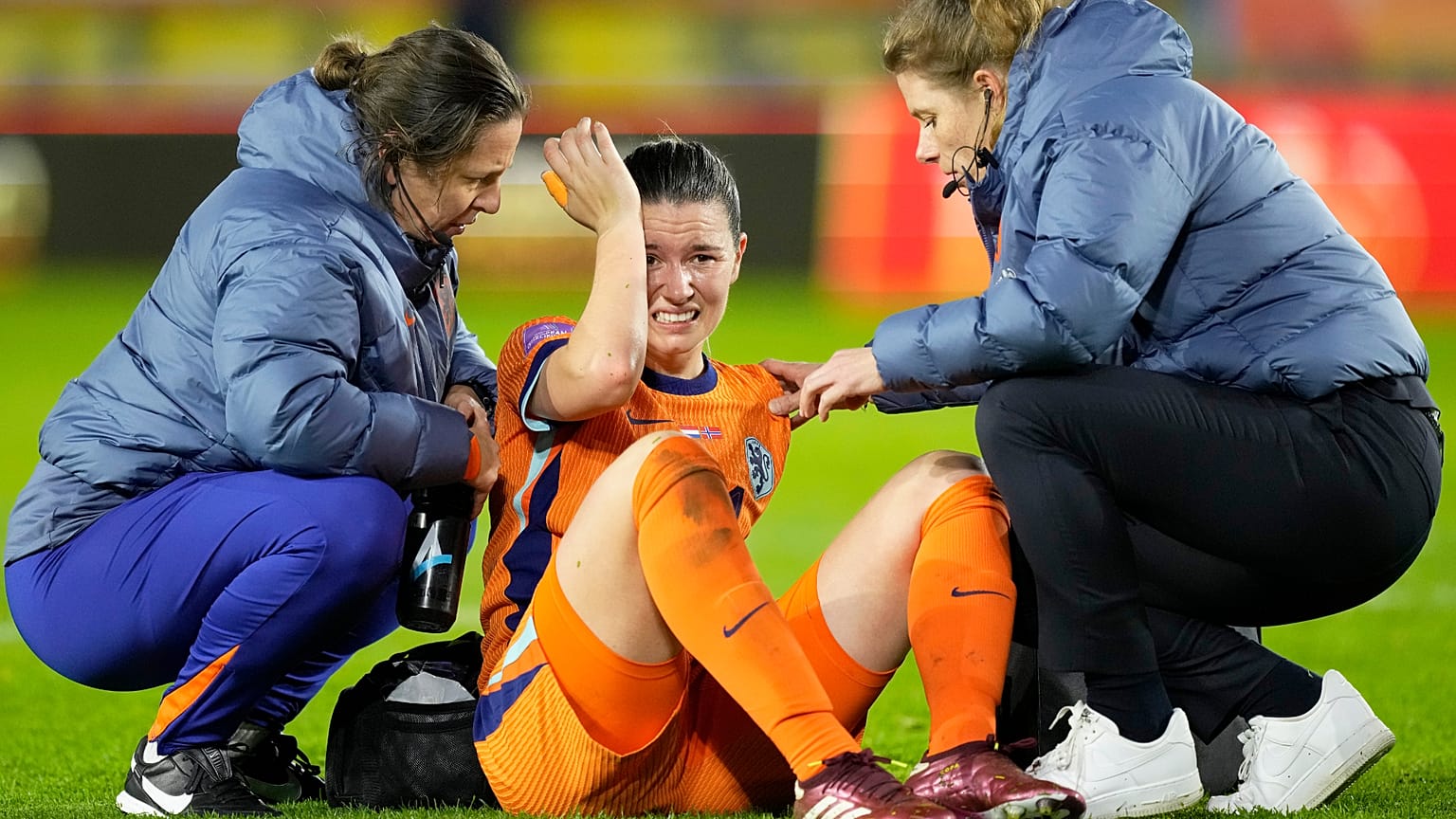
Experts across the sports world have issued international guidelines to help reduce injuries among female athletes, offering evidence-based recommendations to make sport safer and more inclusive.
 ADVERTISEMENT
ADVERTISEMENT
ADVERTISEMENT
The guidance, supported by the International Olympic Committee (IOC), outlines a range of measures for athletes, coaches, and training staff – from avoiding harmful practices to creating environments better tailored to women and girls.
Kay Crossley, co-author of the guidelines and director of the La Trobe Sport and Exercise Medicine Research Center, said many women and girls train and compete in conditions not designed for their success.
“This world-leading initiative recognises the unique injury risks faced by female athletes and provides clear, actionable guidance for everyone involved in sport, from grassroots to elite levels,” she said.
The so-called Female/Woman/Girl Athlete Injury Prevention (FAIR) Consensus Statement was published this week in the British Journal of Sports Medicine. Here are some of the main recommendations.
Better protection from head injuries
The FAIR guidelines call for stricter rules penalising unlawful body and head contact to reduce the risk of injury. They also recommend banning body checking and full-contact training in youth sports such as ice hockey and rugby.
To complement policy changes, the experts urge the use of protective equipment designed for female athletes, including properly fitted helmets, mouthguards, and neck protection.
Mandatory warm-ups for all female athletes
The new recommendations introduce mandatory neuromuscular warm-up exercises across all sports and age groups to help prevent leg injuries.
The warm-ups – combining aerobic, balance, strength, and agility training – have been proven to cut injury rates by 60 per cent in youth team sports.
Done twice weekly for at least 10 minutes, they improve muscle activation and joint stability.
Women-specific health factors
The guidelines highlight that female athletes face particular risks linked to menstrual cycles and hormonal fluctuations.
Women suffer more non-contact anterior cruciate ligament (ACL) injuries than men, with hormonal factors under investigation as a possible cause.
This is not the first time experts have urged more research on the issue: Earlier this year, the Federation Internationale de Football Association (FIFA) launched a study examining the impact of the menstrual cycle on ACL injuries among female footballers.
The statement also advises athletes to wear supportive sports bras to prevent breast pain and irritation.
Safe spaces in sporting environments
Injury prevention strategies cannot work if women and girls don’t have access to the appropriate resources and a training and competition environment that supports their needs, the experts said.
They call for supportive environments free from body shaming and the promotion of so-called “ideal” body types, which can harm both physical and mental health.
“They [safe spaces] should be front-of-mind and non-negotiable. At all levels of sport, responsibility must be taken for actions that can influence female athlete health,” read the guidelines.
Safe spaces should also include policies to address harassment and violence, as well as open discussions about pregnancy and breast care, experts said.