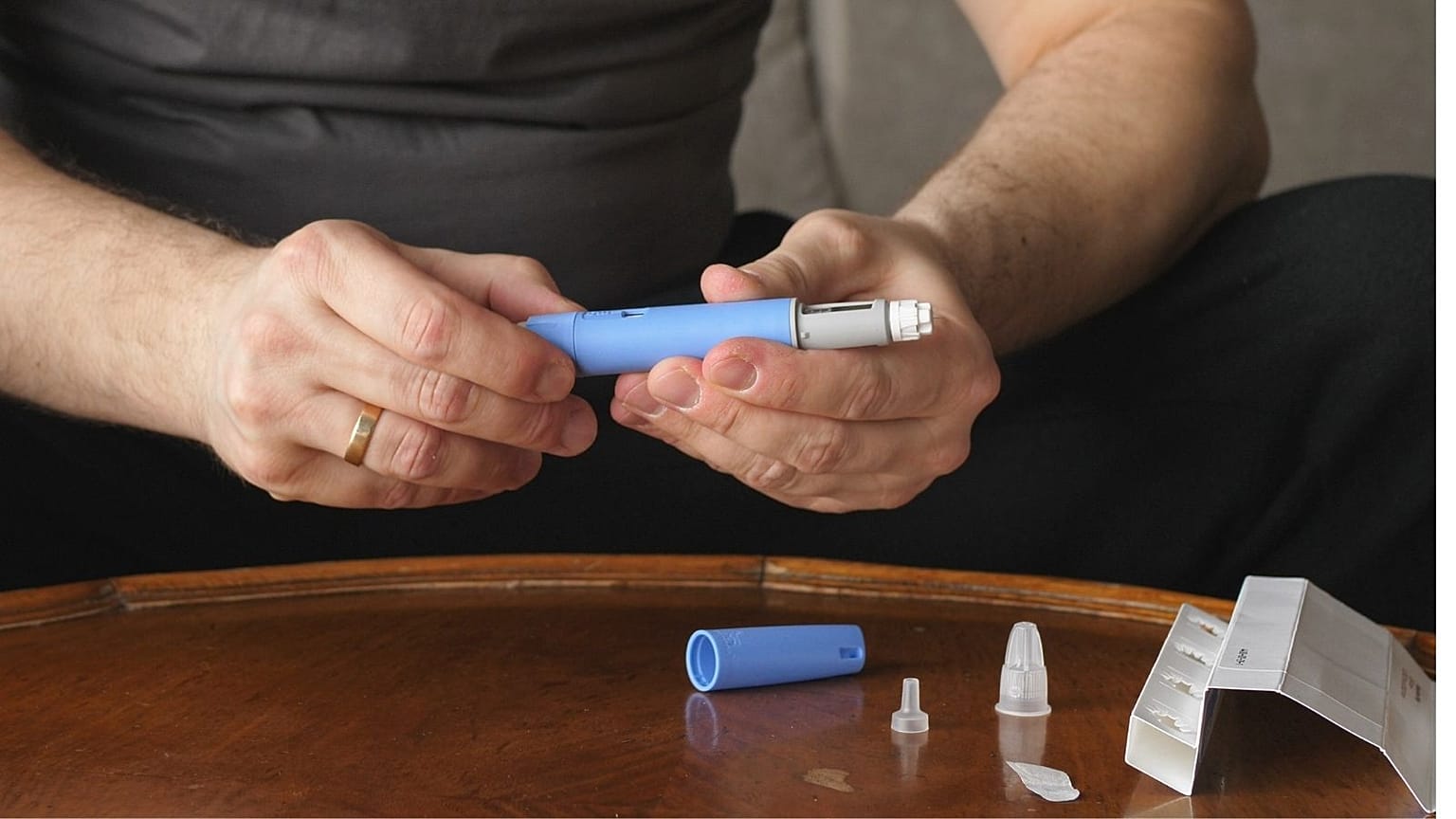













Weight-loss medication improves blood flow and can reduce the chance of complications, a new study has found.
A new study has found that weight-loss drugs help patients recover from a heart attack.
 ADVERTISEMENT
ADVERTISEMENT
ADVERTISEMENT
GLP-1 drugs, commonly used to treat type 2 diabetes and promote weight loss, may prevent further tissue damage, it claims, and reduce the risk of complications following surgery.
“In nearly half of all heart attack patients, tiny blood vessels within the heart muscle remain narrowed, even after the main artery is cleared during emergency medical treatment,” said Svetlana Mastitskaya, the study’s lead author from Bristol Medical School.
The results, published in Nature Communications, found that GLP-1 agonists may prevent “no-reflow”, where blood is unable to reach certain parts of the heart.
The team conducted experiments in rodents and checked their relevance to humans using cultivated heart cells.
They found that GLP-1 drugs improve blood flow by activating potassium channels and relaxing pericytes, which are the muscle cells around blood vessels in the heart, allowing constricted blood vessels to dilate and reducing the risk of further damage to the heart.
GLP-1 receptor agonists are a type of drug that makes people feel full for longer by mimicking the effects of the GLP-1 hormone, which the body produces naturally and helps regulate appetite and blood sugar.
Heart health benefits
Previous research has found that people taking GLP-1 medication have a lower risk of cardiovascular diseases, such as heart attack or stroke.
The United States Food and Drug Administration (FDA) approved the use of Wegovy, a semaglutide GLP-1 drug, to reduce the risk of stroke, heart attack, and other cardiovascular diseases in 2024.
Cardiovascular benefits have been found to be unrelated to the amount of weight lost.
Patients taking the drug in a recent clinical trial saw significantly fewer heart attacks and strokes; these benefits were similar for people who were only marginally overweight and those who were the most obese.
Researchers said GLP-1 drugs may cut heart health risks by reducing inflammation, improving blood pressure control, lowering cholesterol and other levels of fat in the blood, and supporting the health of blood vessels.
It’s not all about the drugs
While research identifies new benefits of GLP-1 agonists, experts warn that lifestyle remains key to a healthy heart and body.
A recent study by Harvard University found the heart health benefits of weight-loss drugs also apply to patients with type 2 diabetes when they take GLP-1 medication together with a healthy lifestyle.
The healthy lifestyle habits considered in the study were a healthy diet, regular exercise, not smoking, restful sleep, minimal alcohol intake, good stress management, social connection and support, and no opioid use disorder.
The researchers found that those who adhered to all eight healthy habits had a 60 percent lower risk compared to those who adhered to one or fewer.
“Our findings underscore that, even in the era of highly effective GLP-1 pharmacotherapy, lifestyle habits remain central to diabetes management and cardiovascular risk reduction and can substantially amplify the benefits of modern medications,” said Frank Hu, author of the study at Harvard.