



























De-extinction company Colossal Biosciences unveiled its 'bio vaults' at last week's World Governments Summit in Dubai.
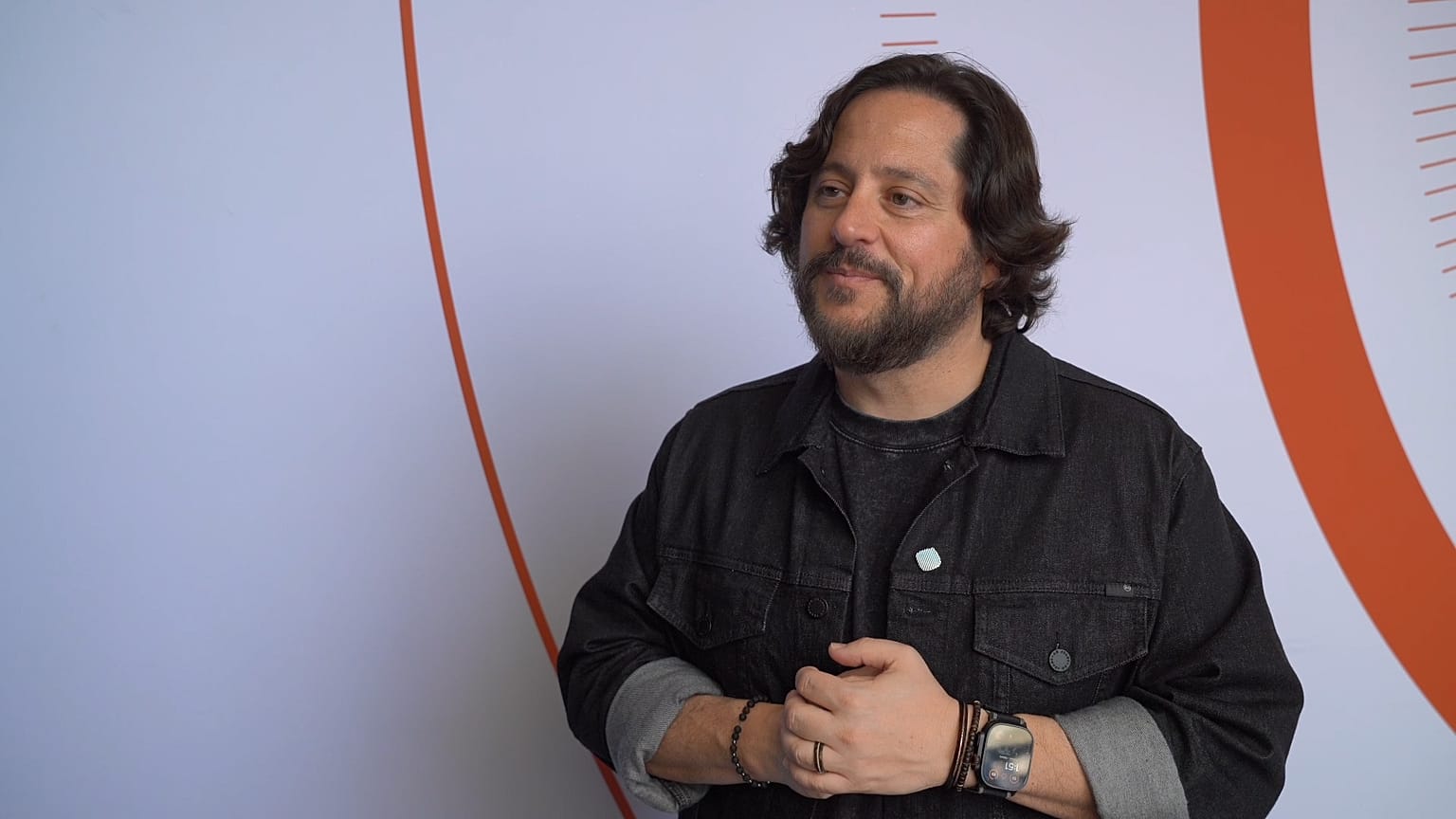
At the World Governments Summit, Ben Lamm, Founder and CEO of Colossal Biosciences, told Euronews that bringing back extinct species and protecting biodiversity are now key to tackling the world’s growing extinction crisis.
 ADVERTISEMENT
ADVERTISEMENT
ADVERTISEMENT
Asked about the biggest development in this sector in recent years, Lamm highlighted recent progress in de-extinction and species preservation.
“I think the most exciting thing in 2026 is bringing back extinct species and also protecting them through bio vaults, which we're launching here at the World Governments Summit.”
He said most people are not aware of how much biodiversity is already being lost.
“I do not believe that people understand the extinction crisis we're in,” he said. “But we are in the sixth mass extinction, which is being accelerated by man.”
Engineering the world's first ‘woolly mouse’
Lamm explained that Colossal works on well-known de-extinction projects and uses these technologies for conservation.
“Colossal is the world's first de-extinction and species preservation company,” he said. “Most people just know us for the Woolly Mammoth, the Dire Wolf, the Dodo bird and others.”
When asked if this work is backed by science, Lamm pointed to recent achievements by his company and its partners.
“We actually engineered the world's first woolly mouse last year,” he said. “We engineered the traits from a mammoth into those of a mouse.”
He added that they have used similar methods on other species once thought to be extinct.
“We actually then took a 73,000-year-old skull and made puppies and brought dire wolves back, which had been extinct for 12,000 years,” he said.
‘We're going to lose up to 50 per cent of biodiversity by 2050’
When asked about focusing on well-known species instead of less famous but important ones, Lamm said both are needed.
“This is not an either-or; this is an and,” he said. “We do need a de-extinction toolkit because we're going to lose up to 50 per cent of all biodiversity between now and 2050.”
He said the launch of Bio Vaults is meant to preserve genetic material from a wide range of species, including those that get little public attention.
“That’s why building bio vaults is so critical to our success,” he said.
The first such facility is being launched at the summit, with a strong public and educational component.
“We're very excited to be at the World Governments Summit to launch the world's first Bio Vault,” he said. “We're launching it at the Museum of the Future so that we can bring people in and wrap educational content around it for kids.”
‘Species go hand in hand with climate change’
Lamm also connected saving biodiversity directly to the fight against climate change.
“I think species go hand in hand with climate change,” he said. “If we can save and preserve biodiversity, they will actually help us with our climate crisis.”
He said launching the project at the World Governments Summit made sense because so many global leaders were there.
“People from Malaysia, people from Africa have come up to me after my talk saying, oh my gosh, how can we apply these technologies to save my critically endangered X or Y?” he said. “So, I think launching at the World Governments Summit was the perfect place to do it.”
Watch the full interview with Ben Lamm from the World Governments Summit in the video above.