















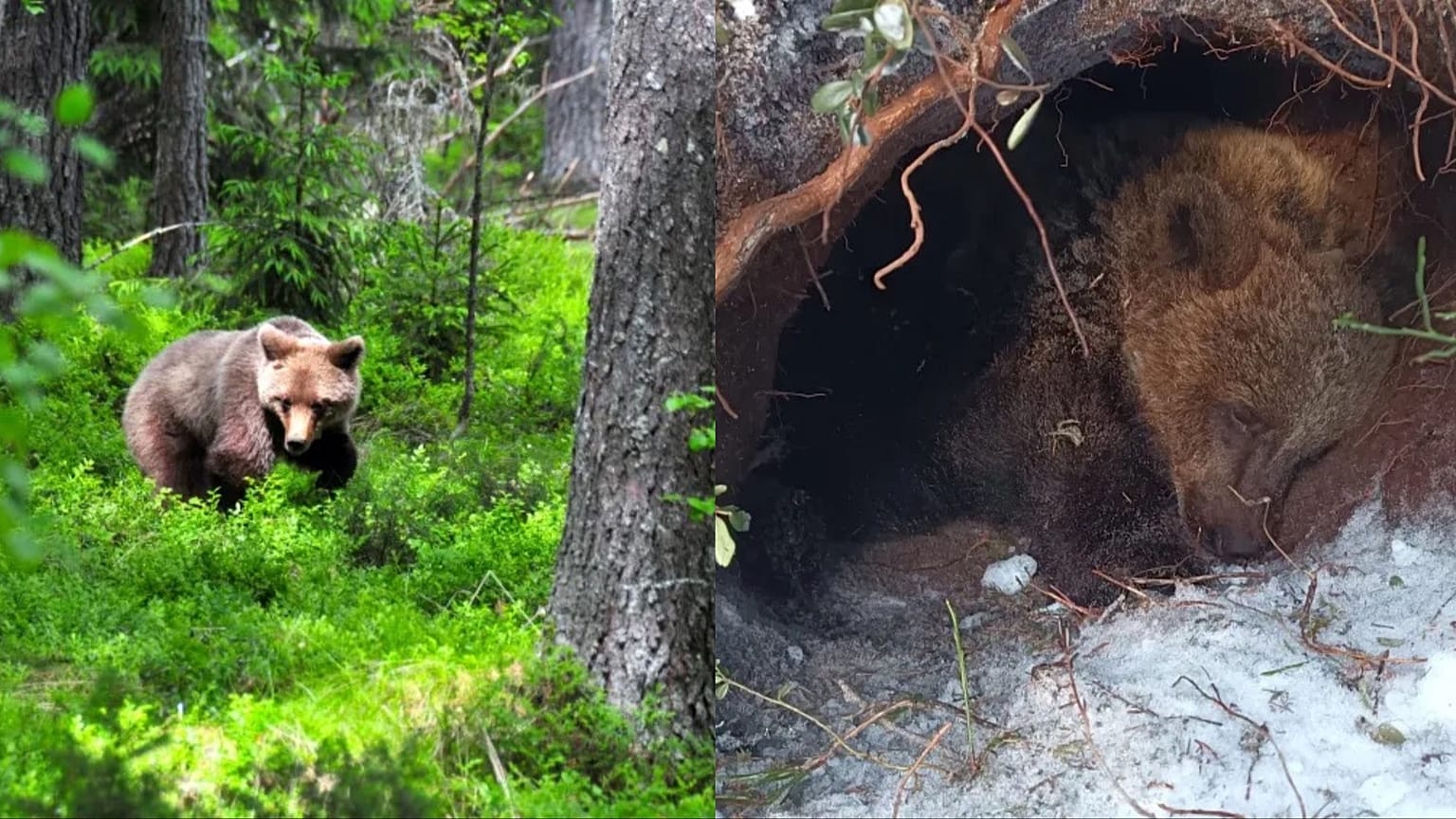













In 2024, Sweden controversially issued licences to kill 20 per cent of its brown bear population in an annual hunt. Now it wants to go further.
Sweden’s brown bears are one of the biggest conservation success stories in Europe. Once on the brink of extinction, their numbers hit historic lows of around 100 in the early 20th century.
 ADVERTISEMENT
ADVERTISEMENT
ADVERTISEMENT
Careful management of the population, through efforts such as reducing bear predation on livestock, improved land-planning, electric fences and enclosures, helped them make a speedy recovery. In 2008, brown bear numbers reached a peak of around 3,300.
However, in 2024, the country controversially issued licences to kill just under 500 brown bears in its annual bear hunt. According to official figures, that equated to around 20 per cent of the total population at the time.
Last year, the number of brown bears dropped to around 2,400. It is believed that the government wants to go further and bring the population down to 1,400, which is the national target for favourable conservation status. It comes despite warnings from conservationists that such a move would incentivise trophy hunters.
In addition to the hunting quotas permitted by the Swedish government, bears can also be killed during a ‘protective hunt’, where they are deemed a threat to life or property. In northern parts of Sweden, animal grazing areas have been damaged by bears, with anecdotes of bears eating both calves and adult reindeer.
Sweden’s brown bears are about to den
Bears reclaim forest landscapes, which means understanding where they den and rest has become increasingly important to reduce disturbance and prevent conflict with humans.
In late spring, when bears emerge from winter dens and care for their young, disturbance to den sites and resting areas can have serious consequences for reproduction and survival.
It’s why a group of international volunteers will travel to central Sweden this May to join scientists in helping to locate and document brown bear winter dens and summer day beds.
The 10-day conservation expedition will take place from 25 May to 3 June in the forests and wetlands of Dalarna. It’s led by non-profit Biosphere Expeditions and will survey remote terrain to identify den sites while bears are not present.
Citizen scientists will be guided by GPS collar location data to minimise disturbing the animals.
‘Essential’ for conservation
Understanding where bears den and rest is “essential” for effective conservation, says Dr Matthias Hammer, founder of Biosphere Expedition.
“Accurate den data help protect breeding sites and reduces the likelihood of conflict between people and bears,” he adds.
Since 2019, the expedition has formed an important data-collection component of the Scandinavian Brown Bear Research Project, contributing substantial den and scat data over a short but intensive annual field period and supporting one of the world’s longest-running brown bear studies.
“Every year we need people who are interested in volunteering with animals to help us with our field work such as mapping bear dens, finding bear day beds and scats,” says Dr Andrea Friebe, the expedition scientist.
“Because we now lose so many bears to the hunts each year, we have started capturing them on camera traps. The more citizen scientists we have to help with all of this, the better we can protect the brown bears in Sweden.”
You can find more information about volunteering for Biosphere Expeditions here.