












While much of Europe and the US braced against frigid cold, the Southern Hemisphere faced extreme heat, wildfires and floods.
Even as severe cold gripped parts of Europe and North America, global temperatures remained near record highs in January.
 ADVERTISEMENT
ADVERTISEMENT
ADVERTISEMENT
New data from the Copernicus Climate Change Service (C3S) show that last month was the fifth-warmest January on record.
It was also 1.47°C above pre-industrial levels, as temperatures creep ever closer to the 1.5°C warming threshold set under the Paris Agreement.
Freezing cold in the north, blistering heat in the south
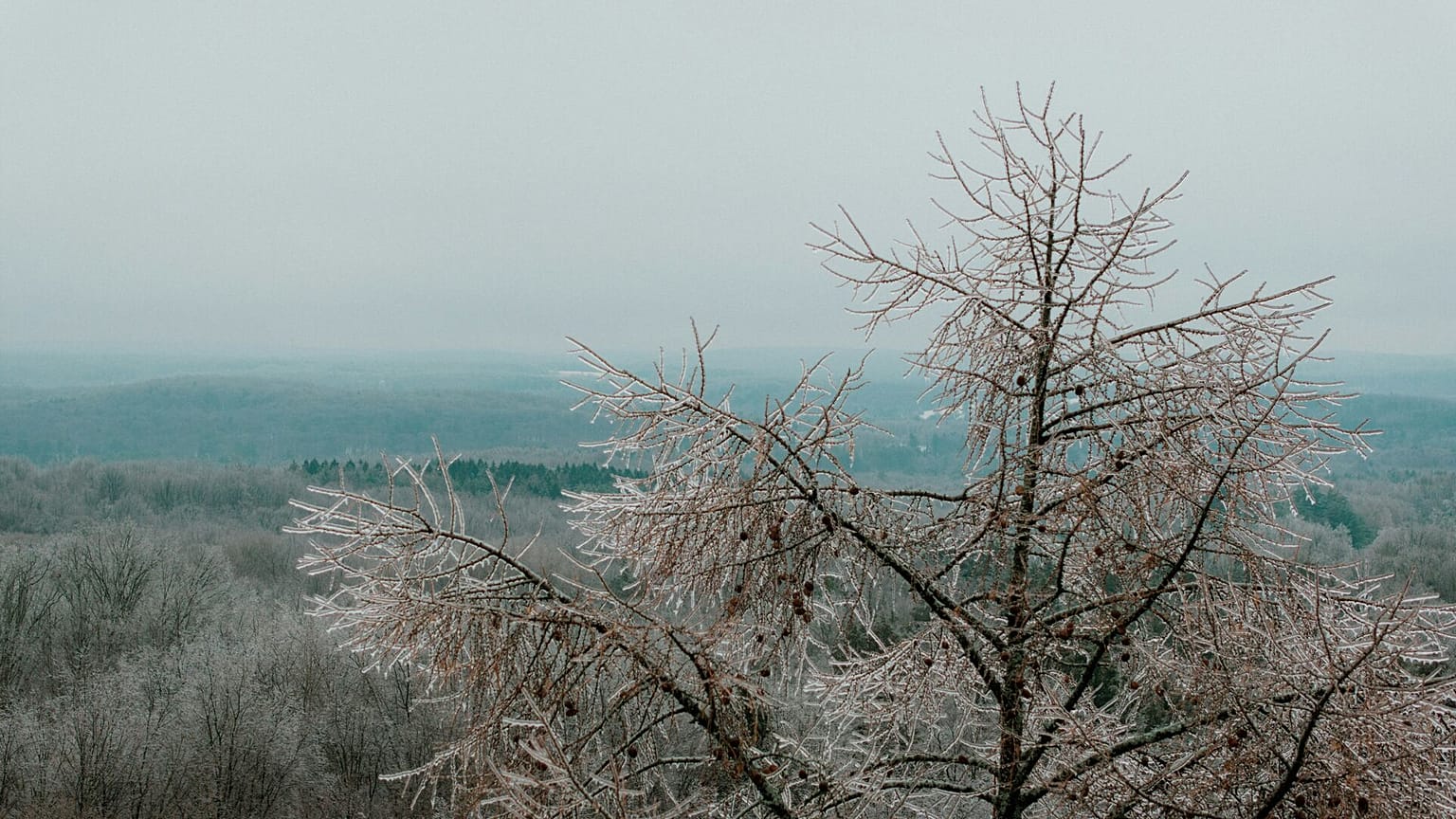
Late January brought intense cold waves across large parts of the Northern Hemisphere, as frigid Arctic air pushed further south than usual.
As those winds blew in, Europe recorded its coldest January since 2010. Freezing conditions extended across Siberia and northern and eastern Europe to parts of the United States, resulting in an average land temperature of -2.34°C – about 1.6°C below the 1991-2020 norm.
At the same time, record heat intensified extreme conditions south of the equator.
Wildfires in Australia, Chile and Patagonia caused deaths and widespread damage, while heavy rain in southern Africa triggered severe floods in countries such as Mozambique.
Altogether, temperatures remained above average in many regions, including in the Arctic, western North America and several parts of the Southern Hemisphere.
“January 2026 delivered a stark reminder that the climate system can sometimes simultaneously deliver very cold weather in one region, and extreme heat in another,” says Samantha Burgess, strategic lead for climate at the European Centre for Medium-Range Weather Forecasts.
“While human activities continue to drive long-term warming, these recent events highlight that resilience and adaptation to increasing extremes are key to prepare society for heightened climate risk in the future.”
Sea temperatures stay high as polar ice continues to melt
The data also show that ocean temperatures remain unusually high while sea ice continues to decline at both poles.
Sea surface temperatures were among the highest recorded for the time of year, with particularly warm waters in parts of the North Atlantic and North Pacific, and weaker La Niña conditions keeping parts of the equatorial Pacific closer to average.
In the Arctic, the area of ocean covered by sea ice in January was 6 per cent below normal – the third-lowest level ever recorded for the month. There was especially little ice in the Barents Sea, Baffin Bay and the Labrador Sea, areas where ice loss has occurred rapidly.
Around Antarctica, sea ice levels were also below average, although they were not among the 10 lowest January levels ever measured.
Floods, drought and wildfire risk persist
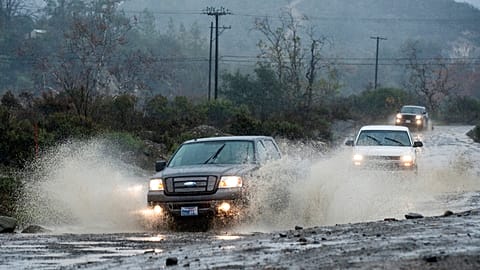
Much of western, southern and eastern Europe experienced wetter than average conditions, leading to flooding and disruption in regions including the Iberian Peninsula, Italy, Ireland and the UK.
Elsewhere, hot and dry conditions across parts of South America and Australia increased risk of wildfire, while heavy rainfall in areas such as southern Africa, Brazil and northern Australia caused flooding and damage.
C3S publishes monthly climate assessments using the ERA5 dataset, which compiles billions of observations from satellites, ships, aircraft and weather stations worldwide.