




























The case raises the stakes after EU officials refused to strip the Barroso mine of its ‘strategic’ status in November.
A long-simmering dispute over lithium mining in northern Portugal has reached Europe’s top court.
 ADVERTISEMENT
ADVERTISEMENT
ADVERTISEMENT
Environmental and community groups have filed a case at the European Court of Justice over the European Commission’s decision to grant the Barroso lithium project “strategic” status.
Residents’ association Associação Unidos em Defesa de Covas do Barroso (UDCB) and environmental law organisation ClientEarth lodged the challenge on Thursday 5 February, arguing the Commission failed to reassess the project after new evidence emerged about potential environmental, social and safety risks.
The case centres on the EU’s 2024 Critical Raw Materials Act. Projects deemed “strategic” benefit from faster permitting, easier access to financing and fewer hurdles in order to get supplies for green products such as electric vehicles and batteries.
Weighing supply security versus local impact
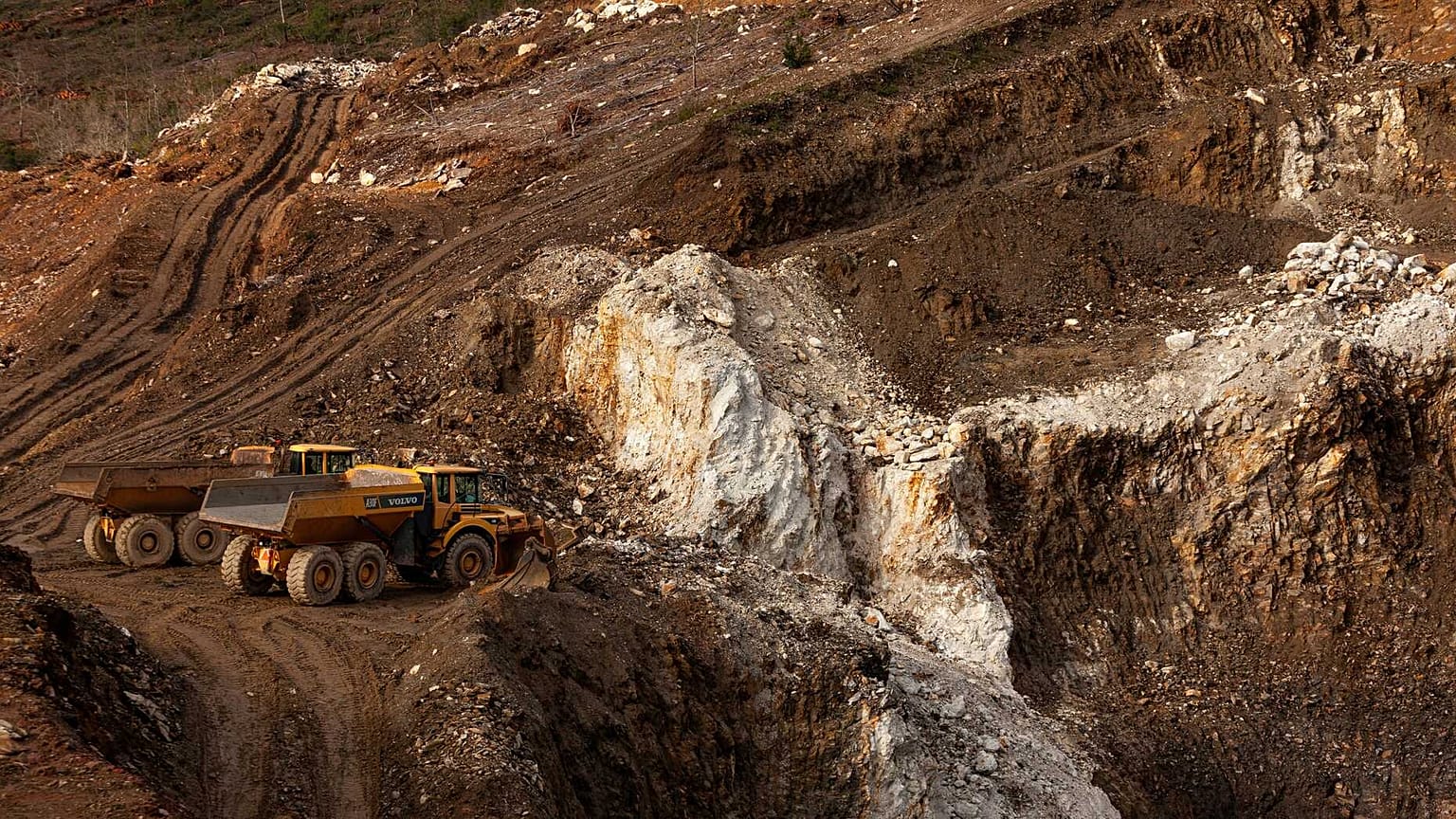
Located near Boticas in the rugged Trás-os-Montes (‘behind the mountains’) region, the proposed mine sits above what is considered Europe’s largest known deposit of spodumene – a key source of lithium used in batteries and mobile phone components.
But the mine is also within an ecological landscape recognised by the UN’s Food and Agriculture Organization as a “Globally Important Agricultural Heritage System”.
Environmental groups have long argued that granting the project strategic status overlooks documented risks to water resources, biodiversity and local livelihoods.
Even so, in March 2025 the European Commission included Barroso among 47 “strategic” projects across the EU.
In June last year, campaigners asked the Commission to remove the project from the list. The Commission rejected that request in November, arguing that verifying compliance with EU environmental law is the responsibility of Portuguese authorities.
Then, EU officials said in December that the project would retain its status, citing assessments that mitigation and monitoring measures would limit pressure on local water resources despite opposition from environmental groups.
In a joint statement, UDCB and ClientEarth said treating the project as being in the public interest while ignoring its risks “undermines fundamental EU legal principles” and could turn rural regions like this one into “sacrifice zones” for the energy transition.
Europe’s race for battery materials is underway
The dispute comes as the EU seeks to reduce dependence on foreign suppliers – foremost among them China – for materials critical to its climate and industrial goals.
Portugal’s government has backed the project, awarding €110 million in funding to developer Savannah Resources.
Developers say the mine could produce enough lithium each year for hundreds of thousands – and potentially up to one million – electric vehicle battery packs, making it one of the bloc’s most significant proposed sources of the metal.
But environmental concerns remain.
While lithium is essential for batteries, extracting and processing it can be water-intensive and risk contamination. Mining it remains contentious.
Savannah claims that design changes and monitoring measures have significantly reduced risks to surface and groundwater and ensure compliance with EU water-protection rules.
The Barroso project is a litmus test for Europe’s top court. Its ruling could also affect other mining projects that have received strategic status under the Critical Raw Materials Act, and whether mining and commercial interests will outweigh local opposition.