













'Sustainable gastronomy can turn an environmental challenge into a solution,' says David Watson, trustee of the Stelios Charitable Foundation.
It appeared in the waters of the Mediterranean a few years ago: first near Cyprus and then in the Aegean.
 ADVERTISEMENT
ADVERTISEMENT
ADVERTISEMENT
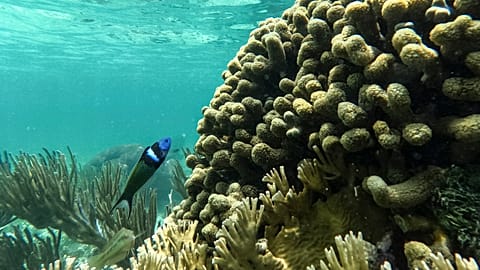
Originating from Asia, the lionfish is taking advantage of rising sea temperatures and spreading rapidly in the Mediterranean. It feeds on all kinds of smaller fish and has no natural predators in the Mediterranean. As a result, lionfish populations are increasing while other species are declining.
"We saw this fish in Elafonisos five years ago," Katerina Kokkinaki, head of green marketing at the NGO Elafonisos Eco, tells Euronews Green. "The first time we saw it, there was only one. In recent years, from one we saw in Elafonisos, we now see thousands.
"Why? Because it is multiplying too fast. It lays 2 million eggs a year, which means that if we do nothing, in 10 years we will have 30 per cent fewer fish than we have today. Because it eats all the small fish, it doesn't let them grow."
The best solution to protect the remaining fish comes from gastronomy: lionfish can be a delicious dish, cooked in many different ways.
Is it safe to eat lionfish?
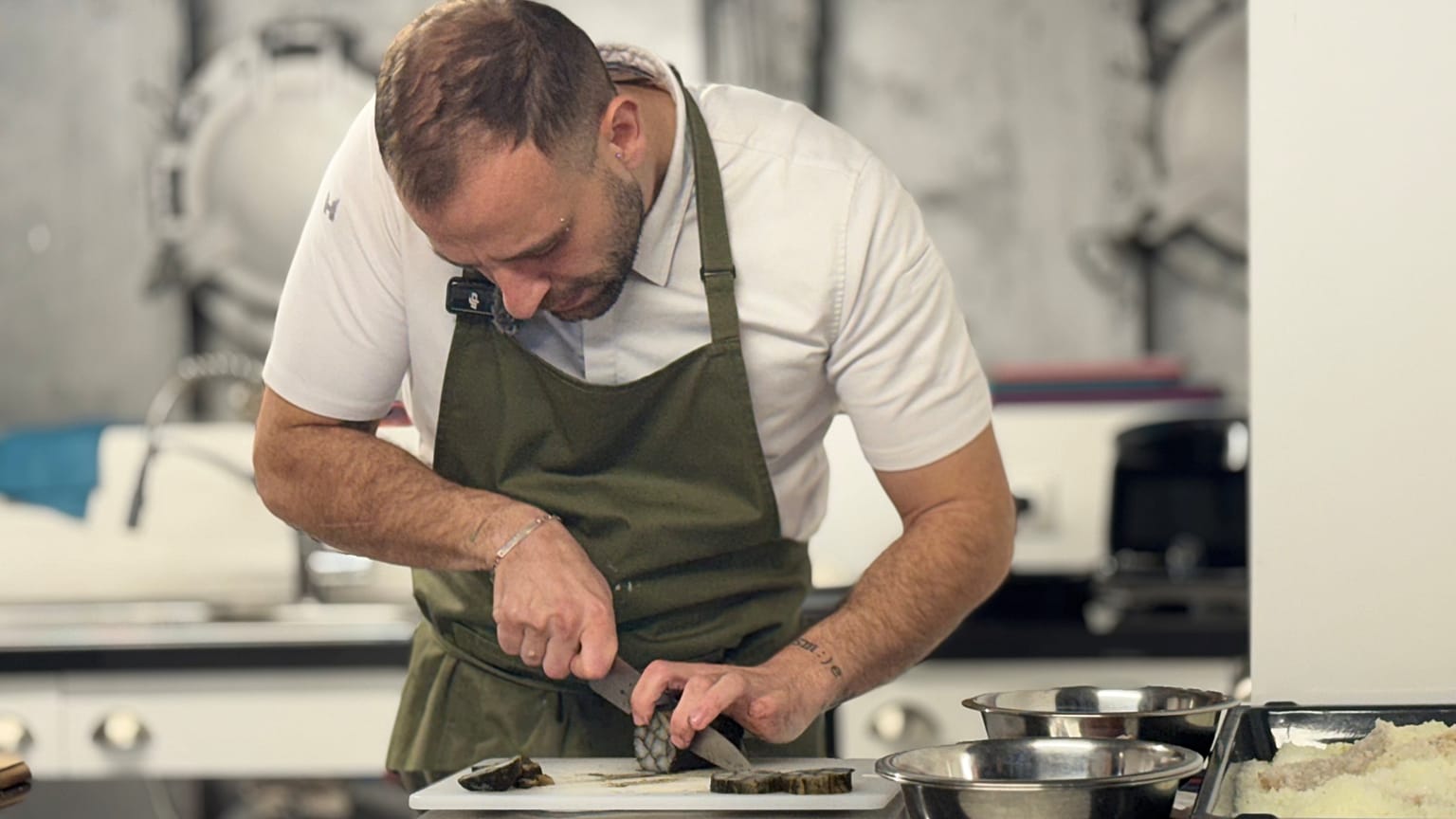
"We make the most of lionfish in our kitchen," chef Elias Chiazzoli tells Euronews Green. "You can cook this fish any way you want: raw, ceviche, tiradito, sushi, fish soup - which is really delicious - or even grilled... the meat is tender."
"Lionfish is not dangerous to humans at all," he adds. "We can eat it safely."
Despite having venom in its spines, these can be carefully removed before eating.
Non-governmental organisations in Greece have launched a campaign to inform catering professionals and consumers about the many ways in which lionfish can be cooked.
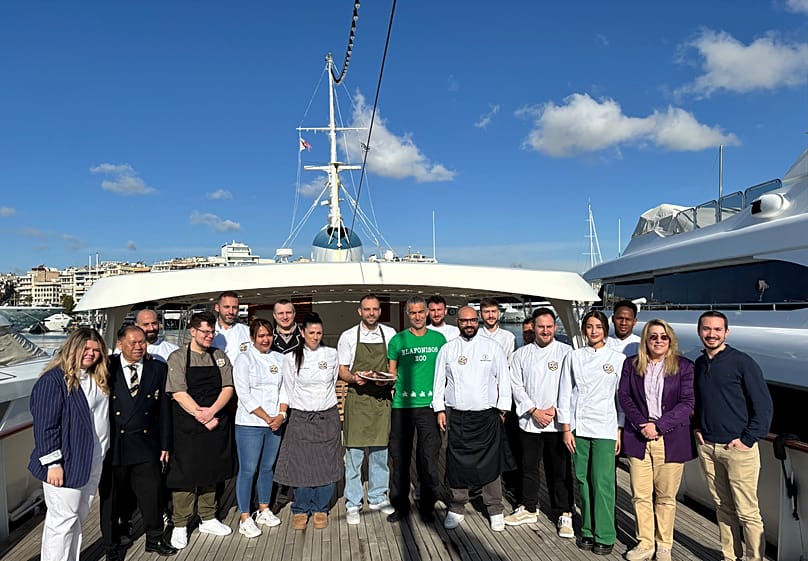
"Today we organised an innovative, experiential masterclass on marine sustainability on the training vessel M/Y Klelia I," says David Watson, trustee of the Stelios Charitable Foundation. "Together with the Elafonisos Eco Association, BCA College and chef Ilias Kiazoli, we showed how experiential education and sustainable gastronomy can turn an environmental challenge into a solution.
"By learning to harness lionfish, the young yacht chefs, Stelios Foundation scholarship holders, are protecting the sea and supporting local communities. For us at the Stelios Charitable Foundation, these initiatives show how knowledge can lead to action with a real positive impact."
Sustainable gastronomy is a solution to control lionfish populations. Despite initial reservations, fishermen on many Greek islands have started selling lionfish and consumers are responding positively. Many believe it is only a matter of time before the fish is seen in the markets of the Greek capital.