




























From green corridors and solar power to cultural hubs and 15-minute mobility, New Tashkent is shaping a sustainable future for Uzbekistan’s rapidly growing capital.
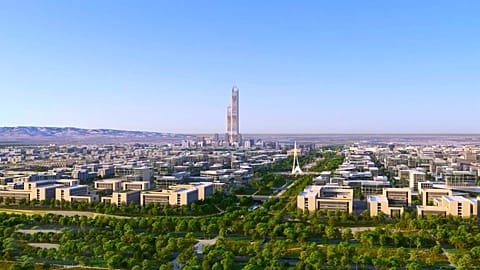
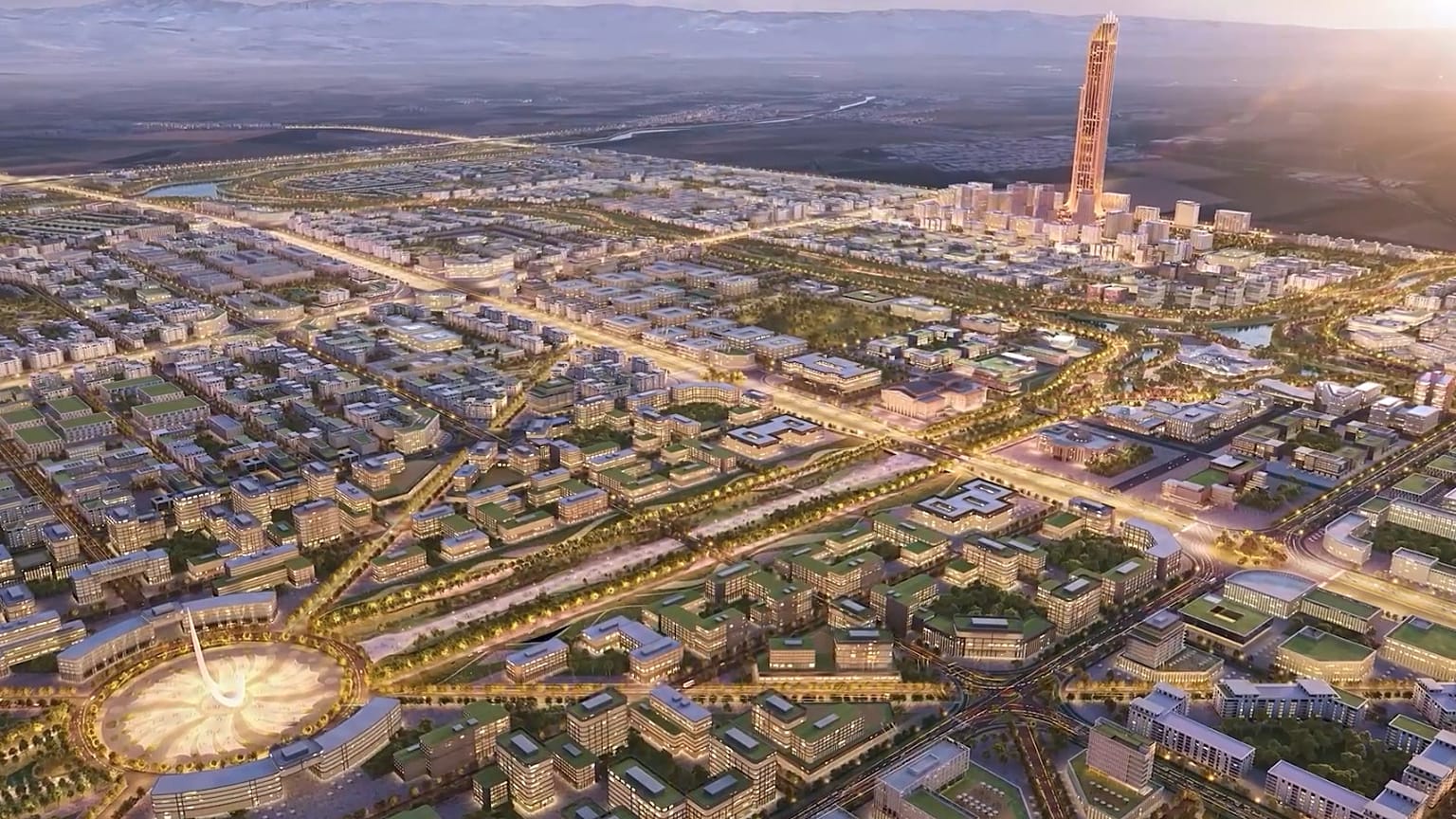
The government of Uzbekistan is implementing “New Tashkent”, under Tashkent’s Master Plan, through 2045. It will be a purpose-built city designed to absorb population growth, ease environmental pressure, and introduce new urban living standards in Central Asia.
 ADVERTISEMENT
ADVERTISEMENT
ADVERTISEMENT
The project officially began in March 2023, when the foundation stone was laid.
Strategically located close to the current capital of the country, between the Chirchik and Korasuv rivers, New Tashkent is planned to cover around 20,000 hectares, positioning it as a potential new urban core rather than a peripheral suburb.
According to the plan, the city will accommodate about 2 million people and create 200,000 high-income jobs driven by innovative technology.
"New Tashkent" is designed to be a fully functional city, offering modern amenities, smart-city innovations, and buildings designed to meet internationally recognised green standards, ensuring sustainability, energy efficiency, and healthy living for its residents.
Urbanisation pressure reaches a tipping point
According to the National Statistics Committee of the Republic of Uzbekistan, the country’s urbanisation trend is accelerating. By July 1st 2025, more than 19.3 million people, roughly 51 per cent of the population of the country, were expected to live in cities, compared to 18.6 million in rural areas.
Tashkent remains the primary magnet. While its official population stands at 3.1 million, the city’s daily population may be 30–35 per cent higher when students and internal migrants are included. This growth is placing increasing pressure on transport systems, utilities, housing, and social infrastructure.
Education plays a key role in this imbalance. Ninety-eight of the country’s 222 universities are located in Tashkent, driving a continuous inflow of young people and intensifying demand for mobility and housing.
Green buildings, energy, and climate resilience
“Sustainability is at the core of the city’s architecture. Buildings are being designed according to internationally recognised green standards, including LEED, BREEAM, and EDGE, which ensure energy efficiency, water conservation, use of sustainable materials, and healthy indoor environments”, said urban planner Timur Ahmedov.
Leadership in Energy and Environmental Design (LEED) and the Building Research Establishment Environmental Assessment Method (BREEAM) are global systems that rate a building's environmental friendliness. At the same time, Excellence in Design for Greater Efficiencies (EDGE) focuses on making buildings more efficient in resource-constrained countries.
Green roof technologies will help regulate indoor temperatures during extreme summer heat, reducing energy demand. Rainwater collection and reuse systems are also being introduced to mitigate flood risks and reduce reliance on external water sources.
Energy infrastructure is fully integrated into the city’s master plan. According to Ahmedov, “New Tashkent” will utilise existing hydropower capacity, upgraded where possible, alongside a 400-megawatt solar farm currently under construction. The city itself will host an additional 100-megawatt solar farm and a tri-generation facility converting waste into heat and electricity.
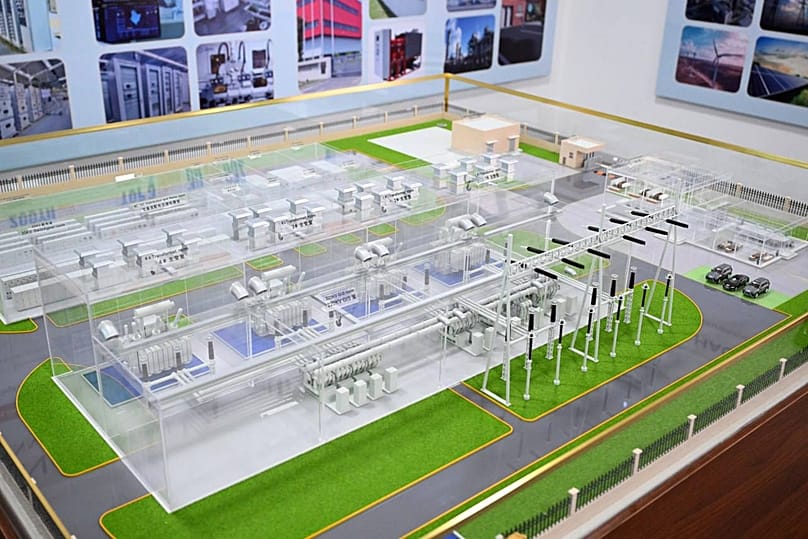
He noted that improving building efficiency by just 20 per cent could save millions of dollars and reduce the need for new power generation. “Even conservative estimates suggest savings of over 900 million kilowatt-hours annually, energy we simply don’t have to generate.”
Sustainable mobility and the 15-minute city
Transport lies at the heart of “New Tashkent’s” ambitions. Plans include a 21-kilometre metro line connecting the new city to the capital, while tram lines are set to be reintroduced with dedicated corridors in central districts.
The plan also features eight multimodal transfer hubs, allowing passengers to switch seamlessly between metro, tram, bicycles, and buses. Underground parking facilities at these hubs will support transfers and include public amenities, bicycle and scooter zones, and electric-vehicle charging stations.
At the neighbourhood level, the city is designed around the 15-minute city concept.
“The goal is to make public transport, cycling, and walking the most convenient options for both residents and visitors”, said Cihan Göktuğ, co-founder of ARCCON Architects Engineers Planners Advisors LLC, the company designing transportation and infrastructure projects for New Tashkent.
Urban mobility experts note that the effectiveness of these systems will depend on long-term funding, governance, and residents’ willingness to reduce car use.
A radial city built around people
“New Tashkent” is presented as a response to these challenges. The city is being designed using a radial planning model, prioritising walkability and access to essential services.
“A radial city is pedestrian-friendly, with all essential urban functions concentrated in the centre, while residential areas are located around it,” said Cihan Göktuğ.“The idea is that people can reach what they need in the shortest possible time.”
Green infrastructure forms the backbone of the concept.
“To create ecological zones and pedestrian and cycling infrastructure, we are developing an organic framework that integrates public parks, riverfronts, bicycle lanes, and walking paths,” explained Timur Ahmedov.
Cultural hub and water infrastructure
A distinctive feature of “New Tashkent’s” first phase is the creation of a cultural island at the intersection of artificial canals, designed to serve as a focal point for social life.
The city’s water system complements this cultural planning.
“New Tashkent is located between the Chirchik and Korasuv rivers, and a network of artificial canals will channel water through the city,” Ahmedov explained.
“Combined with green infrastructure, parks, alleys, and interconnected green zones along the waterways, this will help create shaded areas and a continuous ecosystem, fostering a favourable microclimate for residents.”
Current progress and what lies ahead
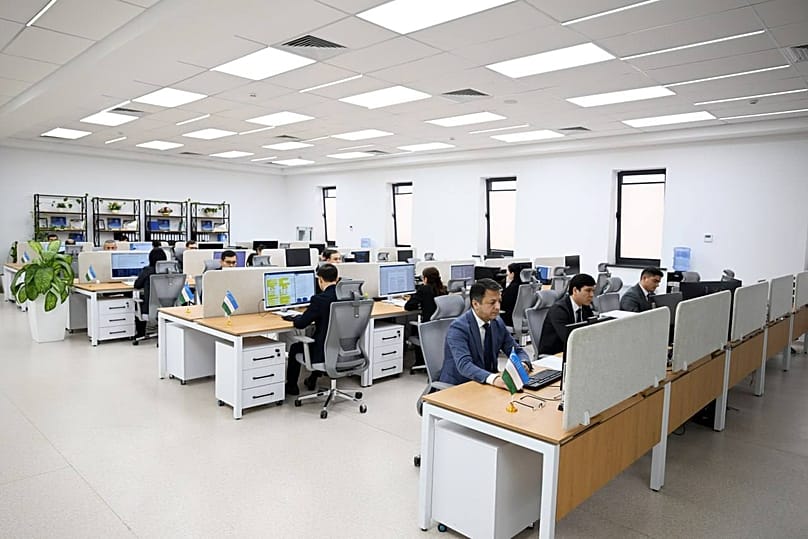
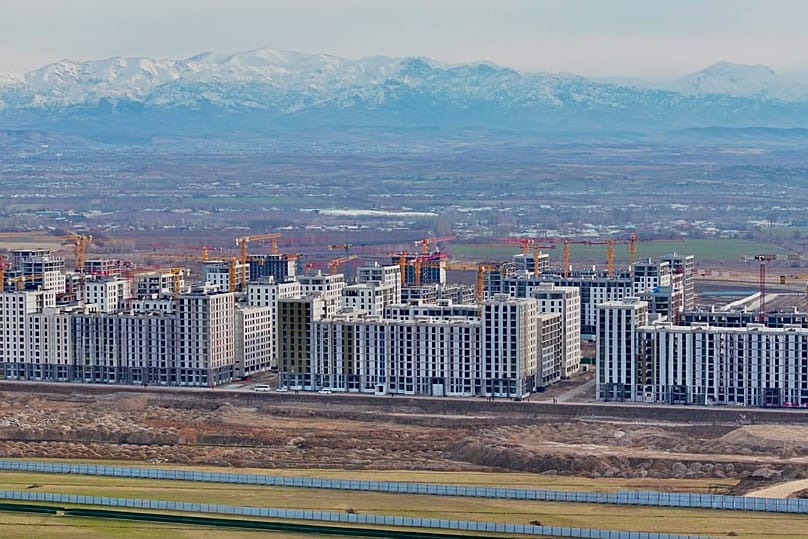
By the end of 2025, construction in “New Tashkent” had reached 3 million square metres. Several ministries and government agencies have begun operating from temporary facilities, testing the city’s infrastructure.
A new modular building for the Ministry of Construction and Housing and Communal Services has been completed. Currently, 550 employees from the ministry’s central administration and affiliated institutions work in the facility. Construction activity has created employment for 10,000 people, while 24 commercial lots sold through auctions have secured €1.72 billion in investment contracts.
Key infrastructure developments include a 40,000-square-metre underground parking facility, valued at €86 million, with capacity for 200 cars and 30 motorcycles or scooters in its first phase. Automated parking systems, bicycle rental points, and EV charging stations will be introduced, with completion planned for 2026.
Residential development is also advancing. The "Sharq Bahori" residential complex, spanning 95 hectares, will provide around 15,000 households. Meanwhile, "New Uzbekistan University" is under construction to serve 10,000 students, with academic buildings, dormitories, sports facilities, and cultural spaces scheduled for completion in 2027.
A 55,000-seat football stadium, built to FIFA standards, is also under construction ahead of the 2027 U-20 World Championship, co-hosted by Uzbekistan and Azerbaijan.
Read more