



























Regulators say the 2023 spill off Louisiana could have been far smaller if risks had been addressed sooner.
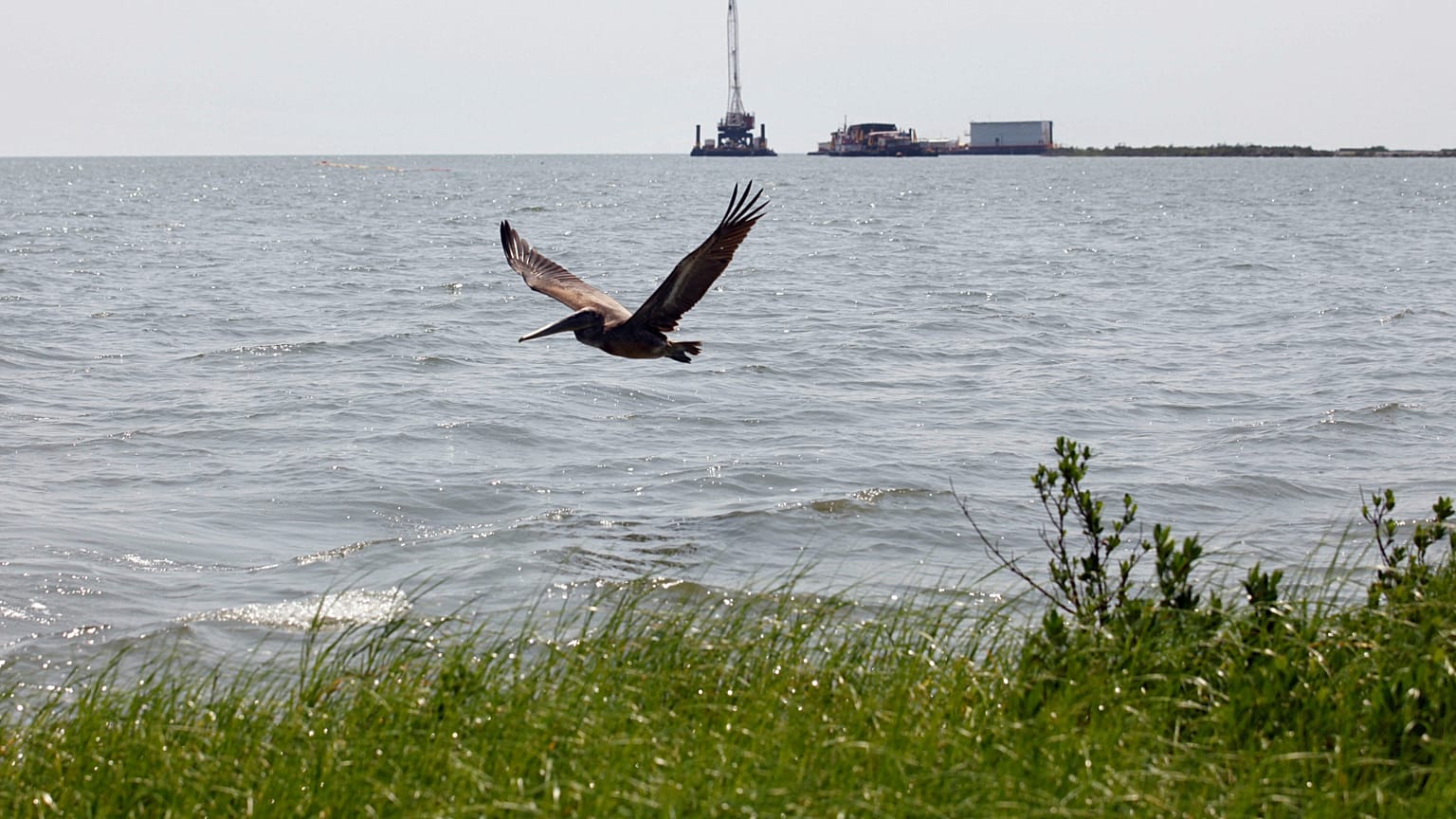
After a 2023 oil spill that sent more than 4 million litres of crude into the Gulf of Mexico off the coast of Louisiana, pipeline safety regulators on Monday proposed their largest fine ever.
 ADVERTISEMENT
ADVERTISEMENT
ADVERTISEMENT
But for the company the enforcement action has been brought against, the $9.6 million (€8.8 million) penalty is unlikely to be more than a minor expense.
This single fine is close to the normal annual total of around €7.5 million to €9.5 million in fines that the Pipeline and Hazardous Materials Safety Administration (PHMSA) hands out each year.
It is the "largest civil penalty ever proposed in a pipeline safety enforcement action", according to an announcement from the US Department of Transportation and its PHMSA.
But pipeline owner Third Coast has a stake in some 3,000 kilometres of pipelines, and in September, the Houston-based company announced that it had secured a nearly €1 billion loan.
Even record fines 'aren't financially meaningful'
US Transport Secretary Sean Duffy said the fine is "sending a clear signal".
"When companies fail to abide by the rules, we won't hesitate to act decisively."
Pipeline Safety Trust Executive Director Bill Caram said this spill “resulted from a company-wide systemic failure, indicating the operator’s fundamental inability to implement pipeline safety regulations,” so the record fine is appropriate and welcome.
“However, even record fines often fail to be financially meaningful to pipeline operators. The proposed fine represents less than 3 per cent of Third Coast Midstream’s estimated annual earnings,” Caram said.
“True deterrence requires penalties that make noncompliance more expensive than compliance.”
Why did the oil spill happen?
The PHMSA said Third Coast didn't establish proper emergency procedures. This is part of why the National Transportation Safety Board (NTSB) found that operators failed to shut down the pipeline for nearly 13 hours after their gauges first hinted at a problem.
The agency also said the company didn't adequately assess the risks or properly maintain the 46-centimetre Main Pass Oil Gathering pipeline.
The agency said the company “failed to perform new integrity analyses or evaluations following changes in circumstances that identified new and elevated risk factors”.
That echoed what the NTSB said in its final report in June, where it said that “Third Coast missed several opportunities to evaluate how geohazards may threaten the integrity of their pipeline."
The NTSB said the leak off the coast of Louisiana was the result of underwater landslides, caused by hazards such as hurricanes, that Third Coast, the pipeline owner, failed to address despite the threats being well known in the industry.
The spill could have been much smaller
A Third Coast spokesperson said the company has been working to address regulators' concerns about the leak, so it was taken aback by some of the details the agency included in its allegations and the size of the fine.
“After constructive engagement with PHMSA over the last two years, we were surprised to see aspects of the recent allegations that we believe are inaccurate and exceed established precedent. We will address these concerns with the agency moving forward," the company spokesperson said.
The amount of oil spilt in this incident was far less than the 2010 BP oil disaster, when 507 million litres were released in the weeks following an oil rig explosion.
It could have been much smaller, however, if workers in the Third Coast control room had acted more quickly, the NTSB said.