












Trump says he will bring in large US companies to fix Venezuela’s oil infrastructure, despite growing calls to end fossil fuels.
Donald Trump has been warned against tapping into Venezuela’s oilreserves after seizing President Nicolás Maduro and threatening more military strikes.
 ADVERTISEMENT
ADVERTISEMENT
ADVERTISEMENT
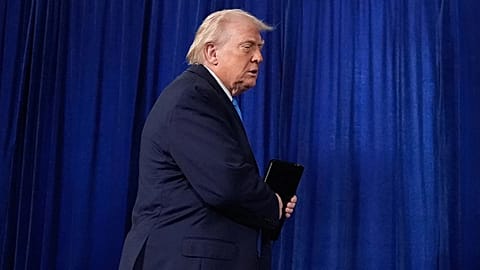
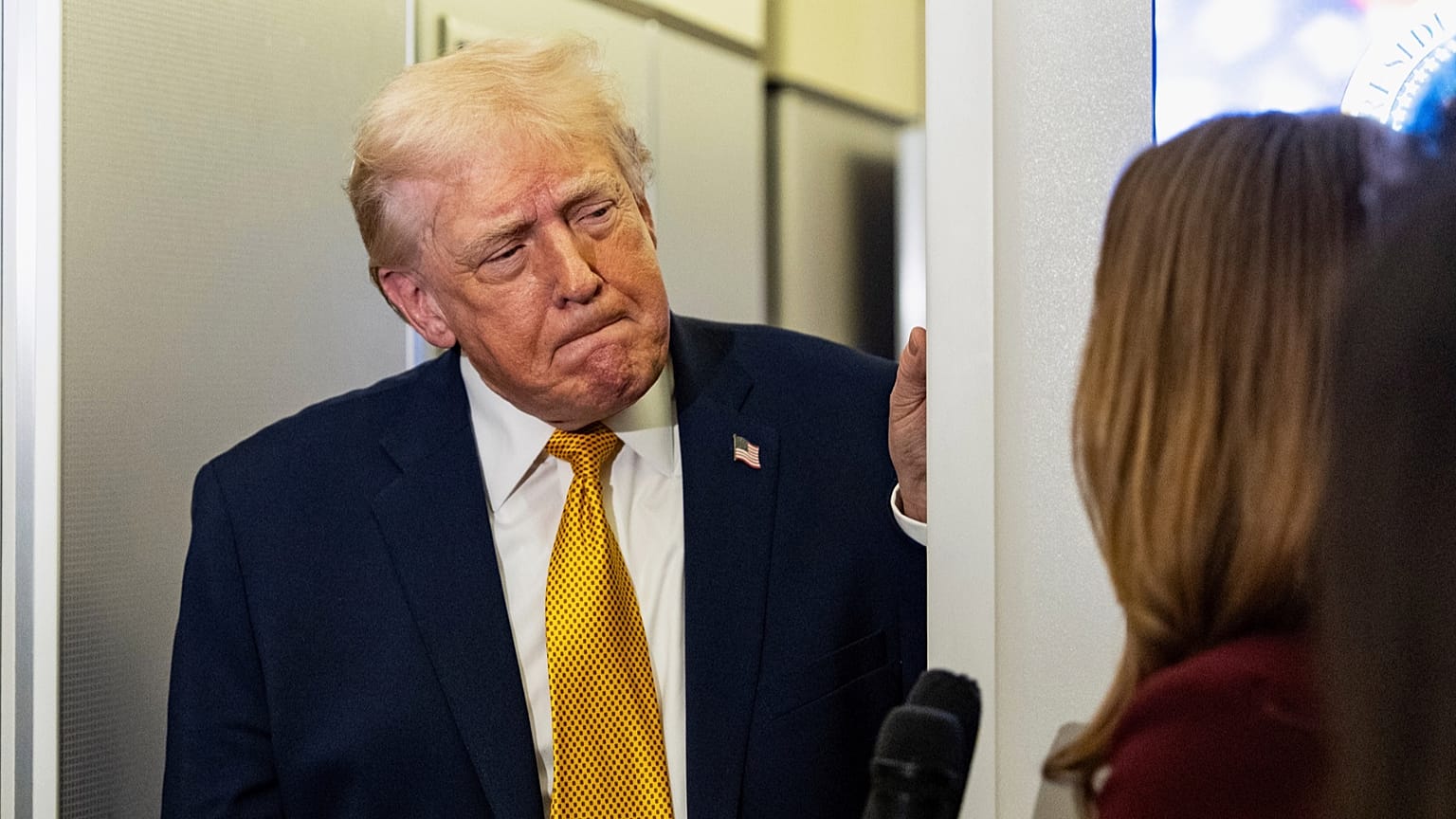
After claiming de facto control over the country, the US states it will be “very strongly involved” in the country’s oil industry, which Trump described as a “total bust”. Speaking to reporters yesterday (Sunday, 4 January), the POTUS confirmed that he will send large US oil companies to spend “billions of dollars” to fix oil infrastructure and start “making money for the country”.
Trump vowed to unleash a second wave of attacks if the US “needs to” but adds that this may not be necessary following the “success” of its first round of strikes.
The announcement sparked heavy backlash from NGOs around the world. Environmentalists have branded the move “reckless and dangerous”. It has reiterated growing calls for a just transition away from fossil fuels to protect the planet and support communities in their move to clean energy.
Why does Venezuela have so much oil?
Venezuela holds the largest proven crude oil reserves in the world, sitting on an estimated 303 billion barrels (Bbbl). It outranks so-called petrostates like Saudi Arabia and Iran, which have 267.2 Bbbl and 208.6 Bbbl, respectively.
However, the amount of oil Venezuela actually produces is tiny in comparison, and output has plummeted over the last two decades due to the previous administration tightening controls around the state-run oil company PDVSA.
Much of Venezuela's extra-heavy crude oil lies in the Orinoco Belt, but it is much harder and more expensive to extract than conventional crude due to its thick and highly viscous nature.
Western oil companies such as Chevron still operate in the country, but on a much smaller scale following the widening of US sanctions to target oil exports. These were first implemented back in 2015 during the Obama administration due to claims of human rights violations, and cut Venezuela off from essential investment in its fossil fuel industry to ramp up extraction.
What happens if the US reforms Venezuela’s oil industry
Analysts predict Trump’s plan to revitalise the country’s oil infrastructure could double or triple its current output of about 1.1 million Bbbl to historic levels. Despite years of neglect, this could happen fairly quickly.
If Venezuela grows into an oil production powerhouse, Phil Flynn of Price Futures Group says lower oil prices could be cemented for the “longer-term” and put more pressure on Russia as Europe and the rest of the world could get more of the diesel and heavy oil they need from Venezuela and stop buying from Russia.
According to AP, a major shift in oil prices wasn’t expected because Venezuela is a member of OPEC, so its production is already accounted for there. There is also currently a surplus of oil on the global market.
However, ramping up oil extraction amid rising global warming has resulted in stronger demands for the world to phase out its use of fossil fuels.
A ‘just transition away from fossil fuels’
Greenpeace International says it is “deeply concerned about the most recent illegal military action by President Donald Trump”. It warns that the rights, safety and interests of the Venezuelan people must come first.
“In an era of accelerating climate breakdown, eyeing Venezuela’s vast oil reserves this way is both reckless and dangerous,” says Mads Christensen, the organisation’s executive director.
“The only safe path forward is a just transition away from fossil fuels, one that protects health, safeguards ecosystems, and supports communities rather than sacrificing them for short-term profit.”
Christensen urged the international community to “act now” and uphold international law to prevent further harm, adding: “Crucially, states must resist efforts to exploit the crisis for fossil fuel expansion and instead mobilise financial, legal, and political support for a just transition that serves the Venezuelan people, not oil interests.”
A ‘fossil-fuelled war’ on Venezuela
Oil Change International also criticised Trump’s hostility, arguing it follows a “historic playbook” to benefit extractive companies.
“The most powerful multinational fossil fuel corporations stand to benefit from these aggressions, and US oil and gas companies are poised to exploit the chaos and carve up one of the world’s most oil-rich territories,” says Elizabeth Bast, the organisation’s executive director.
Bast urged the US to stop treating Latin America as a “resource colony”, arguing that the Venezuelan people must shape their country’s future – not oil execs.
The ‘largest contributor’ to climate change
Fossil fuels – coal, oil and gas– are by far the largest contributors to global climate change. According to the United Nations, they account for around 68 per cent of global greenhouse gas emissions and almost 90 per cent of all carbon dioxide emissions.
As greenhouse gases are released into the atmosphere, they trap the sun’s heat. Already, global temperatures have increased to around 1.4°C above preindustrial levels - unleashing a slew of issues such as increased extreme weather events, ocean acidification, loss of species, and global food insecurity.