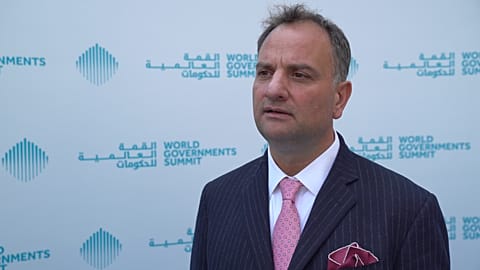


























At the World Governments Summit in Dubai, the Chairman of Syria’s investment authority made a direct appeal to European investors, arguing that 2025 constituted a turning point in the country’s economic recovery.
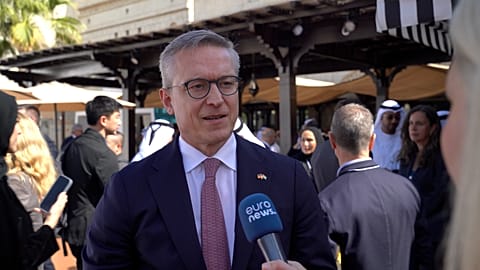
Speaking to Euronews, Talal Hilali said energy reform had been the foundation of Syria’s economic revival.
 ADVERTISEMENT
ADVERTISEMENT
ADVERTISEMENT
“We have gone a long way in 2025. We started with power generation from 3 hours a day to 13 hours a day across Syria and now we're heading into 24 hours a day, which will help boost the Syrian economy because we need power to get manufacturing and tourism going.”
For European audiences watching developments in the Eastern Mediterranean closely, Hilali stressed that engagement from across the continent is already underway.
“We had a lot of European countries coming to Syria in 2025. We have good relationships with the UK, France, and Romania, for instance, and some of their companies are working in Syria. We're very open right now in agriculture, in education, the medical sector, tourism, infrastructure and property development.”
Responding to concerns about political transition and regional volatility, Hilali pointed to what he described as a strengthened legal framework for investors.
“With the law, you can always act with legal firmness. In 2025, we passed a law that is now considered one of the top 10 investment laws in the world, because we've incorporated the best practices from all those successful countries and we put them in one context - we call it the Investment Law 114.”
This is a law Hillali was keen to promote, “As a non-Syrian, you can own up to 100% of the project and repatriate your profits and initial capital to your home country. No government entity is allowed to have a hand in these projects. When it comes to the medical and agricultural sectors, you are completely waived of tax. And if you are a manufacturer, for instance, you can take. A tax wave up to 80% if you're exporting 50% of your products.”
A pitch to European investors
European markets have experienced their own period of uncertainty, from energy security to shifting transatlantic dynamics. Asked how Syria could reassure investors wary of volatility, Hilali framed the opportunity in commercial terms.
“When it comes to Syria, we have a thick red line of not having corruption in our projects, our leadership have been clear that corruption is the same as trafficking drugs and so on. With a moderate risk comes a good profit margin.”
He argued that Syria’s competitive edge resides in both margins and natural assets, drawing on longstanding trade links with Europe.
“Well, first, profit margins, number one. Number two: Syria has a lot to offer. Tourism, opportunities, and investing in agriculture. Syria is well known for cotton. We are the second-largest cotton producer. When it comes to wheat, for example. Most of our A-grade wheat used to go to Italy for the premium pastas. So, we have a lot of options for investors to invest right now. I would say all the surrounding countries are highly competitive."
For European investors weighing early entry into a reopening market, Hilali’s message was unequivocal.
“What we're aiming for, and we've learned this from our friends and the neighbouring countries that you know, focus on business, focus on economic development and investment, and that's it.”
And in a final appeal directed at global capital markets, he said:
“Okay, first, Syrian people deserve it, they've been through a lot of hassle, they've been through a lot of problems in the past 15 years, so they deserve a better chance. This is number one. Number two, if you want to come in and invest, today is the right time, not tomorrow.”
As Syria seeks to re-engage with international partners, the question for European businesses will be whether the judicial reforms and early mover advantage outlined at the World Governments Summit in Dubai result in tangible, lasting stability on the ground.