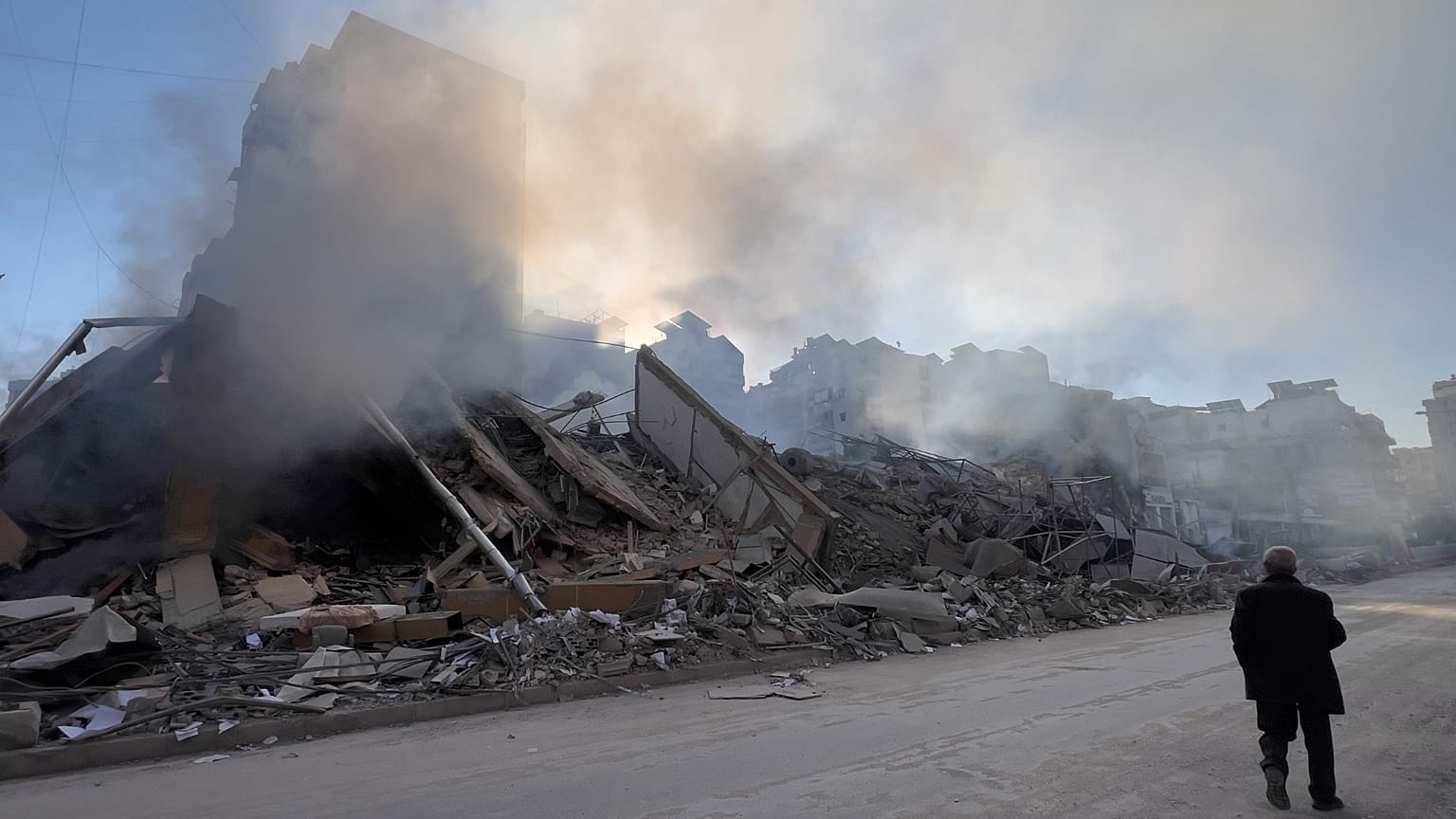













The Iran war is driving up energy and fertiliser prices, threatening food shortages in poor countries, destabilising fragile states and complicating inflation control at central banks worldwide.
The economic shocks from the Iran war continue to spread and compound across the globe.
 ADVERTISEMENT
ADVERTISEMENT
ADVERTISEMENT
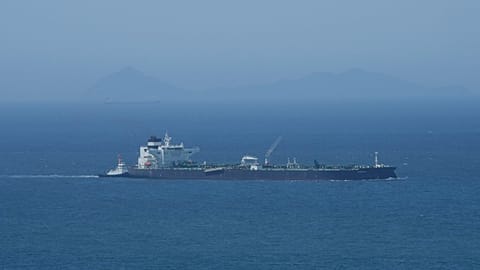
The choke point is the Strait of Hormuz, through which a fifth of the world's oil passes and which has been effectively shut down since the US and Israel began missile strikes against Iran eleven days ago.
“For a long time, the nightmare scenario that deterred the US from considering an attack on Iran, and which got them to urge restraint on Israel, was that the Iranians would close the Strait of Hormuz," said Maurice Obstfeld, a former chief economist at the IMF.
“Now we’re in the nightmare scenario," he added.
With a key shipping route cut off, oil prices have surged from less than $70 a barrel in February to a peak of nearly $120 early Monday, and are currently trading around $90.
The increase in oil prices has consequently caused a jump in gasoline prices as well.
According to AAA, which is the leading motoring and travel organisation in North America, the average price of US gasoline has shot up to $3.48 a gallon from just under $3 a week ago.
Prices could be felt even more significantly in Asia and Europe, which are more dependent on Middle Eastern imports of oil and gas than the US.
Oil supply shock
Every 10% increase in oil prices, provided they persist for most of the year, will push up global inflation by 0.4% and reduce worldwide economic output by as much as 0.2%, said Kristalina Georgieva, managing director of the IMF.
“The Strait of Hormuz has to be reopened," stated economist Simon Johnson of the MIT and recipient of the 2024 Nobel Prize in economics.
“It’s 20 million barrels of oil a day going through there. There is no excess capacity anywhere in the world that can fill that gap," he explained.
The world economy has shown it can take a punch, absorbing blows from the Russian invasion of Ukraine four years ago and from President Trump’s massive and ostensibly unpredictable tariffs in 2025.
Many economists express hope that global commerce can stagger through the latest crisis as well.
“The world economy has shown itself capable of shaking off significant shocks like broad US tariffs, so there is room for optimism that it will prove resilient to the fallout of the war on Iran," said Eswar Prasad, professor of trade policy at Cornell University.
Measuring disruption through duration
Some analysts claim that if oil prices can fall back to the $70 to $80 range, then the global economy might be capable of absorbing the temporary shock. However, that is entirely dependent on the duration of the Iran war.
“The question is how long is it going to go on?" explained Johnson, a former IMF chief economist as previously mentioned.
“It’s hard to see Iran backing down now that it’s announced this new leader," he added.
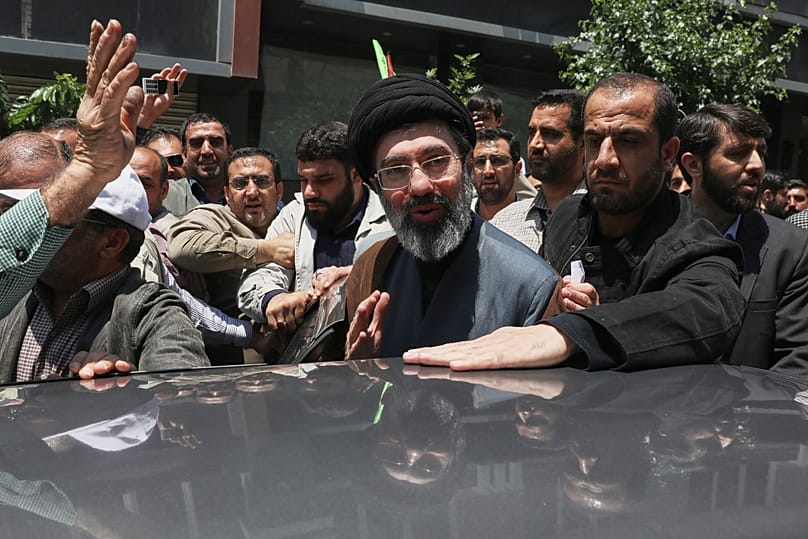
Mojtaba Khamanei, the son of the slain ayatollah, is believed to be even more of a hardliner than his father.
Moreover, muddying the outlook for an end to the crisis is uncertainty about what the US is trying to achieve. “This is all about President Trump, it’s not clear when he’s going to declare victory," Johnson stated.
For now, the war is likely to create economic winners and losers.
The economies of energy importers, including most of Europe, South Korea, Taiwan, Japan, India and China, will feel the pain of higher prices the most.
Pakistan finds itself in an especially bleak position. The South Asian country imports 40% of its energy and relies heavily on LNG from Qatar, supplies of which have been cut off by the conflict.
On the other hand, oil-producing countries outside the warzone, including Norway, Russia and Canada are likely to benefit from higher oil prices.
However, energy isn’t the only issue. Up to 30% of the world's fertiliser exports, including urea, ammonia, phosphates and sulfur, pass through the Strait of Hormuz, according to the International Food Policy Research Institute.
Disruption in the region has already cut off fertiliser shipments, raising costs for farmers which are likely to be passed on to consumers, pushing food prices higher.
“Any countries with significant agriculture sectors, including the US, are vulnerable," Maurice Obstfeld, a former chief economist at the IMF, explained.
“The effects are going to be most devastating in low-income countries where agricultural productivity may already be challenged. Add this extra cost component and you get the prospect of significant food shortages," he continued.
A dilemma for central banks
The Iran crisis also puts the world’s central banks in a bind. Higher energy prices feed inflation as well as hurting the economy. Should central bankers raise rates to curb inflation or cut them to give the economy a lift?
In the US, the Fed is already divided between policymakers who think a weak American job market needs help from lower rates and those still worried that inflation remains stuck above the central bank’s 2% target.
“Their minds will easily go to the 1970s, when conflict in the Middle East and an Arab oil embargo sent oil prices rocketing," said Johnson, also a former IMF chief economist.
"Central bankers are haunted by the memory that their predecessors didn’t get it right in the 1970s. They believed in a temporary shock that could be accommodated with lower interest rates but they ended up regretting that because inflation jumped," he explained.
Johnson predicted that higher energy prices ignited by the war with Iran are “going to massively intensify the debate inside the Fed" and make US rate cuts less likely.
The European Central Bank is facing the same issue and could consider raising rates if the supply shock linked to energy prices spreads to wages and service costs.