






























Commercial shipping has come under attack in the Strait of Hormuz as the US and Iran exchange military action, raising fears the conflict could draw more Gulf states into the fighting.
The conflict between the United States and Iran escalated sharply overnight, with attacks on commercial shipping, renewed military operations and growing fears the fighting could spread across the Gulf.
 ADVERTISEMENT
ADVERTISEMENT
ADVERTISEMENT
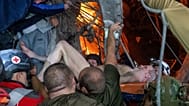
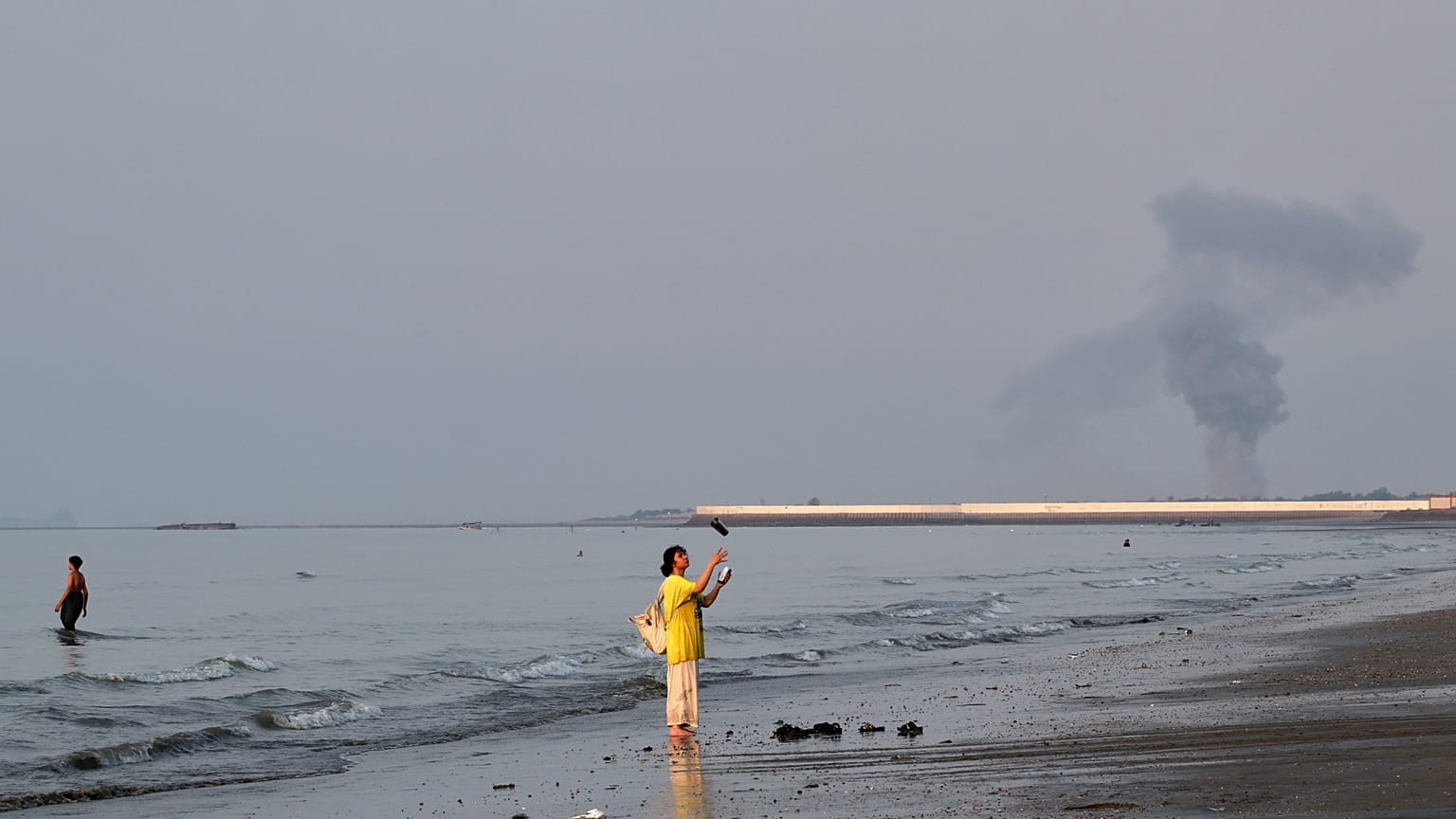
The biggest development came in the Strait of Hormuz, where the United Arab Emirates says two of its oil tankers were hit by Iranian cruise missiles while transiting the strategic waterway.
One Indian crew member was killed and eight others were injured after both vessels caught fire. The UAE's Ministry of Defense described the strike as 'a clear breach of international law' and said it reserved the right to take any measures necessary to protect its interests.
US and Iran exchange attacks
The United States has also intensified its military campaign. US Central Command said it carried out a five-hour operation across southern Iran, targeting multiple sites.
Iran says it has responded by targeting a US naval vessel and American military sites in Bahrain and Kuwait. Jordan also said it intercepted four Iranian missiles that entered its airspace overnight.
Naval blockade set to begin
The latest exchange comes ahead of a new US naval blockade, due to begin Tuesday at 20:00 GMT, targeting ships travelling to and from Iranian ports while allowing other commercial traffic to continue through the Strait of Hormuz.
US President Donald Trump announced the move on social media, saying the United States would become the "Guardian of the Hormuz Strait" and proposing a 20% charge on commercial cargo using the waterway.
Iran's Foreign Minister Abbas Araghchi rejected the US claim to the strategic shipping lane, insisting Iran has always been, and will remain, the Strait's guardian. However, he agreed that whoever guarantees safe passage through the waterway should be compensated.
Fears of a wider regional conflict
The Strait of Hormuz remains open, but it carries around a fifth of the world's traded oil, making it one of the most important energy corridors on the planet.
With commercial shipping now under attack, neighbouring countries increasingly drawn into the fighting and military operations expanding across the Gulf, concerns are growing that each new exchange raises the risk of a much wider regional conflict.