






























Holding separate meetings in Qatar, the US and Iran made progress and agreed that the next meeting would be after Khamenei's funeral, host Qatar confirmed.
US and Iran negotiators have met separately on Wednesday with Qatari and Pakistani mediators, with “positive progress made,” and agreed to continue discussions, host Qatar said.
 ADVERTISEMENT
ADVERTISEMENT
ADVERTISEMENT
The next meeting will be scheduled “at the earliest possible time” after the funeral of Iran’s previous supreme leader, the late Ayatollah Ali Khamenei, Qatar’s Foreign Ministry spokesman Majed al-Ansari said on X. The funeral is set to start on Saturday in Tehran.
US Mideast envoy Steve Witkoff and Jared Kushner, US President Donald Trump’s son-in-law, were in Qatar for talks aimed at securing a permanent end to the war, along with Iran’s top negotiator, Kazem Gharibabadi.
The negotiators are attempting to nail down the specifics of an interim maritime agreement to pave the way for top leaders to seal a final deal, though big differences over the status of the Strait of Hormuz and the conflict in Lebanon continue to loom large over the talks.
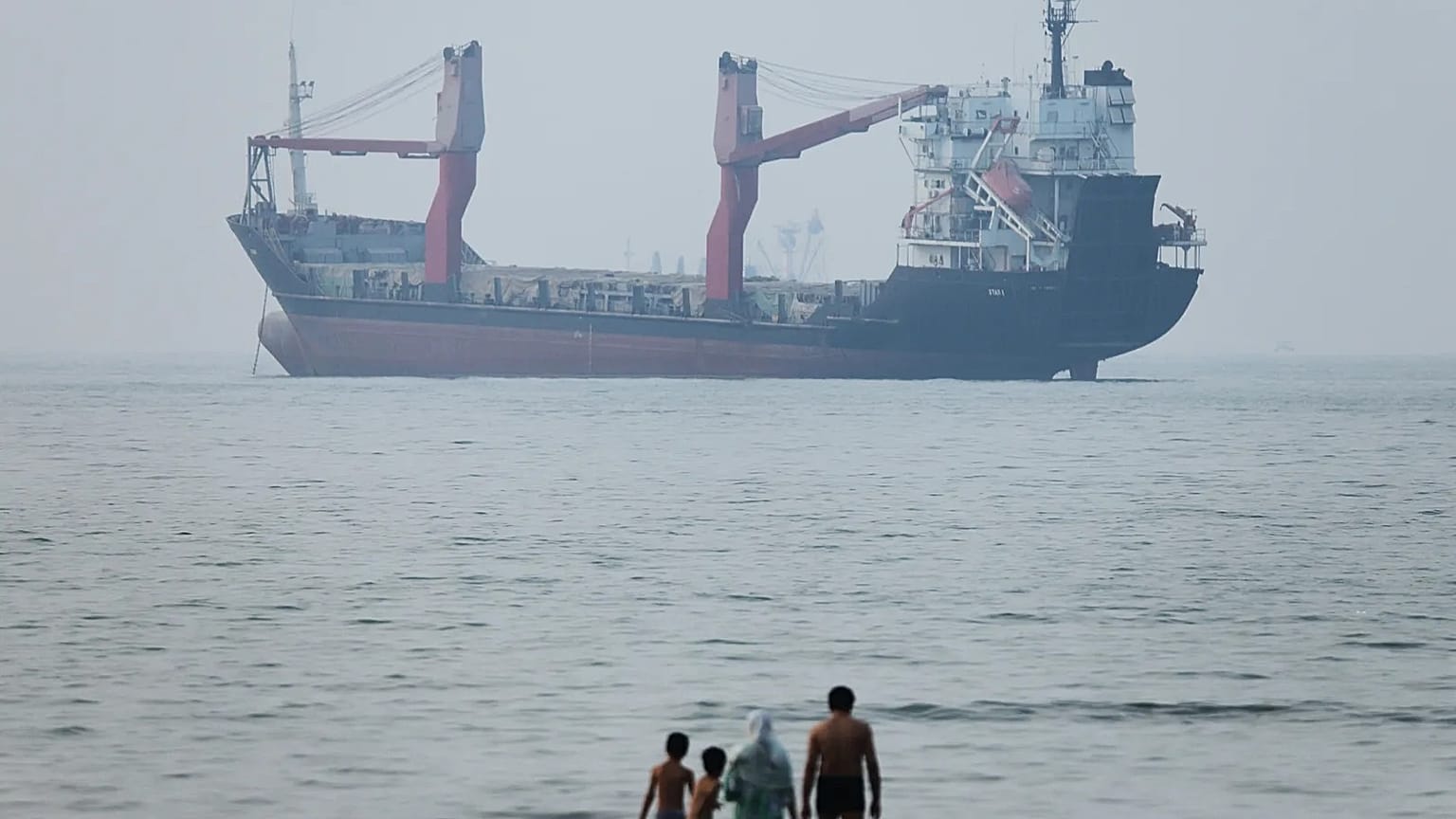
The difficulty of the negotiations was highlighted on Wednesday when a vessel ran aground in the strait whilst using what Tehran described as an unapproved route, Iranian state television reported. The vessel was identified only as a foreign container ship, with no further details provided.
The broadcast appeared aimed at underlining Tehran’s persistent claims to territorial control over the strategic strait, which the international community has long considered an international waterway. In peacetime, a fifth of all global oil and natural gas shipments passed through the channel.
Since the US and Israel launched the war against Iran on 28 February, Iran has consistently used its ability to choke off the vital waterway as a key source of geopolitical leverage, severely disrupting global markets for energy and other critical goods.
The Strait of Hormuz is a key point in talks
Iran and the United States agreed as part of an interim deal to allow ships to pass without paying charges for 60 days. But Tehran insisted it must control the routes of the vessels and later charge fees for passage, upending decades of practice in the waterway.
The US and many Gulf Arab states say they won't agree to the charges. An effort by Oman and a U.N. agency to launch a new route near Oman's shore sparked attacks across the Mideast last weekend, highlighting the tensions.